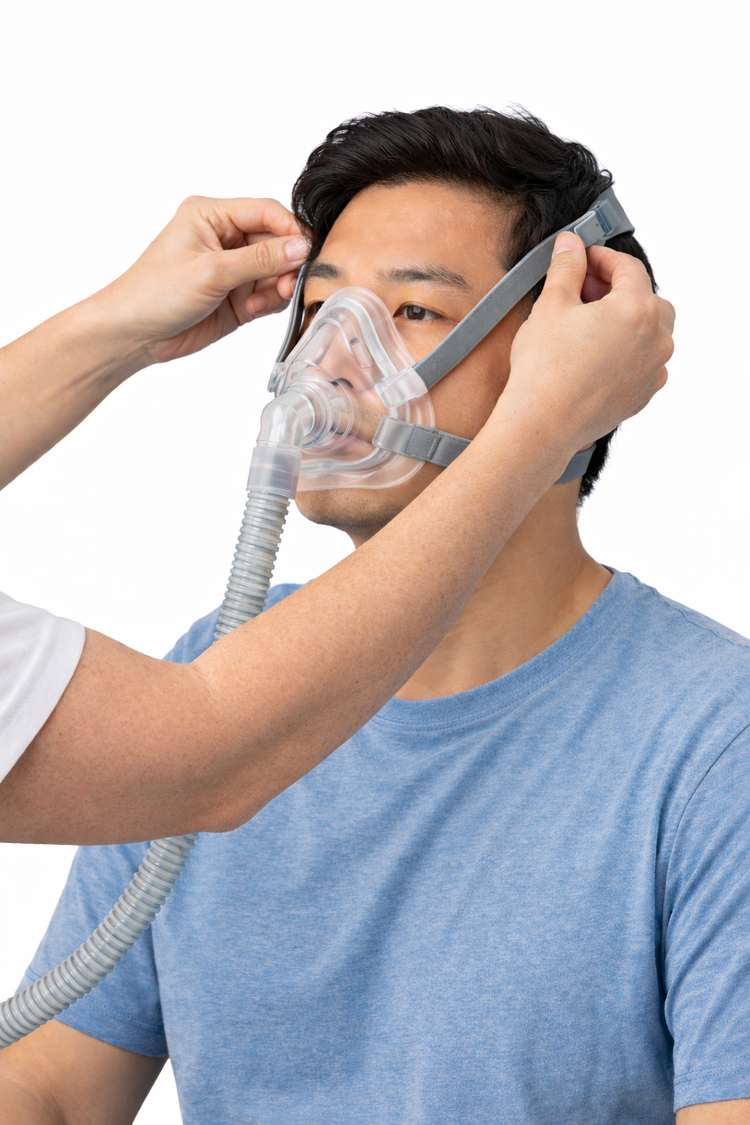
Breathing is something most people never think about until it becomes difficult. For many individuals living with long term respiratory conditions, even simple daily tasks can feel tiring. This is where Home Ventilation Support plays an important role. It offers comfort, safety, and independence to people who need help with breathing in their own homes. Instead of staying in a hospital, they can receive proper care while being surrounded by family and familiar surroundings.
Home Ventilation Support is designed to assist people whose lungs cannot work efficiently on their own. This support can be given through different devices that help move air in and out of the lungs. Some people may need help only at night, while others may require support throughout the day. The goal is always the same, to make breathing easier and improve quality of life.
One of the biggest advantages of Home Ventilation Support is comfort. Hospitals can feel stressful and unfamiliar. Being at home allows patients to relax, sleep better, and stay emotionally stable. Familiar sounds, family members, and personal space all help reduce anxiety. This emotional comfort is just as important as physical care because a calm mind supports better healing.
Another important benefit is independence. Many people worry that needing breathing support will limit their daily life. However, with the right setup and guidance, individuals can still enjoy their routine. They can read, watch television, talk to loved ones, and even do light activities. Home Ventilation Support is not about restriction, it is about making life manageable and meaningful.
Family involvement is also a key part of home based care. When care happens at home, family members can take an active role in supporting their loved one. They learn how to handle equipment, understand the patient’s needs, and respond to small changes. This builds confidence and strengthens relationships. It also ensures that help is always nearby when needed.
Training and education are very important in this process. Caregivers and family members are usually guided step by step so they feel comfortable using the equipment. They learn how to clean devices, check for any issues, and ensure everything works properly. This kind of knowledge reduces fear and makes the entire experience smoother for everyone involved.
Home Ventilation Support also helps reduce hospital visits. Frequent hospital stays can be tiring and costly. By managing care at home, many complications can be avoided or handled early. This not only saves time and money but also keeps patients away from infections that are sometimes common in hospital environments.
Another key aspect is personalized care. Every person has different needs, and home care allows treatment to be adjusted accordingly. The type of ventilation, the duration, and the level of support can all be tailored to suit the individual. This flexibility ensures that patients receive exactly what they need without unnecessary discomfort.
Sleep quality often improves with proper ventilation support. Many people with breathing problems struggle to sleep well because they cannot get enough air during the night. With the right support, breathing becomes steady, allowing the body to rest properly. Better sleep leads to improved energy levels, mood, and overall health.
It is also important to talk about safety. Modern ventilation devices are designed with safety features that alert users if something is not working correctly. This gives peace of mind to both patients and their families. Regular checkups and proper maintenance further ensure that everything runs smoothly.
In addition to physical benefits, Home Ventilation Support also improves mental wellbeing. Living with a breathing condition can feel overwhelming at times. Being able to stay at home, maintain a routine, and stay close to loved ones makes a big difference. It helps people feel more in control of their lives rather than being defined by their condition.
Professional support still plays a major role even when care is provided at home. Trained therapists and healthcare providers regularly check progress and make necessary adjustments. They also offer guidance and answer any questions that may arise. This combination of professional care and home comfort creates a balanced and effective approach.
Children and older adults both benefit from this type of care. For children, being at home allows them to grow and learn in a familiar environment. For older adults, it provides dignity and comfort during a time when they may need extra support. In both cases, Home Ventilation Support helps maintain a sense of normal life.
Another advantage is flexibility in daily schedules. Hospital routines can be strict and fixed, but home care allows people to follow their own pace. Meals, sleep, and activities can be planned according to personal comfort. This freedom adds to the overall satisfaction and wellbeing of the patient.
It is also worth mentioning that early support can prevent complications. When breathing issues are managed properly from the beginning, the chances of serious problems decrease. Regular monitoring at home helps detect any changes quickly so that action can be taken without delay.
For those considering Home Ventilation Support, it is natural to feel unsure at first. However, with proper guidance, the transition becomes easier. Starting with small steps, learning about the equipment, and staying in touch with healthcare professionals can build confidence over time.
The role of respiratory care techniques is also important alongside ventilation support. Simple practices like airway clearance and breathing exercises can improve lung function and make ventilation more effective. When combined, these approaches create a complete care plan that supports both short term and long term health.
Technology has made home ventilation more user friendly than ever before. Devices are now quieter, more comfortable, and easier to manage. This makes it possible for people of different ages to use them without much difficulty. Continuous improvement in this field means better outcomes and more convenience for users.
In the end, Home Ventilation Support is not just about machines or medical care. It is about helping people live better lives despite their challenges. It brings together comfort, safety, independence, and emotional support in one place. It allows individuals to stay connected with their loved ones while receiving the care they need.
Choosing home based care is a personal decision, but for many, it offers a better balance between treatment and daily life. With the right support system, proper training, and regular guidance, it becomes a practical and positive solution.
Life with a breathing condition may have its difficulties, but it does not mean giving up on comfort or happiness. With Home Ventilation Support, people can continue to enjoy their days, stay close to family, and live with dignity in their own homes.