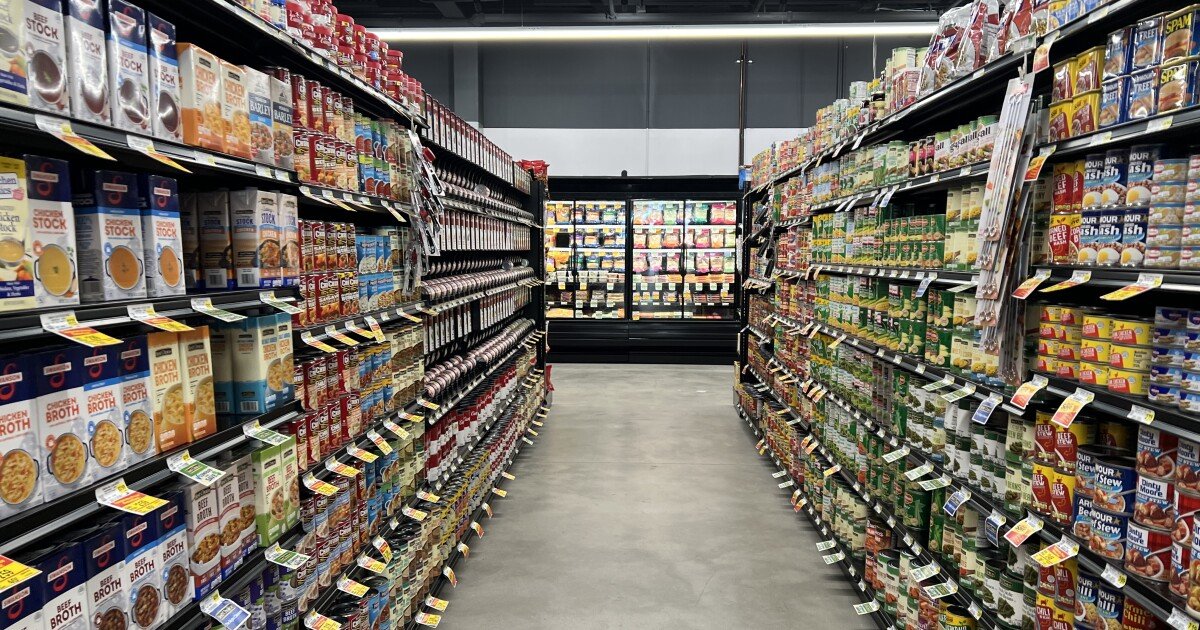
Managing household expenses has become more important as food prices continue to rise across markets. A planned approach to shopping at a Grocery Store helps reduce monthly costs without affecting nutrition or quality. Smart buying habits focus on better decision-making rather than cutting essential items. Small adjustments in planning, product selection, and timing can create noticeable savings over time. Many households overspend due to lack of structure in their shopping routine. This guide explains practical steps that help control grocery expenses while maintaining a healthy and balanced lifestyle through disciplined purchasing habits and improved financial awareness.
Your Monthly Grocery Spending
Tracking monthly grocery spending is the first step toward better financial control. Many households underestimate how daily or small purchases accumulate into larger expenses. Reviewing receipts, bank statements, or digital payment records helps identify spending patterns and unnecessary purchases. This process also highlights frequently bought items and areas where money can be saved. Awareness of spending behavior builds a strong foundation for budgeting decisions. Once clear data is available, it becomes easier to set realistic limits and adjust shopping habits. Understanding expenses ensures better control over financial resources and reduces wasteful spending over time.
Creating a Smart Grocery Budget Plan
A structured grocery budget helps maintain control over monthly spending. Setting a fixed amount for weekly or monthly shopping ensures discipline and prevents overspending. Household size, dietary requirements, and seasonal price changes should be considered while preparing the budget. A flexible approach allows minor adjustments without breaking overall financial goals. Budget planning also reduces emotional buying decisions, which often lead to unnecessary expenses. Regular monitoring of spending compared to the budget helps improve future planning. Consistent use of a budget system builds long-term financial stability and makes grocery shopping more predictable and stress-free for households.
Building an Efficient Shopping List
A well-organized shopping list plays an important role in controlling grocery costs. It ensures that every purchase has a purpose and reduces impulse buying. Planning meals in advance helps identify exact ingredients needed for the week. Checking pantry and refrigerator stock prevents duplicate purchases. Organizing the list by categories such as fruits, vegetables, dairy, grains, and household items improves shopping efficiency. A structured list also saves time inside the store and reduces distractions. Following the list strictly helps maintain discipline and ensures that only essential items are purchased during each shopping trip.
Smart Buying Strategies for Lower Grocery Bills
Smart buying decisions significantly reduce grocery expenses over time. Comparing prices between different brands helps identify better value products. Seasonal fruits and vegetables are often cheaper and fresher, making them a cost-effective choice. Bulk purchasing of non-perishable items reduces long-term expenses. Loyalty programs and discount coupons provide additional savings opportunities. Checking unit prices instead of package prices helps identify real value. Avoiding shopping without a list prevents impulse buying. Choosing store brands instead of premium brands also reduces costs when quality remains similar. These strategies create consistent savings when applied regularly.
- Compare product prices before purchase
- Choose seasonal produce for better value
- Buy bulk non-perishable goods
- Use discount coupons and rewards
- Stick to a prepared shopping list
- Check unit pricing carefully
- Prefer store brands when possible
Reducing Waste and Improving Storage Habits
Reducing food waste is a key factor in lowering grocery expenses. Proper storage methods extend the shelf life of food items and maintain freshness. Organizing items in the refrigerator helps use older products first, reducing spoilage. Meal planning based on available ingredients prevents unnecessary purchases. Freezing leftovers and using airtight containers for dry goods improves storage efficiency. Careful portion control also reduces food waste at home. Managing food properly ensures that purchased groceries are fully utilized, which leads to better financial efficiency and reduces the need for frequent re-shopping.
Timing Your Grocery Shopping for Better Savings
Timing plays an important role in controlling grocery expenses. Stores often offer discounts during specific days or seasonal sales periods. Shopping during mid-week may provide access to better deals and less crowded environments. End-of-season sales are useful for stocking non-perishable items at lower prices. Monitoring weekly advertisements or store flyers helps identify price drops. Planning purchases around promotional cycles increases savings without changing food preferences. Avoiding peak shopping hours also reduces rushed decisions and encourages better comparison of products. Smart timing creates opportunities for long-term savings and better budget control.
Using Technology for Smarter Grocery Management
Digital tools and apps help improve grocery planning and budgeting. Many mobile applications allow users to track expenses, create shopping lists, and compare prices easily. Online grocery platforms provide visibility into discounts and product availability before shopping. Digital coupons and cashback offers also contribute to savings. Using reminder tools ensures that essential items are not forgotten. Technology helps reduce human error in planning and improves shopping efficiency. It also supports better decision-making by providing real-time price updates and promotional information, making grocery management more structured and effective for households.
Developing Long-Term Smart Shopping Habits
Long-term savings depend on consistent habits rather than one-time actions. Regular budgeting, disciplined list usage, and careful product selection build strong financial control. Awareness of spending patterns helps avoid repeated mistakes. Gradual improvement in decision-making leads to stable savings over time. Involving family members in grocery planning also improves discipline and reduces unnecessary purchases. Developing patience while shopping helps avoid impulse buying. Over time, these habits become a natural part of lifestyle, making grocery management easier and more efficient while supporting overall financial stability and household balance.
Conclusion
Reducing grocery expenses requires consistent planning, awareness, and disciplined buying behavior. Simple steps such as budgeting, list preparation, and smart product selection help control monthly spending. Waste reduction and proper storage also contribute to long-term savings. Timing purchases strategically and using technology further improve efficiency. These habits work together to create a stable financial system for household grocery management. With consistent practice, families can maintain quality nutrition while reducing unnecessary costs. Strong grocery planning not only saves money but also builds long-term financial discipline and improves overall household management.