
You spent weeks planning your research, sourced high-quality peptides, and set everything up carefully. Then one small mistake with your reconstitution water quietly destroys the entire experiment. This happens more often than most researchers want to admit.
The peptide gets the attention, but the water it’s mixed with matters just as much. For anyone working with bacteriostatic water for peptide reconstitution in Canada, understanding what can go wrong with BAC water handling is not optional; it’s the foundation of reliable results. Here are five mistakes that are easy to make and costly to ignore.
What Is Bacteriostatic Water and Why Does It Matter So Much?
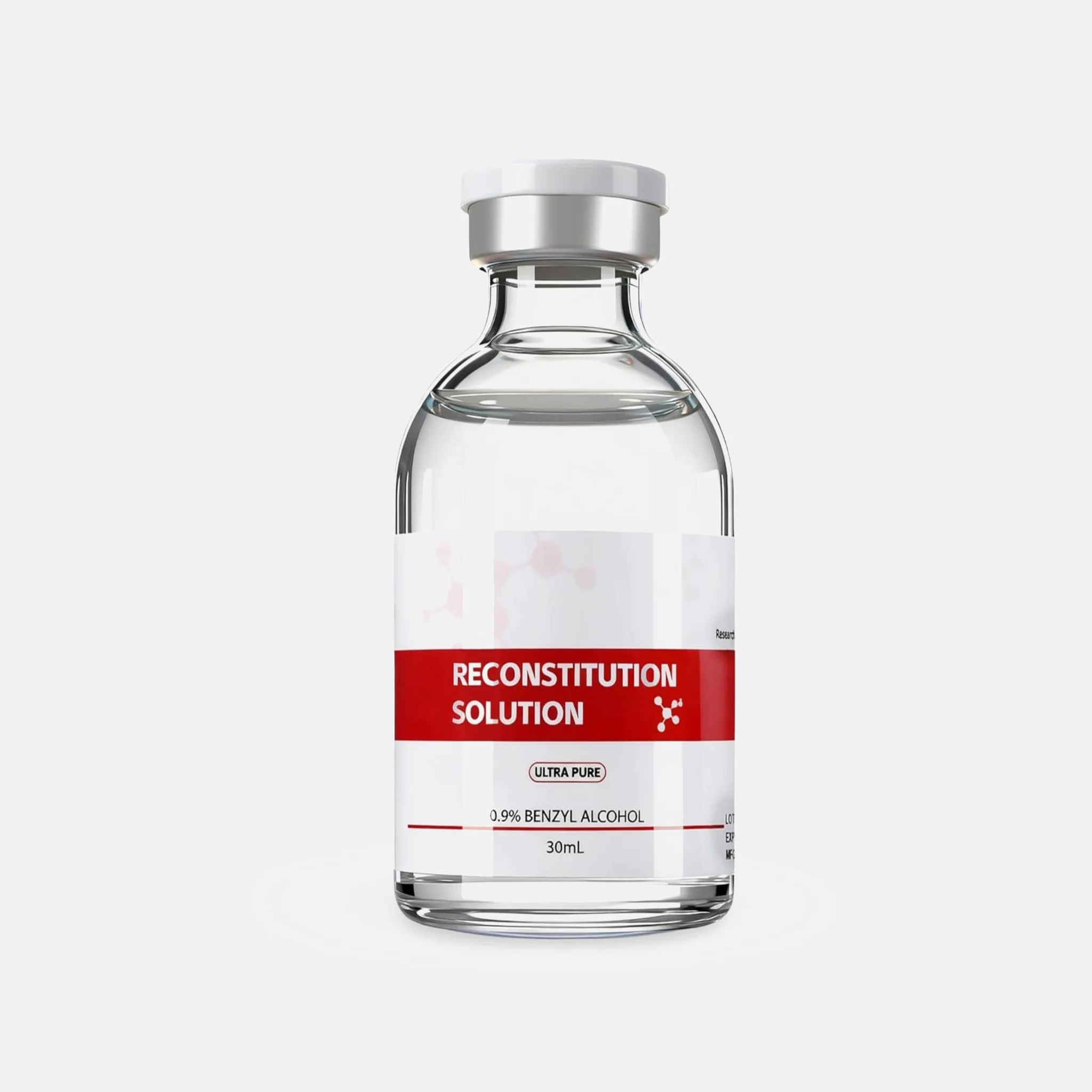
Before getting into the mistakes, it helps to understand what makes bac water different from regular water. Bacteriostatic water is sterile water containing 0.9% benzyl alcohol. That benzyl alcohol acts as a preservative, stopping bacteria from multiplying inside the vial. This makes it safe to use across multiple draws from the same vial without contaminating the solution.
Regular sterile water doesn’t have this protection. Once you puncture the septum of a single-use sterile water vial, bacteria can enter and grow. For multi-dose peptide vials, that’s a serious problem. Bacteriostatic water in Canada is widely used in research settings precisely because it extends the usable life of reconstituted peptides and reduces the contamination risk that comes with repeated access to the same vial.
Mistake 1: Using the Wrong Type of Water Entirely
This is the most common and most damaging mistake. Many researchers, especially those newer to peptide work, assume that any sterile or purified water will do the job. It won’t. Regular sterile water is designed for single use only. If you reconstitute a peptide with it and then draw from that vial a second time, you’ve introduced a contamination risk that can compromise your entire sample.
Sterile saline is another common substitution that causes problems. While saline works in certain specific contexts, its salt content can affect peptide stability depending on the compound you’re working with. For most peptide reconstitution work, bac water is the appropriate choice, and substituting it without understanding the chemistry involved is a mistake that affects data quality from the very first step.
Mistake 2: Injecting BAC Water Too Forcefully Into the Vial
Peptides are fragile molecules. When you reconstitute a lyophilized peptide, the way you add the water matters just as much as the water itself. Many researchers push the plunger too quickly, sending a direct stream of liquid crashing into the peptide powder. This mechanical force can break apart the peptide structure and reduce its potency before the research even begins.
The correct technique is to aim the stream of bacteriostatic water at the inner wall of the vial rather than directly onto the powder. Let it run down the side slowly and allow the peptide to dissolve on its own. Swirling gently is fine; shaking is not. Aggressive agitation introduces air bubbles and creates physical stress on the peptide chain, neither of which helps your results.
Mistake 3: Ignoring Storage Conditions After Reconstitution
Reconstituted peptides need cold storage, and this rule applies to the bac water vial itself as well. Once opened and used, bacteriostatic water should be refrigerated. Leaving it at room temperature between uses increases the risk of degradation and reduces the effectiveness of the benzyl alcohol preservative over time.
Peptides reconstituted in bacteriostatic water for peptide reconstitution are generally stable in the refrigerator for a few weeks, depending on the specific compound. Freezing a reconstituted peptide is usually not recommended because the freeze-thaw cycle can damage the molecular structure. Researchers working with compounds like GHK-Cu, for example, need to follow storage guidelines specific to that peptide to preserve its regenerative properties and keep the research valid.
Mistake 4: Using Low-Quality or Unverified BAC Water
Not all bacteriostatic water in Canada is produced to the same standard. Some suppliers cut corners on sterility testing or use inconsistent benzyl alcohol concentrations. Using substandard BAC water introduces variables that can skew your data, introduce contamination, or even degrade the peptide faster than expected.
For research to be reliable, every input needs to meet a consistent quality standard. That includes the peptide and the water used to reconstitute it. When sourcing bac water in Canada, look for pharmaceutical-grade products with clear documentation on sterility, benzyl alcohol concentration, and manufacturing standards. A trustworthy supplier will make this information easy to find.
Mistake 5: Reusing Needles or Swapping Syringes Between Vials
This mistake often gets overlooked because it feels like a minor procedural detail. Reusing a needle to draw from a BAC water vial after it has touched another surface, including the peptide vial septum, can transfer contaminants back into your water supply. Cross-contamination between vials is a real risk in any multi-vial research setup.
Each draw should use a fresh needle. The septum of both the bacteriostatic water vial and the peptide vial should be wiped clean before each puncture. These are small steps, but they protect the integrity of every sample in your research and prevent one careless moment from cascading into compromised data across multiple experiments.
Don’t Let a Simple Oversight Cost You Your Research
Every stage of peptide research requires care, and reconstitution is no exception. The peptides you source, the bac wateryou use, and the handling techniques you follow all work together to determine whether your results are trustworthy. If you’re serious about bacteriostatic water for peptide reconstitution in Canada, start your research on solid ground.
