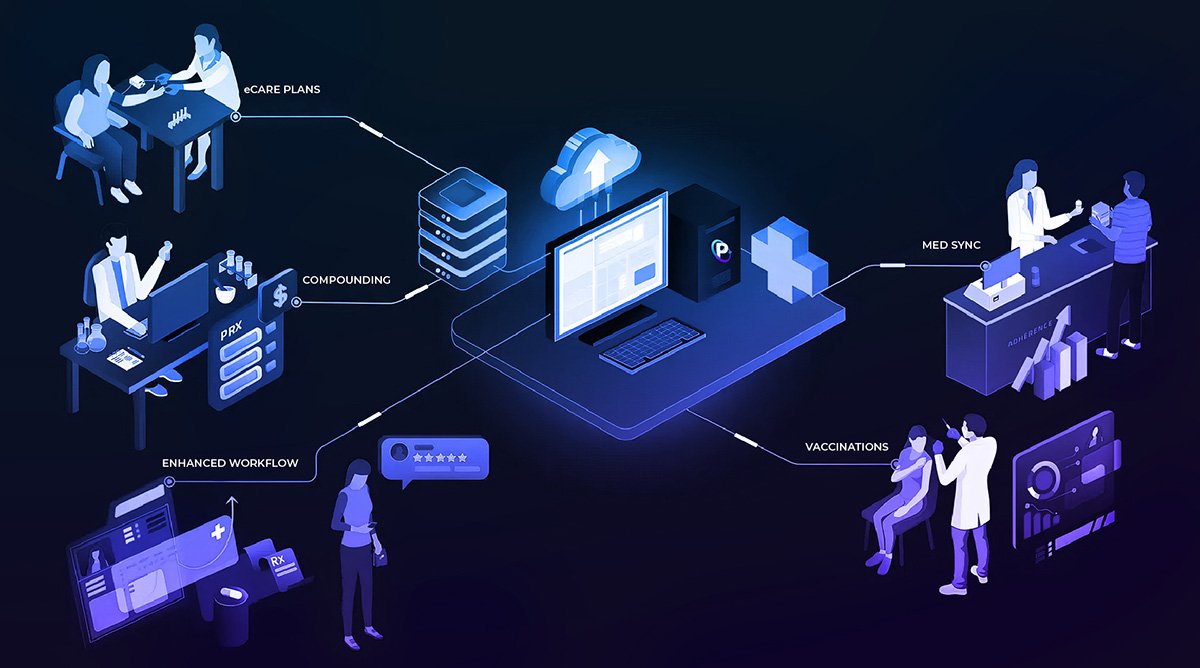
In today’s digital era, healthcare providers are increasingly relying on technology to enhance patient care, streamline administrative processes, and maintain accurate medical records. One of the most important tools in modern healthcare is Electronic Health Record (EHR) software. A robust EHR system not only stores patient information digitally but also optimizes the workflow of clinics and hospitals, allowing healthcare providers to deliver safer, faster, and more efficient care.
However, not all EHR software is created equal. Choosing the right platform can be challenging, especially with the variety of solutions available on the market. To help healthcare organizations make informed decisions, this article highlights seven key features every powerful EHR software should have.
1. Intuitive User Interface and Ease of Use
An EHR system is only effective if healthcare providers can use it efficiently. A user-friendly interface is crucial for reducing the learning curve and ensuring that staff can navigate the system without unnecessary frustration.
Powerful EHR software should have a clean dashboard, clearly labeled menus, and quick access to frequently used features such as patient records, lab results, and appointment schedules. Intuitive design not only improves workflow but also minimizes errors caused by misclicks or incorrect data entry. For busy clinics, where every second counts, an easy-to-use system enhances overall productivity and patient satisfaction.
2. Comprehensive Patient Records Management
At the core of any EHR system is its ability to store and manage patient information efficiently. A robust EHR should allow healthcare providers to record complete medical histories, including past diagnoses, medications, allergies, immunizations, and family medical history.
Additionally, the system should support integration with laboratory results, imaging reports, and referral notes. Having a comprehensive view of a patient’s health in one centralized location enables clinicians to make informed decisions, reduce medical errors, and provide personalized care. The easier it is to access detailed patient information, the faster and more effective the treatment.
3. Secure Data Storage and Compliance Features
Patient data security is non-negotiable in healthcare. EHR software must include advanced security measures such as encryption, user authentication, and role-based access controls to protect sensitive medical information from unauthorized access.
Furthermore, compliance with local and international healthcare regulations, such as HIPAA, GDPR, or local data protection laws, is essential. EHR platforms should have built-in features to track data access, maintain audit trails, and ensure that all patient information is handled securely. Clinics that prioritize security can protect both their patients and their reputation.
4. Seamless Integration with Other Healthcare Systems
Modern healthcare involves collaboration among multiple providers, laboratories, pharmacies, and insurance companies. A powerful EHR system should integrate smoothly with third-party applications, such as lab management software, pharmacy systems, billing platforms, and diagnostic tools.
Integration ensures that all critical data flows seamlessly between different systems, reducing duplication, minimizing errors, and speeding up clinical decision-making. For example, lab results uploaded directly to a patient’s record allow doctors to review and act on findings immediately, improving patient outcomes and operational efficiency.
5. Customizable Templates and Workflow Automation
Healthcare practices vary in size, specialty, and workflow. A one-size-fits-all approach rarely meets the needs of diverse clinics. EHR software should offer customizable templates for patient notes, prescriptions, and diagnostic reports.
Additionally, workflow automation is a key feature for increasing efficiency. Automated reminders for appointments, follow-ups, medication refills, or preventive screenings reduce administrative burdens and improve patient adherence to treatment plans. These features free up staff to focus on patient care rather than repetitive administrative tasks.
6. Advanced Analytics and Reporting
Data-driven insights are transforming healthcare management. A robust EHR system should include analytics and reporting tools that help clinics track performance metrics, monitor patient outcomes, and identify areas for improvement.
For example, clinics can analyze trends in chronic disease management, track patient satisfaction scores, or monitor billing efficiency. These insights allow healthcare providers to make strategic decisions, improve care quality, and optimize resource allocation. In addition, real-time reporting supports compliance audits and internal quality assessments.
7. Patient Portal and Engagement Tools
Patient engagement is a critical aspect of modern healthcare. EHR software should include a patient portal where individuals can access their health records, schedule appointments, view lab results, and communicate with their healthcare providers.
These portals empower patients to take an active role in their healthcare journey, increasing transparency and trust. Features such as appointment reminders, educational resources, and secure messaging improve the overall patient experience and encourage adherence to prescribed treatments.
Conclusion
Selecting the right EHR software can significantly impact the efficiency, accuracy, and quality of care in any healthcare setting. Clinics and hospitals that invest in comprehensive, secure, and user-friendly platforms can improve patient satisfaction, reduce administrative burdens, and enhance clinical decision-making.
A truly powerful EHR system must combine intuitive interfaces, comprehensive patient-record management, robust security, seamless integrations, customizable workflows, advanced analytics, and patient-engagement tools. Platforms like Instacare.com.pk are designed to meet these demands, providing healthcare providers with a solution that supports both operational efficiency and superior patient care. By leveraging a high-quality EHR Software, clinics can deliver better, faster, and more personalized experiences to every patient they serve.