Tag

Technology

Browsing

The healthcare landscape in Pakistan is evolving rapidly, and diagnostic laboratories are at the center of this transformation. With increasing patient volumes, growing expectations for accuracy, and the demand for faster results, labs are under constant pressure to perform efficiently. Traditional manual processes and outdated systems are no longer sufficient to meet these demands in 2026.

This is where lab management software comes into play. By automating workflows, enhancing data accuracy, and improving overall operational efficiency, lab management systems have become essential tools for modern diagnostic labs. In this article, we will explore why every diagnostic lab in Pakistan needs to adopt this technology to stay competitive and deliver better patient care.

The Growing Demand for Efficient Diagnostic Services

Pakistan’s healthcare sector is witnessing significant growth, driven by increasing population, rising awareness about preventive care, and improved access to medical services. As a result, diagnostic labs are handling a higher number of tests daily, from routine blood work to advanced diagnostics.

Managing this growing workload manually can lead to inefficiencies, delays, and errors. Lab management software helps streamline operations by automating test processing, sample tracking, and reporting. This ensures that labs can handle higher volumes without compromising quality or turnaround time.

Minimizing Human Errors and Enhancing Accuracy

Accuracy is critical in diagnostic testing, as even minor errors can lead to incorrect diagnoses and treatment plans. Manual data entry, paper-based records, and disconnected systems significantly increase the risk of human error.

Lab management software reduces these risks by automating data entry, integrating with diagnostic instruments, and maintaining centralized digital records. This not only minimizes errors but also ensures consistency and reliability in test results, which is crucial for building trust among patients and healthcare providers.

Faster Turnaround Time for Test Results

In today’s fast-paced world, patients and doctors expect quick access to diagnostic results. Delays in reporting can affect treatment decisions and patient satisfaction. Labs that rely on manual processes often struggle to deliver results on time.

With lab management software, the entire workflow from sample collection to report generation is streamlined. Automated notifications, real-time tracking, and instant report sharing enable labs to significantly reduce turnaround times. This efficiency gives labs a competitive edge in the market.

Improved Data Management and Accessibility

Diagnostic labs generate vast amounts of data every day. Managing this data manually can be overwhelming and prone to misplacement or duplication. Additionally, retrieving patient records quickly becomes challenging without a centralized system.

Lab management software offers a secure, centralized database where all patient and test information is stored digitally. Authorized users can access this data anytime, improving coordination between lab staff and healthcare professionals. This also facilitates better decision-making and long-term data analysis.

Regulatory Compliance and Standardization

Healthcare regulations in Pakistan are becoming stricter, with increased emphasis on quality standards and data security. Labs must ensure compliance with these regulations to maintain credibility and avoid legal issues.

Lab management software helps labs adhere to regulatory requirements by maintaining accurate records, generating audit trails, and ensuring data security. It also standardizes processes across the lab, making it easier to maintain quality control and meet accreditation standards.

Cost Efficiency and Resource Optimization

While some lab owners may view software implementation as an additional expense, it is actually a long-term investment that leads to significant cost savings. Manual processes often result in wasted resources, duplicate work, and inefficiencies that increase operational costs.

By automating routine tasks, lab management software reduces the need for excessive manual labor and minimizes errors that can lead to costly re-tests. It also optimizes resource allocation, ensuring that staff and equipment are used efficiently. Over time, this leads to improved profitability for diagnostic labs.

Enhanced Patient Experience

Patient satisfaction is becoming a key differentiator in the healthcare industry. Patients today expect convenience, transparency, and quick service. Labs that fail to meet these expectations risk losing clients to competitors.

Lab management software enhances the patient experience by offering features such as online appointment booking, digital report access, and SMS/email notifications. Patients can receive their results quickly and securely, improving their overall experience and increasing their trust in the lab’s services.

Integration with Modern Healthcare Systems

The future of healthcare lies in interconnected systems where data flows seamlessly between different providers. Diagnostic labs need to integrate with hospitals, clinics, and electronic health record systems to ensure continuity of care.

Lab management software enables this integration by supporting data sharing and interoperability. This allows doctors to access lab results instantly, leading to faster diagnoses and better treatment outcomes. In 2026, such integration is no longer optional it is a necessity for modern healthcare delivery.

Scalability for Growing Laboratories

As diagnostic labs expand their services and open new branches, managing operations becomes increasingly complex. Manual systems cannot scale effectively with business growth, leading to inefficiencies and operational challenges.

Lab management software is designed to scale with the lab’s needs. Whether it’s adding new tests, managing multiple locations, or handling increased patient volumes, the software can adapt بسهولة. This flexibility ensures that labs can grow without compromising efficiency or quality.

Strengthening Competitive Advantage

The diagnostic lab market in Pakistan is becoming more competitive, with new players entering the industry and existing labs upgrading their services. To stand out, labs must adopt modern technologies that improve efficiency and service quality.

Labs that implement management software can offer faster results, better accuracy, and improved patient experiences. This not only attracts more patients but also builds strong relationships with healthcare providers, giving labs a significant competitive advantage in the market.

Conclusion

In 2026, the adoption of digital solutions is no longer a luxury for diagnostic labs in Pakistan it is a necessity. From improving accuracy and efficiency to enhancing patient satisfaction and ensuring regulatory compliance, lab management software plays a crucial role in modernizing lab operations.

Platforms like Instacare.com.pk are helping labs transition into the digital era by offering advanced solutions tailored to the needs of the healthcare industry. By investing in reliable Lab Management Software Pakistan solutions, diagnostic labs can streamline their workflows, reduce errors, and deliver high-quality services that meet the expectations of today’s patients and healthcare providers.

If you’re looking for a reliable and efficient way to export Outlook PST emails to PDF, the EmailsGuru PST to PDF Converter is one of the best tools available. It simplifies the process of converting your Outlook data files (PST) into portable, easily shareable PDF files. This guide will walk you through everything you need to know about the tool and how to use it for seamless PST to PDF conversion.

Why Export Outlook PST Emails to PDF?

Portability: PDF files are universal and can be opened on almost any device without the need for specialized software.

Archiving: PDFs are excellent for long-term storage and can be easily organized, compressed, or shared.

Security: PDF documents can be encrypted or password-protected for secure sharing, making them an ideal format for sensitive or confidential information.

Printability: PDF documents are print-ready, maintaining the layout and formatting exactly as intended.

Compliance: For businesses or legal professionals, having emails in PDF format is often required for regulatory or compliance purposes.

How to Export Outlook PST Emails to PDF?

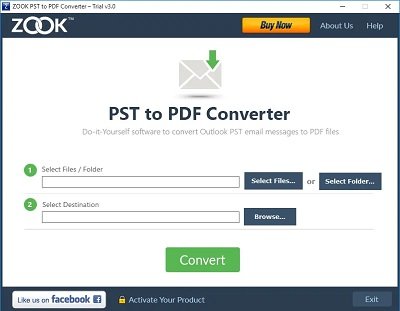
The EmailsGuru PST to PDF Converter is a powerful tool designed to easily export Outlook PST emails to PDF with attachments. Unlike other conversion tools that can be difficult to use or unreliable, this tool is user-friendly, fast, and offers a range of customization options. Whether you need to convert a single email, a batch of emails, or an entire PST file, this tool can handle it efficiently without compromising the quality or structure of the original emails. Here are few steps to convert Outlook PST emails to PDF:

  1. Download and Install EmailsGuru PST to PDF Converter.
  2. Click on the “Add File” or “Add Folder” button to load your PST file into the application. You can either browse through your computer or drag-and-drop the PST file into the software.
  3. Choose the output location where the PDF files will be saved.
  4. Once all settings are configured, click on the “Convert” button to begin the process.

Features of EmailsGuru PST to PDF Converter

Batch Conversion: Convert multiple PST files or emails at once, saving time and effort.

Selective Export: Choose which specific emails, folders, or attachments to export to PDF.

Preserve Original Formatting: The converter retains the original layout, including the email structure, font, and images.

Attachment Handling: Attachments are exported as part of the PDF, either embedded or as separate files.

Easy to Use: The user-friendly interface ensures that anyone, regardless of technical skill, can use the tool to convert PST to PDF.

No Outlook Required: You don’t need to have Outlook installed on your machine to use this tool. The software works independently.

Free Trial: Before purchasing, you can try the tool for free with limited features to see if it suits your needs.

Conclusion

By following the simple steps outlined above, you can easily export Outlook PST emails to PDF, ensuring they are portable, shareable, and secure. The PST to PDF Converter is an excellent tool for anyone looking to convert Outlook data to PDF. Its powerful features, ease of use, and fast performance make it the perfect choice for individuals, businesses, and legal professionals.

In today’s digital era, healthcare providers are increasingly relying on technology to enhance patient care, streamline administrative processes, and maintain accurate medical records. One of the most important tools in modern healthcare is Electronic Health Record (EHR) software. A robust EHR system not only stores patient information digitally but also optimizes the workflow of clinics and hospitals, allowing healthcare providers to deliver safer, faster, and more efficient care.

However, not all EHR software is created equal. Choosing the right platform can be challenging, especially with the variety of solutions available on the market. To help healthcare organizations make informed decisions, this article highlights seven key features every powerful EHR software should have.

1. Intuitive User Interface and Ease of Use

An EHR system is only effective if healthcare providers can use it efficiently. A user-friendly interface is crucial for reducing the learning curve and ensuring that staff can navigate the system without unnecessary frustration.

Powerful EHR software should have a clean dashboard, clearly labeled menus, and quick access to frequently used features such as patient records, lab results, and appointment schedules. Intuitive design not only improves workflow but also minimizes errors caused by misclicks or incorrect data entry. For busy clinics, where every second counts, an easy-to-use system enhances overall productivity and patient satisfaction.

2. Comprehensive Patient Records Management

At the core of any EHR system is its ability to store and manage patient information efficiently. A robust EHR should allow healthcare providers to record complete medical histories, including past diagnoses, medications, allergies, immunizations, and family medical history.

Additionally, the system should support integration with laboratory results, imaging reports, and referral notes. Having a comprehensive view of a patient’s health in one centralized location enables clinicians to make informed decisions, reduce medical errors, and provide personalized care. The easier it is to access detailed patient information, the faster and more effective the treatment.

3. Secure Data Storage and Compliance Features

Patient data security is non-negotiable in healthcare. EHR software must include advanced security measures such as encryption, user authentication, and role-based access controls to protect sensitive medical information from unauthorized access.

Furthermore, compliance with local and international healthcare regulations, such as HIPAA, GDPR, or local data protection laws, is essential. EHR platforms should have built-in features to track data access, maintain audit trails, and ensure that all patient information is handled securely. Clinics that prioritize security can protect both their patients and their reputation.

4. Seamless Integration with Other Healthcare Systems

Modern healthcare involves collaboration among multiple providers, laboratories, pharmacies, and insurance companies. A powerful EHR system should integrate smoothly with third-party applications, such as lab management software, pharmacy systems, billing platforms, and diagnostic tools.

Integration ensures that all critical data flows seamlessly between different systems, reducing duplication, minimizing errors, and speeding up clinical decision-making. For example, lab results uploaded directly to a patient’s record allow doctors to review and act on findings immediately, improving patient outcomes and operational efficiency.

5. Customizable Templates and Workflow Automation

Healthcare practices vary in size, specialty, and workflow. A one-size-fits-all approach rarely meets the needs of diverse clinics. EHR software should offer customizable templates for patient notes, prescriptions, and diagnostic reports.

Additionally, workflow automation is a key feature for increasing efficiency. Automated reminders for appointments, follow-ups, medication refills, or preventive screenings reduce administrative burdens and improve patient adherence to treatment plans. These features free up staff to focus on patient care rather than repetitive administrative tasks.

6. Advanced Analytics and Reporting

Data-driven insights are transforming healthcare management. A robust EHR system should include analytics and reporting tools that help clinics track performance metrics, monitor patient outcomes, and identify areas for improvement.

For example, clinics can analyze trends in chronic disease management, track patient satisfaction scores, or monitor billing efficiency. These insights allow healthcare providers to make strategic decisions, improve care quality, and optimize resource allocation. In addition, real-time reporting supports compliance audits and internal quality assessments.

7. Patient Portal and Engagement Tools

Patient engagement is a critical aspect of modern healthcare. EHR software should include a patient portal where individuals can access their health records, schedule appointments, view lab results, and communicate with their healthcare providers.

These portals empower patients to take an active role in their healthcare journey, increasing transparency and trust. Features such as appointment reminders, educational resources, and secure messaging improve the overall patient experience and encourage adherence to prescribed treatments.

Conclusion

Selecting the right EHR software can significantly impact the efficiency, accuracy, and quality of care in any healthcare setting. Clinics and hospitals that invest in comprehensive, secure, and user-friendly platforms can improve patient satisfaction, reduce administrative burdens, and enhance clinical decision-making.

A truly powerful EHR system must combine intuitive interfaces, comprehensive patient-record management, robust security, seamless integrations, customizable workflows, advanced analytics, and patient-engagement tools. Platforms like Instacare.com.pk are designed to meet these demands, providing healthcare providers with a solution that supports both operational efficiency and superior patient care. By leveraging a high-quality EHR Software, clinics can deliver better, faster, and more personalized experiences to every patient they serve.