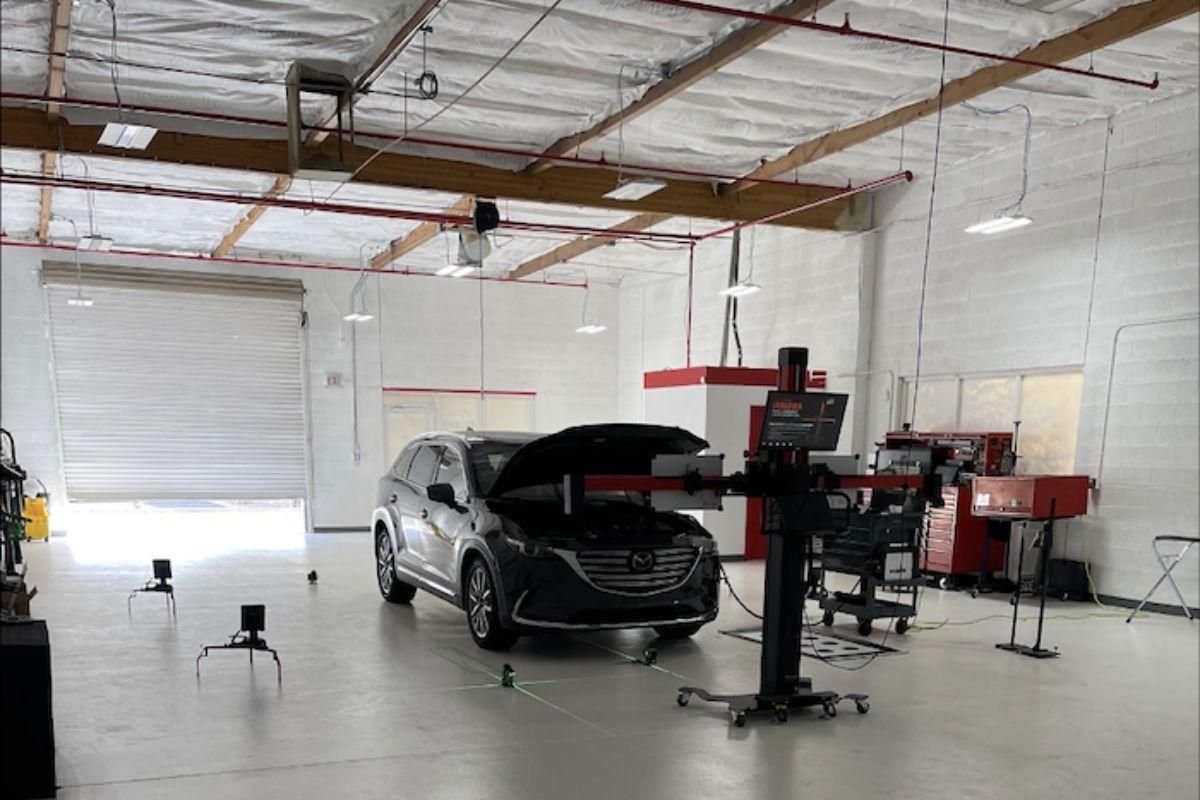
Windshield replacement restores clear visibility and structural support for a vehicle, but modern vehicles include technology connected to the windshield area. Many driver assistance systems rely on cameras installed behind the glass to observe road conditions and assist the driver. A small change in the windshield position can alter the camera’s viewing angle and reduce system accuracy. Professional calibration from an ADAS Calibration Center restores correct alignment so safety systems continue to function as intended. Proper calibration protects the reliability of vehicle technology designed to assist drivers and reduce collision risks.
Comprehending ADAS Systems in Contemporary Automobiles
Advanced driver assistance systems support safer driving through sensors, cameras, and radar units. These technologies monitor the road environment and provide alerts or automatic responses during potential hazards. Forward-facing cameras play a major role because they detect lane markings, nearby vehicles, and road signs. The camera is usually mounted behind the windshield to maintain a clear view of the road. Accurate alignment allows the system to process road data correctly. Any disruption in this positioning can influence how the system interprets driving conditions and responds to possible risks.
Why Windshield Replacement Affects Vehicle Sensors
Windshields used in vehicles with safety technology include brackets designed to hold cameras and sensors in a fixed position. Replacing the windshield introduces small variations during installation, even with professional fitting. A change of a few millimeters can shift the camera’s perspective and affect how it reads road information. This shift may influence distance calculations, lane detection accuracy, or traffic sign recognition. Calibration adjusts the sensor and camera alignment to match the exact measurements required by the vehicle manufacturer.
Key Safety Features That Require Calibration
Several safety features rely on cameras mounted near the windshield. Calibration ensures these features continue working accurately after a windshield replacement. Detects lane markings and alerts the driver when the vehicle moves outside the lane without signaling. Monitors traffic ahead and warns the driver about possible collisions. Applies braking support during a high risk of impact. Identifies speed limits and road signs to inform the driver. Maintains a consistent distance from vehicles ahead.
Types of ADAS Calibration After Windshield Replacement
Vehicle manufacturers use different calibration methods depending on the design of the safety system. Static calibration takes place inside a workshop environment using alignment tools and printed targets. Technicians position the vehicle at precise distances and adjust the camera using diagnostic equipment. Dynamic calibration requires the vehicle to be driven under specific conditions so the system can observe road markings and environmental details. Many vehicles require both procedures to achieve proper sensor alignment and restore the accuracy of safety systems.
Step-by-Step ADAS Calibration Process
Professional calibration involves multiple steps designed to ensure accurate sensor performance and proper communication between vehicle systems.
- Step 1 – Vehicle Diagnostic Check – Technicians scan the vehicle system to detect sensor errors or warning codes.
- Step 2 – Windshield and Camera Inspection – Camera mounts and installation alignment are checked carefully.
- Step 3 – Calibration Setup – Specialized targets and measuring tools are placed according to manufacturer’s instructions.
- Step 4 – Camera Adjustment – Technicians perform static or dynamic calibration to correct sensor positioning.
- Step 5 – System Verification – Final testing confirms that all driver assistance features operate correctly.
Risks of Skipping ADAS Calibration
Skipping calibration may cause vehicle safety systems to function inaccurately. Cameras that are not aligned properly can misinterpret lane markings or road distance. Drivers may receive warnings too early, too late, or not at all. Incorrect system responses reduce the effectiveness of features designed to prevent accidents. Drivers may also notice unexpected braking alerts or inconsistent lane assist behavior. Calibration ensures that the vehicle processes road information correctly and that safety systems deliver accurate responses during real driving situations.
Signs That Calibration May Be Needed
Drivers often notice certain indicators that suggest calibration is required after windshield installation. Dashboard messages related to driver assistance systems are common signs. Some vehicles display alerts that indicate camera alignment is needed. Lane assist features may stop responding or operate inconsistently during highway driving. Unusual warnings related to collision detection or braking support may also appear. These signs indicate that the camera may not be aligned correctly and should be inspected by professional technicians.
Professional Calibration Ensures Accurate Results
Accurate calibration requires specialized tools, trained technicians, and controlled measurement procedures. Calibration centers follow manufacturer instructions to align sensors precisely with vehicle specifications. Diagnostic equipment measures camera angles and system communication to ensure reliable performance. Technicians also perform verification tests to confirm the system recognizes lane markings and vehicles correctly. Professional calibration protects the performance of driver assistance technology and helps maintain the reliability of advanced safety systems that support modern driving.
The Role of Accurate Calibration in Driver Safety
Driver assistance systems provide valuable support during everyday driving situations. These technologies monitor the road, detect hazards, and assist drivers with warnings or automatic actions. Proper calibration ensures that these systems interpret road conditions correctly. Misaligned cameras may reduce the effectiveness of collision alerts or lane monitoring systems. Calibration restores correct positioning and ensures the system processes road data accurately. Reliable safety systems help drivers react faster and maintain better control during unexpected situations.
Long-Term Benefits of Proper Calibration
Correct calibration supports the long-term reliability of vehicle safety technology. Accurate sensors reduce the chance of system errors and maintain consistent performance during daily driving. Drivers benefit from dependable alerts and improved confidence in their vehicle’s safety features. Proper calibration also supports compliance with manufacturer requirements and maintains system integrity after repairs. Regular calibration after windshield replacement protects advanced technology and ensures the vehicle continues to deliver the safety benefits designed by the manufacturer.
Conclusion
Windshield replacement affects more than the glass installed in a vehicle. Modern vehicles depend on cameras and sensors connected to the windshield area for several safety functions. Even a small change in camera alignment can influence how these systems interpret road conditions. Calibration restores the correct positioning of sensors and confirms accurate system performance. Professional calibration ensures that advanced driver assistance features operate reliably, helping drivers maintain safer control and reducing risks during everyday driving.
FAQs
Why is ADAS calibration required after windshield replacement?
Calibration restores the correct camera alignment so driver assistance systems can detect road conditions accurately.
How long does windshield calibration usually take?
Calibration usually takes between 30 minutes and 2 hours depending on the vehicle model and calibration type.
Can ADAS systems work without calibration?
Safety systems may produce inaccurate warnings or fail to detect hazards if calibration is skipped.
Do all vehicles require calibration after windshield replacement?
Vehicles equipped with camera-based driver assistance systems usually require calibration after glass replacement.
What happens if the camera behind the windshield is misaligned?
Misalignment may cause incorrect lane detection, delayed collision alerts, or inconsistent safety system performance.