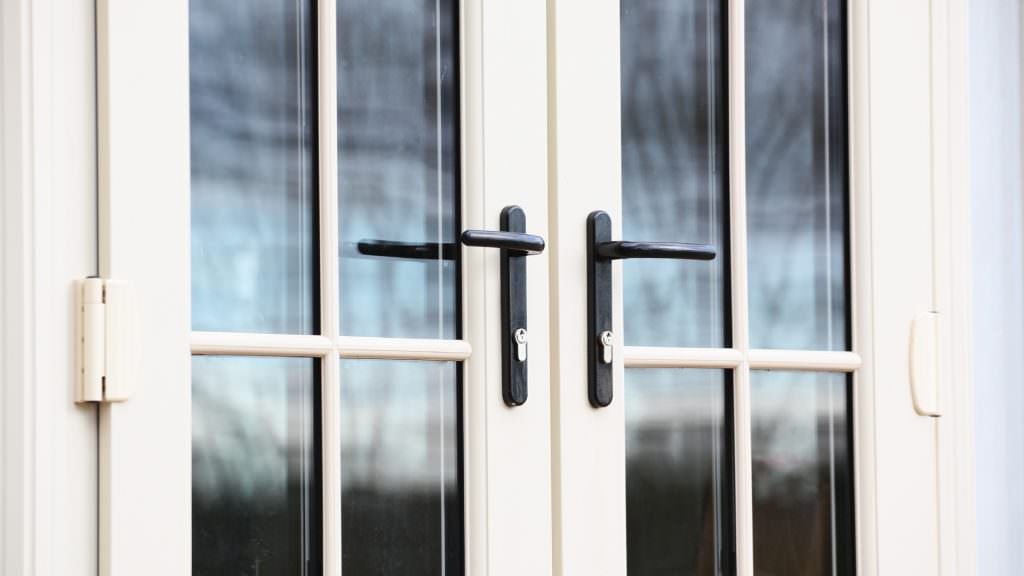
Door handles, most of us picture simple pieces of metal or plastic, silently performing their basic function: opening and closing doors. Yet in the United Kingdom, door handles are far more than mere functional hardware.
They are an essential part of architectural identity, cultural symbolism, and even social etiquette. From the classic Victorian brass handles to the modern minimalist designs seen in contemporary homes, British door handles reveal much about history, style, and societal values.
A Legacy of Design
British door handles carry a design legacy that reflects centuries of architectural evolution. During the Victorian era, the Industrial Revolution transformed both manufacturing and domestic life. Mass production allowed for intricate designs that were once only possible through handcrafting.
Ornate brass handles adorned with floral motifs and geometric patterns became common in middle-class homes, signaling not just aesthetic taste but also social status.
This focus on aesthetics persists even today. Modern British design often emphasizes blending form with function. Minimalist handles in chrome or matte black finish are common in new builds, reflecting contemporary values of simplicity and elegance.
Unlike handles that are purely functional, British door handles often serve as statements, complementing the home’s architectural style and giving a subtle sense of personality to an otherwise overlooked object.
Material and Craftsmanship
The choice of materials in British door handles also reflects both practicality and cultural preference. Brass, bronze, stainless steel, and nickel have been favored for decades due to their durability and aesthetic appeal. Brass, in particular, has a storied history in the UK; not only does it offer a warm, inviting look, but it is also resistant to corrosion, making it ideal for both interior and exterior use.
Hand-finished handles remain a niche but cherished market. Skilled artisans can create bespoke pieces that elevate the door handle from a utility item to a miniature work of art. These handles often feature engravings, inlays, or unique patinas, turning each handle into a conversation starter. In a society that values subtlety and understatement, such craftsmanship demonstrates a commitment to quality that goes beyond mere functionality.
Symbolism and Social Etiquette
In Britain, door handles also carry symbolic and social meaning. The simple act of opening a door has historically been tied to notions of hospitality, privacy, and even status. Polished brass handles at the entrance of a home might subtly signal the homeowner’s attention to detail and social standing. Conversely, simple wooden or painted handles on interior doors often reflect modesty or a practical approach to domestic life.
The etiquette surrounding doors is also significant. In British culture, the way one handles doors—knocking before entering, using handles with care, closing doors quietly—reflects manners and respect for others. Thus, the door handle is not merely an object; it becomes an instrument of social interaction, guiding behavior and facilitating civility.
Innovation Meets Tradition
While rooted in tradition, door handles are not static. The UK has been at the forefront of incorporating innovative mechanisms and designs. Ergonomic handles, lever-action mechanisms, and even touchless solutions are increasingly common, especially in commercial and public buildings. What makes British innovation distinct is its sensitivity to context: new designs often respect historical aesthetics while improving functionality.
For example, heritage buildings undergoing renovation might retain original handle designs but integrate modern locking mechanisms or anti-bacterial coatings. This approach ensures that even as technology evolves, the cultural and historical essence of British architecture remains intact.
Door Handles as Cultural Artifacts
Beyond their practical and aesthetic roles, British door handles can be considered cultural artifacts. A glance at handles in different regions reveals local tastes and historical influences. In London’s Georgian townhouses, you might find simple but elegant brass handles, often accompanied by matching keyplates. In contrast, rural cottages in the Cotswolds favor rustic iron handles that complement timber doors and countryside charm.
Collectors and historians often study door handles to trace architectural trends and societal shifts. The evolution of designs, materials, and finishes tells a story about the changing needs and values of British society. A small, understated handle can therefore offer insight into craftsmanship, social hierarchy, and aesthetic preferences of its time.
Psychological Impact
It may seem surprising, but door handles also affect how people feel in a space. A solid, well-crafted handle conveys security and reliability, offering reassurance in both homes and workplaces. Smooth, polished surfaces feel pleasing to the touch, contributing to a subtle sense of luxury and care. In contrast, worn or poorly designed handles can evoke discomfort or neglect.
This psychological aspect is particularly relevant in public spaces such as hotels, museums, or office buildings, where first impressions matter. British designers often consider the tactile experience as much as the visual impact, ensuring that even the simplest interaction—turning a handle—leaves a positive impression.
Sustainability and Longevity
In recent years, there has been growing attention to sustainability in British home design, and door handles are no exception. High-quality handles are designed to last decades, reducing waste and the need for frequent replacement. Brass and stainless steel handles can be polished and maintained for generations, in contrast to cheaper alternatives that may corrode or break.
Sustainable production practices also play a role. Many British manufacturers now use responsibly sourced metals and environmentally friendly finishing processes. This aligns with broader societal trends toward conscious consumption and reflects a commitment to creating objects that are beautiful, functional, and enduring.
Conclusion
British door handles are far more than utilitarian fixtures. They are design statements, cultural symbols, and touchpoints of social etiquette. From the ornate brass handles of Victorian homes to the sleek, modern designs of contemporary architecture, these small objects embody a fascinating blend of tradition, innovation, and artistry. They tell stories about history, reflect societal values, and even influence human behavior and perception.