Dubai is globally renowned for its modern skyline, luxury shopping, and iconic attractions, but beneath the glitz lies a city rich in heritage and culture. To truly understand Dubai, a traditional city tour offers an immersive glimpse into its history, customs, and local life. MVP Traveling provides expertly guided tours that allow visitors to explore the cultural heart of the emirate. From historic districts to bustling markets and scenic waterways, here are the top 10 highlights of a Dubai Traditional Tour that you simply cannot miss.
1. Al Fahidi Historical District
The journey begins in the Al Fahidi Historical District, one of Dubai’s oldest neighborhoods. Walking through its narrow lanes lined with restored wind-tower houses, visitors witness traditional Emirati architecture firsthand. These structures, built over a century ago, were designed to keep homes cool in the desert heat. MVP Traveling guides provide rich historical context, explaining the daily life of Dubai’s early residents and the evolution of the city from a modest fishing village to a global hub.
2. Dubai Museum
Located in the Al Fahidi Fort, the Dubai Museum is a treasure trove of artifacts and exhibits that bring the emirate’s history to life. From Bedouin culture and pearl diving to trade and maritime history, the museum offers a detailed overview of Dubai’s journey through time. The interactive displays help visitors of all ages connect with the local heritage, making it a must-visit stop on any traditional tour.
3. Abra Ride on Dubai Creek
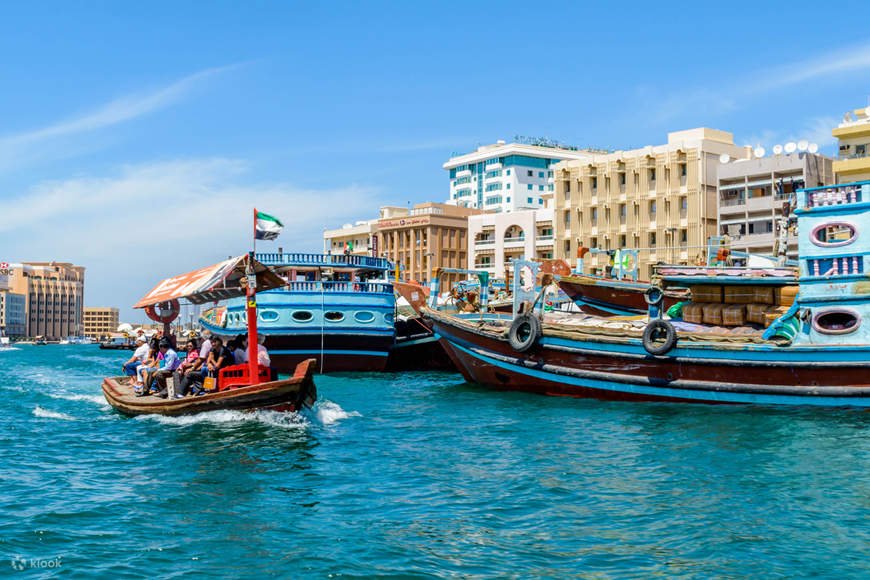
A traditional abra ride on Dubai Creek is an unforgettable experience. These wooden boats, once the primary mode of transportation for traders, glide across the water while offering views of the city’s old neighborhoods. Passing by bustling docks and observing local trade, visitors get a real sense of how the creek shaped Dubai’s economy and daily life. MVP Traveling ensures every visitor enjoys this iconic and historically significant experience.
4. Gold Souk
The Gold Souk in Deira is one of Dubai’s most famous traditional markets. Shimmering displays of gold jewelry line the narrow streets, providing a vibrant and colorful shopping experience. Beyond the shopping, the souk reflects Dubai’s rich history of craftsmanship, trade, and commerce. Visitors can learn about the significance of gold in Emirati culture and witness expert jewelers at work.
5. Spice Souk
Adjacent to the Gold Souk, the Spice Souk offers an aromatic journey through Dubai’s culinary heritage. Rows of spices, herbs, and traditional medicines fill the air with intoxicating scents. From saffron and cardamom to dried fruits and teas, visitors experience the flavors that have been central to Emirati cuisine for centuries. The market demonstrates how trade has historically connected Dubai to regions across Asia and the Middle East.
6. Textile Souk
For a vibrant cultural experience, the Textile Souk showcases colorful fabrics, traditional garments, and handcrafted textiles. Visitors can explore stalls selling silk, cotton, and embroidered pieces while learning about traditional Emirati dress. This stop provides insight into local fashion history and the artistry involved in creating handmade fabrics.
7. Sheikh Saeed Al Maktoum House
This historical building, once the residence of Dubai’s ruler, offers a fascinating glimpse into royal life and the governance of the city in the early 20th century. Exhibits include photographs, documents, and artifacts that reveal the social and political history of Dubai. MVP Traveling guides provide in-depth explanations to ensure visitors fully understand the significance of this landmark.
8. Bastakiya Quarter
The Bastakiya Quarter is a preserved heritage area known for its traditional wind-tower architecture and narrow alleyways. Visiting this district allows travelers to experience the charm of old Dubai while appreciating its architectural ingenuity. Art galleries, cafés, and cultural centers within Bastakiya also provide opportunities for interactive learning about Emirati culture.
9. Local Cuisine Experience
A traditional Dubai tour is incomplete without tasting authentic Emirati dishes. Visitors can sample delicacies such as machboos, luqaimat, and shawarma, gaining insight into the flavors and cooking traditions that have shaped the local diet for generations. Food tasting is often accompanied by explanations of the cultural significance of each dish, making it both a delicious and educational experience.
10. Heritage & Cultural Centers
Many tours include visits to heritage and cultural centers, where artisans demonstrate traditional crafts like pottery, weaving, and calligraphy. These interactive experiences allow visitors to connect with Emirati culture firsthand, offering a deeper understanding of the skills, traditions, and creativity that define the city’s heritage.
Conclusion: A Journey Through Time
The Dubai Traditional Tour offers a comprehensive exploration of the city’s history, architecture, markets, cuisine, and cultural practices. Each highlight, from the historic districts and bustling souks to the scenic abra rides and interactive cultural experiences, brings travelers closer to understanding the essence of Emirati culture. Guided by MVP Traveling, visitors gain authentic insights, historical context, and memorable experiences that go beyond ordinary sightseeing. For those looking to immerse themselves fully in Dubai’s rich heritage, booking the Best Dubai Traditional City Tour ensures a journey that is both educational and unforgettable.