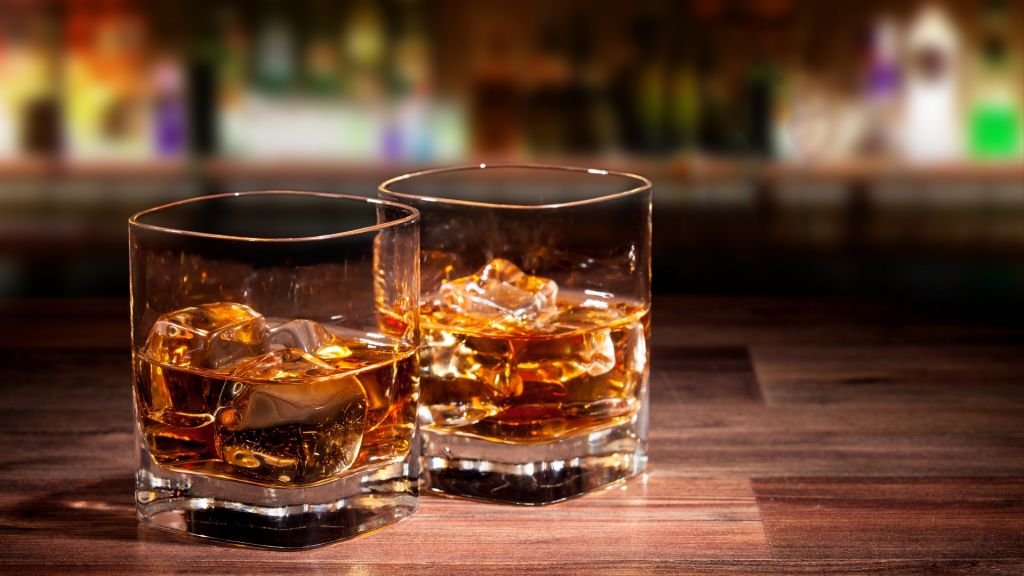
Alcohol-free spirits have rapidly evolved from niche alternatives to mainstream beverages, and among them, whiskey-style drinks are gaining particular attention. The growing demand for non alcoholic whiskey has pushed food scientists and flavor chemists to recreate one of the most complex spirits in the world, without ethanol.
This challenge is not just about removing alcohol; it is about rebuilding flavor architecture from the ground up.
Understanding how alcohol-free whiskey achieves its taste requires exploring the chemistry of flavor, the role of aging, and the sensory science behind how we perceive whiskey in the first place.
The Role of Ethanol in Traditional Whiskey
In traditional whiskey, ethanol does far more than provide intoxication. It acts as a solvent, carrying and releasing aromatic compounds that define whiskey’s character. These include notes of vanilla, caramel, smoke, oak, spice, and fruit esters.
Ethanol also influences mouthfeel. It creates warmth and a slight burning sensation that many people associate with whiskey quality. Without alcohol, replicating this sensation becomes one of the hardest scientific challenges in crafting non alcoholic whiskey.
Food scientists must therefore replace both the functional and sensory roles of ethanol using alternative ingredients and techniques.
Flavor Chemistry: Rebuilding Complexity
Whiskey contains hundreds of volatile compounds. These are created during fermentation, distillation, and aging in oak barrels. When producing alcohol-free versions, manufacturers rely on controlled extraction, distillation of botanicals, and flavor recombination.
Key flavor families include:
- Vanillin compounds from oak aging
- Lactones contribute coconut and woody notes
- Phenolics are responsible for the smoke and spice
- Esters create fruity undertones
- Caramelized sugars add sweetness and body
To replicate these, flavorists often use natural extracts from toasted wood, spices, and herbs. These ingredients are carefully blended to mimic the layered profile expected in whiskey.
The goal of non alcoholic whiskey is not to copy ethanol-based whiskey exactly, but to recreate its sensory illusion in a balanced and enjoyable form.
The Science of Barrel Aging Without Alcohol
One of the most iconic parts of whiskey production is barrel aging. In traditional spirits, whiskey matures for years as it interacts with charred oak barrels, extracting flavor compounds and undergoing slow oxidation.
Without alcohol, this process behaves differently. Water-based or low-alcohol solutions extract compounds at a different rate and intensity. To simulate aging, producers use advanced techniques such as:
1. Oak Stave Infusion
Instead of long-term barrel aging, toasted oak staves are steeped in liquid. This accelerates the release of lignin and hemicellulose breakdown products, producing vanilla and caramel notes.
2. Ultrasonic Aging
Sound waves are used to agitate liquid and speed up extraction from wood. This technique helps simulate months or years of maturation in a shorter time.
3. Micro-oxygenation
Carefully controlled oxygen exposure allows subtle oxidation reactions that contribute to complexity and depth.
These methods help create the depth expected from whiskey, even in non alcoholic whiskey formulations.
Aroma Engineering and Sensory Perception
Aroma is the most important factor in whiskey perception. Studies show that up to 80% of what we “taste” is actually smell.
Flavor scientists design alcohol-free whiskey aromas using headspace analysis and gas chromatography to identify key volatile compounds in traditional whiskey. These are then reconstructed using natural aroma compounds.
Common aroma-building blocks include:
- Smoky phenols (for peat-like character)
- Sweet vanillin (for oak sweetness)
- Nutty aldehydes (for roasted depth)
- Spicy compounds like eugenol (for warmth)
Because alcohol normally helps volatilize these compounds, non alcoholic whiskey must rely on alternative carriers such as glycerin, glycerol, or plant-based emulsions to deliver aroma effectively.
Mouthfeel: The Missing Burn
One of the defining traits of whiskey is its warming sensation. Without ethanol, this effect must be recreated artificially through texture and sensory stimulation.
Producers use several approaches:
Viscosity enhancement
Plant-based glycerin and natural gums are used to create a thicker mouthfeel, simulating the body of whiskey.
Spicy botanical blends
Ingredients like ginger, cinnamon, and capsicum extracts create a gentle warming sensation on the palate.
Carbonation control
Some formulations subtly adjust carbonation or micro-bubbling effects to mimic the sharpness of alcohol.
These techniques help non alcoholic whiskey feel more authentic, even without ethanol’s physiological effects.
Sweetness Balance and Sugar Perception
Whiskey naturally contains minimal sugar, but barrel aging produces compounds that taste sweet. In alcohol-free versions, balancing sweetness is crucial to avoid a soda-like profile.
Scientists use a combination of:
- Natural caramel colorants (for visual depth)
- Low-calorie sweeteners or plant extracts
- Bitter compounds to counterbalance sweetness
The interaction between bitterness and sweetness is carefully calibrated to mimic aged whiskey complexity.
This balance is essential for making non alcoholic wine feel mature rather than juvenile or overly sweet.
Flavor Layering and Temporal Release
One of whiskey’s most fascinating properties is how its flavors evolve as you drink it. The first sip may taste smoky, followed by sweet vanilla and ending in a dry spice finish.
To replicate this, flavor chemists design “layered release systems.” These ensure different compounds activate at different times during consumption.
For example:
- Fast-release aromas: citrus, light smoke
- Mid-palate compounds: vanilla, oak, caramel
- Slow-release notes: spice, bitterness, woody dryness
This temporal flavor design is what gives modern free alcoholic whiskey its sophistication and realism.
Psychological Influence on Taste
Taste is not purely chemical—it is also psychological. Color, bottle design, glassware, and expectation all influence flavor perception.
Amber coloring, heavy glass bottles, and whiskey-style labeling help prime the brain to expect whiskey-like sensations. This cognitive framing enhances the overall drinking experience.
Even without alcohol, consumers often report feeling a “whiskey-like” satisfaction due to these psychological cues.
The Future of Alcohol-Free Whiskey Innovation
The future of alcohol-free spirits is moving toward even greater precision. Emerging technologies include:
- AI-driven flavor modeling
- Precision fermentation for aroma molecules
- Advanced botanical extraction techniques
- Personalized flavor customization systems
As these innovations develop, free alcoholic whiskey will likely become even closer in complexity to traditional whiskey while remaining accessible to non-drinkers, health-conscious consumers, and those avoiding alcohol for personal or cultural reasons.
Conclusion
The creation of alcohol-free whiskey is a remarkable intersection of chemistry, sensory science, and culinary artistry. By reconstructing flavor compounds, simulating aging processes, and carefully engineering aroma and mouthfeel, scientists are redefining what whiskey can be.
While it may never fully replicate the exact chemistry of ethanol-based spirits, modern non alcoholic whiskey offers a sophisticated alternative that captures much of the experience—flavor, aroma, and ritual—without the alcohol itself.