
In today’s automotive world, safety, comfort, and advanced technology are top priorities for both manufacturers and drivers. One essential component that plays a crucial role in achieving these goals is the car windscreen. Unlike older vehicles that often used tempered glass, modern cars are now equipped with laminated glass windscreens. This shift is not accidental—it reflects years of innovation focused on improving safety, durability, and driving experience.
Buy high-quality Car Windscreen Wipers to ensure clear visibility in all weather conditions. Durable, easy to install, and designed for smooth performance, they enhance driving safety while preventing streaks, noise, and poor windshield cleaning.
This article explores why laminated glass windscreens have become the industry standard and how they benefit modern vehicles.
What Is Laminated Glass?
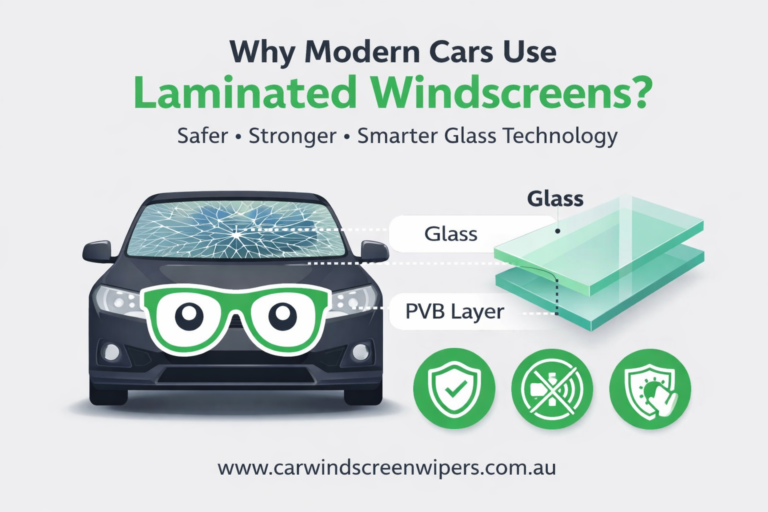
Laminated glass is a type of safety glass made by bonding two layers of glass with a thin plastic layer, usually polyvinyl butyral (PVB), sandwiched in between. This design ensures that even if the glass breaks, the fragments remain stuck to the plastic layer instead of shattering into dangerous pieces.
This structural composition is what makes laminated glass significantly safer and more reliable compared to traditional glass used in older vehicles.
Enhanced Safety for Drivers and Passengers
One of the primary reasons modern cars use laminated glass windscreens is safety. In the event of an accident, laminated glass does not shatter into sharp, flying shards. Instead, it cracks in a spiderweb pattern while staying largely intact.
This feature reduces the risk of serious injuries caused by broken glass. Additionally, it helps prevent passengers from being ejected through the front of the vehicle during a collision. The windscreen essentially acts as a protective barrier, adding an extra layer of security.
Structural Strength and Vehicle Integrity
Laminated windscreens contribute significantly to the structural strength of a vehicle. In modern car design, the windscreen is not just a transparent panel—it is an integral part of the car’s frame.
In case of a rollover accident, a laminated windscreen helps maintain the roof’s structural integrity, preventing it from collapsing easily. This added strength can be life-saving, as it protects occupants from severe injuries during extreme situations.
Better Protection Against External Impacts
Road debris such as stones, gravel, and other small objects can easily hit a car’s windscreen while driving. Laminated glass is designed to absorb and distribute the impact energy, reducing the likelihood of complete breakage.
While chips and cracks can still occur, laminated glass ensures that the damage remains localized rather than spreading instantly. This gives drivers more time to repair the damage before it becomes a serious problem.
Toyota Windscreen Wipers are designed to deliver reliable performance and clear visibility in various weather conditions. Built with durable materials and precision engineering, they ensure smooth and streak-free wiping. Genuine Toyota wiper blades fit perfectly, reduce noise, and provide consistent contact with the windshield for safer driving.
Improved Visibility and Clarity
Modern laminated windscreens are manufactured with high precision to provide excellent optical clarity. The layers are designed to minimize distortion, ensuring a clear and unobstructed view of the road.
This clarity is especially important for safe driving, as even slight visual distortions can affect depth perception and reaction time. Laminated glass helps drivers maintain better focus and awareness in various driving conditions.
Noise Reduction for a Comfortable Ride
Another major advantage of laminated glass windscreens is their ability to reduce noise. The plastic interlayer acts as a sound barrier, absorbing external noises such as traffic, wind, and road vibrations.
This results in a quieter cabin environment, making long drives more comfortable and less tiring. For modern vehicles, where comfort is a key selling point, this feature is highly valuable.
UV Protection and Interior Preservation
Laminated windscreens also offer protection against harmful ultraviolet (UV) rays. The interlayer blocks a significant portion of UV radiation, which helps protect passengers from sun exposure.
Additionally, it prevents the car’s interior components—such as the dashboard, seats, and upholstery—from fading or deteriorating over time. This not only enhances comfort but also helps maintain the vehicle’s resale value.
Support for Advanced Driver Assistance Systems (ADAS)
Modern cars are increasingly equipped with advanced technologies such as rain sensors, lane departure warning systems, and heads-up displays (HUDs). These features often rely on sensors and cameras mounted on or near the windscreen.
Laminated glass provides a stable and consistent surface for these technologies to function accurately. Its uniform structure ensures that sensors can operate without interference, enabling safer and smarter driving experiences.
Increased Security Against Theft
Laminated windscreens are also more resistant to forced entry. Unlike tempered glass, which can shatter quickly upon impact, laminated glass requires sustained force to break through completely.
This makes it more difficult for thieves to gain access to the vehicle, adding an extra layer of security. While not completely theft-proof, it significantly increases the effort required to break in.
Environmental and Economic Benefits
Although laminated glass windscreens may seem more expensive initially, they offer long-term economic benefits. Their durability reduces the frequency of replacements, saving money over time.
From an environmental perspective, fewer replacements mean less waste generated. Additionally, modern manufacturing processes are becoming more sustainable, further reducing the environmental impact of laminated glass production.
Compliance with Safety Regulations
Many countries have strict safety regulations that require the use of laminated glass for car windscreens. These standards are designed to protect drivers and passengers by minimizing injuries during accidents.
Automobile manufacturers must comply with these regulations, making laminated glass the default choice for modern vehicles. This ensures a consistent level of safety across different models and brands.
Conclusion
The widespread use of laminated glass windscreens in modern cars is the result of continuous advancements in automotive safety and technology. From preventing injuries and enhancing structural integrity to improving comfort and supporting advanced features, laminated glass offers a wide range of benefits.
As vehicles continue to evolve, the importance of reliable and high-performance materials like laminated glass will only grow. For drivers, this means safer journeys, greater comfort, and peace of mind on the road.
In essence, laminated glass windscreens are not just a design choice—they are a critical component that reflects the modern automotive industry’s commitment to safety, innovation, and overall driving excellence.