
In modern manufacturing and industrial environments, welding is one of the most critical processes. From automotive production to heavy machinery and precision fabrication, welding ensures structural strength and product reliability. However, with high heat, intense electrical energy, and cooling systems involved, welding operations also carry significant risks.
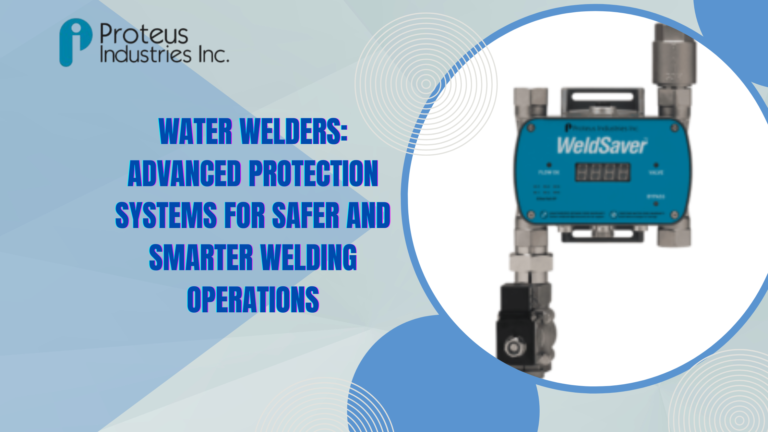
This is where water welders and advanced weld protection systems play a powerful role. These systems are designed to monitor, control, and protect welding equipment that uses water-cooled components. By preventing overheating, leaks, and equipment damage, they help companies maintain safety, reduce downtime, and improve overall productivity.
If your operation relies on resistance welding or water-cooled welding equipment, understanding water welders and their protection systems is essential for long-term performance and efficiency.
What Are Water Welders?
Water welders typically refer to welding systems that use water cooling to regulate heat during the welding process. In resistance welding, high electrical current generates intense heat. To prevent overheating and damage, electrodes and transformers are cooled using a continuous water flow system.
Without proper monitoring, issues such as low water flow, clogged lines, or leaks can quickly lead to:
- Overheated electrodes
- Expensive equipment failure
- Poor weld quality
- Production downtime
Water weld protection systems are designed to monitor these cooling systems in real time to ensure safe and efficient operation.
Why Water Cooling Is Essential in Welding
Resistance welding generates extreme temperatures within milliseconds. While this heat is necessary to create strong welds, it must be carefully controlled.
Water cooling systems help by:
- Removing excess heat from electrodes
- Maintaining consistent weld temperature
- Protecting transformers and cables
- Extending equipment lifespan
However, cooling systems themselves require monitoring. Even a small interruption in water flow can cause major damage. That is why advanced water weld monitoring solutions are critical in high-volume manufacturing environments.
The Risks of Poor Water Flow in Welding
When water flow decreases or stops, several problems can occur:
1. Electrode Damage
Overheating can cause electrodes to degrade quickly, affecting weld consistency and increasing replacement costs.
2. Weld Quality Issues
Inconsistent temperature control leads to weak welds, splatter, and structural defects.
3. Equipment Failure
Transformers and welding guns can suffer permanent damage if cooling systems fail.
4. Production Downtime
Unexpected breakdowns interrupt workflow and reduce operational efficiency.
Preventing these issues requires proactive monitoring rather than reactive repairs.
How Advanced Water Weld Protection Systems Work
Modern water weld protection systems use intelligent sensors to monitor water flow, temperature, and pressure in real time.
Key features often include:
- Flow sensors to detect insufficient water circulation
- Leak detection capabilities
- Automatic shutdown functions if unsafe conditions occur
- Alarm notifications for operators
- Data monitoring for performance tracking
By instantly identifying cooling problems, these systems protect both equipment and production schedules.
Benefits of Installing Water Weld Monitoring Systems
Investing in advanced protection systems offers several long-term advantages.
Improved Equipment Lifespan
Consistent cooling prevents overheating, extending the life of welding components.
Reduced Maintenance Costs
Early detection of issues minimizes expensive repairs and emergency service calls.
Enhanced Safety
Automatic shutdown features reduce fire hazards and electrical risks.
Better Weld Consistency
Stable operating temperatures improve weld quality and structural integrity.
Increased Productivity
Less downtime means smoother production flow and higher output.
For manufacturers focused on quality control and operational efficiency, these benefits are significant.
Industries That Rely on Water Weld Systems
Water-cooled welding systems are commonly used in:
- Automotive manufacturing
- Aerospace fabrication
- Appliance production
- Heavy equipment manufacturing
- Industrial metal fabrication
In high-volume environments, even minor cooling failures can disrupt large-scale operations. Advanced monitoring ensures reliability and performance.
The Role of Smart Welding Technology
Modern manufacturing is moving toward automation and smart monitoring. Water weld protection systems align with Industry 4.0 principles by integrating data tracking and automated responses.
Smart systems can:
- Monitor multiple weld stations simultaneously
- Record flow performance data
- Provide real-time alerts
- Support preventive maintenance strategies
This level of automation helps companies transition from reactive maintenance to predictive performance management.
Choosing the Right Water Weld Protection System
Not all systems offer the same level of protection. When selecting a solution, consider:
- Accuracy of flow monitoring
- Compatibility with existing welding equipment
- Ease of integration
- Alarm and shutdown features
- Reliability in high-demand environments
Working with an experienced manufacturer ensures the system meets your operational needs.
Preventive Maintenance and Long-Term Performance
Even with advanced monitoring, regular maintenance remains essential. Routine checks should include:
- Inspecting water lines for blockages
- Verifying flow sensor calibration
- Checking for leaks
- Cleaning filters and cooling components
Combining preventive maintenance with smart monitoring creates a powerful protection strategy.
Why Proactive Protection Is a Smart Investment
Many companies wait until equipment fails before upgrading protection systems. However, the cost of a single major breakdown can exceed the investment in preventive monitoring technology.
Proactive protection:
- Safeguards valuable equipment
- Reduces unexpected downtime
- Improves production reliability
- Protects company reputation
In competitive industries, efficiency and consistency directly impact profitability.
The Future of Water Weld Monitoring
As technology advances, water weld protection systems continue to become more precise and integrated. Future developments include:
- Enhanced digital dashboards
- Remote monitoring capabilities
- Cloud-based performance analytics
- Advanced predictive maintenance algorithms
These innovations will further strengthen manufacturing safety and operational efficiency.
Final Thoughts
Water welders and advanced protection systems play a vital role in modern welding operations. By ensuring consistent cooling, preventing overheating, and detecting issues before they escalate, these systems protect both equipment and productivity.
In industries where welding precision and reliability are essential, investing in intelligent water weld monitoring is not optional — it is strategic. Smart protection leads to safer operations, better weld quality, and long-term cost savings.
If your facility relies on water-cooled welding systems, now is the time to evaluate your protection strategy and upgrade to advanced monitoring solutions.
Call to Action
Protect your welding operations with reliable, advanced monitoring technology. Contact Proteus Industries today to learn how our innovative flow sensing and water weld protection solutions can improve safety, reduce downtime, and maximize performance in your facility. Take the next step toward smarter, safer welding operations now.