The Ultimate Guide to Travel Bags, Luggage, and Packing for Pakistani Travelers
Whether you’re heading out on a quick business trip or a long family vacation, choosing the right travel bag can make all the difference. In Pakistan and beyond, a sturdy, well-designed suitcase or backpack takes the stress out of your journey. JEEM Travel emphasizes that the right luggage not only protects your belongings but also makes travel smooth and enjoyable. In this guide, we’ll break down the key types of travel bags (suitcases, backpacks, duffels, etc.), explain hard-shell versus soft-shell suitcases, highlight important features to look for, and share smart packing tips. By the end, you’ll be ready to pick the perfect luggage and pack like a pro for your next trip.
Types of Travel Bags
Travel bags generally fall into a few broad categories. Wheeled suitcases (the familiar pull-behind luggage) are ideal for airports and paved routes. These come in carry-on and larger checked sizes, with sturdy construction for business travel, family vacations, or road trips. Travel backpacks (packs) are designed for mobility – they excel where wheels can’t, like cobblestone streets, stairs, or remote trails. Modern “travel packs” often include features like hip belts and lockable zippers, making them a great choice for adventure trips. Duffel bags (soft, cylindrical bags) offer one large open compartment. A basic shoulder-carried duffel is simple and flexible for bulky gear, while wheeled duffels add a pull-handle for convenience. For example, a rolling duffel provides much of the convenience of a suitcase with the spaciousness of a gym bag.
- Carry-On Travel Bags: Compact suitcases or backpacks made to fit in airline overhead bins. These are light and easy to maneuver, perfect for short trips or when you want to skip checked baggage fees.
- Checked/Full-Size Suitcases: Larger hard- or soft-shell cases that check in with the airline. They hold 20–30+ kg and are suited for longer vacations or family travel.
- Soft-Shell Luggage (Fabric Bags): Flexible bags made of nylon or polyester. They often have external pockets and can be squeezed into tight spaces. Softshell suitcases and duffel bags fall into this group.
- Backpacks & Duffel Bags: Versatile carry options for active trips. Backpacks with padded straps keep you mobile, while duffels (sometimes with wheels) handle oddly shaped gear. These are excellent for road trips or adventures where you might not need a rigid suitcase.
Each type serves different travel styles. Many Pakistani travelers keep one of each: a sturdy checked suitcase for long journeys, a smaller carry-on for short trips, and a backpack or duffel for weekend getaways or rugged travel.
Hard-Shell vs Soft-Shell Suitcases
A key decision is hard-shell versus soft-shell luggage. Hard-shell (rigid) suitcases are typically made of materials like polycarbonate, ABS plastic, or aluminum. They are highly durable, impact-resistant, and protect fragile items from getting squashed. They tend to be water-resistant and very easy to wipe clean. However, hard-shell cases are rigid – they can crack if handled roughly and usually have no exterior pockets for quick access. They also require more space when open and may scuff or dent with heavy handling.
Soft-shell suitcases use strong fabrics (often woven nylon or polyester). They are flexible and expandable, allowing you to overpack slightly and squeeze the bag into tight spots (like airplane bins). Most soft bags feature multiple exterior pockets for easy access to documents or chargers. They are generally lighter in weight and often less expensive than hard-shell cases. The trade-off is that soft-sided luggage offers less protection to delicate contents. Sharp objects can puncture the fabric, and heavy rain can seep through (unless treated).
In summary, hard-shell suitcases give maximum protection for electronics or souvenirs, while soft-shell bags give more flexibility and pockets for gear. Many travelers choose a combination: a hard carry-on for expensive items and a soft duffel or backpack for other gear. Pick the style that matches your needs – for example, “hard shell if you carry breakables; soft shell if you need extra pockets and weight flexibility”.
Key Features to Consider
When shopping for luggage, look beyond just style. Key features make a big difference on the road. Below are some top considerations:
- Durable Material: Choose high-denier fabrics or strong shells. Look for reinforced corners, sturdy stitching, and high-quality zippers. Hard-shell cases (polycarbonate or aluminum) provide rigidity, while premium fabrics (like ballistic nylon) resist tears.
- Wheels and Maneuverability: Decide between 2-wheel (traditional) or 4-wheel (spinner) designs. Two-wheel bags pull straight behind you and handle rough surfaces or curbs better, since the wheels are recessed. Four-wheel spinners swivel in any direction, making crowded airport aisles a breeze. Spinner suitcases roll upright beside you, but beware that they can drift on inclines if not locked.
- Weight: Lighter bags are easier to lift and less likely to exceed airline weight limits. Remember that wheels and frames can add weight (often about 5 lbs more than a comparable bag without wheels). If you’ll carry your luggage frequently (e.g., on bumpy roads or stairs), prioritize a lighter model.
- Size & Airline Compatibility: Ensure the bag meets your needs and airline rules. For carry-ons, typical international dimensions total around 45 linear inches (e.g., 22″×14″×9″). Always check your airline’s baggage policy in advance to avoid surprises or fees. For checked luggage, pick a size suited to your trip (JEEM Travel advises matching bag size to trip length). Avoid overbuying a too-large case – if it’s bigger than needed, you’ll likely fill it up and pay extra for weight.
- Compartments & Organization: Good internal dividers and exterior pockets make packing easier. For example, many travel backpacks include padded laptop sleeves or tablet pockets to protect electronics. Built-in organizer pouches hold passports, chargers, and small items for quick access. Some duffel bags even have removable shoulder straps or compression straps for stability. Think about your routine – a business traveler might prioritize a neat laptop compartment, while a hiker might want hydration pockets.
- Handles and Security: Check that handles extend smoothly and have comfortable grips. A telescopic handle with a solid locking mechanism is essential for wheeled luggage. Also, look for locking zippers or integrated TSA-approved locks to secure your bags. According to Samsonite, many quality hard-side suitcases now include built-in TSA locks for extra security. Even simple combination locks can deter casual theft.
Features like laptop sleeves and organizer pockets can transform a bag. As REI notes, “a dedicated laptop compartment that will pad and protect the device during transport is handy”. In the photo above, a traveler easily slides a tablet into the padded sleeve of a travel backpack. Many suitcases also have expandable sections and water-resistant linings to adapt to different loads and weather. In summary, match features to your itinerary: if you travel light and tech-heavy, pick a bag with gadget pockets; if you haul camping gear, focus on rugged fabric and ease of carrying.
Packing Tips
Smart packing is almost as important as good luggage. Here are some expert tips to pack efficiently and avoid headaches:
- Check Baggage Allowances: Before you start stuffing, know your limits. Pakistani airlines typically allow about 7 kg carry-on and 20–30 kg checked per passenger (depending on ticket class and airline). Even within Pakistan, rules vary, so confirm your flight’s baggage policy online. This way, you won’t face surprise overweight fees at the airport. A helpful practice is to invest in a portable luggage scale – weigh your loaded bag at home and make adjustments early.
- Choose the Right Size Bag: Pack only what fits your trip. JEEM Travel advises selecting luggage based on trip length – small carry-ons for short trips and larger suitcases for extended travel. REI also recommends avoiding a bag that’s too large, because extra space tempts you to overpack. In practice, smaller bags force you to limit yourself to essentials, which can actually simplify travel.
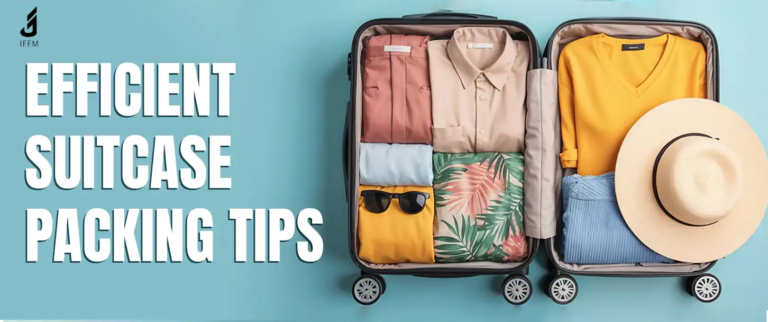
- Use Packing Cubes: These fabric compartments are a traveler’s friend. According to travel experts, packing cubes “are extremely efficient at keeping you organized”. Group clothes by category or outfit: e.g., one cube for shirts, one for pants, one for socks/underwear. Cubes compress your clothes, save space, and keep items neat (and dirty laundry separated) as you move. Even simple Ziploc bags can serve in a pinch, but reusable cubes are sturdier for multiple trips.
- Roll or Fold Smartly: How you fold can save space. As one expert notes, rolling pants and softer garments tends to reduce wrinkles and bulk, while folding thicker items (jeans, sweaters) flat can be more space-efficient. Use both methods: roll lightweight items and bulk up corners, fold heavy items. Position rolled items in gaps and corners to “lock” everything in place. Experiment to see what maximizes your suitcase’s capacity.
- Pack Essentials in Carry-On: Always keep important items with you in the cabin. This includes travel documents (passport, tickets), medication, a change of clothes, and valuables like jewelry or electronics. Also, follow security rules for liquids – keep bottles under 100 ml and in a clear bag to pass security. Having a small toiletry kit and a favorite scarf or jacket in your carry-on can turn an airport delay into a minor inconvenience.
By planning and staying organized, you’ll avoid stress at the airport and cruise through travel days.
Buying Advice for Pakistani Travelers
Shopping for luggage in Pakistan has become easier as demand grows. Pakistani travelers often look for bags that balance price and durability. As JEEM Travel notes, many buyers want budget-friendly bags that still stand up to tough use. With JEEM Travel’s online store, you can browse an array of styles and compare features easily.
When buying luggage online, follow these tips:
- Read Customer Reviews: Other travelers’ feedback is invaluable. Look for real reviews on product pages or forums to gauge quality and service. A well-reviewed bag is often worth the investment.
- Check Warranty and Support: Good luggage brands (including JEEM Travel) back products with a warranty (often 1–3 years). This can save you money if something breaks. Also, ensure there’s clear return or repair information (JEEM Travel provides easy return policies and local customer service).
- Compare Prices: Different sellers may offer different prices or combos. JEEM Travel frequently runs promotions or combo sales on luggage sets, so keep an eye out for bundle deals.
- Choose Wheels and Handles Wisely: For Pakistani travel, durable wheels and a strong handle are crucial – think about road trips or train rides with uneven loading. A telescoping handle and smooth-rolling spinner wheels can make moving through busy airport terminals or rough city streets much easier.
- Mind Local Airline Rules: As mentioned, pack light enough to meet Pakistani airline limits (7 kg cabin, ~30 kg checked on most routes). Overweight fees can be steep domestically. Also note: some budget airlines charge extra even for checking a bag. A smart move is to choose a lightweight carry-on to avoid checked bag fees on short trips.
By keeping these tips in mind – and shopping at places like JEEM Travel that specialize in travel gear – Pakistani travelers can find high-quality luggage without breaking the bank.
Conclusion
Choosing the right luggage and packing smartly will transform the way you travel. Now that you know the different bag types, material pros and cons, must-have features, and packing hacks, you’re ready to hit the road (or sky) with confidence. Be sure to browse JEEM Travel for expert travel tips and a wide selection of premium yet affordable bags and suitcases. Whether you need a new spinner suitcase, a travel backpack, or the latest packing accessories, JEEM Travel has you covered. Bon voyage and safe travels on every Pakistani adventure!