
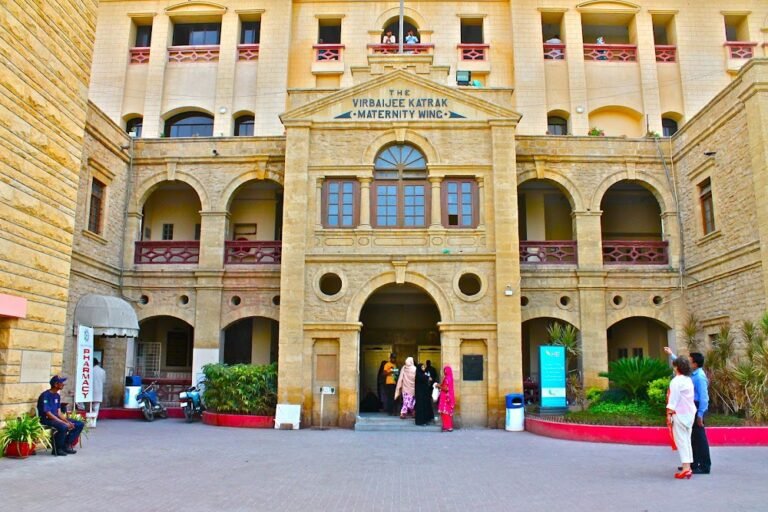
Shariah Certified Hospital: Providing Ethical Healthcare
In recent years, the healthcare sector in Pakistan has witnessed a growing trend of hospitals adopting ethical frameworks that align with Islamic principles. A Shariah Certified Hospital is one such institution that prioritizes ethical healthcare while adhering to Islamic law (Shariah). These hospitals integrate Shariah-compliant practices, ensuring that their services are in accordance with Islamic teachings, from the management of funds to medical treatments. Among the leading institutions offering such services, Lady Dufferin Hospital stands out as a prime example of a Shariah Certified Hospital committed to providing compassionate, ethical, and patient-centered care.
What is a Shariah Certified Hospital?
A Shariah Certified Hospital is a healthcare facility that operates under the guidelines and principles of Shariah law, ensuring that its medical practices, financial dealings, and patient care align with Islamic values. This includes offering services that respect the dignity and rights of patients, providing treatments that comply with halal (permissible) standards, and ensuring that financial transactions, including donations and payments, are conducted in a manner consistent with Islamic teachings.
In addition to providing medical care, Shariah Certified Hospitals also focus on offering services that promote the well-being of patients and the community. The use of Shariah-compliant pharmaceuticals, ethical billing practices, and the avoidance of harmful treatments are just some of the ways these hospitals maintain their commitment to Islamic values.
Key Features of a Shariah Certified Hospital
- Halal Medical Practices
One of the most important aspects of a Shariah Certified Hospital is the use of halal medical practices. This means that the hospital ensures that all medications, procedures, and treatments comply with Islamic law. For example, the use of pharmaceuticals or treatments derived from non-halal sources is avoided, and alternative treatments that align with Islamic guidelines are promoted. - Ethical Financial Transactions
A Shariah Certified Hospital ensures that its financial dealings are in accordance with Islamic principles. This includes avoiding interest (riba) in any financial transactions, ensuring that donations are handled transparently, and managing the hospital’s funds in a way that aligns with Shariah law. This ethical approach also extends to the billing system, ensuring that charges are fair and transparent. - Patient-Centered Care
In a Shariah Certified Hospital, the patient’s dignity and well-being are prioritized. The care provided is compassionate, respectful, and culturally sensitive, taking into account the values and needs of the individual. The hospital ensures that patient privacy is maintained, and that decisions regarding treatment are made with the patient’s informed consent, in line with Islamic ethics. - Incorporating Islamic Values into Healthcare
Shariah Certified Hospitals integrate Islamic values into their practices, ensuring that everything from the hospital environment to the staff interactions with patients reflects the principles of kindness, respect, and justice. This includes fostering a spiritual environment where patients can find comfort in Islamic teachings and practices, such as offering prayer facilities and spiritual support for patients and their families. - Training for Healthcare Providers
For a hospital to become Shariah certified, it requires healthcare providers, including doctors, nurses, and administrative staff, to undergo specific training in Shariah law and Islamic ethics. This ensures that all staff members are equipped to uphold the hospital’s values and operate within the boundaries of Islamic principles. The training focuses on understanding ethical issues, patient care from an Islamic perspective, and the management of Islamic finance in a healthcare setting.
Lady Dufferin Hospital: A Leading Example of Shariah Certified Healthcare
When discussing Shariah Certified Hospitals in Pakistan, Lady Dufferin Hospital in Karachi is often considered a leading example. This hospital has earned a reputation for offering healthcare services that align with Islamic ethics while providing top-quality care. Established in 1897, Lady Dufferin Hospital has long been a trusted name in healthcare, particularly for women and children.
The hospital’s commitment to Shariah-compliant healthcare is reflected in its ethical standards and practices. Lady Dufferin Hospital ensures that its operations are fully aligned with Islamic values by offering halal medical treatments and managing its finances in a Shariah-compliant manner. This commitment is evident in the hospital’s transparent billing practices, its use of halal medications, and its focus on providing patient-centered care. By following Shariah law, Lady Dufferin Hospital ensures that it meets both the spiritual and medical needs of its patients.
Benefits of Shariah Certified Hospitals
- Ethical and Transparent Healthcare
One of the main advantages of a Shariah Certified Hospital is the transparency it offers in all aspects of healthcare. From financial transactions to the treatment options provided, patients can trust that their care is being delivered in an ethical and transparent manner. This creates a sense of trust between patients and healthcare providers, leading to better patient outcomes and overall satisfaction. - Access to Halal Treatments
For many Muslims, the concept of halal treatments is essential. A Shariah Certified Hospital ensures that all medical treatments and procedures comply with Islamic principles. This includes using medications that do not contain prohibited substances and avoiding treatments that go against Islamic teachings. This provides peace of mind to Muslim patients, knowing that their healthcare is aligned with their religious beliefs. - Spiritual and Emotional Support
Beyond physical healthcare, Shariah Certified Hospitals provide spiritual and emotional support to patients. This is particularly important for individuals facing serious illnesses or health crises, as they may seek solace in their faith. These hospitals offer prayer facilities, spiritual counseling, and guidance that help patients and their families cope with their challenges from an Islamic perspective. - Enhanced Patient Trust and Satisfaction
By operating in a Shariah-compliant manner, hospitals build trust within the Muslim community, leading to enhanced patient satisfaction. Patients are more likely to seek care from institutions that align with their religious values, knowing that their healthcare decisions will be respected. This fosters a sense of community and mutual respect between healthcare providers and patients. - Promoting a Holistic Approach to Healthcare
Shariah Certified Hospitals adopt a holistic approach to healthcare that addresses not only the physical but also the spiritual and emotional well-being of patients. By integrating Islamic teachings into the treatment process, these hospitals provide a more comprehensive and compassionate healthcare experience.
The Future of Shariah Certified Hospitals in Pakistan
As the demand for ethical, patient-centered care continues to grow, the future of Shariah Certified Hospitals in Pakistan looks promising. More hospitals are expected to adopt Shariah-compliant practices to meet the needs of Muslim patients who prefer healthcare that aligns with their religious values. The government, along with private institutions, has a significant role to play in promoting this model of healthcare, ensuring that ethical standards are maintained while providing top-quality medical services.
The growth of Shariah Certified Hospitals will help bridge the gap between Islamic values and modern medical practices, creating a healthcare system that respects religious principles while providing world-class care. With the ongoing support of communities and the healthcare industry, Shariah Certified Hospitals can continue to flourish and offer ethical healthcare to those who need it most.
Conclusion
A Shariah Certified Hospital represents a unique and ethical approach to healthcare, blending modern medical practices with Islamic values. Hospitals like Lady Dufferin in Karachi serve as exemplary models of how Islamic principles can be integrated into the healthcare sector to provide compassionate, ethical care. By adhering to the guidelines of Shariah law, these hospitals offer a trustworthy and patient-centered approach to healthcare that respects both the physical and spiritual needs of individuals. As the demand for Shariah-compliant healthcare continues to grow, more hospitals will adopt these practices, contributing to a more ethical and inclusive healthcare system in Pakistan.