
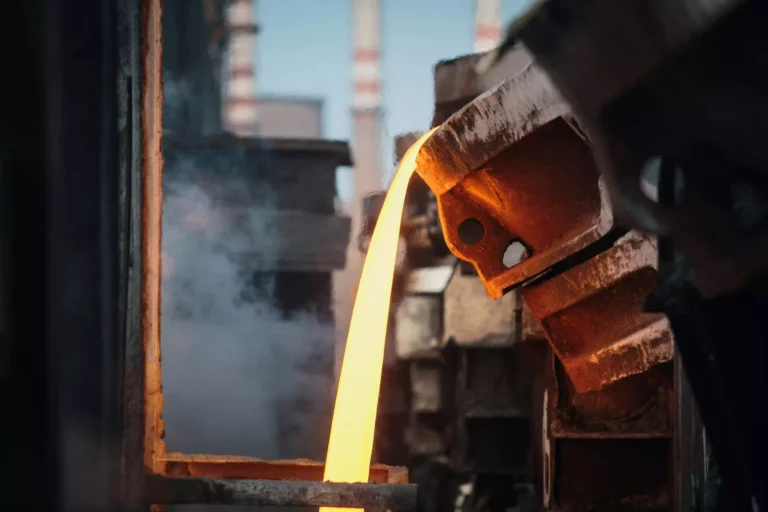
In the steel industry, maintaining the right temperature is critical for achieving quality output and efficient production. One of the most essential systems used in this process is the reheating furnace. It plays a key role in heating steel billets, blooms, or slabs to the required rolling temperature before they enter the rolling mill.
At Trymaxfurnace, we specialize in designing and manufacturing high-performance reheating furnaces tailored for modern steel plants, focusing on energy efficiency, durability, and consistent heating performance.
What is a Reheating Furnace?
A reheating furnace is an industrial furnace used to heat semi-finished steel products such as billets, slabs, or blooms to a specific temperature (typically 1100°C to 1250°C) before they are processed in rolling mills.
The main objective is to:
- Ensure uniform temperature throughout the material
- Improve metal plasticity for rolling
- Reduce internal stress
- Achieve better surface quality
Importance of Reheating Furnaces in Steel Plants
Reheating furnaces are a critical part of steel rolling operations. Without proper reheating:
- Material becomes difficult to deform
- Rolling quality reduces
- Energy consumption increases
- Production efficiency drops
A well-designed reheating furnace ensures smooth rolling, better metallurgical properties, and reduced operational costs.
Types of Reheating Furnaces
1. Pusher Type Reheating Furnace
- Material is pushed through the furnace in sequence
- Suitable for continuous production
- Ideal for billets and small sections
2. Walking Beam Reheating Furnace
- Uses a walking mechanism to move material
- Reduces skid marks
- Provides uniform heating
- Suitable for slabs and high-quality steel
3. Walking Hearth Furnace
- Material moves step-by-step on the hearth
- Lower maintenance compared to walking beam
- Suitable for medium capacity operations
4. Batch Type Reheating Furnace
- Material is heated in batches
- Flexible operation
- Suitable for smaller plants
Working Principle of Reheating Furnace
The reheating furnace works on controlled combustion and heat transfer principles:
- Steel billets/slabs are charged into the furnace
- Burners generate high-temperature flames
- Heat is transferred through radiation and convection
- Material is heated uniformly to rolling temperature
- Heated material is discharged to the rolling mill
Temperature zones are carefully controlled to avoid overheating or uneven heating.
Key Components of a Reheating Furnace
- Burners: Provide controlled combustion
- Refractory Lining: Minimizes heat loss
- Charging & Discharging System: Handles material movement
- Temperature Control System: Ensures accuracy
- Air & Fuel System: Controls combustion efficiency
- Exhaust System: Removes flue gases
Each component is designed for durability and efficiency.
Advantages of Modern Reheating Furnaces
Energy Efficiency
Modern furnaces use optimized combustion systems to reduce fuel consumption.
Uniform Heating
Ensures consistent temperature throughout the material.
High Productivity
Supports continuous operation with minimal downtime.
Reduced Scale Formation
Improves surface quality of rolled products.
Automation
Advanced PLC systems allow precise control and monitoring.
Applications in Industry
Reheating furnaces are widely used in:
- Steel rolling mills
- Forging industries
- Alloy steel manufacturing
- Structural steel production
- Automotive component manufacturing
Energy Saving Features
At Trymaxfurnace, we focus on energy-efficient solutions, including:
- Recuperators for heat recovery
- Optimized burner design
- Insulated furnace structure
- Efficient air-fuel ratio control
These features help reduce fuel consumption and operating costs.
Why Choose Trymaxfurnace?
Trymaxfurnace is a trusted name in industrial furnace manufacturing. We provide:
- Customized reheating furnace solutions
- Advanced engineering and design
- Reliable performance and long service life
- End-to-end support from design to commissioning
- Energy-efficient and cost-effective systems
Our goal is to deliver furnaces that improve productivity while reducing operational costs.
Conclusion
A reheating furnace is an essential component in steel processing, ensuring proper heating before rolling operations. Choosing the right furnace design can significantly impact product quality, energy efficiency, and overall plant performance.
With expertise and innovation, Trymaxfurnace delivers high-quality reheating furnaces designed to meet the evolving demands of the steel industry.