
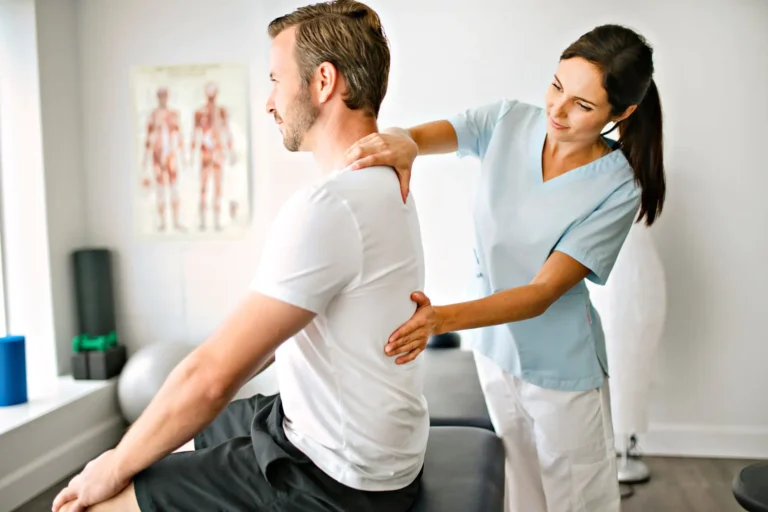
Injury recovery often requires a planned approach to restore movement and reduce pain. Physiotherapy focuses on improving strength, mobility, and function through guided exercises. Alongside this, Massage Therapy can support the process by easing muscle tension and improving circulation. When used together, these methods help the body respond better to rehabilitation and support a smoother and more stable recovery.
What Does Massage Therapy Do in Injury Care?
Massage Therapy works on muscles, tendons, and soft tissues to reduce tightness and improve blood flow. It helps release built-up tension that can develop after injury or due to limited movement.
Improved circulation allows oxygen and nutrients to reach affected areas, which supports natural healing. It also helps reduce discomfort, making it easier for patients to move without strain. Over time, this can improve overall muscle condition and reduce the chances of stiffness returning.
Why Physiotherapy Alone May Need Support?
Physiotherapy plays a key role in recovery, but some patients face challenges during treatment. Pain, stiffness, and restricted movement can limit how well a person performs exercises. These factors may slow progress or lead to incomplete recovery.
In some cases, patients may avoid movement due to discomfort, which can delay improvement. Without addressing muscle tightness early, it becomes harder to achieve consistent results during rehabilitation.
How Does Massage Therapy Enhance Physiotherapy Outcomes?
Massage supports physiotherapy by preparing the body for movement and reducing discomfort. Relaxed muscles allow better flexibility, which helps patients perform exercises more effectively and with better control.
It also reduces soreness after therapy sessions, supporting quicker recovery between appointments. This combination improves overall treatment response and allows patients to follow their exercise plans more consistently.
Impact on Injury Recovery Process
Massage contributes to recovery by supporting several physical improvements that directly affect healing and movement.
- Reduces swelling and muscle stiffness
- Supports faster tissue healing
- Improves range of motion
- Helps return to daily activities sooner
- Lowers the risk of long-term tightness
These effects make it easier for patients to regain normal movement and continue rehabilitation without unnecessary delays. It also supports better comfort during daily activities.
Supporting Rehabilitation Progress
When used alongside physiotherapy treatment, massage helps the body respond more effectively to guided exercises. Relaxed muscles improve movement quality and reduce resistance during therapy sessions.
This allows patients to follow rehabilitation plans with better control and less discomfort. It also helps therapists achieve better results during each session, as the body remains more responsive to movement.
Long-Term Recovery and Prevention
Combining massage with physiotherapy supports long-term recovery by maintaining muscle flexibility and joint mobility. It helps prevent the return of stiffness and reduces the risk of re-injury.
Regular care also supports better posture and movement patterns, which are important for lasting results. Over time, this approach helps patients stay active and reduces the chances of recurring issues.
Conclusion
Massage and physiotherapy work well together to support recovery and improve movement. While physiotherapy builds strength and function, massage reduces tension and prepares the body for treatment. This combined approach helps patients recover more effectively, maintain mobility, and reduce the chances of future injury.