
Tag

Mental Health

Browsing

Introduction: Why Self-Care and Professional Treatment Work Best Together

Mental health recovery is rarely the result of a single appointment, prescription, or breakthrough conversation. Instead, it is a continuous process shaped by daily habits, supportive relationships, and evidence-based professional care. While therapy and psychiatric services provide structured guidance, diagnosis, and clinical interventions, self-care fills the spaces between appointments—strengthening progress and reinforcing resilience.

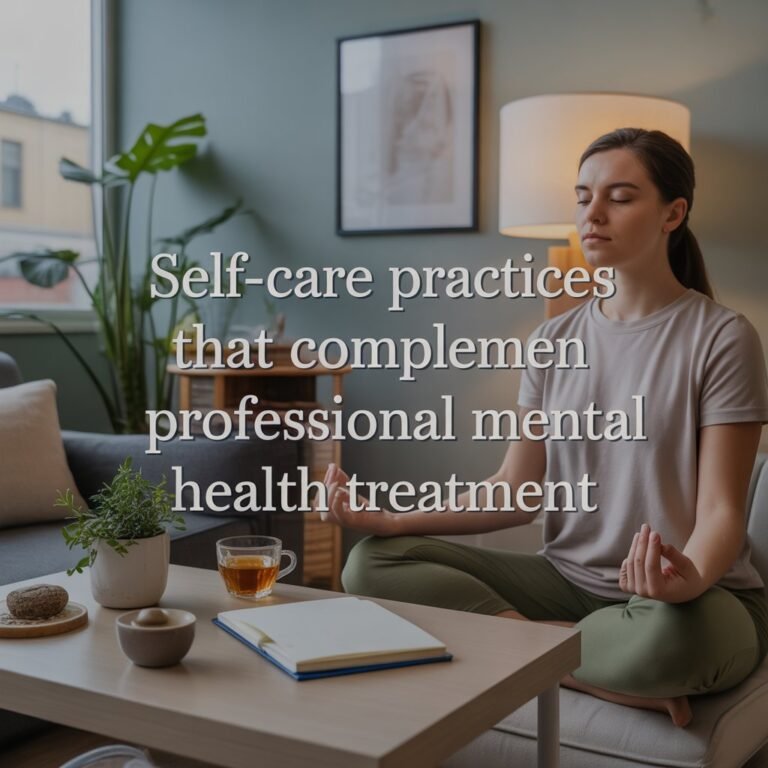
Understanding the relationship between professional care and everyday wellness is essential. Therapy offers insight. Medication can stabilize mood and reduce symptoms. But sustainable emotional well-being is often built through consistent, intentional behaviors practiced at home and in daily life. These self-care practices for mental health treatment are not replacements for therapy or medication; rather, they are powerful complements that help individuals maintain stability, reduce relapse risk, and enhance overall quality of life.

When individuals combine professional guidance with intentional self-care routines, they create a comprehensive support system. For example, someone working with a Therapist in Charlotte, NC may learn coping strategies for anxiety, while daily mindfulness exercises reinforce those skills outside the therapy office. Similarly, medication prescribed by a Psychiatrist in Charlotte, NC may improve mood stability, while structured sleep routines and healthy lifestyle choices help sustain those improvements.

In this article, we will explore evidence-based self-care strategies that complement professional treatment, explain why integration matters, and offer practical steps for implementing these practices safely and effectively.


The Foundation: Understanding Professional Mental Health Treatment

Before discussing self-care, it is important to recognize what professional treatment typically involves. Mental health services often include:

  • Individual psychotherapy (such as cognitive behavioral therapy or psychodynamic therapy)
  • Medication management
  • Group therapy or support groups
  • Behavioral interventions
  • Crisis stabilization planning

Professional treatment provides assessment, diagnosis, treatment planning, and monitoring. Clinicians evaluate symptom patterns, identify underlying causes, and tailor interventions to each individual’s needs. This structured approach ensures that care is evidence-based and appropriate.

However, appointments are often weekly or biweekly. That means the majority of mental health maintenance occurs between sessions. This is where self-care becomes a crucial extension of clinical support.


Why Self-Care Matters in Mental Health Recovery

Self-care is often misunderstood as indulgence or occasional relaxation. In reality, it refers to consistent behaviors that support psychological, emotional, and physical health.

When integrated with professional care, self-care can:

  • Improve treatment adherence
  • Enhance emotional regulation
  • Reduce stress levels
  • Strengthen resilience
  • Prevent relapse
  • Increase overall life satisfaction

Research consistently shows that lifestyle factors such as sleep, exercise, and social connection significantly influence mental health outcomes. By intentionally addressing these areas, individuals reinforce the therapeutic work they are doing with professionals.


1. Structured Sleep Hygiene

Sleep and mental health are deeply connected. Poor sleep can worsen anxiety, depression, irritability, and cognitive functioning. Conversely, consistent, restorative sleep supports emotional regulation and stress tolerance.

Effective sleep hygiene includes:

  • Going to bed and waking up at consistent times
  • Limiting screen use before bedtime
  • Reducing caffeine intake in the afternoon
  • Creating a calm, dark sleep environment
  • Establishing a relaxing pre-sleep routine

For individuals undergoing therapy or medication management, improving sleep often enhances treatment effectiveness. When the brain is rested, it processes emotional insights more efficiently and responds better to therapeutic interventions.


2. Physical Activity and Mental Clarity

Exercise is one of the most researched self-care practices for mental health treatment. Regular physical activity can:

  • Reduce symptoms of anxiety and depression
  • Increase endorphins and serotonin
  • Improve concentration
  • Enhance self-esteem
  • Promote better sleep

You do not need an intense fitness routine. Even moderate activities such as walking, yoga, or swimming can significantly improve mood. Many therapists encourage clients to pair physical movement with mindfulness—such as focusing on breathing during a walk—to maximize emotional benefits.


3. Mindfulness and Emotional Awareness

Mindfulness involves paying attention to the present moment without judgment. This practice helps individuals observe thoughts and emotions rather than becoming overwhelmed by them.

Mindfulness techniques include:

  • Deep breathing exercises
  • Body scans
  • Guided meditation
  • Journaling
  • Grounding techniques

When practiced regularly, mindfulness strengthens the coping skills learned in therapy. For example, someone addressing panic symptoms in treatment may use breathing exercises daily to reduce physiological stress responses.

Over time, mindfulness builds emotional regulation capacity, allowing individuals to respond thoughtfully rather than react impulsively.


4. Balanced Nutrition and Brain Health

The connection between diet and mental health is increasingly supported by research. Nutrient deficiencies and unstable blood sugar levels can contribute to mood fluctuations, fatigue, and irritability.

Healthy eating patterns include:

  • Consistent meal timing
  • Balanced macronutrients (protein, healthy fats, complex carbohydrates)
  • Adequate hydration
  • Limiting processed sugars

While nutrition alone cannot treat mental health disorders, it plays a supportive role in stabilizing mood and energy. When combined with professional treatment, balanced nutrition enhances overall resilience.


5. Social Connection and Support Systems

Isolation can intensify mental health symptoms. Human connection, on the other hand, promotes belonging and emotional validation.

Supportive relationships may include:

  • Family members
  • Friends
  • Peer support groups
  • Faith or community organizations

Engaging in meaningful social interactions helps reduce feelings of loneliness and reinforces positive coping strategies. Professional therapy often addresses relationship patterns, but real-world connection provides daily reinforcement of these skills.


6. Setting Healthy Boundaries

Boundary-setting is a critical self-care practice that protects emotional energy. Many individuals seeking therapy struggle with overcommitment, people-pleasing, or difficulty saying no.

Healthy boundaries involve:

  • Recognizing personal limits
  • Communicating needs clearly
  • Reducing exposure to toxic environments
  • Prioritizing personal well-being

Therapy provides tools for identifying unhealthy dynamics, but practicing boundary-setting in everyday situations strengthens confidence and reduces chronic stress.


7. Structured Routines and Stability

Mental health often improves with predictability. Establishing structured routines creates a sense of control and reduces decision fatigue.

Effective routines may include:

  • Morning preparation rituals
  • Scheduled work and rest periods
  • Designated relaxation time
  • Evening wind-down habits

Routines are especially beneficial for individuals managing mood disorders or anxiety. Consistency promotes stability and reinforces therapeutic progress.


8. Creative Expression and Emotional Release

Art, music, writing, and other creative outlets provide safe channels for emotional expression. Creative activities can:

  • Reduce stress
  • Increase self-awareness
  • Improve mood
  • Enhance problem-solving

Many therapists incorporate expressive techniques into treatment plans. Practicing creative self-care outside sessions strengthens insight and emotional processing.


9. Digital Boundaries and Media Awareness

Excessive exposure to social media and constant digital stimulation can increase anxiety and reduce self-esteem. Intentional digital boundaries may include:

  • Limiting screen time
  • Curating positive content
  • Taking regular breaks from social platforms
  • Avoiding news overload

Mental health recovery requires mental space. Reducing digital overwhelm allows the nervous system to regulate more effectively.


10. Self-Compassion and Internal Dialogue

One of the most transformative self-care practices for mental health treatment is developing self-compassion. Many individuals struggle with harsh self-criticism, which can worsen depression and anxiety.

Self-compassion involves:

  • Speaking to yourself with kindness
  • Recognizing that setbacks are part of growth
  • Replacing negative self-talk with balanced perspectives
  • Celebrating progress, even small steps

Professional therapy often helps reframe distorted thinking patterns, but daily self-compassion practice reinforces these cognitive shifts.


Integrating Self-Care with Professional Guidance

While self-care is powerful, it should align with professional recommendations. Not every strategy works for every individual. For example:

  • Someone with severe depression may need structured accountability to initiate exercise.
  • Individuals with trauma histories may require guided mindfulness rather than unguided meditation.
  • Those adjusting medication may need careful monitoring before adding major lifestyle changes.

Communication with healthcare providers ensures that self-care strategies support, rather than conflict with, treatment goals.


Avoiding Common Self-Care Misconceptions

It is important to clarify what self-care is not:

  • It is not avoidance of professional help.
  • It is not a quick fix.
  • It is not selfish.
  • It is not a substitute for therapy or medication when clinically indicated.

True self-care is intentional, sustainable, and aligned with long-term emotional health.


Building a Personalized Self-Care Plan

To create a practical self-care routine:

  1. Identify areas of greatest need (sleep, stress, isolation).
  2. Start with small, manageable goals.
  3. Track progress weekly.
  4. Adjust based on feedback from therapy sessions.
  5. Celebrate improvements.

Consistency matters more than intensity. Sustainable routines produce long-term benefits.


Long-Term Benefits of Integrated Care

When professional treatment and self-care practices work together, individuals often experience:

  • Improved symptom stability
  • Increased emotional resilience
  • Stronger relationships
  • Enhanced self-awareness
  • Reduced relapse rates
  • Greater life satisfaction

Integrated care supports both immediate symptom relief and lasting emotional growth.


Conclusion: A Partnership Between Professional Support and Personal Commitment

Mental health recovery thrives when structured clinical care meets consistent personal effort. Professional treatment provides expertise, guidance, and medical insight. Self-care provides daily reinforcement, resilience-building, and emotional grounding.

Together, they form a comprehensive framework for sustainable well-being. By embracing intentional routines, emotional awareness, and professional support, individuals can cultivate lasting stability and growth.

Therapist in Charlotte, NC treatment are not optional luxuries—they are essential complements to therapy and psychiatric care. When individuals commit to both, they create a balanced, empowered path toward long-term mental wellness.


Emotional exhaustion rarely announces itself clearly. It doesn’t arrive with a warning or a specific moment you can identify. Instead, it builds quietly over time. At first, it may feel like simple tiredness. You might assume you just need more sleep or a short break. But rest alone doesn’t always fix it.

Many people continue functioning normally while feeling mentally drained. They complete their daily tasks, maintain conversations, and fulfill responsibilities. From the outside, nothing seems wrong. Internally, however, everything feels heavier. Simple decisions require more effort. Concentration becomes harder. Even moments of rest may not feel refreshing.

This gradual shift often goes unnoticed because it develops slowly. People adjust to the discomfort without realizing how much their mental state has changed.


The Constant Pressure of Daily Life

Life naturally includes stress. Responsibilities, expectations, and personal challenges all require mental energy. In small amounts, Emotional Exhaustion, stress can be manageable. It can even motivate people to stay focused and productive.

However, when stress becomes constant, the mind has little opportunity to recover. Without recovery, emotional fatigue begins to build. People may feel like they are always thinking, always planning, and never fully relaxing.

This constant mental activity prevents the mind from restoring its natural balance.


Emotional Fatigue Changes How People Experience Everyday Life

One of the first signs of emotional exhaustion is a change in emotional response. People may become more sensitive to small frustrations. Situations that once felt manageable may suddenly feel overwhelming.

Others may experience emotional numbness. Instead of feeling more emotion, they feel less. They may lose excitement, motivation, or interest in things they once enjoyed.

Both reactions are natural responses to prolonged emotional strain.


Mental Clarity Requires Emotional Stability

Mental clarity depends on emotional balance. When emotional pressure becomes too high, thinking becomes less organized. People may struggle to focus or remember information. They may feel distracted even when nothing specific is distracting them.

This doesn’t mean the mind is weak. It means the mind is overloaded.

Just like muscles become tired after physical effort, the brain becomes tired after continuous emotional effort.


Many People Ignore the Early Signs

Emotional exhaustion often begins with subtle warning signs. These may include persistent tiredness, reduced motivation, or difficulty concentrating. Because these symptoms are mild at first, they are easy to ignore.

People often assume the feeling will pass on its own. They continue pushing forward without addressing the underlying cause.

Over time, ignoring these signs makes recovery more difficult.


Rest Alone Is Not Always Enough

While physical rest is important, emotional recovery requires more than sleep. The mind needs time without pressure, constant thinking, or emotional strain.

Recovery often begins with slowing down mentally. This can include reflection, relaxation, or creating distance from stressful situations.

Giving the mind space allows emotional balance to gradually return.


Awareness Helps Prevent Long-Term Exhaustion

Recognizing emotional exhaustion early can prevent it from becoming overwhelming. Awareness allows individuals to respond before stress becomes severe.

This awareness may involve noticing emotional patterns, changes in focus, or persistent fatigue. Understanding these signals helps individuals take steps toward recovery.

Awareness creates control over emotional health.


Support Can Accelerate Recovery

Emotional recovery is often easier with support. Talking to someone provides perspective and reduces emotional isolation. Support can come from trusted individuals or trained professionals or any professional Psychiatrist in Charlotte, NC.

Seeking help allows individuals to better understand their emotional state. It also provides tools for managing stress and restoring balance.

Support strengthens emotional resilience.


Emotional Health Requires Consistent Attention

Mental and emotional health change over time. Stressful periods, life transitions, and personal challenges all affect emotional stability.

Maintaining emotional health requires regular attention. This includes recognizing stress, allowing recovery, and responding to emotional needs.

Consistent care prevents emotional exhaustion from becoming overwhelming.


Frequently Asked Questions (FAQs)

What is emotional exhaustion?
Emotional exhaustion is a state of mental fatigue caused by prolonged stress and emotional pressure.

Can emotional exhaustion go away on its own?
It can improve with rest and reduced stress, but awareness and support often speed recovery.

Is emotional exhaustion permanent?
No. With proper care and recovery, emotional balance can return.

Why do people ignore emotional exhaustion?
Because it develops gradually and its early symptoms often seem minor.


Conclusion

Emotional exhaustion develops quietly through continuous stress and mental pressure. Many people do not recognize it until it begins affecting their focus, motivation, and emotional balance.

Understanding how emotional exhaustion develops allows individuals to respond earlier. Recovery begins with awareness, rest, and appropriate support.

Mental clarity and emotional stability return gradually when the mind is given the care and attention it needs.

Mental health is a vital part of our overall well-being, yet it is often overlooked in our busy lives. Anxiety, depression, stress, and other mental health challenges can affect anyone, regardless of age, background, or lifestyle. Visiting a Mental Health Clinic can provide the support, guidance, and care you need to improve your emotional and psychological well-being. For residents in Minneapolis, Top Health Center, recognized as a leading Mental Health Clinic Minneapolis, offers comprehensive services to help individuals live healthier, happier lives.

The numerous benefits of visiting a mental health clinic, why professional care is essential, and how Top Health Center stands out as a trusted provider.

1. Personalized Mental Health Care

One of the most significant benefits of visiting a Mental Health Clinic is personalized care. Mental health professionals assess each individual’s unique situation and tailor treatment plans to meet their specific needs. Unlike generic advice found online, professional care ensures that your mental health is addressed with precision and empathy.

At Top Health Center, patients receive evaluations from experienced psychologists, therapists, and psychiatrists. These professionals create customized plans, whether you need therapy, medication management, or a combination of approaches, ensuring that every patient receives the care they deserve.

Personalized care increases the likelihood of effective treatment and helps patients feel supported and understood, which is crucial for long-term recovery.

2. Access to Professional Therapists and Psychiatrists

A major advantage of visiting a Mental Health Clinic is access to trained mental health professionals. Licensed therapists and psychiatrists have the knowledge and experience to identify the root causes of mental health issues. They can provide evidence-based therapies, such as cognitive-behavioral therapy (CBT), talk therapy, and medication management.

Many people struggle with stress, anxiety, or depression but are unsure how to manage it. By visiting a professional clinic, patients gain access to the latest treatment methods and guidance that is both safe and effective.

Top Health Center, as a trusted Mental Health Clinic Minneapolis, ensures that every patient is paired with the right specialist to address their mental health concerns efficiently.

3. Early Detection and Prevention

Visiting a Mental Health Clinic offers the benefit of early detection of potential mental health issues. Professionals can identify warning signs before conditions worsen, helping patients take preventive measures. Early intervention is key to reducing the long-term impact of mental health disorders.

For example, anxiety disorders, if left untreated, can interfere with daily life, work, and relationships. Depression can become severe if ignored. By visiting a clinic, patients receive timely intervention, which can drastically improve their quality of life.

Top Health Center emphasizes early screening and proactive care, making it one of the most reliable options for anyone seeking a Mental Health Clinic Minneapolis.

4. Supportive Environment for Healing

Mental health recovery requires a safe and supportive environment. A professional clinic provides a non-judgmental space where patients can express themselves freely. Being able to share feelings without fear of stigma is essential for emotional healing.

At Top Health Center, patients benefit from a welcoming and compassionate environment. Group therapy sessions, one-on-one counseling, and community support programs help individuals feel less isolated. This environment encourages open communication, fostering trust between patients and mental health professionals.

Such support is difficult to achieve without visiting a professional Mental Health Clinic, where care and understanding are at the forefront of treatment.

5. Improved Coping Strategies and Life Skills

Another benefit of visiting a Mental Health Clinic is learning effective coping strategies. Mental health professionals teach practical tools to manage stress, regulate emotions, and navigate challenges. These strategies can improve relationships, enhance work performance, and increase overall life satisfaction.

Therapists at Top Health Center provide patients with skills such as mindfulness, stress management techniques, and communication strategies. These tools empower individuals to handle difficult situations confidently and prevent relapse of mental health issues.

By gaining these life skills, patients not only recover but thrive, making the investment in a Mental Health Clinic worthwhile.

6. Medication Management and Monitoring

For individuals with conditions that require medication, a professional Mental Health Clinic offers proper prescription management. Psychiatrists monitor medication effectiveness, adjust dosages if necessary, and ensure minimal side effects. This careful supervision prevents complications and promotes faster recovery.

Top Health Center provides comprehensive medication management services. Their team ensures that patients understand their treatment, adhere to prescribed plans, and achieve the best possible results. This level of care is particularly important for individuals with complex mental health needs.

7. Reducing the Stigma Around Mental Health

Visiting a Mental Health Clinic helps normalize seeking mental health care. Society often misunderstands mental health issues, leading to stigma and reluctance to seek help. Professional clinics educate patients and communities, promoting understanding and compassion.

By accessing services at Top Health Center, individuals take a positive step toward breaking this stigma. This encourages others to seek help when needed, fostering a healthier, more supportive community in Minneapolis.

8. Enhanced Overall Well-being

Mental health directly impacts physical health. Chronic stress, anxiety, and depression can lead to physical symptoms such as fatigue, headaches, and weakened immunity. By addressing mental health concerns at a clinic, patients improve their overall well-being.

Top Health Center, a leading Mental Health Clinic Minneapolis, provides comprehensive care that targets both mental and physical health. Patients experience better sleep, improved energy levels, and a renewed sense of purpose, demonstrating the holistic benefits of professional mental health care.

9. Confidential and Safe Care

A key benefit of visiting a Mental Health Clinic is confidentiality. Patients can discuss sensitive topics without fear of judgment or exposure. Professional clinics adhere to strict privacy standards, ensuring that every session remains private.

Top Health Center prioritizes patient privacy, allowing individuals to focus on healing without stress or concern. This trust is essential for effective therapy and long-term mental health improvement.

10. Access to Community Resources

Mental health clinics often connect patients with community resources, such as support groups, wellness programs, and social services. These connections provide additional layers of support beyond therapy sessions.

Top Health Center collaborates with local organizations in Minneapolis, helping patients access resources that promote recovery and personal growth. This network of support strengthens the impact of professional care and ensures patients have the tools they need for lasting improvement.

About Mental Health Clinic Minneapolis

1. What services does a Mental Health Clinic provide?

A Mental Health Clinic offers counseling, therapy, psychiatric evaluations, medication management, and support programs tailored to individual needs. Top Health Center provides all these services in a professional and compassionate environment.

2. How do I know if I need to visit a Mental Health Clinic?

If you experience persistent sadness, anxiety, stress, sleep problems, or difficulty managing daily life, visiting a Mental Health Clinic can help you receive the support you need. Early intervention is key.

3. Can therapy at a Mental Health Clinic really help?

Yes. Therapy helps individuals understand their emotions, develop coping strategies, and make positive life changes. Licensed professionals at Top Health Center guide patients through evidence-based treatments tailored to their needs.

4. Is visiting a Mental Health Clinic expensive?

Costs vary depending on services, insurance coverage, and treatment plans. Many clinics, including Top Health Center, offer affordable options and can assist with insurance claims to make care accessible.

5. How long does treatment at a Mental Health Clinic last?

Treatment length depends on the individual’s needs. Some people may need a few sessions, while others benefit from ongoing therapy. Top Health Center creates personalized plans that prioritize long-term mental health and well-being.

Visiting a Mental Health Clinic in Minneapolis can transform your life. From personalized care and access to professional therapists to early intervention, coping strategies, and holistic support, the benefits are extensive.

Top Health Center, as a trusted Mental Health Clinic Minneapolis, provides compassionate, evidence-based care to help individuals manage stress, anxiety, depression, and other mental health challenges. Whether you need therapy, medication, or support programs, professional care can empower you to live a healthier and happier life.

Taking the step to visit a clinic is a sign of strength and self-care. Don’t wait invest in your mental health today and experience the life-changing benefits of professional support.