
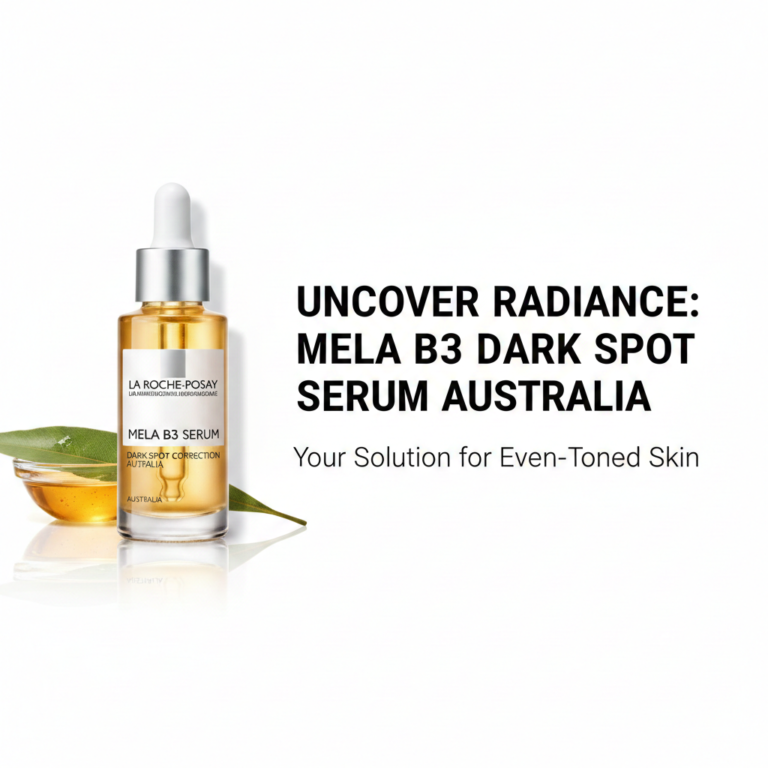
Hyperpigmentation is one of the most common skincare concerns in Australia. From sunspots caused by long summer days to post-acne marks that linger for months, uneven skin tone can be frustrating to manage. Among the many solutions available, Mela B3 Dark Spot Serum has gained attention for its targeted approach to discoloration. But is it truly effective for Australian skin types and climate conditions?
In this article, we’ll explore what Mela B3 Dark Spot Serum is, how it works, who it’s best suited for, and whether it’s a worthwhile investment for people living in Australia.
Understanding Hyperpigmentation in Australia
Before evaluating the serum itself, it’s important to understand why dark spots are such a prevalent concern in Australia.
The Impact of Strong UV Exposure
Australia has one of the highest UV radiation levels in the world. Prolonged sun exposure increases melanin production in the skin, which can lead to:
- Sunspots (also called solar lentigines)
- Freckles becoming darker
- Melasma patches
- Uneven pigmentation
Even with sunscreen, repeated exposure over time can trigger pigmentation issues.
Other Common Causes of Dark Spots
Apart from UV damage, pigmentation may result from:
- Acne and post-inflammatory hyperpigmentation
- Hormonal changes (such as pregnancy or oral contraceptives)
- Skin irritation or inflammation
- Age-related changes
Because these causes vary, treating pigmentation often requires more than a basic brightening cream. Targeted active ingredients are essential.
What Is Mela B3 Dark Spot Serum?
Mela B3 Dark Spot Serum is a dermatologically formulated treatment developed by La Roche-Posay, a brand widely recommended by dermatologists. Known for its science-backed formulations and sensitive-skin focus, La Roche-Posay is part of the global beauty group L’Oréal.
The serum is designed to reduce the appearance of dark spots while preventing their recurrence. It is marketed as suitable for various skin types, including sensitive skin.
Key Ingredients and How They Work
The effectiveness of any pigmentation serum depends largely on its ingredients. Mela B3 stands out for combining advanced actives that target multiple stages of melanin production.
1. Niacinamide (Vitamin B3)
Niacinamide is one of the most researched skincare ingredients for brightening and strengthening the skin barrier. It helps:
- Reduce melanin transfer to skin cells
- Calm inflammation
- Improve skin tone uniformity
- Strengthen the skin barrier
For Australians dealing with sun exposure and environmental stress, niacinamide is particularly beneficial because it supports skin resilience.
2. Melasyl (Proprietary Ingredient)
One of the standout components in Mela B3 is Melasyl, an ingredient developed to intercept excess melanin before it marks the skin’s surface. Rather than simply exfoliating the top layer, this approach works at the source of pigmentation.
This makes it potentially effective for persistent dark spots, including sun-induced pigmentation and post-acne marks.
3. Gentle Exfoliating Agents
Some formulations include mild exfoliating components that encourage skin renewal. By increasing cell turnover, these ingredients help fade existing pigmentation over time.
Why Is It Popular in Australia?
The popularity of Mela B3 Dark Spot Serum in Australia is not accidental. Several factors contribute to its demand.
Climate Compatibility
Australia’s hot, sunny climate often calls for lightweight skincare products. Heavy creams can feel greasy, especially in humid coastal regions like Sydney or Brisbane. Mela B3’s lightweight, fast-absorbing texture makes it suitable for:
- Daytime use under sunscreen
- Layering with moisturisers
- Use in both summer and winter
Suitability for Sensitive Skin
Many Australians experience skin sensitivity due to environmental factors such as wind, saltwater, and UV exposure. Because the serum is formulated with sensitive skin in mind, it appeals to people who want results without irritation.
Dermatologist-Backed Reputation
La Roche-Posay has built strong credibility in pharmacies and dermatology clinics across Australia. Consumers often trust pharmacy brands more than influencer-driven products, particularly when dealing with skin concerns like pigmentation.
Who Should Consider Using Mela B3 Serum?
This serum may be suitable for:
1. People with Sunspots
If you’ve developed brown spots from years of sun exposure, this serum may help gradually lighten them when used consistently with daily SPF.
2. Individuals with Post-Acne Marks
After acne heals, it often leaves behind dark or red marks. Ingredients like niacinamide help reduce inflammation and fade these marks over time.
3. Those with Early Signs of Melasma
While melasma can be stubborn and sometimes requires prescription treatment, mild cases may benefit from a targeted brightening serum.
4. Sensitive Skin Types
Because of its non-aggressive formulation, it may be preferable to stronger actives like high-concentration retinoids or hydroquinone for those who experience irritation.
How to Use Mela B3 for Best Results
Using the serum correctly is just as important as choosing the right product.
Step-by-Step Application
- Cleanse your skin with a gentle cleanser.
- Apply 2–3 drops of the serum to dry skin.
- Gently press into the face, focusing on pigmented areas.
- Follow with moisturiser.
- Apply broad-spectrum sunscreen during the day.
Consistency Is Key
Pigmentation does not disappear overnight. Most users need at least 6–8 weeks of consistent use to notice visible improvement. In Australia, daily sunscreen use is critical; without it, new pigmentation can form even while treating existing spots.
Comparing Mela B3 to Other Pigmentation Treatments
The skincare market in Australia is saturated with brightening products. So how does Mela B3 compare?
Compared to Vitamin C Serums
Vitamin C is known for brightening, but some formulations can irritate sensitive skin. Mela B3’s niacinamide-based approach may be gentler while still offering tone-correcting benefits.
Compared to Retinol
Retinol speeds up cell turnover but can cause peeling and sensitivity, particularly in sunny climates. Mela B3 offers a milder alternative for people who prefer less irritation.
Compared to Prescription Treatments
Prescription treatments like hydroquinone are powerful but often recommended for short-term use only. Mela B3 may be more suitable for long-term maintenance and prevention.
Realistic Expectations: What Results Can You Expect?
While marketing claims can be persuasive, realistic expectations are essential.
Short-Term Results (2–4 Weeks)
- Improved skin radiance
- More even skin tone
- Reduced redness from inflammation
Medium-Term Results (6–12 Weeks)
- Gradual fading of sunspots
- Reduced visibility of post-acne marks
- Smoother skin texture
Deep melasma may require additional professional treatments such as chemical peels or laser therapy.
Potential Side Effects
Although designed for sensitive skin, some individuals may experience:
- Mild tingling upon application
- Temporary dryness
- Slight redness
To minimise risk:
- Patch test before full use
- Introduce slowly (once daily before increasing frequency)
- Avoid mixing with harsh exfoliants initially
Is It Worth the Investment?
When considering value, several factors come into play:
Quality of Ingredients
The inclusion of researched ingredients like niacinamide and proprietary melanin-targeting compounds adds credibility.
Brand Reputation
La Roche-Posay’s dermatological positioning increases consumer trust.
Accessibility in Australia
The serum is widely available in Australian pharmacies and online retailers, making it convenient to purchase and restock.
While it may not be the cheapest option, many users find the balance between effectiveness and gentleness worthwhile.
Tips for Preventing Future Dark Spots
No serum can fully counteract ongoing sun damage. Prevention is equally important.
- Apply SPF 50+ sunscreen daily
- Wear wide-brim hats in strong sunlight
- Reapply sunscreen every two hours outdoors
- Avoid peak UV hours where possible
- Use antioxidant skincare in the morning
By combining prevention and treatment, you significantly improve long-term skin clarity.
Final Thoughts
For Australians dealing with sun-induced pigmentation, acne marks, or uneven skin tone, Mela B3 Dark Spot Serum offers a science-backed, sensitive-skin-friendly option. Its lightweight formula suits the country’s climate, and its targeted ingredients work gradually to improve discoloration without aggressive irritation.
While it may not replace professional treatments for severe pigmentation, it can be an effective daily solution for mild to moderate dark spots. Consistent use, combined with diligent sun protection, is essential for visible results.
Ultimately, if you’re looking for a dermatologist-recommended serum that addresses pigmentation concerns while being suitable for Australia’s harsh UV environment, Mela B3 Dark Spot Serum is certainly worth considering.