
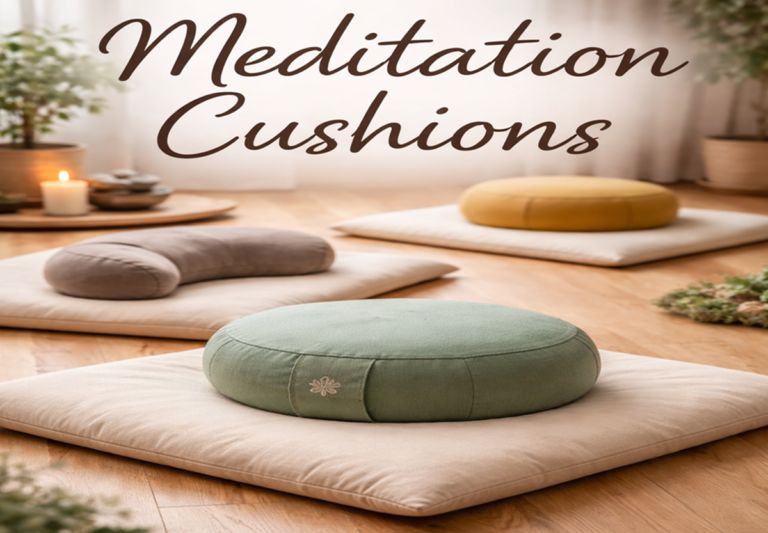
Meditation Cushions play a far more important role in mindfulness practice than many people realise. While meditation is often seen as a purely mental exercise, the body’s comfort, posture, and alignment directly influence focus, breathing, and the ability to sit calmly for extended periods. Without proper support, discomfort becomes a distraction, pulling attention away from the present moment. This is where well-designed Meditation Cushions make a meaningful difference.
This comprehensive guide explores everything you need to know about Meditation Cushions, including why they matter, how they improve posture, different types available, how to choose the right one for your body, materials, maintenance, and how they support long-term meditation practice. Whether you are a beginner or an experienced practitioner, understanding Meditation Cushions can transform your daily practice.
Why Meditation Cushions Are Essential for Mindful Practice
Modern lifestyles rarely prepare the body for prolonged sitting. Hours spent at desks, in cars, or on couches often result in tight hips, rounded shoulders, and poor spinal alignment. When people attempt to meditate without support, discomfort appears quickly, disrupting focus and reducing the quality of the session.
Meditation Cushions are designed to elevate the hips slightly above the knees. This subtle lift naturally tilts the pelvis forward, encouraging the spine to maintain its natural curve. As a result, pressure on the lower back is reduced, circulation improves, and breathing becomes deeper and more relaxed.
Beyond physical benefits, Meditation Cushions also create a consistent ritual space. Sitting on the same cushion each day signals the mind that it is time to slow down and become present. Over time, this association strengthens focus and supports a more disciplined meditation routine.
How Meditation Cushions Improve Posture and Alignment
Good posture is the foundation of effective meditation, and Meditation Cushions are specifically designed to support it. When sitting on the floor without support, the pelvis often tilts backward, causing the spine to collapse and the shoulders to round forward. This posture restricts breathing and creates tension.
By contrast, Meditation Cushions support the sit bones and promote upright alignment. The spine stacks naturally, the chest opens gently, and the neck remains relaxed. This alignment allows the diaphragm to move freely, encouraging calm, steady breathing.
With proper posture supported by Meditation Cushions, the body requires less effort to remain still. This reduction in physical strain allows practitioners to focus more fully on breath awareness, mantra repetition, or mindfulness techniques.
Types of Meditation Cushions and Their Benefits
There are several styles of Meditation Cushions, each designed to suit different body types, flexibility levels, and meditation postures.
Zafu Meditation Cushions
The most traditional option, zafu Meditation Cushions, are typically round or crescent shaped. Round zafus suit cross-legged positions, while crescent designs provide additional thigh support for people with tighter hips.
Zabuton Meditation Cushions
Zabutons are large, flat mats placed beneath a zafu or bench. They cushion the knees, ankles, and feet, enhancing comfort during longer sessions. Many practitioners use zafu and zabuton Meditation Cushions together for full lower-body support.
Meditation Benches
Benches support a kneeling posture, reducing pressure on the ankles and knees. While technically not cushions, they are often paired with padded Meditation Cushions for extra comfort.
Bolster and Rectangular Cushions
Bolster-style Meditation Cushions offer versatility and are suitable for meditation, yoga, and restorative practices. Their shape supports various seated positions and gentle back support.
Each type of Meditation Cushions serves a specific purpose, making it important to choose based on your preferred posture and physical needs.
Choosing the Right Meditation Cushions for Your Body
Selecting the right Meditation Cushions is not a one-size-fits-all decision. Height, weight, flexibility, and any existing joint or back issues all play a role.
Taller individuals often benefit from higher Meditation Cushions to ensure proper hip elevation. Those with tight hips or knee discomfort may prefer crescent-shaped cushions that support the thighs. People with lower back sensitivity often find firmer Meditation Cushions provide better spinal stability.
Adjustable-fill Meditation Cushions are ideal for beginners. They allow you to add or remove filling until you achieve the perfect height and firmness. This adaptability ensures long-term comfort as flexibility improves over time.
Materials Used in Meditation Cushions
The materials used in Meditation Cushions significantly affect comfort, durability, and sustainability.
Buckwheat hulls are a popular filling choice due to their firmness and ability to mould to the body. They provide excellent support and allow airflow, keeping the cushion cool. Kapok, a natural plant fibre, offers a lighter, softer feel, while foam fillings provide consistent shape and pressure relief.
Covers for Meditation Cushions are commonly made from cotton, linen, or organic fabrics. Breathable, removable covers are ideal for easy cleaning and hygiene. Many modern cushions also use eco-friendly and sustainable materials, appealing to environmentally conscious practitioners.
Meditation Cushions and Breath Awareness
Breathing is central to meditation, and posture directly affects breath quality. Meditation Cushions support upright alignment, allowing the lungs to expand fully without restriction.
When the spine is supported, the ribcage opens naturally, and the diaphragm can move freely. This promotes slow, deep breathing, which activates the parasympathetic nervous system and encourages relaxation. Without Meditation Cushions, shallow breathing often occurs due to slouched posture.
Over time, consistent use of Meditation Cushions improves breath awareness, making it easier to maintain focus and remain present throughout the meditation session.
Meditation Cushions for Beginners and Advanced Practitioners
For beginners, Meditation Cushions reduce discomfort and prevent early frustration. Many people abandon meditation because sitting feels physically challenging. Proper support removes this barrier and encourages consistency.
Advanced practitioners also benefit from Meditation Cushions, especially during longer sits or retreats. Extended meditation requires stable posture, and even experienced meditators rely on cushions to protect joints and maintain alignment over hours of practice.
Regardless of experience level, Meditation Cushions support sustainable meditation habits and protect the body from strain.
Using Meditation Cushions for Different Sitting Positions
Different meditation postures require different support, and Meditation Cushions adapt to these needs.
Cross-legged positions such as Burmese or half-lotus benefit from round or crescent cushions that elevate the hips. Kneeling postures pair well with benches or rectangular cushions. Even chair meditation can be enhanced with Meditation Cushions placed on the seat to improve posture.
Experimenting with cushion height and position helps you find the most comfortable setup. Over time, Meditation Cushions become an intuitive extension of your practice.
Caring for and Maintaining Meditation Cushions
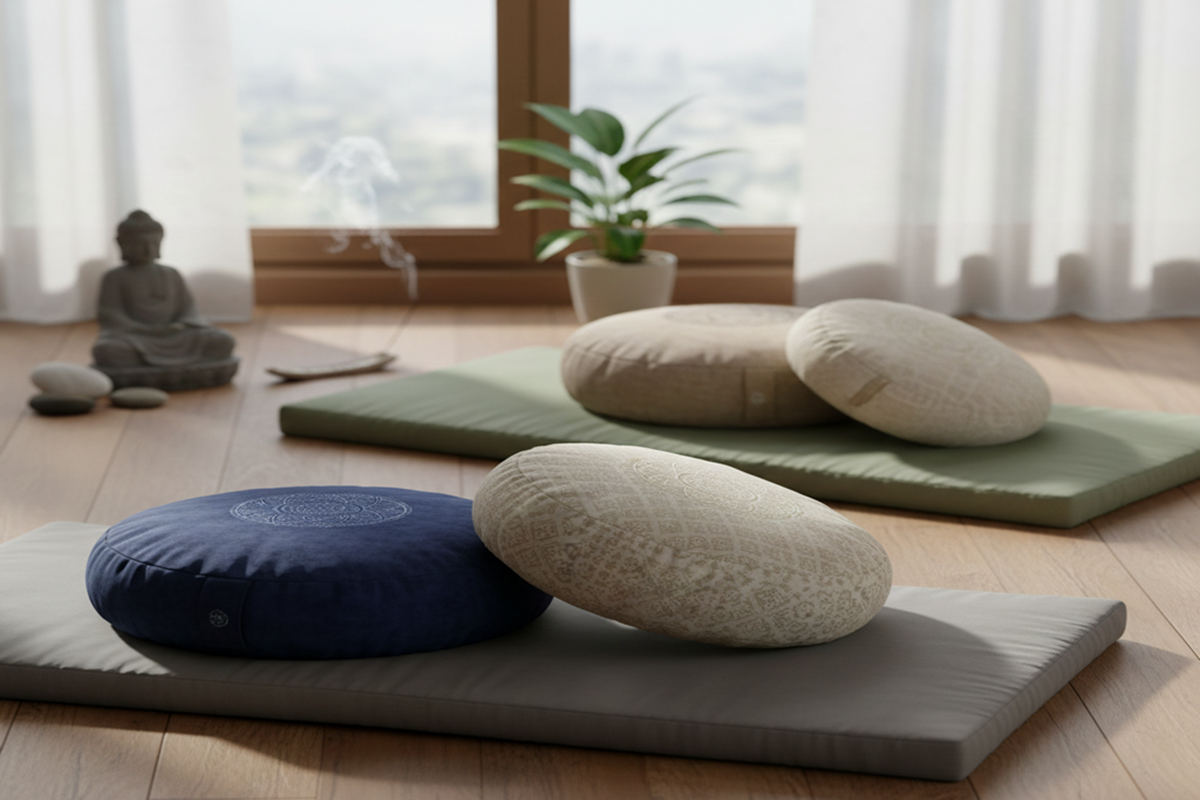
Proper care ensures Meditation Cushions remain supportive and hygienic for years. Removable covers should be washed regularly according to manufacturer instructions. Natural fillings like buckwheat benefit from occasional airing in sunlight to reduce moisture and odour.
Cushions should be stored in a dry, well-ventilated area when not in use. Avoid compressing Meditation Cushions under heavy objects, as this can affect shape and support.
With simple maintenance, high-quality Meditation Cushions can last many years without losing effectiveness.
Meditation Cushions and Long-Term Practice Consistency
Consistency is key to meditation, and Meditation Cushions support this by making practice physically sustainable. When the body feels supported, sitting becomes inviting rather than uncomfortable.
Many practitioners find that once they invest in quality Meditation Cushions, they meditate more regularly and for longer durations. Reduced discomfort leads to deeper focus and a stronger connection to the practice. In this way, Meditation Cushions are not just accessories but essential tools for cultivating mindfulness.
Common Mistakes to Avoid When Choosing Meditation Cushions
One common mistake is choosing Meditation Cushions based solely on appearance. While aesthetics matter, comfort and support should always come first.
Another error is selecting cushions that are too low. Insufficient height can strain hips and knees, reducing the benefits of meditation. Similarly, overly soft cushions may feel comfortable initially but fail to provide long-term support.
Taking time to assess your body’s needs ensures Meditation Cushions enhance rather than hinder your practice.
Are Meditation Cushions Worth the Investment?
For anyone committed to meditation, Meditation Cushions are absolutely worth the investment. They improve posture, reduce discomfort, enhance breathing, and support mental focus. Compared to the long-term benefits, the cost of quality Meditation Cushions is minimal.
They also contribute to physical wellbeing by protecting joints and encouraging healthy alignment, making meditation safer and more accessible for all ages.
Conclusion
Meditation Cushions are an essential foundation for comfortable, focused, and sustainable meditation practice. By supporting proper posture, improving breath awareness, and reducing physical distractions, they allow practitioners to fully engage with mindfulness.
Whether you are beginning your meditation journey or deepening an established practice, investing in the right Meditation Cushions can transform your experience. With thoughtful selection and care, these cushions become trusted companions on the path to calm, clarity, and inner balance.