
Tag

Massage Therapy

Browsing

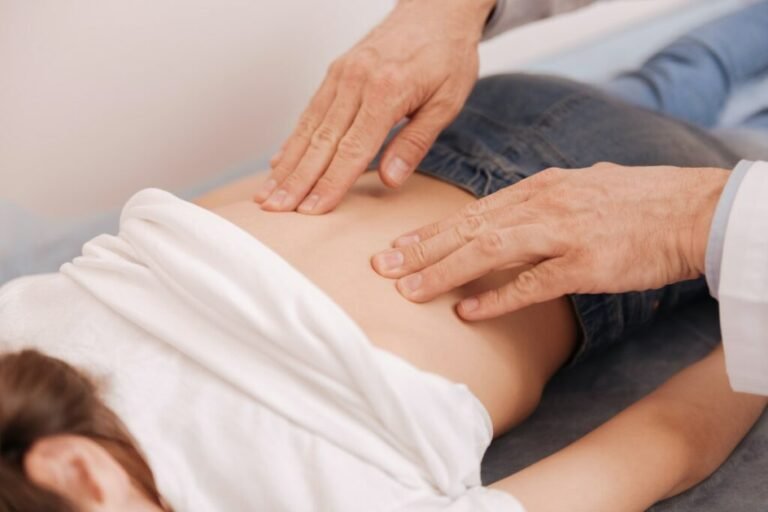
Deciding how often to book a massage can feel confusing due to the variety of advice available. Some treat massage as an occasional luxury, while others include it in their wellness routine. The right frequency depends on lifestyle, stress, physical condition, and long-term health goals. Techniques such as Structural Integration Massage target posture and muscular alignment, providing deeper benefits. Establishing a proper schedule ensures maximum results without overdoing sessions. Understanding body needs, daily habits, and recovery requirements helps create a personalized approach that improves both physical and mental well-being over time.

Factors That Influence Massage Frequency

Massage frequency varies based on personal lifestyle, work type, and fitness routine. Sedentary jobs often cause slow tension buildup in the neck, shoulders, and lower back. Physically demanding roles produce immediate muscle fatigue and soreness. High stress levels manifest in tight muscles, headaches, and irritability. Exercise routines, minor injuries, or chronic conditions also require more frequent care. Evaluating stress, activity level, and discomfort helps determine the best massage schedule. Customizing appointments to individual needs maximizes recovery, promotes circulation, and reduces discomfort while ensuring long-term muscle and joint health.

Recommended Massage Frequency for Different Needs

General Wellness

Monthly massages support overall relaxation and prevent tension accumulation. This frequency maintains flexibility and improves circulation, helping muscles recover naturally. People with moderate stress and no significant physical concerns benefit most from this approach. Monthly sessions allow time to evaluate body responses and prevent overload. Over time, this routine improves overall comfort, supports posture, and boosts mental clarity. Even occasional tension is reduced with consistent care, making it easier to manage everyday physical and emotional demands. Maintaining a predictable monthly schedule encourages mindfulness of self-care and overall wellness.

Stress Relief and Mental Health

Sessions every two to three weeks work well for stress relief and mental well-being. Massage lowers cortisol levels, improves sleep quality, and reduces anxiety. Regular care allows individuals to remain focused, relaxed, and emotionally balanced. For those under pressure or dealing with high stress, frequent sessions prevent tension from building up. Muscle stiffness, irritability, and fatigue respond well to consistent treatment. Repeated exposure to calming techniques strengthens mental resilience. This schedule provides a dedicated time for recovery, supporting emotional balance while simultaneously benefiting physical health through improved circulation and muscle relaxation.

Chronic Pain or Injury Recovery

Weekly or bi-weekly massages are beneficial for those managing chronic pain or recovering from injury. Regular sessions reduce inflammation, improve mobility, and prevent further strain on affected muscles. Working alongside healthcare professionals ensures a safe and effective recovery plan. As pain decreases, session frequency can gradually reduce, allowing the body to adapt. This approach targets problematic areas while supporting overall muscular balance. Monitoring progress through repeated sessions helps refine treatment plans and ensures long-term recovery. Consistent therapy accelerates healing, alleviates discomfort, and strengthens muscles, supporting both rehabilitation and general wellness.

Athletes and Active Lifestyles

Frequent massages, such as weekly or bi-weekly, support athletic performance and recovery. Therapy reduces soreness, improves flexibility, and prevents injuries by keeping muscles loose and responsive. Including massage as part of a training program enhances endurance and accelerates recovery. Proper scheduling ensures muscles can adapt while remaining ready for exercise. Consistent care strengthens performance, addresses minor strains, and improves circulation. Athletes benefit from targeted techniques that relieve tension in heavily used muscle groups. Integrating massage into fitness routines provides ongoing support, reduces injury risk, and enhances overall efficiency in both recreational and professional activities.

Signs You May Need More Frequent Massages

Your body communicates when additional care is needed through tension, stiffness, or persistent discomfort. Frequent headaches, neck pain, fatigue, or limited range of motion indicate a need for increased massage frequency. Irritability, emotional stress, and low energy can also signal the body is under strain. Recognizing these early allows adjustments before problems worsen. Tracking symptoms helps plan sessions effectively and ensures muscles receive proper care. Paying attention to physical and emotional changes supports proactive scheduling, maintaining comfort, mobility, and performance while preventing long-term tension buildup that could interfere with daily activities or exercise routines.

Can You Get Too Many Massages?

Excessive massage can lead to soreness or sensitivity if muscles are not allowed to recover. Scheduling sessions too closely reduces the treatment’s effectiveness. Muscles need time to adapt and respond to therapy. Overstimulation can cause discomfort rather than relief. Professional therapists advise spacing appointments based on individual needs. A balanced approach maximizes benefits while preventing strain. Listening to your body ensures each session is productive and comfortable. Proper intervals support circulation, flexibility, and recovery. Avoiding overly frequent appointments allows the body to absorb therapy benefits fully while maintaining overall muscle and joint health.

Creating a Personalized Massage Schedule

Designing a personalized massage routine starts with assessing activity level, stress, and physical condition. Testing different frequencies reveals what provides the most benefit. Some individuals feel immediate relief, while others require multiple sessions for noticeable improvement. Consistency matters more than frequency alone; even a monthly session delivers lasting results if maintained over time. Tracking responses after each appointment helps refine the schedule. Adjusting frequency based on symptoms or lifestyle changes ensures therapy remains effective. A thoughtful, personalized plan maximizes recovery, maintains flexibility, and supports both physical performance and mental well-being.

Benefits of Regular Massage Therapy

Regular massage improves circulation, delivering oxygen and nutrients to muscles efficiently. Muscle tension is reduced, enhancing flexibility and mobility. Therapy also promotes relaxation, lowers stress hormones, and improves sleep quality. Consistent sessions support posture by addressing imbalances caused by repetitive activity or prolonged sitting. Over time, massage strengthens muscles, reduces fatigue, and improves mental focus. Emotional balance is enhanced as stress levels decrease. Long-term care contributes to better physical performance, increased energy, and overall well-being. Routine massage provides comprehensive benefits for body and mind, supporting daily life demands and long-term health goals.

When to Adjust Your Schedule

Massage needs evolve with lifestyle, physical activity, and stress levels. Starting a new exercise routine or facing heightened stress may require more frequent sessions. Periodic evaluation ensures appointments remain effective and beneficial. Adjusting the schedule prevents missed recovery opportunities and maintains comfort. Flexibility allows therapy to match changing needs without overcommitting or neglecting care. Observing body responses ensures the routine continues to support well-being. Timely adjustments help prevent tension accumulation, improve mobility, and maintain mental clarity. Staying aware of physical changes ensures a massage schedule provides consistent value and long-term benefits.

Choosing the Right Massage Type

Different massage techniques require different recovery intervals. Deep tissue or intensive therapies may need spacing to prevent muscle fatigue. Lighter relaxation-focused sessions can be scheduled more frequently. Selecting the right method with a professional ensures effectiveness without overstraining muscles. Matching technique to goals optimizes results and prevents discomfort. Properly planned sessions enhance flexibility, circulation, and overall wellness. Individual preferences and physical condition guide frequency choices. Consulting a therapist ensures a tailored combination of technique and timing. This approach maintains comfort, maximizes benefits, and supports both physical recovery and mental relaxation.

Conclusion:

Scheduling professional massages depends on lifestyle, stress, and wellness goals. Relaxation, recovery, and performance each require different frequencies. Paying attention to body signals and adjusting schedules ensures treatments remain effective. Regular sessions provide physical and mental benefits while supporting long-term health. Monitoring activity levels and discomfort helps refine routines. Thoughtful planning ensures sessions deliver maximum value without overdoing therapy. A well-balanced schedule supports circulation, flexibility, recovery, and emotional well-being. Understanding your needs and adapting frequency allows massage therapy to become a sustainable, effective part of a wellness routine.

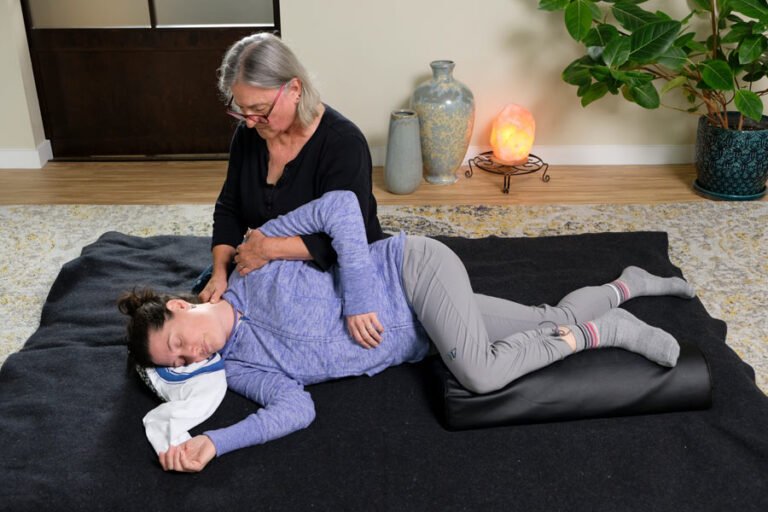
Relaxation plays a measurable role in overall health and disease prevention. Ongoing stress places pressure on the immune system, limiting its ability to defend against infections. Techniques such as Safe Prenatal Massage provide therapeutic relaxation while supporting circulation and hormonal balance. Research continues to show that structured bodywork reduces stress-related suppression of immune responses. Integrating massage into a wellness routine promotes both mental calm and physiological resilience, offering a proactive way to strengthen the body’s natural defense mechanisms without medication.

The Link Between Stress Reduction and Immunity

Chronic stress triggers the release of cortisol and adrenaline, hormones that interfere with immune cell production and activity. Elevated cortisol levels reduce lymphocyte efficiency, leaving the body vulnerable to illness. Massage therapy decreases these stress hormones while increasing serotonin and dopamine, which stabilize mood and support restorative processes. Balanced hormone levels allow immune cells to respond more effectively to pathogens. Regular sessions contribute to sustained stress management, creating conditions where the immune system can function at optimal capacity.

How Massage Stimulates the Immune System

Massage activates circulation, delivering oxygen and nutrients to tissues more efficiently. Improved blood flow assists white blood cells in traveling throughout the body to detect and eliminate threats. Lymphatic movement also increases during massage, accelerating the removal of toxins and metabolic waste. Clinical findings suggest measurable improvements in natural killer cell activity after consistent therapy sessions. These physiological responses demonstrate how massage directly supports immune strength rather than serving only as a relaxation technique.

Key Benefits of Regular Massage for Immunity

Consistent therapy offers multiple measurable advantages:

  • Enhances circulation, improving nutrient and oxygen delivery to cells.
  • Promotes lymphatic drainage, assisting in detoxification.
  • Reduces stress hormones, allowing immune cells to function optimally.
  • Improves sleep quality, which supports immune repair processes.
  • Helps manage inflammation, lowering the risk of chronic illness.

Each benefit contributes to a stronger and more responsive immune defense system.

Different Types of Massage That Support Immunity

Swedish Massage

Swedish massage uses long, flowing strokes combined with kneading and circular movements. This method reduces muscle tension while stimulating circulation and lymphatic flow. Gentle pressure encourages relaxation without overwhelming sensitive tissues, making it suitable for individuals seeking stress relief. Increased blood movement supports immune cell transportation, while the calming effect lowers cortisol levels. Consistent Swedish sessions create a balanced internal environment where immune responses can operate more efficiently.

Deep Tissue Massage

Deep tissue massage targets underlying muscle layers and connective tissue. Firm pressure releases chronic tension that may restrict circulation. Restored blood flow improves oxygen delivery and cellular repair processes. Reduced muscular inflammation supports overall immune resilience. Individuals experiencing physical strain or occupational stress often benefit from this structured technique, as it addresses both mechanical tension and hormonal stress triggers that impact immune efficiency.

Aromatherapy Massage

Aromatherapy massage incorporates essential oils selected for calming or restorative properties. Lavender, eucalyptus, and chamomile are commonly used to support relaxation and respiratory comfort. Combined with massage techniques, these oils may influence mood and reduce stress perception. Lower psychological stress contributes to balanced immune responses. This approach addresses both emotional wellbeing and physical circulation, supporting comprehensive immune health.

Reflexology

Reflexology applies targeted pressure to specific points on the feet and hands believed to correspond with organ systems. Stimulating these areas may influence nerve pathways and circulation. Improved relaxation and balanced energy flow contribute to reduced stress hormone production. Supporters of reflexology report improved sleep and digestive comfort, both essential for maintaining immune strength. Structured sessions provide a focused yet gentle method of promoting overall wellness.

Massage and Lifestyle: A Holistic Approach

Massage works most effectively alongside balanced nutrition, consistent physical activity, and restorative sleep. Nutrient-rich diets supply the vitamins and minerals immune cells require for proper function. Moderate exercise improves cardiovascular efficiency, complementing the circulatory benefits of massage. Mindful breathing and meditation practices further regulate stress hormones. Combining these habits creates a comprehensive strategy that strengthens immune defenses while supporting long-term vitality and resilience.

Scientific Evidence Supporting Massage for Immune Health

Clinical research has documented increased natural killer cell counts and reduced inflammatory markers following routine massage therapy. Participants experiencing occupational stress demonstrated measurable immune improvements after several weeks of consistent sessions. Pregnant individuals receiving structured prenatal massage reported lower stress indicators and better sleep patterns. Older adults also showed improvements in immune markers associated with infection resistance. These findings support massage as a complementary health strategy grounded in measurable physiological outcomes.

Practical Tips for Incorporating Massage Into Your Routine

Scheduling weekly or bi-weekly sessions offers consistent immune support. Selecting a licensed therapist ensures proper technique and safety standards. Individuals with specific health concerns should consult healthcare professionals to determine appropriate intensity levels. Self-massage tools such as foam rollers and massage balls provide supplementary benefits between appointments. Maintaining hydration after sessions supports lymphatic activity and metabolic waste removal, reinforcing the immune-supporting effects of therapy.

Conclusion

Massage therapy supports immune strength through stress reduction, improved circulation, enhanced lymphatic flow, and inflammation management. Consistent sessions promote hormonal balance and restorative sleep, both essential for effective immune responses. Viewing massage as part of preventive healthcare rather than occasional indulgence encourages long-term wellness benefits. Exploring professional massage services or structured self-care routines can provide meaningful support for maintaining a resilient and responsive immune system.

FAQs

1. Can massage therapy really strengthen the immune system?
Research indicates massage reduces cortisol, improves circulation, and increases natural killer cell activity, all contributing to stronger immune defenses.

2. How often should massage be scheduled for immune benefits?
Weekly or bi-weekly sessions are commonly recommended for consistent stress management and immune support.

3. Which massage type is best for immune health?
Swedish, deep tissue, aromatherapy, and reflexology each support immunity through stress reduction and improved circulation.

4. Does massage help reduce inflammation?
Massage can lower inflammatory markers and improve blood flow, which supports tissue repair and immune efficiency.

5. Is prenatal massage safe for immune support?
Safe Prenatal Massage is designed specifically for pregnancy and can reduce stress while promoting healthy circulation under professional guidance.

Massage therapy has been used for centuries to relieve tension and promote overall well-being. Techniques such as deep tissue, Swedish, and Shiatsu massage focus on both the body and mind. Programs like the Shiatsu Massage Training Course Online highlight the importance of proper methods to achieve maximum results. Modern studies show massage reduces stress, enhances circulation, supports emotional balance, and improves flexibility. Integrating regular sessions into personal routines creates a holistic approach to wellness, supporting energy balance, improved posture, and long-term physical and mental health, making massage an essential part of self-care.

Physical Health Improvements Through Massage

Massage therapy delivers clear benefits to the physical body. Muscle tension, stiffness, and soreness are reduced through targeted pressure and specialized techniques. Circulation improves, allowing oxygen and nutrients to reach tissues more efficiently. Deep tissue and Swedish massage can accelerate recovery from injuries by reducing inflammation. Massage also enhances joint flexibility and range of motion, supporting mobility in daily activities. Individuals of all ages benefit, from athletes recovering from training to older adults seeking relief from chronic pain. Consistent massage strengthens muscles, reduces fatigue, and contributes to long-term physical health and vitality.

Mental Health and Emotional Well-being

Massage therapy significantly influences mental health and emotional balance. It lowers cortisol levels while stimulating serotonin and dopamine, creating a calm and relaxed state. Regular sessions reduce anxiety, improve mood, and promote restorative sleep. The nurturing aspect of touch fosters a sense of comfort and emotional security. Over time, individuals experience greater mental clarity and improved resilience to stress. Integrating massage with mindfulness techniques amplifies these effects. Emotional and mental well-being benefits combine with physical improvements, making massage a central practice for holistic health and supporting both body and mind simultaneously.

Enhancing Holistic Health Through Stress Reduction

Chronic stress can impair multiple systems, including the cardiovascular, digestive, and immune systems. Massage therapy activates the parasympathetic nervous system, inducing relaxation and reducing tension. Techniques like aromatherapy massage or gentle Swedish methods provide additional calming effects. By addressing physical tension and emotional stress simultaneously, massage supports overall resilience and improved daily functioning. Reduced stress leads to better focus, improved energy, and enhanced immune response. Incorporating massage into a weekly routine allows individuals to manage stress proactively. Stress reduction through massage is an effective tool to maintain holistic wellness and prevent long-term health complications.

Key Holistic Health Benefits of Massage

  • Improved Circulation: Increases blood flow, supplying oxygen and nutrients efficiently.
  • Pain Relief: Reduces chronic pain and muscle soreness naturally.
  • Enhanced Flexibility: Loosens muscles, supporting mobility and daily activities.
  • Stress Management: Lowers cortisol levels and encourages relaxation.
  • Mental Clarity: Supports emotional balance and reduces anxiety.
  • Immune Support: Stimulates lymphatic drainage, enhancing immune function.

Regular massage combines these benefits, creating a holistic wellness approach that strengthens both physical and emotional health.

Supporting Immune Function and Overall Wellness

Massage positively affects the immune system by improving circulation and stimulating lymphatic flow. The body eliminates toxins more efficiently, supporting immune cell function and reducing illness risk. These benefits also contribute to faster recovery from minor ailments. Massage complements other holistic health strategies, including nutrition, exercise, and adequate sleep. Incorporating massage into a lifestyle promotes long-term wellness and resilience. Individuals practicing consistent massage experience improved energy, reduced fatigue, and stronger defenses against stress and illness, making it a practical preventive care tool for maintaining balanced physical and mental health over time.

Integrating Massage Into Daily Life

Daily routines can include massage without relying solely on professional sessions. Self-massage, foam rollers, and massage tools can provide relief between appointments. Combining these practices with proper nutrition, exercise, and mindfulness enhances holistic benefits. Short daily sessions improve muscle relaxation, reduce tension, and elevate energy levels. Individuals experience improved focus, mobility, and mood through consistent attention to muscle and mental health. Creating a habit of daily relaxation reinforces self-care practices. Regular massage, whether professional or self-administered, contributes to a balanced, sustainable approach to wellness, supporting long-term physical, mental, and emotional well-being.

The Role of Education and Professional Guidance

Proper training ensures massage is applied safely and effectively. Courses like the Shiatsu Massage Training Course Online teach anatomy, physiology, and correct pressure application. Practitioners gain skills to target specific muscle groups and adapt techniques to individual needs. Understanding energy pathways and therapeutic methods maximizes both physical and emotional benefits. Education reduces the risk of injury while improving client outcomes. Trained guidance supports holistic health by combining physical relief with emotional support. Knowledgeable practitioners provide therapeutic massage that promotes lasting wellness, offering a professional approach that complements self-care practices and strengthens overall health.

Long-Term Benefits and Lifestyle Impact

Regular massage therapy produces lasting benefits for overall quality of life. Individuals report sustained pain relief, improved flexibility, better sleep, and enhanced mental resilience. Consistent sessions support energy levels, posture, and immune function. Addressing physical, emotional, and mental needs simultaneously ensures a comprehensive approach to wellness. Integrating massage into routines encourages preventive care and stress management. Those who make massage part of their lifestyle experience improved daily functioning and vitality. Over time, this practice reinforces healthy habits, enhances holistic balance, and promotes long-term well-being, making massage a foundational element of a wellness-focused lifestyle.

Conclusion

Massage therapy is a vital component of holistic health. It addresses physical tension, mental clarity, emotional balance, and immune support in a single practice. Programs like the Shiatsu Massage Training Course Online teach proper techniques that maximize benefits. Consistent practice reduces pain, improves flexibility, lowers stress, and supports overall wellness. Incorporating massage into daily life, whether professionally or through self-care techniques, strengthens resilience, energy, and emotional stability. Massage serves as a cornerstone of long-term well-being, encouraging a lifestyle centered on harmony, balance, and sustained health for both mind and body.

FAQs

1. How often should massage therapy be practiced for holistic benefits?
Weekly sessions are ideal, though self-massage and short daily practices enhance results and maintain muscle health.

2. Can massage improve mental clarity and emotional balance?
Yes, massage lowers cortisol, releases serotonin, and fosters calmness, supporting mental resilience and emotional stability.

3. Which massage types best support overall wellness?
Shiatsu, Swedish, and deep tissue massages provide physical relief, stress reduction, and improved flexibility.

4. How does massage support the immune system?
Massage enhances lymphatic flow and circulation, aiding toxin removal and strengthening immune function.

5. Are self-massage techniques effective between sessions?
Yes, foam rollers, massage balls, and guided self-massage maintain muscle relaxation and support stress relief.