
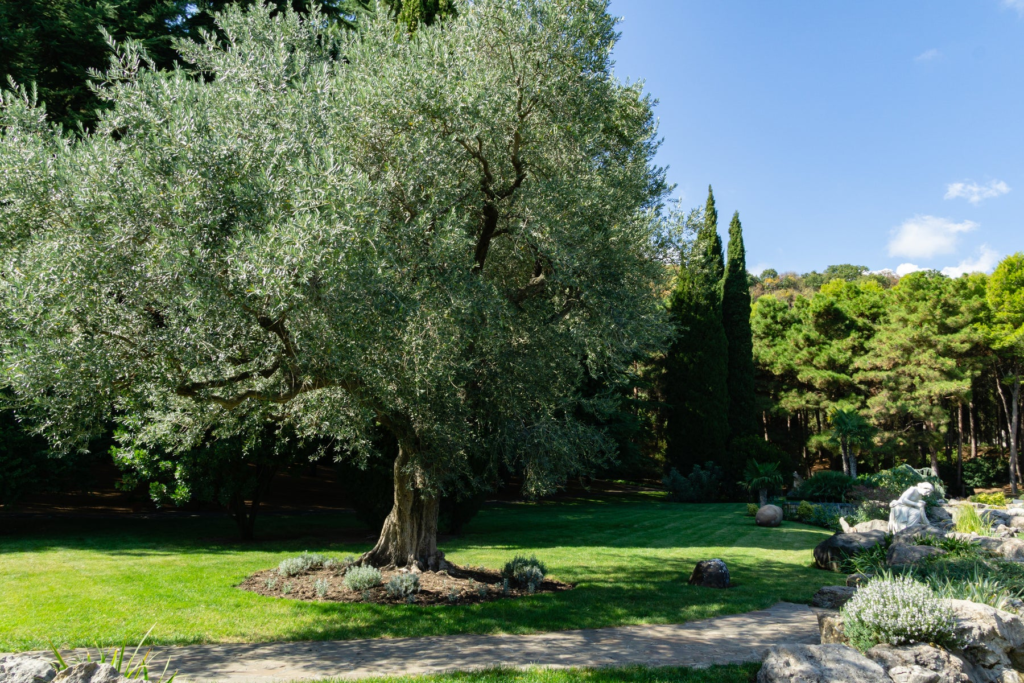
Modern garden design increasingly focuses on natural, sustainable, and visually balanced outdoor spaces. One of the most widely used landscaping solutions for privacy and structure is hedge plants, which create living boundaries instead of artificial barriers. Among the many options available, the Olive Tree has gained attention for its unique combination of durability, elegance, and adaptability, making it a strong candidate for both decorative and functional hedging.
Understanding Hedge Plants in Landscaping
Hedge plants are an essential part of landscape architecture because they help define outdoor spaces while maintaining a natural aesthetic. Unlike fences or walls, hedges grow and evolve over time, blending seamlessly into the environment. They are commonly used to provide privacy, reduce noise, and create visual structure in gardens. In contemporary gardening practices, hedge plants are no longer limited to traditional shrubs. Gardeners and landscapers now explore trees and ornamental species that offer texture, longevity, and ecological value. This shift has increased interest in more versatile plants like olive trees, which bring both form and function to garden design.
Why Olive Trees are Suitable as Hedge Plants
The Olive Tree is native to Mediterranean climates and is well known for its resilience in dry, warm environments. Its evergreen foliage, slow growth rate, and ability to withstand pruning make it particularly suitable for hedging purposes. Unlike fast-growing hedge shrubs that may require frequent replacement, olive trees offer long-term stability once established. When used as hedge plants, olive trees provide a soft yet structured appearance. Their silvery-green leaves create a calming visual effect, while their woody branches form a strong natural barrier over time. With consistent pruning, they can be shaped into neat rows or allowed to maintain a more organic, rustic hedge form depending on design preferences.
Growth Characteristics and Planting Approach
The success of using olive trees as hedge plants depends largely on planting technique and spacing. In landscape design, these trees are typically planted in rows to encourage lateral growth and form a continuous screen. Over time, as the trees mature, their branches begin to merge visually, creating a dense yet natural boundary. Unlike conventional hedges that may reach full density quickly, olive trees develop gradually. This slower growth requires patience, but it also results in a more stable and long-lasting structure. Proper spacing ensures that each tree has enough room to establish roots while still contributing to a unified hedge appearance as they mature.
Maintenance and Long-Term Care
Maintaining olive trees as hedge plants requires regular but moderate care. Pruning plays a key role in shaping their growth and encouraging density. Gardeners typically prune olive hedges once or twice a year to control height, encourage branching, and maintain uniformity. This process also improves airflow within the hedge, reducing the risk of disease and promoting healthier growth overall. One of the advantages of olive trees is their strong response to pruning, which allows them to regenerate and maintain shape effectively over time.
Environmental and Aesthetic Benefits
Beyond their practical use as hedge plants, olive trees offer several environmental and aesthetic advantages. Their evergreen nature ensures year-round coverage, making them ideal for privacy screening in residential and commercial gardens. Their ability to thrive in low-water conditions also makes them a sustainable choice for regions experiencing dry climates or water restrictions. The Olive Tree also contributes to biodiversity by providing shelter for birds and beneficial insects. Its natural resistance to harsh conditions reduces the need for chemical treatments or intensive maintenance, aligning well with eco-friendly gardening practices. Visually, olive hedges bring a timeless Mediterranean charm that enhances both modern and traditional landscapes.
Conclusion
The growing popularity of hedge plants reflects a broader shift toward natural and sustainable landscaping solutions. Among these, the olive tree stands out as a versatile and long-lasting option that combines functionality with aesthetic appeal. When properly planted and maintained, olive trees can form elegant living hedges that provide privacy, structure, and environmental benefits. As interest in Mediterranean-style gardening continues to rise, olive trees are likely to remain a preferred choice for gardeners seeking durable and visually appealing hedge solutions that stand the test of time.