
Electricity has become one of the most important parts of daily life. Homes, offices, schools, hospitals, factories, and farms all depend on a stable power supply. Behind this smooth power flow, many electrical devices work together to deliver electricity safely and efficiently.
One of the most important devices in this system is the distribution transformer. It helps deliver electricity from power stations to homes and commercial buildings at the correct voltage level. Without it, the electricity supplied through transmission lines would be too high and unsafe for regular use.
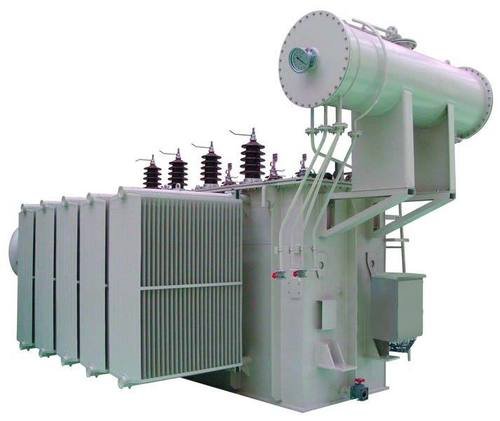
A distribution transformer is specially designed to reduce high voltage electricity into lower voltage electricity that can be safely used in residential, industrial, and commercial areas. These transformers play a major role in every electricity distribution network and are commonly seen mounted on poles or installed inside substations.
In this blog, we will understand the meaning, features, types, working process, applications, advantages, and functions of distribution transformers in very simple language.
What Is a Distribution Transformer?
A distribution transformer is an electrical device used to step down voltage from medium voltage levels to lower voltage levels suitable for consumers.
Electricity generated at power plants travels through transmission lines at very high voltages. Before this electricity reaches homes and businesses, the voltage must be reduced. Distribution transformers perform this important task.
For example:
- Transmission voltage may be 11kV or 33kV
- Distribution transformers reduce it to 415V or 230V
- This lower voltage becomes safe for daily use
These transformers are usually installed near residential areas, factories, markets, villages, and commercial buildings.
Why Distribution Transformers Are Important
Distribution transformers are essential because electrical appliances cannot operate directly on high transmission voltage.
Their main importance includes:
- Safe electricity supply
- Voltage regulation
- Continuous power distribution
- Reduced electrical losses
- Reliable electricity for end users
Without these transformers, it would be impossible to provide usable electricity to consumers.
Main Features of Distribution Transformer
Distribution transformers are designed for continuous operation and high efficiency. Below are some important features.
1. High Energy Efficiency
These transformers work continuously throughout the day. Therefore, they are designed to reduce power losses and improve energy efficiency.
High efficiency helps:
- Save electricity
- Lower operating costs
- Improve overall system performance
2. Step-Down Voltage Function
The primary purpose of a distribution transformer is to reduce voltage levels.
Example:
- Input voltage: 11kV
- Output voltage: 415V or 230V
This makes electricity safe for homes and businesses.
3. Continuous Operation
Distribution transformers operate 24 hours a day without interruption. They are built for long-term continuous performance.
This feature is important for:
- Residential supply
- Industrial operations
- Public infrastructure
4. Compact Design
Many distribution transformers are compact and easy to install.
They can be:
- Pole-mounted
- Pad-mounted
- Ground-mounted
Their compact size saves installation space.
5. Good Voltage Regulation
Voltage fluctuations can damage appliances. Distribution transformers help maintain stable voltage output for consumers.
This improves:
- Appliance safety
- Equipment life
- Stable electricity supply
6. Low Maintenance
Modern transformers require less maintenance when properly installed and monitored.
Basic maintenance includes:
- Oil checking
- Cleaning
- Temperature monitoring
- Inspection of electrical parts
7. Durable Construction
These transformers are designed to handle different weather conditions like:
- Heat
- Rain
- Dust
- Humidity
This durability makes them suitable for outdoor installation.
Main Components of a Distribution Transformer
A distribution transformer contains several important parts that help it function properly.
Core
The transformer core is made of laminated steel sheets. It provides a path for magnetic flux.
Windings
Windings are insulated copper or aluminum coils.
There are two types:
- Primary winding
- Secondary winding
These windings help transfer electrical energy.
Transformer Oil
Transformer oil is used for:
- Cooling
- Insulation
It prevents overheating during operation.
Tank
The transformer tank protects internal parts from dust, moisture, and environmental damage.
Bushings
Bushings allow safe connection of external electrical conductors to the transformer.
Conservator
The conservator stores transformer oil expansion caused by temperature changes.
Breather
The breather controls moisture entering the transformer tank.
Working Principle of Distribution Transformer
The working principle of a distribution transformer is based on electromagnetic induction.
Here is the simple process:
- Alternating current flows through the primary winding.
- This creates a magnetic field in the transformer core.
- The magnetic field induces voltage in the secondary winding.
- The secondary winding produces lower voltage output.
This process allows safe voltage conversion without direct electrical connection between windings.
Types of Distribution Transformer
Different types of distribution transformers are used depending on application and installation requirements.
1. Pole-Mounted Distribution Transformer
These transformers are mounted on electric poles.
They are commonly used in:
- Villages
- Residential streets
- Small towns
Advantages
- Easy installation
- Lower cost
- Space saving
2. Pad-Mounted Distribution Transformer
Pad-mounted transformers are installed on the ground inside locked metal cabinets.
They are commonly used in:
- Commercial buildings
- Urban areas
- Underground cable systems
Advantages
- Improved safety
- Better appearance
- Reduced electrical hazards
3. Single-Phase Distribution Transformer
Single-phase transformers are used for small electrical loads.
Applications include:
- Homes
- Shops
- Rural areas
4. Three-Phase Distribution Transformer
Three-phase transformers are used for heavy electrical loads.
Applications include:
- Factories
- Industrial plants
- Large commercial buildings
Benefits
- Higher power capacity
- Better efficiency
- Stable operation
5. Oil-Immersed Distribution Transformer
These transformers use insulating oil for cooling.
Advantages
- Better cooling
- High efficiency
- Longer life
They are widely used in outdoor installations.
6. Dry-Type Distribution Transformer
Dry-type transformers use air instead of oil for cooling.
Applications include:
- Indoor buildings
- Hospitals
- Schools
- Shopping malls
Advantages
- Lower fire risk
- Environment friendly
- Safe indoor operation
Functions of Distribution Transformer
Distribution transformers perform several important functions in electrical systems.
Voltage Reduction
Their main job is reducing voltage from distribution lines to usable levels.
Safe Electricity Supply
They help provide electricity safely to consumers.
Power Distribution
They distribute electrical energy across residential and commercial areas.
Electrical Isolation
Transformers isolate primary and secondary circuits for improved safety.
Energy Efficiency Improvement
Modern transformers help reduce power loss in the distribution network.
Applications of Distribution Transformer
Distribution transformers are used in many industries and locations.
Residential Areas
They supply electricity to:
- Homes
- Apartments
- Housing societies
Commercial Buildings
Used in:
- Offices
- Shopping malls
- Hotels
- Restaurants
Industrial Sector
Factories and industrial plants require transformers for machinery and equipment operation.
Hospitals
Hospitals need stable and uninterrupted electricity supply for medical equipment.
Educational Institutions
Schools and colleges use transformers for safe electricity distribution.
Agricultural Sector
Distribution transformers are used in:
- Irrigation systems
- Water pumps
- Rural electrification
Renewable Energy Systems
Solar and wind power systems also use transformers for voltage management.
Advantages of Distribution Transformer
Distribution transformers offer many advantages in modern electrical systems.
Reliable Power Supply
They help ensure continuous electricity distribution.
Improved Safety
Voltage reduction makes electricity safer for end users.
Lower Energy Loss
Efficient transformers reduce electrical losses during power distribution.
Long Service Life
Properly maintained transformers can operate for many years.
Flexible Installation
Different transformer types support different installation methods.
Better Voltage Stability
They help maintain proper voltage levels for electrical appliances.
Difference Between Power Transformer and Distribution Transformer
Many people confuse power transformers with distribution transformers. However, both serve different purposes.
| Feature | Power Transformer | Distribution Transformer |
|---|---|---|
| Main Use | Transmission network | Distribution network |
| Voltage Level | Very high voltage | Medium to low voltage |
| Installation | Power stations | Near consumers |
| Load Condition | Full load operation | Variable load operation |
| Efficiency Focus | Full load efficiency | All-day efficiency |
Factors to Consider When Choosing a Distribution Transformer
Choosing the right transformer is important for system performance and safety.
Load Requirement
The transformer must support the total electrical load.
Voltage Rating
Input and output voltage ratings must match system requirements.
Installation Location
Indoor and outdoor installations may require different transformer types.
Cooling Method
Choose between:
- Oil-cooled
- Air-cooled
based on operating conditions.
Efficiency
Higher efficiency transformers help reduce electricity costs.
Safety Standards
Always select transformers that meet industry safety standards.
Maintenance of Distribution Transformer
Regular maintenance increases transformer life and improves performance.
Oil Testing
Transformer oil should be tested regularly for insulation quality.
Temperature Monitoring
Excessive temperature can damage transformer components.
Cleaning
Dust and dirt should be removed from external surfaces.
Inspection of Connections
Loose electrical connections can create faults and overheating.
Leakage Checking
Oil leakage should be repaired immediately.
Common Problems in Distribution Transformers
Like any electrical equipment, transformers can face problems.
Overheating
Caused by:
- Overloading
- Poor cooling
- Faulty connections
Oil Leakage
Oil leakage reduces cooling efficiency.
Insulation Failure
Damaged insulation may lead to electrical faults.
Voltage Fluctuation
Improper voltage regulation affects connected equipment.
Noise and Vibration
Mechanical issues inside the transformer may create unusual sounds.
Safety Tips for Distribution Transformer Operation
Safety is very important when handling electrical equipment.
Avoid Overloading
Never exceed transformer capacity.
Perform Regular Inspection
Routine inspection helps identify issues early.
Use Proper Earthing
Correct grounding improves electrical safety.
Keep Area Clean
Maintain clean surroundings around transformer installations.
Follow Electrical Standards
All installation and maintenance work should follow approved standards.
Future of Distribution Transformers
Modern power systems are changing rapidly. Distribution transformers are also becoming smarter and more efficient.
Smart Transformers
Smart transformers can:
- Monitor voltage automatically
- Improve energy management
- Support smart grids
Energy Efficient Designs
New transformer designs focus on:
- Lower losses
- Better cooling
- Eco-friendly materials
Renewable Energy Integration
Transformers will continue supporting:
- Solar power systems
- Wind energy systems
- Electric vehicle infrastructure
Role of Distribution Transformers in Smart Cities
Smart cities require advanced electrical infrastructure. Distribution transformers help support these systems by providing reliable electricity.
They support:
- Smart buildings
- Public transport
- Data centers
- Automated infrastructure
Modern transformers are becoming important for future urban development.
Conclusion
A distribution transformer is one of the most important parts of any electrical distribution system. It safely reduces high voltage electricity into lower voltage electricity suitable for homes, businesses, industries, and public facilities.
These transformers offer many benefits including efficient power distribution, voltage regulation, improved safety, and reliable electricity supply. Different types of transformers are available for different applications, including pole-mounted, pad-mounted, dry-type, and oil-immersed transformers.
As electricity demand continues to grow, the importance of efficient and reliable transformers will also increase. Modern technologies are making transformers smarter, safer, and more energy efficient for future power systems.
For reliable electrical infrastructure and advanced transformer solutions, companies like Prabha Power continue supporting the growing energy needs of various industries and communities.