
The global textile industry is evolving rapidly as brands, manufacturers, and consumers demand more sustainable, functional, and high-performance materials. Innovations in fiber technology and textile processing are helping companies meet environmental goals while creating products with enhanced functionality. Among the most exciting developments are chitosan applications, active carbon fibers, and advanced approaches to textile dyeing.
These technologies are not only improving textile performance but also supporting the industry’s transition toward greener and more responsible manufacturing practices.
The Rising Importance of Chitosan Applications
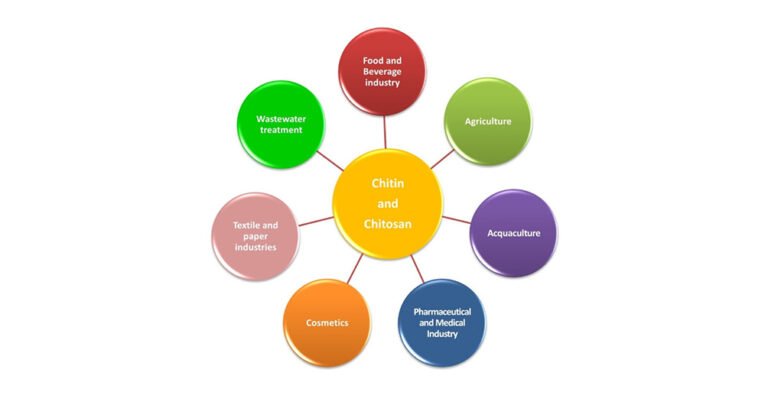
Chitosan is a natural biopolymer produced from chitin, which is commonly found in crustacean shells. Because it is biodegradable, renewable, and environmentally friendly, it has become increasingly valuable in modern textile development.
One of the leading chitosan applications is antimicrobial textile finishing. Fabrics treated with chitosan can help reduce bacterial growth, making them suitable for healthcare textiles, sportswear, socks, and personal hygiene products. As consumers become more conscious of hygiene and sustainability, the demand for naturally antimicrobial textiles continues to rise.
Chitosan is also used to improve dye fixation during textile dyeing. By enhancing the interaction between fibers and dyes, manufacturers can achieve better color retention while reducing the amount of chemicals required in the process. This not only lowers production costs but also minimizes environmental impact.
In technical textiles, chitosan contributes to moisture management, improved softness, and enhanced fabric performance. Its versatility makes it an attractive option for companies seeking sustainable innovations without compromising product quality.
Active Carbon Fibers: Advanced Materials for Functional Textiles
Another breakthrough material gaining attention is active carbon fibers (ACFs). These highly porous fibers possess exceptional adsorption capabilities and a significantly larger surface area than traditional activated carbon materials.
The primary advantage of active carbon fibers lies in their ability to absorb gases, odors, and various contaminants. This makes them ideal for use in protective clothing, air filtration systems, and industrial safety applications.
In the textile sector, active carbon fibers are increasingly used in:
- Protective garments
- Military uniforms
- Medical textiles
- Sportswear
- Air and water filtration products
Sportswear manufacturers particularly value active carbon fibers because they help manage odors and improve wearer comfort. Meanwhile, industrial users benefit from their ability to filter hazardous substances and improve workplace safety.
As demand for smart and functional textiles grows worldwide, active carbon fibers are becoming a key component in next-generation textile products.
Sustainable Innovations in Textile Dyeing
Traditional textile dyeing methods have long been associated with high water consumption, chemical discharge, and significant energy use. Today, textile manufacturers are investing in more sustainable dyeing technologies to reduce environmental impact while maintaining excellent product quality.
Modern dyeing innovations focus on:
Water Conservation
New dyeing systems significantly reduce water usage compared to conventional methods. Some technologies even enable near-waterless dyeing, helping manufacturers conserve one of the industry’s most valuable resources.
Natural Dye Solutions
The growing interest in natural dyes aligns perfectly with sustainable textile production. Plant-based colorants and bio-derived dye systems offer environmentally friendly alternatives to synthetic chemicals while providing unique aesthetic qualities.
Improved Dye Efficiency
Advanced dyeing processes improve color penetration and fixation, resulting in vibrant colors and better wash fastness. When combined with chitosan-based treatments, dye efficiency can increase even further while reducing chemical consumption.
Reduced Environmental Footprint
By minimizing wastewater generation and lowering chemical usage, modern textile dyeing technologies help manufacturers comply with stricter environmental regulations and sustainability standards.
Combining Innovation for Better Textile Performance
The real opportunity lies in combining these technologies. For example, manufacturers can use chitosan treatments to enhance dye uptake, incorporate active carbon fibers for odor control and filtration, and apply sustainable textile dyeing techniques to reduce environmental impact.
This integrated approach delivers multiple benefits:
- Enhanced fabric functionality
- Improved durability
- Better consumer comfort
- Reduced production waste
- Lower environmental footprint
- Greater product differentiation
As sustainability becomes a competitive advantage, textile companies that adopt these advanced materials and processes will be better positioned to meet market expectations and regulatory requirements.
Looking Ahead
The future of textiles will be shaped by innovation, sustainability, and performance. Chitosan applications are helping manufacturers create eco-friendly and antimicrobial fabrics. Active carbon fibers are enabling advanced filtration and protective textile solutions. Meanwhile, innovations in textile dyeing are reducing resource consumption and improving environmental outcomes.
Together, these technologies represent a powerful pathway toward a more sustainable textile industry. Businesses that invest in advanced fiber science and sustainable manufacturing practices today will be well-prepared for the challenges and opportunities of tomorrow’s textile market.