
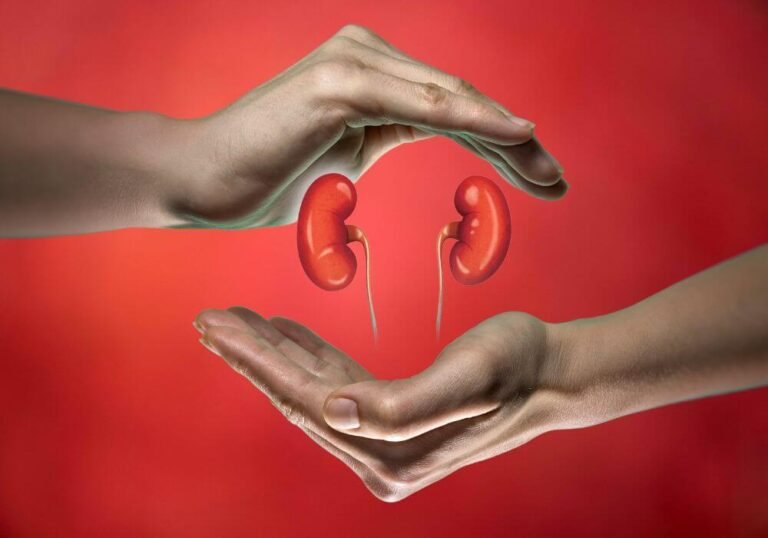
Protein Powder & Creatine: Are They Safe for Your Kidneys? (2026 Guide)
If you go to any gym today, you’ll notice one thing instantly: almost everyone is taking something. Protein shakes, creatine, pre-workout, fat burners you name it. And honestly, it’s not always a bad thing. Supplements can be useful when taken correctly.
But there’s one question people are asking more than ever in 2026:
“Is this safe for my kidneys?”
And it’s a valid concern. Because kidney problems don’t always show early symptoms. Many people only find out something is wrong when their creatinine is high, they feel unusual fatigue, or swelling starts showing up in the face and feet.
So let’s talk about it in a simple, real-world way — without fear, without drama, and without confusing medical language.
First: Protein powder is not “bad” but misuse is common
Protein powder is basically a convenient way to increase your daily protein intake. It’s not a steroid. It’s not poison. It’s just concentrated protein, usually made from whey, soy, or plant sources.
For most healthy adults, protein powder is safe when used properly.
The problem happens when people start doing things like:
- Taking 2–3 scoops daily without tracking total protein
- Combining protein powder with high-protein diet + supplements
- Not drinking enough water
- Taking low-quality products with poor ingredients
- Using it even when they already have kidney issues
And yes — in these cases, it can put stress on the kidneys.
What about creatine? (The most misunderstood supplement)
Creatine is one of the most researched supplements in fitness. It helps improve strength, performance, and muscle recovery.
For most healthy people, creatine is generally safe, especially when taken in normal doses (like 3–5 grams per day).
But here’s the important part most people don’t know:
Creatine can sometimes increase creatinine levels in blood tests.
And creatinine is also the marker doctors use to check kidney function.
So people see high creatinine in reports and panic.
That’s why it’s important to interpret reports correctly, and if needed, consult a kidney specialist instead of guessing.
If you’re worried, a consultation at the best kidney hospital in vadodara can help you understand whether the rise is due to kidney damage or just supplement effect.
Who should be careful with protein powder and creatine?
This is where it gets serious.
Protein and creatine are not “one-size-fits-all.” You should be extra careful if you have:
- High blood pressure
- Diabetes
- Family history of kidney disease
- Previous kidney stone history
- High creatinine or low eGFR in past tests
- Frequent dehydration (especially in hot weather)
- Long-term use of painkillers
In these cases, supplements may still be possible — but only with proper guidance.
If you already have early kidney damage, high protein intake can worsen the situation. That’s why doctors usually recommend customized protein limits for CKD patients.
The real risk: dehydration + high protein + poor supplement quality
In India, the biggest kidney risk is not protein itself.
It’s this combination:
Low water intake + intense workouts + high protein + low-quality supplements
This can increase the chance of:
- Kidney stones
- Urinary issues
- Increased load on kidney filtration
- Worsening kidney function in people with hidden kidney disease
This is especially common in summer, where people sweat a lot but still drink very little water.
Signs you should NOT ignore
If you are taking supplements and notice any of these, don’t ignore it:
- Frequent muscle cramps
- Unusual fatigue
- Swelling in face, feet, or ankles
- Foamy urine
- Burning or pain while urinating
- Lower back pain
- Sudden rise in blood pressure
- Dark yellow urine even after drinking water
These don’t always mean kidney damage — but they are strong reasons to get tested.
If symptoms persist, visiting the best kidney hospital in vadodara is a smart step, because early diagnosis is the difference between “small issue” and “long-term damage.”
What tests should you do if you use supplements?
If you take protein powder or creatine regularly, especially long-term, a simple check-up every few months can keep you safe.
Most doctors recommend:
- Serum creatinine
- eGFR
- Urine routine test
- Urine protein test
- Ultrasound (if you have stone history)
This is not overthinking — it’s basic health awareness.
And yes, many people in their 20s and 30s are now being diagnosed with early kidney issues, mostly due to lifestyle factors.
How to use protein powder safely (simple rules)
If you want practical advice, follow these:
- Don’t exceed your protein needs (more is not always better)
- Drink enough water daily
- Avoid cheap, unknown supplement brands
- Don’t mix too many supplements together
- Avoid “loading” creatine without medical advice
- Don’t take supplements if you already have kidney disease unless your doctor approves
Most importantly: don’t take supplements just because someone at the gym said so.
Final Thought: Supplements are tools, not shortcuts
Protein powder and creatine are not automatically dangerous. For many people, they can be safe and helpful. The real problem is misuse, dehydration, and ignoring early warning signs.
And if you ever feel confused about your reports, don’t panic and stop everything suddenly. Just get proper guidance.
A good consultation at the best Hospital in vadodara can help you understand your kidney health clearly, and decide what’s safe for your body.