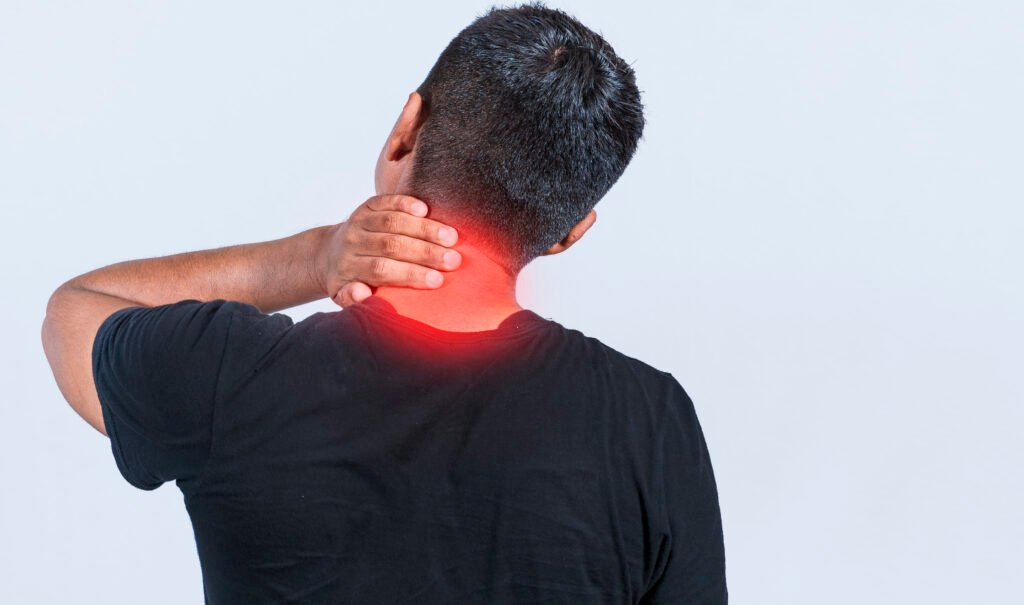
Waking up unable to turn your head comfortably or feeling tightness every time you look over your shoulder can quickly turn a normal day into a frustrating one. Stiff Neck and Limited Movement is more than temporary soreness; it often develops from prolonged screen use, poor posture, muscle strain, or underlying cervical spine stress. What begins as mild stiffness can gradually limit daily activities, driving, sleep, and even concentration.
Although occasional neck tightness may improve with rest, persistent pain or reduced mobility should not be ignored. Ongoing discomfort can indicate deeper muscle inflammation, joint irritation, or nerve involvement that requires proper evaluation and targeted care to prevent long-term complications.
What Does Stiff Neck and Limited Movement Mean?
A stiff neck describes muscle tightness, soreness, or difficulty moving the head comfortably in different directions. Limited movement happens when the cervical muscles, joints, or surrounding nerves become inflamed, strained, or irritated. You may feel discomfort while turning your head, looking up or down, or holding one position for too long.
This condition may begin suddenly after sleeping in an awkward position or gradually develop due to posture issues, repetitive strain, or daily stress. When stiffness continues or worsens, seeking professional Neck Pain Treatment in Dallas can help identify the underlying cause and restore healthy neck mobility.
Common Causes of Stiff Neck and Limited Movement
Several underlying factors can contribute to neck stiffness and reduced flexibility. Identifying the exact cause is essential for choosing the right treatment approach and preventing recurring discomfort.
1. Poor Posture (Tech Neck)
Spending long hours looking down at phones or working on computers shifts the head forward, placing extra stress on the cervical spine. Over time, this imbalance leads to muscle fatigue, tension buildup, and restricted movement. Poor posture can gradually turn mild stiffness into chronic neck pain.
2. Muscle Strain or Overuse
Sudden movements, lifting heavy objects, or even sleeping in an awkward position can strain neck muscles and ligaments. These micro-injuries trigger inflammation and tightness, limiting flexibility. Repetitive strain without proper recovery increases the risk of persistent stiffness.
3. Cervical Disc Problems
A herniated or bulging disc in the neck can compress nearby nerves, leading to pain, stiffness, and reduced range of motion. Disc-related issues often cause discomfort that radiates into the shoulders or arms. Early diagnosis helps prevent worsening nerve irritation.
4. Whiplash Injury
Neck stiffness after a car accident is common due to sudden forceful movement of the head and neck. Symptoms may not appear immediately but can intensify within days. Without proper care, whiplash injuries may result in long-term mobility issues.
5. Degenerative Conditions
Cervical spondylosis or degenerative disc disease can result in chronic pain and limited mobility. If symptoms include radiating pain, numbness, or weakness, consulting a Neck Pain Specialist in Dallas is recommended to determine whether nerve involvement is present.
Warning Signs of Stiff Neck and Limited Movement
Stiff Neck and Limited Movement can appear gradually or suddenly, depending on the underlying cause. Recognizing early symptoms helps prevent the condition from progressing into chronic neck pain or nerve-related complications. If symptoms continue to worsen, consulting a Pain Doctor in Dallas can help identify the source of discomfort early.
- Pain when turning or tilting the head: Discomfort increases with simple movements like looking over your shoulder or nodding.
- Persistent tightness in the neck and shoulders: Muscles may feel tense, heavy, or fatigued throughout the day.
- Headaches starting at the base of the skull: Tension in the upper cervical area can trigger recurring headaches.
- Neck pain radiating into the arms – Pain may travel down the shoulder and arm if nerves are irritated.
- Tingling or numbness in fingers: Nerve compression can cause unusual sensations or weakness in the hands.
- Reduced range of motion: Difficulty performing normal movements like driving or working comfortably.
- Increased stiffness after rest or sleep: Symptoms may feel worse in the morning or after long periods of inactivity.
When Is Stiff Neck a Serious Concern?
Seek immediate medical attention if neck stiffness is accompanied by:
- Fever
- Severe headache
- Sudden weakness in arms
- Loss of coordination
- Pain following trauma
Diagnosis of Stiff Neck and Limited Movement
Diagnosing stiff neck and restricted mobility begins with a comprehensive clinical evaluation. A healthcare provider carefully assesses range of motion, muscle strength, posture alignment, and neurological responses to determine whether the pain is muscular, joint-related, or nerve-based. Identifying the exact source of stiffness is essential for creating an effective treatment plan.
If underlying structural concerns are suspected, imaging tests such as X-rays or MRI scans may be recommended to evaluate disc health, joint integrity, or possible nerve compression. An experienced specialist like Dr. Rao K. Ali focuses on pinpointing the precise pain generator before suggesting treatment. This targeted approach avoids temporary symptom masking and promotes sustainable, long-term recovery.
Effective Treatment Options
Treatment depends on the underlying cause, severity of symptoms, and how long the stiffness has been present. A personalized plan focuses on reducing inflammation, restoring mobility, and preventing recurrence. For persistent discomfort, professional Neck Pain Treatment in Dallas may be recommended to address deeper cervical spine issues.
Rest and Activity Modification
Limiting movements that aggravate pain allows inflamed muscles and joints time to recover. However, complete inactivity is not advised. Gentle mobility exercises help prevent further stiffness and maintain circulation in the affected area.
Physical Therapy
Structured physical therapy strengthens weak neck and upper back muscles while improving posture and flexibility. Targeted stretching and strengthening exercises restore balance to the cervical spine and reduce long-term strain.
Heat and Cold Therapy
Cold therapy helps decrease inflammation during the acute phase of injury. Heat therapy relaxes tight muscles, improves blood flow, and reduces stiffness when applied appropriately.
Medications
Non-steroidal anti-inflammatory drugs (NSAIDs) may help control swelling and discomfort in the short term. Medications are typically used alongside other therapies rather than as a standalone solution for lasting relief.
Interventional Pain Management
For chronic or nerve-related pain, minimally invasive procedures may reduce inflammation and restore movement. Dr. Rao K. Ali provides structured, evidence-based treatment plans designed to improve function without unnecessary surgery.
Preventing Stiff Neck and Limited Movement
Preventing neck stiffness requires consistent daily habits and posture awareness. Small adjustments in routine can significantly reduce strain on the cervical spine and lower the risk of recurring discomfort.
Prevention strategies include:
- Keeping screens at eye level during work or device use
- Taking frequent stretching and posture correction breaks
- Strengthening neck and upper back support muscles
- Managing stress through relaxation and breathing techniques
- Improving workplace ergonomics with proper chair and desk setup
Final Thoughts
Stiff Neck and Limited Movement may start as mild tightness, but ignoring it can allow inflammation and mobility restrictions to worsen over time. Early, focused care not only restores flexibility but also protects the cervical spine from long-term damage. Addressing symptoms at the right time makes recovery smoother and more predictable.
If neck stiffness is interfering with your work, sleep, or daily routine, seeking evaluation from an experienced specialist like Dr. Rao K. Ali can help identify the true source of pain and create a personalized recovery plan. Many patients consider him the best pain doctor in Dallas for structured, evidence-based care that prioritizes lasting relief and improved quality of life.