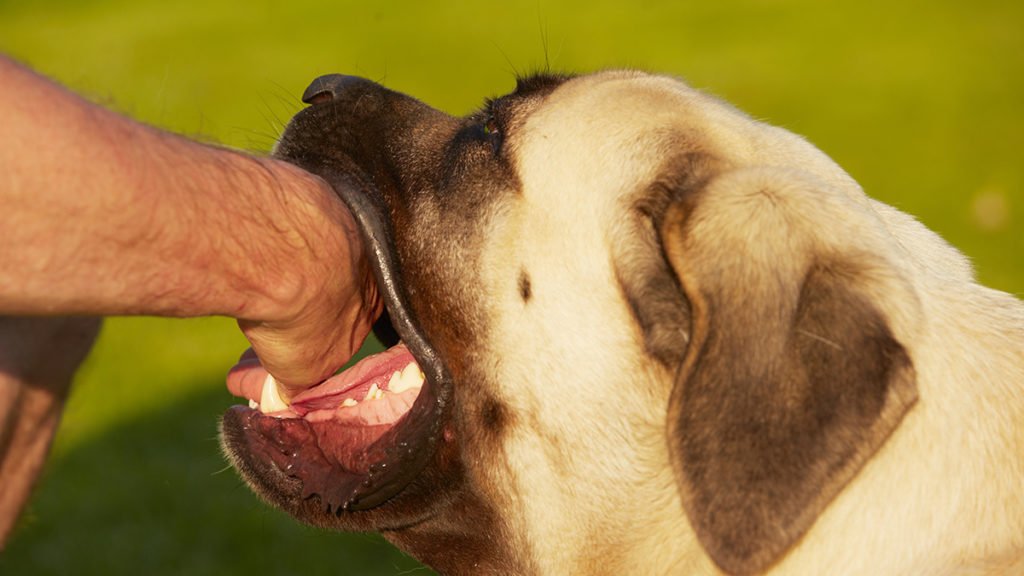
Dogs are beloved companions in millions of homes around the world. They provide friendship, protection, and emotional support, and for many people, they are considered part of the family. However, even the friendliest dog can bite under the wrong circumstances.
Dog bite prevention is more common than many people realize and can lead to serious physical and emotional harm, especially for children. Understanding how dog bites happen and how to prevent them is the key to staying safe around dogs and fostering positive human–dog relationships.
Understanding Why Dogs Bite
Dogs rarely bite for no reason. Most Dog bite prevention is a reaction to fear, pain, stress, or perceived threat. A dog may bite if it feels cornered, startled, or overwhelmed. Dogs also use their mouths to communicate, and a bite can be the final warning after subtler signals are ignored.
Common triggers for dog bites include:
- Fear or anxiety, such as during loud noises or unfamiliar situations
- Pain from injury or illness
- Protection of food, toys, territory, or puppies
- Being startled while sleeping or resting
- Rough handling, especially pulling ears or tails
Recognizing that biting is often a form of communication—not aggression—helps people respond more thoughtfully and safely around dogs.
Reading Dog Body Language
One of the most effective ways to Dog bite prevention is learning how to read a dog’s body language. Dogs usually show warning signs before they bite. Paying attention to these signals allows people to back away before a situation escalates.
Signs a dog may be stressed or uncomfortable include:
- Stiff body posture or frozen movement
- Growling, snarling, or snapping
- Ears pinned back against the head
- Whites of the eyes showing (“whale eye”)
- Tail tucked between the legs or held rigid
- Yawning, lip licking, or turning the head away
These signals are often misunderstood or ignored, especially by children. Teaching both adults and kids to recognize these signs can significantly reduce bite incidents.
Safe Behavior Around Dogs
Whether interacting with a family pet or an unfamiliar dog, certain safety rules should always be followed.
Around Familiar Dogs
Avoid disturbing dogs while they are eating, sleeping, or caring for puppies.
Do not tease dogs or take away food and toys.
Handle dogs gently; avoid pulling fur, ears, or tails.
Supervise all interactions between children and dogs.
Even trusted pets have limits, and respecting those boundaries helps prevent accidents.
Around Unfamiliar Dogs
Always ask the owner for permission before petting a dog.
Let the dog approach you rather than reaching out first.
Avoid direct staring, which dogs may interpret as a challenge.
Do not approach tied, fenced, or confined dogs.
If a dog seems nervous or uninterested, it is best to keep your distance.
Teaching Children Bite Prevention
Children are at the highest risk for Dog bite prevention, particularly to the face and neck. Teaching children how to behave around dogs is one of the most important steps in prevention.
Key lessons for children include:
Never hug or climb on a dog
Do not approach dogs that are eating or sleeping
Ask permission before petting any dog
Stay still like a “tree” if a dog approaches unexpectedly
Parents and caregivers should always supervise young children around dogs, even family pets. Supervision is not just being in the same room—it means actively watching interactions and stepping in when needed.
What to Do If a Dog Approaches You
Knowing how to react if an unfamiliar dog approaches can help prevent a bite. Sudden movements or panic can make a situation worse.
If a dog approaches:
- Stay calm and still
- Keep your hands at your sides
- Avoid eye contact
- Speak calmly, if necessary
If a dog becomes aggressive:
Put an object (such as a backpack or jacket) between you and the dog
Slowly back away when it is safe to do so
If knocked down, curl into a ball and protect your face and neck
These actions can help minimize injury and give the dog time to calm down.
Responsible Dog Ownership and Bite Prevention
In dog bite prevention, owners play a crucial role in preventing bites. Responsible ownership benefits both the dog and the community.
Important responsibilities include:
Socializing dogs from an early age
Providing proper training and obedience guidance
Keeping dogs on a leash in public spaces
Spaying or neutering, which can reduce aggressive behavior
Ensuring dogs receive regular veterinary care
Owners should also be honest about their dog’s behavior and avoid placing dogs in situations where they may feel overwhelmed or threatened.
After a Dog Bite: What to Do
Despite best efforts, dog bites can still occur. Knowing what to do afterward is important for health and safety.
After a bite:
Wash the wound immediately with soap and water
Seek medical attention, especially for deep or puncture wounds
Report the bite to local authorities if required
Monitor for signs of infection
Prompt medical care reduces the risk of infection and complications and ensures appropriate follow-up.
Building Safer Communities
Dog bite prevention is a shared responsibility. Education, awareness, and empathy go a long way toward reducing incidents. When people understand dog behavior and respect canine boundaries, dogs are less likely to feel threatened or stressed.
Community programs, school education, and public awareness campaigns can help spread knowledge about dog safety. Encouraging responsible pet ownership and teaching children early about respectful behavior around animals can create safer environments for everyone.
Conclusion
Dogs enrich our lives in countless ways, but safety must always come first. By understanding why dogs bite, learning to read their body language, practicing safe behavior, and teaching children how to interact respectfully, we can greatly reduce the risk of dog bites.
Staying safe around dogs is not about fear; it’s about knowledge, respect, and responsible behavior. When humans and dogs understand each other better, both can coexist happily and safely.