Introduction
In today’s industrial landscape, efficiency, safety, and durability are critical factors that influence operational success. Industries such as oil and gas, chemical processing, manufacturing, and power generation rely heavily on robust fluid transfer systems to ensure seamless performance.
Among the most reliable components used in these systems are stainless steel hoses. Known for their strength, flexibility, and resistance to extreme conditions, these hoses have become a preferred choice for handling fluids and gases in demanding environments.
Unlike conventional rubber or plastic hoses, stainless steel hoses offer superior performance, making them an essential solution for modern industrial applications. This guide provides a comprehensive understanding of stainless steel hoses, their features, applications, benefits, and selection criteria.
What Are Stainless Steel Hoses?
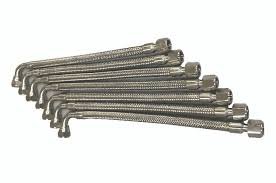
Stainless steel hoses are flexible metal hoses made from stainless steel, designed to transport liquids and gases under high pressure and temperature conditions. They are typically constructed with a corrugated inner core and may include an outer braided layer for additional strength.
These hoses are widely used in applications where durability, flexibility, and resistance to harsh environments are required.
Key Features of Stainless Steel Hoses
1. High Strength and Durability
Stainless steel provides excellent resistance to mechanical stress, ensuring long-term reliability.
2. Temperature Resistance
These hoses can withstand extreme temperatures, making them suitable for high-heat applications.
3. Corrosion Resistance
Ideal for use in environments exposed to chemicals, moisture, and harsh conditions.
4. Flexibility
The corrugated design allows the hose to bend without compromising its structural integrity.
5. Pressure Handling Capability
Designed to handle high-pressure systems efficiently and safely.
Types of Stainless Steel Hoses
1. Corrugated Stainless Steel Hoses
Feature a flexible inner structure that allows movement and vibration absorption.
2. Braided Stainless Steel Hoses
Include an outer braid for enhanced strength and pressure resistance.
3. Annular Corrugated Hoses
Provide uniform flexibility and are commonly used in dynamic applications.
4. Helical Corrugated Hoses
Offer improved flexibility for specific applications.
Structure and Components
Stainless steel hoses typically consist of:
1. Inner Core
A corrugated stainless steel tube that provides flexibility and flow capability.
2. Outer Braiding (Optional)
Adds strength and prevents expansion under pressure.
3. End Fittings
Ensure secure connections to pipelines and equipment.
This structure ensures optimal performance in demanding environments.
Applications Across Industries
1. Oil and Gas Industry
Used for transferring fuels, gases, and chemicals under high pressure.
2. Chemical Processing
Handles corrosive substances safely and efficiently.
3. Power Generation
Used in steam lines and high-temperature systems.
4. Manufacturing Sector
Supports machinery requiring flexible connections.
5. HVAC Systems
Used for transporting air, gas, and liquids.
Advantages Over Conventional Hoses
1. Longer Lifespan
Stainless steel hoses last significantly longer than rubber or plastic alternatives.
2. Enhanced Safety
Reduced risk of leaks and failures in critical applications.
3. Versatility
Suitable for a wide range of fluids and operating conditions.
4. Low Maintenance
Durable construction minimizes maintenance requirements.
Importance of Flexibility in Industrial Systems
Flexibility is essential for maintaining system efficiency and preventing damage.
Key Benefits
- Absorbs vibrations
- Compensates for thermal expansion
- Reduces stress on equipment
- Prevents system failures
Stainless steel hoses play a vital role in maintaining smooth and efficient operations.
Role in Safety and Compliance
Industrial systems often operate under strict safety regulations. Stainless steel hoses help ensure:
- Leak prevention
- Reliable performance
- Compliance with industry standards
- Reduced downtime
Their robust design makes them a trusted choice for critical applications.
How to Choose the Right Stainless Steel Hose
1. Application Requirements
Consider the type of fluid, pressure, and temperature.
2. Size and Length
Ensure compatibility with your system.
3. Pressure Rating
Choose a hose capable of handling the required pressure.
4. Flexibility Needs
Determine the level of movement required.
5. Environmental Conditions
Consider exposure to chemicals and extreme temperatures.
Customization Options
Manufacturers offer customized solutions to meet specific industrial needs.
Customization Includes:
- Different sizes and diameters
- Various end fittings
- Additional protective layers
- Specialized designs
Customization ensures optimal performance and efficiency.
Maintenance and Best Practices
To ensure long-term performance:
- Conduct regular inspections
- Avoid excessive bending
- Ensure proper installation
- Replace damaged hoses promptly
Proper maintenance helps prevent failures and ensures safety.
Challenges and Considerations
1. Initial Cost
Higher upfront cost compared to traditional hoses.
2. Installation Requirements
Proper installation is crucial for performance.
3. Weight
Heavier than non-metal hoses but offers superior durability.
Future Trends in Stainless Steel Hose Technology
The industry continues to evolve with advancements such as:
- Lightweight metal alloys
- Improved corrosion resistance
- Advanced manufacturing techniques
- Increased focus on sustainability
These innovations are enhancing performance and expanding applications.
Why Industries Prefer Stainless Steel Hoses
Industries choose stainless steel hoses because they offer:
- High durability
- Excellent performance under pressure
- Resistance to harsh environments
- Long operational life
Their reliability makes them an essential component in industrial systems.
Conclusion
Stainless steel hoses are a vital part of modern industrial infrastructure. Their ability to handle extreme conditions, combined with flexibility and durability, makes them an ideal solution for a wide range of applications.
By selecting the right hose and maintaining it properly, businesses can ensure efficient operations, improved safety, and long-term cost savings. As industries continue to advance, stainless steel hoses will remain a key component in fluid transfer systems.
FAQs
1. What are stainless steel hoses used for?
They are used for transferring fluids and gases in high-pressure and high-temperature environments.
2. Are they suitable for chemical applications?
Yes, they offer excellent resistance to corrosive substances.
3. How long do they last?
They have a long lifespan with proper maintenance.
4. Can they handle high pressure?
Yes, they are designed for high-pressure applications.
5. Do they require maintenance?
Yes, regular inspection ensures optimal performance.