Texas is a state of staggering proportions. To put it into perspective, driving from Orange to El Paso takes about 12 hours of solid highway time—roughly the same distance as driving from New York City to Jacksonville, Florida. When you are traversing the High Plains or the Chihuahuan Desert, the last thing you want is a mechanical failure in the middle of nowhere. What You Should Know is that preparation isn’t just about convenience; it’s about safety in a landscape where help can be many miles away.
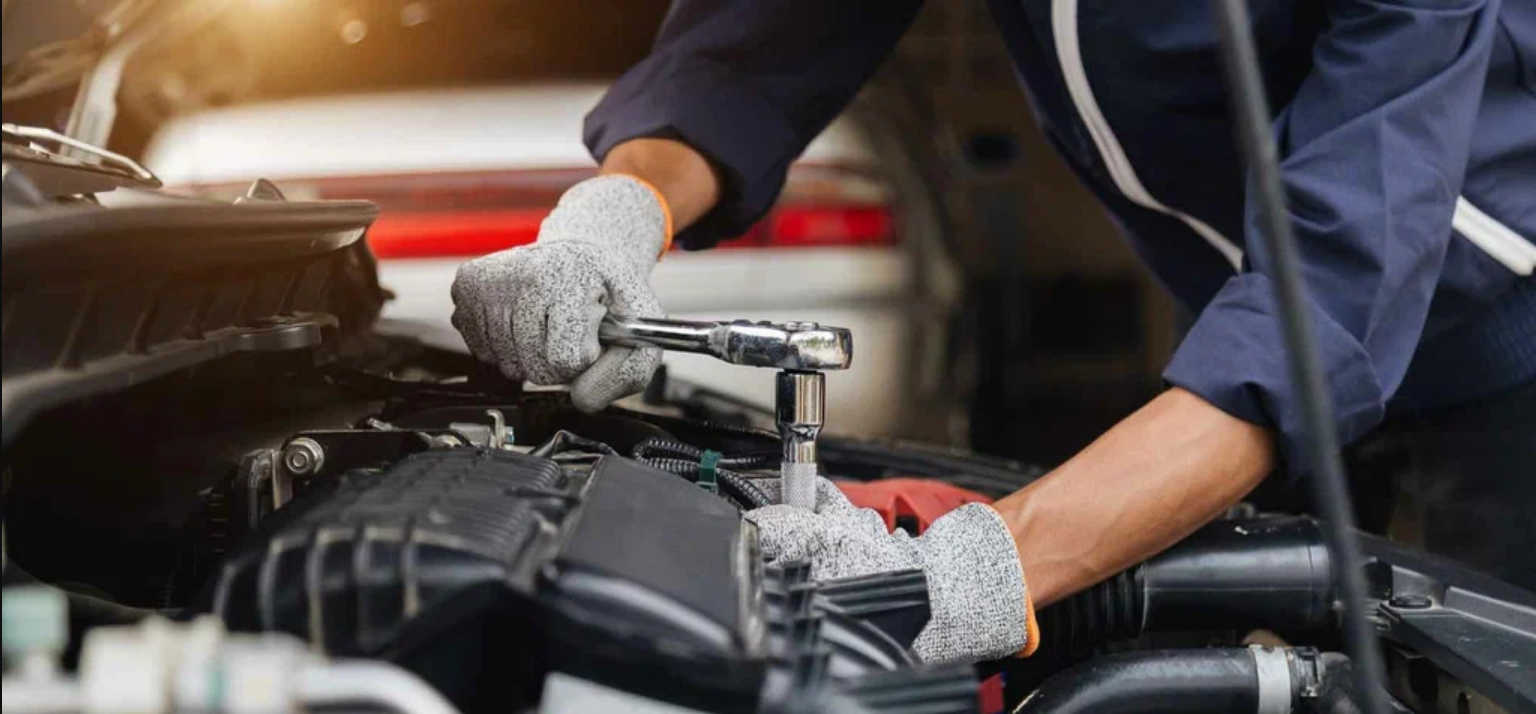
Before you hit the asphalt, a visit to a professional auto repair shop in Lubbock, TX, is the smartest first step for those starting their journey in the Panhandle. A thorough inspection ensures that your vehicle can handle the unique stresses of Texas heat and long-distance high-speed travel.
1. The Essential Fluid Check
Your engine is the heart of your road trip, and fluids are its lifeblood. Long stretches of I-10 or I-20 at 80 mph generate significant heat.
- Engine Oil: Check your oil levels and clarity. If you are within 1,000 miles of your next scheduled change, do it before you leave.
- Coolant (Antifreeze): Texas summers are brutal. Ensure your coolant reservoir is full and the mixture is correct to prevent overheating.
- Brake Fluid: A soft brake pedal is a red flag. Ensure your stopping power is peak-performance ready.
- Windshield Washer Fluid: Between West Texas dust storms and Lovebugs in East Texas, you will go through more fluid than you think.
2. Tire Health and Pressure
Tires are the only thing connecting you to the Texas pavement. Heat causes tire pressure to rise, while worn treads increase the risk of a high-speed blowout.
What to Inspect:
- Tread Depth: Use the “penny test.” If you can see the top of Lincoln’s head, it’s time for new tires.
- Tire Pressure (PSI): Check your pressure when the tires are cold. Don’t forget to check the spare tire in the trunk!
- Alignment and Balancing: If your steering wheel vibrates at highway speeds, you likely need a professional balance.
For residents in the South Plains, Wizard Auto and Tire provides comprehensive tire services and rotations to ensure your rubber is road-ready. Proper alignment not only improves safety but also saves you money on fuel—a major factor when crossing a state this large.
3. The Battery and Electrical System
High temperatures are actually harder on batteries than cold temperatures. Heat accelerates the chemical operation inside the battery, which can lead to internal corrosion.
If your battery is more than three years old, have it tested. Ensure the terminals are clean and free of white, ashy corrosion. A quick diagnostic at a reliable auto repair shop in Lubbock, TX, can tell you if your battery’s “cranking amps” are sufficient for the journey ahead.
4. Braking Systems and Suspension
Texas terrain varies from the flat stretches of the Llano Estacado to the rolling hills of the Hill Country and the mountains of Big Bend. This variety puts different types of stress on your vehicle.
- Brake Pads: Listen for squealing or grinding noises.
- Shocks and Struts: If your vehicle bounces excessively after a bump or leans heavily during turns, your suspension may be compromised.
- Belts and Hoses: Inspect for cracks, leaks, or fraying. A snapped serpentine belt will end your trip instantly.
5. Packing a Texas-Sized Emergency Kit
Even a perfectly maintained vehicle can encounter road hazards or flat tires. Your emergency kit should be tailored for the Texas climate.
Item Category Recommended Supplies
Safety Tools Jumper cables, tire pressure gauge, flashlight, and a multi-tool.
Hydration: At least one gallon of water per person (essential for desert travel).
First Aid Bandages, antiseptic, sunblock, and any necessary medications.
Visibility: Reflective triangles or flares to signal help on dark rural roads.
6. Enhancing Fuel Efficiency for Long Stretches
With hundreds of miles between major cities, maximizing your MPG is both economical and practical. Beyond mechanical maintenance, consider these tips:
- Clean the Air Filter: A clogged filter restricts airflow, forcing the engine to work harder.
- Lighten the Load: Don’t carry unnecessary weight on your roof rack, as it creates aerodynamic drag.
- Speed Consistency: Use cruise control on the long, flat stretches of West Texas to maintain a steady fuel burn.
7. The Importance of Professional Inspection
While DIY checks are great for peace of mind, some things require a lift and specialized diagnostic tools. Professional mechanics in Lubbock or your local area can spot “hidden” issues like leaking CV boots, worn ball joints, or minor transmission slips that might not be obvious during a grocery run but could become catastrophic after six hours of continuous driving.
Scheduling a pre-trip vehicle inspection or a full synthetic oil change can identify these small problems before they turn into expensive roadside rescues.
Final Thoughts on Your Texas Adventure
Preparing for a Texas road trip is about more than just filling the gas tank. It’s about ensuring that every system—from the cooling fan to the brake rotors—is prepared for the “Big Sky” endurance test. By taking the time to visit a professional shop and packing the right supplies, you turn a potentially stressful drive into a memorable adventure across the Lone Star State.