Quartz Plaster, particularly quartz-based renders, is increasingly valued in both contemporary and traditional architecture for its durability, aesthetic versatility, and performance in exterior and interior applications.
While specific proprietary brand names vary by region, the underlying principles of mineral plasters and quartz render share common materials, application techniques, and performance goals. This guide explores what Quartz Plaster is, how quartz renders are formulated, where they are used, and best practices for application and maintenance.
What is Quartz Plaster?
At their core, Quartz Plaster are building coating composed of mineral binders (such as cement or lime) and mineral aggregates (such as sand). These finishes are applied as a protective and decorative layer over structural walls and surfaces.
Plaster and render systems are distinguished by use and composition:
Plaster traditionally refers to interior finishes.
Render refers to exterior finishes that protect against weathering.
In common building practice, both terms can overlap depending on regional usage.
Mineral plasters are generally breathable and compatible with masonry substrates, helping to manage moisture movement while providing a surface ready for decoration or further coating.
The basic components of mineral plasters include:
Binder: Cement, lime, or a blend of both that holds the plaster together.
Aggregate: Sand or other mineral fillers that give body and texture.
Water: Activates the binder and allows application.
These components determine the strength, texture, and weather resistance of the finished surface.
Understanding Quartz Render
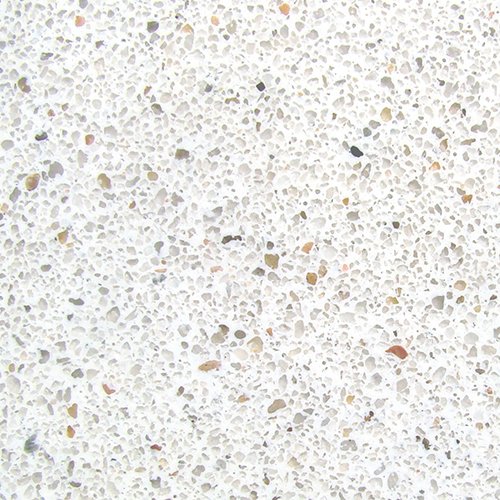
A quartz render is a type of mineral render in which fine quartz aggregates are incorporated into the finish coat to create a textured, durable surface. The quartz grains (often naturally colored) produce a subtle sparkle and surface complexity that enhances visual appeal while also contributing to wear resistance.
Quartz renders are typically:
Mineral-based: Built on cement or lime binders with quartz aggregates.
Textured: The quartz grain size and distribution create a unique surface profile.
Durable: Well-suited for exterior walls exposed to weather, abrasion, and UV.
Breathable: Depending on binder choice, they can allow moisture vapor movement, reducing the risk of trapped moisture in walls.
While “quartz render” may be a term more commonly used in specific markets (such as Australia, the UK, and parts of Europe), the principle is the same: a mineral render finish with a decorative aggregate component.
Benefits of Quartz Plaster and Mineral Plaster Finishes
Quartz Plaster, including quartz renders, offers several advantages:
1. Aesthetic Variety
Quartz renders can be customized by choosing different quartz grain sizes and colors, allowing architects and designers to achieve a range of textures — from fine, subtle finishes to more pronounced textured facades.
2. Durability and Weather Resistance
Mineral binders like cement and lime, when properly mixed and applied, provide a strong, weather-resistant surface. Quartz aggregates add hardness to the surface, helping resist wear from wind and rain.
3. Breathability
Traditional lime-based mineral plasters allow moisture vapor to pass through, which can help prevent moisture build-up within masonry walls — a key consideration in historic building conservation and in climates with significant humidity.
4. Compatibility with Substrates
Mineral plasters are generally compatible with masonry substrates such as brick, stone, and blockwork, helping to ensure good adhesion and long-term performance.
Typical Applications of Quartz Render Finishes
Quartz render finishes are versatile and can be used in many contexts:
Exterior Wall Finishes
One of the most common uses of quartz render is as a decorative and protective exterior wall finish. The textured surface adds depth and character to facades, while protecting the underlying substrate from moisture and weathering.
Accent and Feature Walls
Architects often specify quartz renders for accent walls or feature elements where a tactile, visually engaging surface is desired.
Commercial and Residential Buildings
Quartz render finishes are suitable for both commercial developments and residential homes, offering a balance of durability and design flexibility.
Historic Building Renovation
When compatible with traditional materials (e.g., lime binders for historic masonry), Quartz Plaster can be part of sensitive restoration work, preserving the character of older buildings while improving performance.
How Quartz Render Finishes Are Applied
The application of a quartz render involves several key steps:
1. Surface Preparation
A sound substrate is essential. Walls must be clean, free of loose material, and, if necessary, primed or keyed to improve adhesion.
2. Base Coat (Scratch or Undercoat)
A base render layer is applied to level the surface and provide a solid foundation for the finish coat. This coat may include bonding agents or mesh reinforcement, depending on substrate and design requirements.
3. Finish Coat with Quartz Aggregate
The finish coat contains the quartz aggregate. The size and distribution of the quartz determine the texture. A skilled applicator trowels or sprays the render to achieve the desired finish.
4. Curing
Mineral renders cure by hydration and drying. Proper curing conditions (protected from rapid drying, rain, or frost) help ensure strength and prevent cracking.
5. Optional Sealing or Painting
Depending on aesthetic goals and performance needs, the quartz render surface can be left natural or sealed/painted with compatible mineral paints or coatings.
Best Practices and Considerations
To get the most from quartz render finishes, consider the following:
Choose the Right Binder
Cement-based renders are strong and durable but may be less breathable.
Lime-based renders are more flexible and breathable, which can be beneficial for historic or moisture-sensitive structures.
Match Texture to Design Intent
The size and color of quartz aggregate influence both texture and appearance. Fine grains produce subtle finishes; coarser grains create pronounced texture.
Ensure Skilled Application
Render application is a craft. Proper surface preparation, mix consistency, and application technique are essential for long-lasting results.
Consider Climate and Exposure
High UV, heavy rain, and freeze-thaw cycles demand robust mixes and good curing practices. In some climates, additional protective coatings may be appropriate.
Maintenance
Regular inspection and repair of cracks or damage help maintain performance. Mineral renders can be patch-repaired using matching mixes.
Conclusion
Quartz Plaster, especially quartz renders, offers a blend of performance and aesthetic flexibility that makes them suitable for a wide range of architectural applications. By understanding the materials, application methods, and design considerations, builders and designers can harness the benefits of these finishes to create durable, attractive, and context-appropriate surfaces.
While the terminology and specific products vary globally, the fundamental principles of mineral binders and quartz aggregate finishes are widely recognized in building practice. Whether you’re specifying a textured facade for a contemporary home or restoring the character of a heritage building, quartz render and mineral plaster systems provide a timeless and resilient finish.