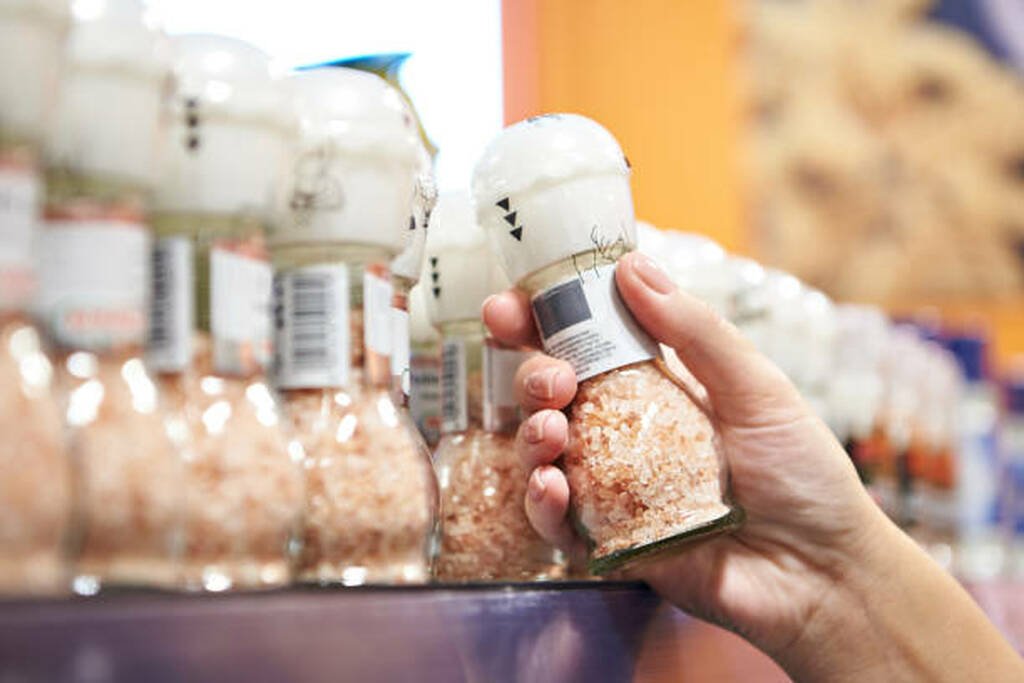
If you’ve ever tried to source Himalayan pink salt in bulk, you already know the challenge: the market is flooded with suppliers, each claiming to offer the purest, finest product. But how do you actually separate the reliable ones from those cutting corners? Whether you’re a food manufacturer, a wellness brand, or a retailer stocking bath salts, knowing how to evaluate a potential supplier is one of the most valuable skills you can develop.
Himalayan salt can vary widely in quality depending on where it was mined, how it was processed, and how it was stored and shipped. Without proper vetting, you could end up with salt that’s contaminated, mislabeled, or simply not what you paid for. This guide walks you through the most important ways to assess quality before you commit to a supplier — so you can buy with confidence.
Understanding What Makes Himalayan Salt High Quality
Before you can evaluate a supplier, it helps to understand what quality actually looks like in Himalayan pink salt. The salt is primarily mined from the Khewra Salt Mine in Pakistan — the second largest salt mine in the world — and its quality is defined by mineral composition, purity levels, color consistency, and processing methods.
Mineral Composition and Purity Standards
Authentic Himalayan pink salt is composed of roughly 98% sodium chloride, with the remaining percentage made up of trace minerals like potassium, magnesium, calcium, and iron. It’s the iron oxide content that gives the salt its characteristic pink hue. High-quality salt should have consistent color — usually a light to medium pink — and should not contain excessive impurities or foreign particles. Any reputable source should be able to provide a Certificate of Analysis (COA) that details the exact mineral breakdown. If a supplier can’t produce this document on request, that’s a red flag worth taking seriously.
Processing Methods and Their Impact on Quality
Salt can be processed in different ways — washed, kiln-dried, air-dried, or left in its natural raw state. Each method affects the final product’s texture, moisture content, and mineral retention. For food-grade applications, kiln drying is common as it reduces moisture to safe levels. For bath salt or decorative uses, less processing is often preferable. Understanding how your salt has been processed helps you match the product to your intended application and set accurate expectations with your own customers.
Key Documentation and Certifications to Request
One of the most reliable ways to assess whether a Himalayan salt exporter is trustworthy is to examine the documentation they provide. Legitimate exporters maintain thorough records, and they’re generally happy to share them because it demonstrates professionalism and compliance with international trade standards.
Certificates of Analysis and Lab Testing
A Certificate of Analysis (COA) is a document issued by an accredited laboratory that confirms the product’s composition, purity, and compliance with specific standards. When reviewing a COA, pay attention to the testing laboratory’s accreditation — it should be an ISO-certified or internationally recognized lab, not an in-house test. The parameters tested should include heavy metals (lead, arsenic, mercury), microbial counts, moisture content, and sodium chloride percentage. The date of the test matters too — a COA from three years ago tells you very little about today’s batch. Always request a COA that corresponds to the specific batch or lot you’re purchasing. Batch-specific testing is the gold standard.
Food Safety Certifications and Compliance Standards
Depending on your market, you may need salt that complies with specific food safety standards. Look for certifications such as HACCP (Hazard Analysis Critical Control Points), ISO 22000 (Food Safety Management), Halal or Kosher certification if relevant to your audience, and organic certification if you’re marketing the product as such. These certifications aren’t just paperwork — they indicate that a supplier has undergone third-party audits and maintains consistent quality control practices throughout their production chain.
Practical Due Diligence Before Placing a Bulk Order
Documentation is important, but it only tells part of the story. Equally important is doing your own legwork — physically evaluating samples, assessing the supplier’s operations, and building a relationship before you commit to a large order. Many buyers who skip this phase regret it when the full shipment doesn’t match expectations.
Always Request Samples Before Committing
This sounds obvious, but it’s surprising how many buyers skip this step in favor of faster ordering. A physical sample lets you assess color consistency — genuine Himalayan pink salt should have a fairly uniform appearance, though slight natural variation is normal. You can evaluate grain size and texture, which should match what was advertised. Look for any foreign particles, unusual odors, or excessive clumping, which may indicate poor storage conditions or contamination during transit. For food-grade applications, consider sending samples to an independent laboratory yourself for verification. It costs a small amount upfront but can save significant losses later, especially when ordering container quantities.
Audit the Supply Chain When Possible
For larger purchases, consider arranging a facility audit, either in person or through a third-party inspection service. A qualified Himalayan salt exporter will typically welcome this kind of transparency. During an audit, you want to observe cleanliness and hygiene standards in the processing and packaging area, how the salt is stored (moisture control is critical), the condition of equipment used for grading and packaging, and whether workers follow proper food safety protocols. If a direct visit isn’t feasible, third-party audit firms that specialize in food and commodity inspections can provide detailed reports without you needing to travel.
Evaluate Communication and Responsiveness
Quality extends beyond the product itself — it includes the professionalism of the business relationship. A supplier who responds promptly to inquiries, provides complete answers, and proactively shares documentation is one who values transparency. On the other hand, vague responses to technical questions, reluctance to provide lab reports, or pressure to place orders quickly without allowing due diligence are all warning signs worth heeding.
Ask specific questions: What is the moisture content of this batch? Which laboratory performed the testing? Can you confirm the mine of origin? How is the product packaged to prevent contamination during transit? The answers — and how willingly they’re given — reveal a great deal about a supplier’s integrity and operational standards.
Important Notes for Smart Salt Sourcing
Sourcing Himalayan pink salt responsibly isn’t just about protecting your business — it’s also about ensuring the product you’re offering your customers is genuinely what it claims to be. Here are some final important considerations to keep in mind when working with any new supplier.
Beware of suspiciously low prices. Himalayan salt has specific production costs, and prices far below market rate often signal adulteration, repackaged table salt, or poor-quality material that wouldn’t pass inspection in regulated markets. Legitimate quality comes at a fair price — always compare offers across multiple sources before assuming a lower price is simply a great deal.
Verify trade history and export records. Reputable exporters will have a documented track record. You can request references from other buyers or cross-reference trade databases for export history to verify their experience and reliability in the industry.
Understand packaging and labeling requirements for your destination country. Non-compliant labeling can result in shipments being held at customs or rejected entirely, causing costly delays and financial losses. Confirm that your supplier is familiar with the regulatory requirements of your market before finalizing any order.
Build long-term relationships. The best supply chains are built on trust developed over time. Start with smaller orders, test consistently, and gradually increase volume as confidence grows. A reliable Himalayan salt exporter who proves their quality consistently is worth far more than chasing the cheapest option each time you reorder.
Final Thoughts
Assessing the quality of a Himalayan pink salt supplier takes patience and attention to detail, but the investment pays off considerably in the long run. By verifying documentation, requesting samples, auditing operations when possible, and prioritizing transparent communication, you dramatically reduce your risk of receiving substandard product.
The global market for Himalayan salt continues to grow, and with that growth comes more suppliers — some excellent, some not. The buyers who fare best are those who treat supplier vetting as a standard business process, not an optional extra. Take your time, ask the right questions, and don’t let price alone drive your decision. High-quality Himalayan salt is out there — you just need the right framework to find it reliably and build a supply chain you can trust for the long term.