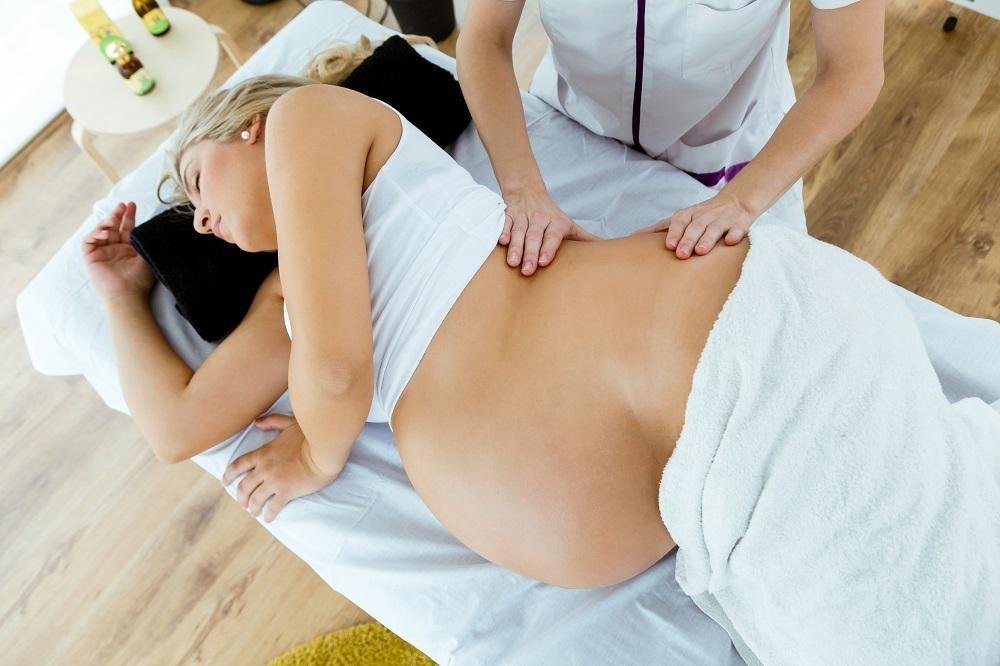
Relaxation plays a measurable role in overall health and disease prevention. Ongoing stress places pressure on the immune system, limiting its ability to defend against infections. Techniques such as Safe Prenatal Massage provide therapeutic relaxation while supporting circulation and hormonal balance. Research continues to show that structured bodywork reduces stress-related suppression of immune responses. Integrating massage into a wellness routine promotes both mental calm and physiological resilience, offering a proactive way to strengthen the body’s natural defense mechanisms without medication.
The Link Between Stress Reduction and Immunity
Chronic stress triggers the release of cortisol and adrenaline, hormones that interfere with immune cell production and activity. Elevated cortisol levels reduce lymphocyte efficiency, leaving the body vulnerable to illness. Massage therapy decreases these stress hormones while increasing serotonin and dopamine, which stabilize mood and support restorative processes. Balanced hormone levels allow immune cells to respond more effectively to pathogens. Regular sessions contribute to sustained stress management, creating conditions where the immune system can function at optimal capacity.
How Massage Stimulates the Immune System
Massage activates circulation, delivering oxygen and nutrients to tissues more efficiently. Improved blood flow assists white blood cells in traveling throughout the body to detect and eliminate threats. Lymphatic movement also increases during massage, accelerating the removal of toxins and metabolic waste. Clinical findings suggest measurable improvements in natural killer cell activity after consistent therapy sessions. These physiological responses demonstrate how massage directly supports immune strength rather than serving only as a relaxation technique.
Key Benefits of Regular Massage for Immunity
Consistent therapy offers multiple measurable advantages:
- Enhances circulation, improving nutrient and oxygen delivery to cells.
- Promotes lymphatic drainage, assisting in detoxification.
- Reduces stress hormones, allowing immune cells to function optimally.
- Improves sleep quality, which supports immune repair processes.
- Helps manage inflammation, lowering the risk of chronic illness.
Each benefit contributes to a stronger and more responsive immune defense system.
Different Types of Massage That Support Immunity
Swedish Massage
Swedish massage uses long, flowing strokes combined with kneading and circular movements. This method reduces muscle tension while stimulating circulation and lymphatic flow. Gentle pressure encourages relaxation without overwhelming sensitive tissues, making it suitable for individuals seeking stress relief. Increased blood movement supports immune cell transportation, while the calming effect lowers cortisol levels. Consistent Swedish sessions create a balanced internal environment where immune responses can operate more efficiently.
Deep Tissue Massage
Deep tissue massage targets underlying muscle layers and connective tissue. Firm pressure releases chronic tension that may restrict circulation. Restored blood flow improves oxygen delivery and cellular repair processes. Reduced muscular inflammation supports overall immune resilience. Individuals experiencing physical strain or occupational stress often benefit from this structured technique, as it addresses both mechanical tension and hormonal stress triggers that impact immune efficiency.
Aromatherapy Massage
Aromatherapy massage incorporates essential oils selected for calming or restorative properties. Lavender, eucalyptus, and chamomile are commonly used to support relaxation and respiratory comfort. Combined with massage techniques, these oils may influence mood and reduce stress perception. Lower psychological stress contributes to balanced immune responses. This approach addresses both emotional wellbeing and physical circulation, supporting comprehensive immune health.
Reflexology
Reflexology applies targeted pressure to specific points on the feet and hands believed to correspond with organ systems. Stimulating these areas may influence nerve pathways and circulation. Improved relaxation and balanced energy flow contribute to reduced stress hormone production. Supporters of reflexology report improved sleep and digestive comfort, both essential for maintaining immune strength. Structured sessions provide a focused yet gentle method of promoting overall wellness.
Massage and Lifestyle: A Holistic Approach
Massage works most effectively alongside balanced nutrition, consistent physical activity, and restorative sleep. Nutrient-rich diets supply the vitamins and minerals immune cells require for proper function. Moderate exercise improves cardiovascular efficiency, complementing the circulatory benefits of massage. Mindful breathing and meditation practices further regulate stress hormones. Combining these habits creates a comprehensive strategy that strengthens immune defenses while supporting long-term vitality and resilience.
Scientific Evidence Supporting Massage for Immune Health
Clinical research has documented increased natural killer cell counts and reduced inflammatory markers following routine massage therapy. Participants experiencing occupational stress demonstrated measurable immune improvements after several weeks of consistent sessions. Pregnant individuals receiving structured prenatal massage reported lower stress indicators and better sleep patterns. Older adults also showed improvements in immune markers associated with infection resistance. These findings support massage as a complementary health strategy grounded in measurable physiological outcomes.
Practical Tips for Incorporating Massage Into Your Routine
Scheduling weekly or bi-weekly sessions offers consistent immune support. Selecting a licensed therapist ensures proper technique and safety standards. Individuals with specific health concerns should consult healthcare professionals to determine appropriate intensity levels. Self-massage tools such as foam rollers and massage balls provide supplementary benefits between appointments. Maintaining hydration after sessions supports lymphatic activity and metabolic waste removal, reinforcing the immune-supporting effects of therapy.
Conclusion
Massage therapy supports immune strength through stress reduction, improved circulation, enhanced lymphatic flow, and inflammation management. Consistent sessions promote hormonal balance and restorative sleep, both essential for effective immune responses. Viewing massage as part of preventive healthcare rather than occasional indulgence encourages long-term wellness benefits. Exploring professional massage services or structured self-care routines can provide meaningful support for maintaining a resilient and responsive immune system.
FAQs
1. Can massage therapy really strengthen the immune system?
Research indicates massage reduces cortisol, improves circulation, and increases natural killer cell activity, all contributing to stronger immune defenses.
2. How often should massage be scheduled for immune benefits?
Weekly or bi-weekly sessions are commonly recommended for consistent stress management and immune support.
3. Which massage type is best for immune health?
Swedish, deep tissue, aromatherapy, and reflexology each support immunity through stress reduction and improved circulation.
4. Does massage help reduce inflammation?
Massage can lower inflammatory markers and improve blood flow, which supports tissue repair and immune efficiency.
5. Is prenatal massage safe for immune support?
Safe Prenatal Massage is designed specifically for pregnancy and can reduce stress while promoting healthy circulation under professional guidance.