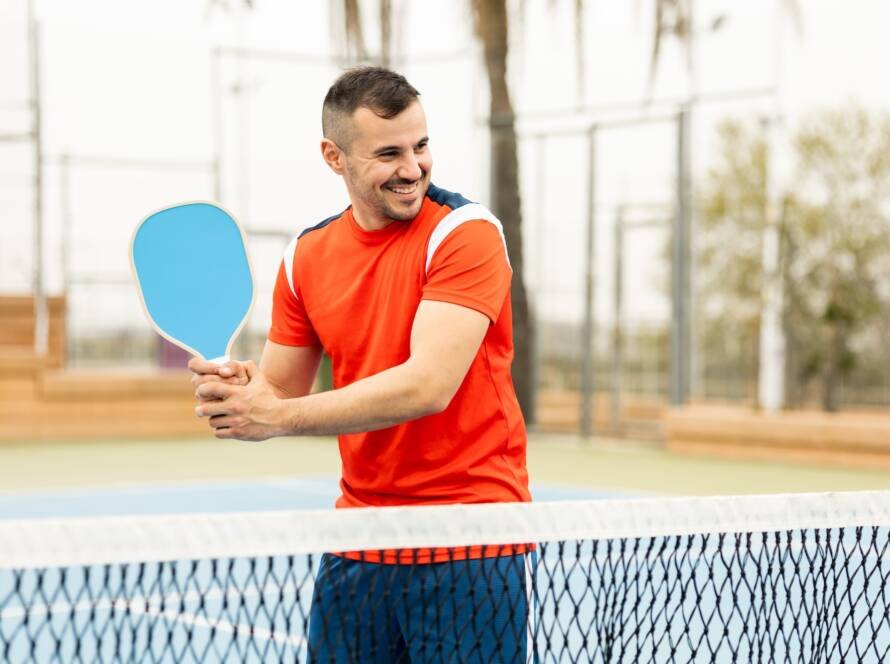
Pickleball precision separates consistent players from those who struggle with accuracy. Using practice pickleballs regularly allows players to focus on controlled shots, mastering placement, and developing consistent technique. Target-based drills are designed to direct shots toward specific zones on the court, making it easier to develop muscle memory and strategic awareness. These drills focus on repetition with a clear objective, helping players translate training into real match performance. Players who dedicate time to target-based practice see significant improvements in accuracy, shot control, and overall confidence during rallies. Precision becomes an automatic part of their gameplay rather than an occasional result of luck or reaction.
Understanding Target-Based Drills
Target-based drills are specialized exercises that require players to aim for designated spots on the court. These drills challenge hand-eye coordination, footwork, and shot consistency by adding a measurable goal for each shot. Players focus on hitting cones, tape markers, or drawn zones that represent ideal landing areas for serves, volleys, or dinks. The drills encourage controlled power and deliberate placement instead of random hitting. Target-based drills offer several advantages:
- Improves hand-eye coordination
- Develops muscle memory for consistent shots
- Enhances decision-making during fast-paced rallies
- Encourages strategic thinking by targeting specific court zones
These drills can be adapted for beginners, intermediate, and advanced players, allowing everyone to focus on accuracy without sacrificing intensity. Target drills also simulate match conditions, giving players practical experience with angles, depth, and speed control. Regular practice with measurable goals keeps players motivated and focused, ensuring improvements are tangible and trackable.
Key Benefits of Target-Based Drills for Pickleball Precision
Target-based drills improve the fundamental skills necessary for precise play. Accuracy in pickleball affects the outcome of points by allowing players to control rallies, exploit openings, and reduce errors. Players develop better anticipation, shot selection, and consistency by using drills designed to measure precision. Training becomes purposeful, allowing every stroke to have a clear objective rather than random repetition. The benefits of these drills include:
- Increased shot accuracy under pressure
- Better placement of serves and returns
- Reduced unforced errors
- Faster adaptation to opponents’ strategies
Improved precision strengthens overall gameplay and reduces frustration during matches. Players become capable of hitting intended zones reliably, making rallies more strategic. These benefits compound over time, as consistent practice transforms targeted drills into second nature during actual gameplay. Targeted training ensures that every stroke, from serves to dinks, is deliberate and effective, producing measurable improvements that reflect in both recreational and competitive play.
Essential Target-Based Drill Techniques
Effective drills include corner hitting, crosscourt targeting, and precise dink placement. Corner hitting involves aiming shots toward the back corners of the opponent’s court to create space and force defensive movement. Crosscourt drills require hitting diagonally across the court with consistent placement to control rally direction. Dink placement exercises focus on soft, controlled shots near the non-volley zone, allowing players to create scoring opportunities while minimizing errors. Repetition is key, and players should gradually increase the difficulty by introducing faster volleys, angled shots, and varied ball heights. Incorporating footwork patterns and movement into these drills ensures balance and accuracy. Alternating between different drill types during a session challenges the mind and body, improving reflexes, precision, and overall court awareness. Tracking shot success and refining technique after each drill maintains continuous improvement.
Tools and Equipment for Effective Drills
Several tools make target-based drills more effective. Cones, tape markers, and pre-measured target zones help players aim accurately and track progress. Using practice pickleballs designed for consistent bounce allows players to focus on placement rather than compensating for irregular behavior. Marked lines or portable targets offer a visual reference, improving both accuracy and confidence. Adjustable nets and barriers can simulate match conditions while isolating specific skill areas. Tools such as ball machines or repetition aids provide consistent feeds, allowing for more focused practice sessions. Combining equipment with structured drills ensures measurable improvements in both precision and control. Court setup should prioritize space for movement, accurate target placement, and accessibility for repeated attempts without disruption.
Tracking Progress and Measuring Precision
Monitoring progress is essential for effective target-based training. Players can measure accuracy by recording the number of successful hits within designated zones during each drill. Maintaining a log allows tracking of improvement over days and weeks, highlighting strengths and weaknesses. Using video recording or slow-motion playback can identify errors in footwork, positioning, or stroke mechanics. Adjustments can be made based on measurable results, such as changing stance, angle, or shot speed. Tracking consistency and precision gives players tangible evidence of progress, motivating continued practice. Regular assessment prevents complacency, ensuring every training session has a measurable objective. Accurate feedback combined with structured drills promotes steady improvement in precision.
Common Mistakes in Target-Based Drills
Players often make errors such as over-hitting, neglecting footwork, or rushing through drills. Over-hitting reduces accuracy, while poor foot positioning can limit shot control and consistency. Skipping steps in a drill or failing to follow through affects the reliability of each shot. Using targets that are too large or placing drills without specific goals can lead to unproductive practice. Corrective measures include adjusting target size, slowing down repetitions, focusing on balance and stance, and prioritizing control over power. Consistent repetition with attention to technique prevents ingraining poor habits. Mistakes are natural, but structured feedback ensures they are addressed immediately, reinforcing correct form and enhancing overall precision.
Integrating Target-Based Drills into Regular Training
Target-based drills should be incorporated consistently into overall pickleball training routines. Short, focused sessions with clear objectives maximize skill retention without causing fatigue. Alternating between target drills, match simulation, and general ball handling ensures well-rounded development. Scheduling drills at the beginning of practice sessions focuses attention on accuracy when energy levels are high. Progressive complexity, such as reducing target size, increasing shot speed, or introducing movement, maintains challenge and growth. Players benefit from maintaining a balanced routine, combining precision-focused exercises with gameplay to ensure improvements translate to match situations. Regular use of structured drills guarantees measurable gains in shot accuracy, court awareness, and confidence during competitive play.
Conclusion
Target-based drills are a proven method to improve pickleball precision, offering measurable improvements in accuracy, control, and strategic play. Using practice pickleballs and structured targets allows players to develop consistent technique, better decision-making, and confidence during rallies. Integrating these drills into regular practice, tracking progress, and addressing common mistakes ensures steady skill growth. Structured drills transform random practice into purposeful training, making every stroke deliberate and improving overall performance. Consistent practice with clearly defined objectives ensures players can hit their intended targets reliably, providing a competitive advantage and increasing enjoyment on the court.
FAQs
What are target-based drills in pickleball?
Target-based drills are exercises that require players to aim for specific areas on the court, improving precision, shot consistency, and strategic placement.
How often should players practice target-based drills?
Sessions of 20 to 40 minutes, three to four times a week, are effective. Short, focused drills maintain intensity and allow for measurable improvement without causing fatigue.
Can beginners benefit from target-based drills?
Yes, beginners develop hand-eye coordination, basic shot accuracy, and awareness of court zones, which are essential for long-term skill development.
What equipment is needed for effective target-based drills?
Cones, tape markers, target zones, portable nets, and practice pickleballs allow players to track accuracy and maintain consistent, controlled practice sessions.