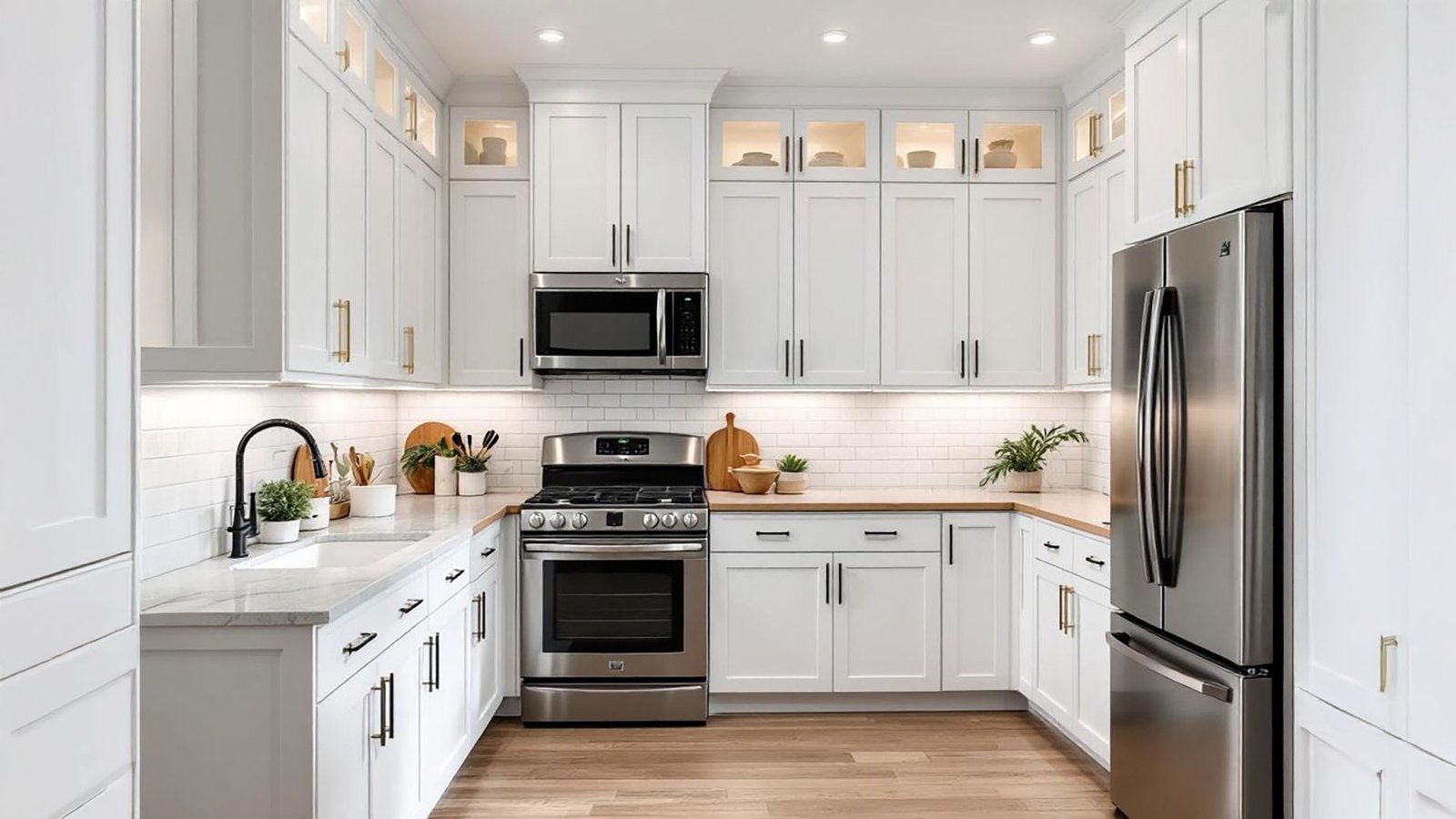
A well-designed kitchen combines functionality and visual appeal to make cooking and daily activities more enjoyable. Cabinetry covers a large portion of the visual field in any kitchen, and selecting the right finish can dramatically affect brightness and perception of space. Light cabinet finishes reflect natural and artificial light, reducing shadows and creating a sense of openness. Materials, textures, and placement of fixtures also play a role, while a custom kitchen island can anchor the space, provide storage, and complement light finishes to maintain a cohesive, airy environment. This guide explores practical steps to use light cabinet finishes to brighten kitchens, improve usability, and create a welcoming atmosphere.
The Visual Impact of Light Cabinet Finishes
Light-colored cabinets, such as whites, creams, soft grays, and pale wood tones, immediately increase perceived brightness. Smooth surfaces and reflective finishes scatter light throughout the room, reducing dark corners and emphasizing clean lines. Lighter tones also serve as a neutral canvas, coordinating easily with walls, countertops, appliances, and flooring. This creates a balanced visual environment where natural sunlight and artificial light can work together efficiently, elevating the sense of space and clarity in the kitchen.
Why Light Finishes Make Small Kitchens Feel Larger
- Reflection of daylight from windows
- Reduction of shadow buildup in corners
- Seamless blending with ceilings and walls
- Minimizing visual boundaries
- Creating continuity across cabinetry lines
- Soft contrast with countertops
Compact kitchens benefit the most from lighter finishes because every reflection and seamless transition contributes to a perception of openness. Shadows appear softer, and the eye perceives more depth and space. Using consistent tones across upper and lower cabinets can visually stretch walls, while reflective surfaces help distribute light from windows or ceiling fixtures, maximizing usability and comfort in tighter cooking areas.
How Light Cabinet Colors Improve Lighting Efficiency
Light finishes amplify existing light sources and reduce reliance on high-wattage fixtures. Reflective or semi-gloss surfaces spread light across countertops and islands, improving visibility during cooking tasks. Pairing under-cabinet lighting with light-colored cabinetry ensures workspaces remain bright without creating harsh glare. This approach not only improves functionality but also reduces energy consumption over time, creating a kitchen that feels lively and efficient. Proper placement of fixtures, combined with strategically chosen cabinet finishes, enhances task areas while maintaining visual balance.
Material Choices That Complement Light Finishes
Selecting materials that work with light finishes strengthens both aesthetics and durability. Painted wood provides a classic, smooth look, while laminate and thermofoil options offer easy maintenance and cost efficiency. Light-stained hardwood adds warmth while maintaining brightness, and matte, satin, or semi-gloss finishes alter light reflection to suit different needs. Countertop materials such as quartz, marble, and butcher block pair well with light cabinetry, providing subtle contrasts that prevent spaces from appearing sterile while preserving the bright, inviting atmosphere.
Design Combinations That Maximize Brightness
- Glass-front upper cabinets
- Open shelving accents
- Light backsplash materials
- Metallic hardware finishes
- Minimalist cabinet profiles
- Integrated lighting strips
Combining these elements with light cabinetry amplifies the perception of brightness. Glass-front doors allow light to pass through, reducing visual weight, while open shelves create depth and display space. Light-colored backsplashes reflect light, and metallic hardware adds shimmer without overwhelming. Minimalist profiles prevent visual clutter, and integrated lighting strips illuminate work surfaces while complementing the cabinets, producing a clean and functional kitchen environment.
The Role of Contrast in Preventing a Washed-Out Look
Lighter cabinetry requires contrast to maintain depth and interest. Darker flooring, bold hardware, or statement countertops can anchor the space without reducing overall brightness. Layering subtle color variations within countertops, islands, or wall accents creates visual interest and prevents monotony. Contrasting elements also draw attention to focal points, balancing the brightness of light cabinets with textures and colors that enrich the overall design and prevent the space from appearing flat or one-dimensional.
Maintenance Advantages of Light Cabinet Finishes
Light finishes simplify cleaning routines by making dust and fingerprints more visible, allowing regular upkeep to prevent buildup. Modern coatings and paints improve durability, reducing the risk of staining or fading. Unlike darker finishes that can show scratches and imperfections more prominently, lighter cabinetry maintains a fresh and clean appearance over time. This practical advantage contributes to long-term satisfaction and preserves the intended bright and open ambiance of the kitchen.
Long-Term Value and Buyer Appeal
Neutral and light finishes appeal to a wider range of homeowners and potential buyers. Bright kitchens photograph well for listings and create a sense of spaciousness that resonates with diverse tastes. Timeless light tones withstand trends, maintaining relevance in resale markets. The perception of cleanliness, airiness, and efficiency attracts interest, adding measurable value while offering design flexibility for future renovations or additions, including integration with a central island or storage solutions.
Conclusion
Light cabinet finishes transform kitchens by reflecting light, improving functionality, and creating the perception of space. Selecting the right material, finish, and complementary design elements ensures that kitchens remain inviting, practical, and visually appealing. Incorporating subtle contrast, integrated lighting, and thoughtful design combinations strengthens both style and usability. A bright kitchen encourages productivity and comfort, while strategic choices in cabinetry and layout provide long-term satisfaction. Combining light finishes with a central custom kitchen island and complementary features ensures an organized, spacious, and vibrant cooking environment that endures for years.
FAQs
What are the most common light cabinet finishes for kitchens?
Common choices include white, cream, soft gray, pale wood, and light-stained hardwood, each offering a balance of brightness and style.
Do light cabinets make kitchens appear bigger?
Yes, light finishes reflect light and minimize shadows, creating a sense of openness and depth, which is especially beneficial in small kitchens.
How do light cabinet finishes affect kitchen lighting?
They improve lighting efficiency by amplifying natural and artificial light, reducing the need for high-intensity fixtures while keeping work areas bright.
Can light cabinets maintain a clean look over time?
Modern finishes and protective coatings resist stains, scratches, and fading, helping light cabinetry stay fresh and visually appealing long-term.