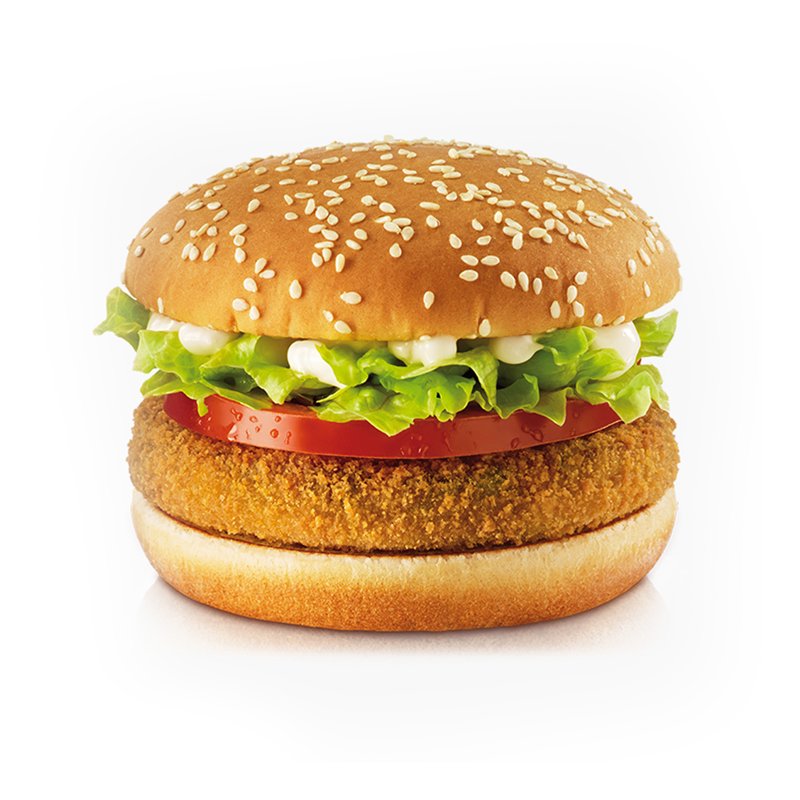
Chicken burger patties are one of the most widely consumed fast-food ingredients around the world. Their popularity comes from their convenience, affordability, and ability to deliver consistent taste in every bite. Whether used in home kitchens or large-scale fast-food chains, chicken patties go through a carefully controlled production process to ensure quality, flavor, and safety.
In this step-by-step guide, you will learn exactly how chicken burger patties are made from selecting raw chicken to final packaging.
Step 1: Selection of Raw Chicken
The process begins with selecting high-quality chicken meat. Manufacturers typically use a combination of chicken breast and thigh meat.
- Chicken breast: Lean, low-fat, and firm texture
- Chicken thigh: Slightly higher fat content for juiciness
The quality of raw meat plays a major role in the final taste and texture of the patty. Only fresh, hygienically handled chicken is selected to ensure food safety and consistency.
Step 2: Cleaning and Deboning
Once the chicken is selected, it is thoroughly cleaned to remove impurities, fat, and unwanted tissues. After cleaning, the meat is deboned using specialized machinery or manual processing in smaller setups.
This step is important because:
- It ensures smooth texture
- Prevents bone fragments in patties
- Improves grinding efficiency
Hygiene is strictly maintained during this stage to avoid contamination.
Step 3: Grinding the Meat
After cleaning and deboning, the chicken is finely ground using industrial grinders. The grinding process determines the texture of the patty:
- Fine grind: Smooth and uniform patties
- Coarse grind: More texture and meat bite
For burger patties, a medium to fine grind is generally preferred to ensure consistency and easy shaping.
Step 4: Mixing Ingredients
This is one of the most important steps in the entire process. The ground chicken is mixed with a carefully balanced combination of ingredients to enhance flavor and structure.
Common ingredients include:
- Salt and black pepper
- Garlic and onion powder
- Chili flakes or paprika
- Herbs such as oregano or parsley
- Binding agents like eggs or breadcrumbs
Some manufacturers also add:
- Flavor enhancers
- Vegetable extracts
- Cheese or spice blends
The mixture is blended evenly to ensure every patty has consistent taste.
Step 5: Forming the Patties
After mixing, the chicken blend is shaped into round, flat discs. This is done using patty-forming machines in large production units or manually in smaller setups.
Key factors in this step:
- Uniform size and thickness
- Consistent weight for each patty
- Smooth edges for better cooking
Proper shaping ensures even cooking and an attractive appearance.
Step 6: Pre-Cooking or Raw Preparation
Depending on the product type, patties may go through partial cooking or remain raw before freezing.
Two common methods:
1. Raw Patties:
- Frozen immediately after shaping
- Cooked by the consumer later
- Retains fresh chicken texture
2. Pre-Cooked Patties:
- Lightly cooked before freezing
- Reduces cooking time for consumers
- Often used in fast-food supply chains
Both methods are widely used depending on market demand.
Step 7: Coating (Optional Step)
Some chicken burger patties are coated for extra texture and flavor. This step is optional but very popular in crispy chicken varieties.
Coating options include:
- Breadcrumb coating
- Batter coating
- Spiced flour mix
This layer becomes crispy when fried or air-fried, adding a crunchy texture to the burger.
Step 8: Freezing Process
Once formed (and optionally coated), patties are rapidly frozen using blast freezers. This is one of the most critical stages for preserving quality.
Benefits of quick freezing:
- Locks in freshness
- Prevents bacterial growth
- Maintains texture and flavor
- Extends shelf life
The patties are frozen at extremely low temperatures, usually around -18°C or lower.
Step 9: Packaging
After freezing, patties are carefully packed into sealed, airtight packaging.
Packaging ensures:
- Protection from contamination
- Prevention of freezer burn
- Longer shelf life
- Easy storage and transport
Most commercial packs include multiple patties stacked with separation sheets to avoid sticking.
Step 10: Storage and Distribution
Finally, the packaged patties are stored in cold storage facilities before being distributed to supermarkets, restaurants, and food service providers.
The cold chain is strictly maintained during transportation to ensure product safety and freshness.
Quality Control and Safety Checks
Throughout the entire process, strict quality control measures are followed.
These include:
- Temperature monitoring
- Hygiene inspections
- Microbial testing
- Texture and flavor consistency checks
Food safety standards are essential to ensure that the final product is safe for consumers.
Why This Process Matters
Each step in making chicken burger patties contributes to the final quality of the product. From selecting the right chicken to maintaining proper freezing conditions, every stage ensures that the patties are tasty, safe, and consistent.
This structured process is what makes frozen chicken patties reliable for both home cooking and commercial food services.
Conclusion
Chicken burger patties are not just simple fast food items they are the result of a carefully controlled manufacturing process that ensures quality, flavor, and convenience. From raw chicken selection to final freezing and packaging, every step is designed to deliver a consistent and delicious product.
At OrangeFoodsExpert, we are committed to providing high-quality food products that meet modern standards of taste, hygiene, and convenience. Our focus is on delivering reliable frozen food solutions that make cooking easier for everyone.
The growing demand for ready-to-cook meals has significantly increased the popularity of Frozen Chicken Burger Patty Pakistan, making it a preferred choice for households and food businesses looking for quick, tasty, and dependable meal options.