In many clinics, delays rarely happen inside the doctor’s consultation room. They happen afterward — at the front desk and later at the pharmacy counter. Patients complete their visit, walk to reception for documentation, and then head to a pharmacy where the same prescription details must be verified again. What seems like a simple process often turns into repeated phone calls, clarification requests, and waiting time.
Most healthcare facilities don’t notice how much operational time is lost in this handoff. The issue is not medical care; it is communication flow. When prescription information moves through paper, handwriting, and manual coordination, small gaps appear. An Erx software addresses those gaps by changing how information travels between the clinic’s reception team and the pharmacy.
Where Communication Usually Breaks Down
Reception staff handle several responsibilities simultaneously: patient registration, billing, insurance checks, and appointment scheduling. Prescription handling is just one part of their workload. When prescriptions are handwritten, reception often becomes the middle point between doctor and pharmacist.
Typical situations include:
- Pharmacists calling to confirm dosage instructions
- Missing patient identifiers
- Confusion over medication strength
- Clarification of generic vs. brand medication
- Insurance information not attached to prescription
Each phone call interrupts clinic operations. Receptionists pause current tasks to contact the physician, the physician stops a consultation, and the pharmacy waits before dispensing medication. Even a two-minute clarification can delay multiple patients in sequence.
The problem is not lack of effort — it is lack of structured communication.
The Role of an ERX System in Workflow Coordination
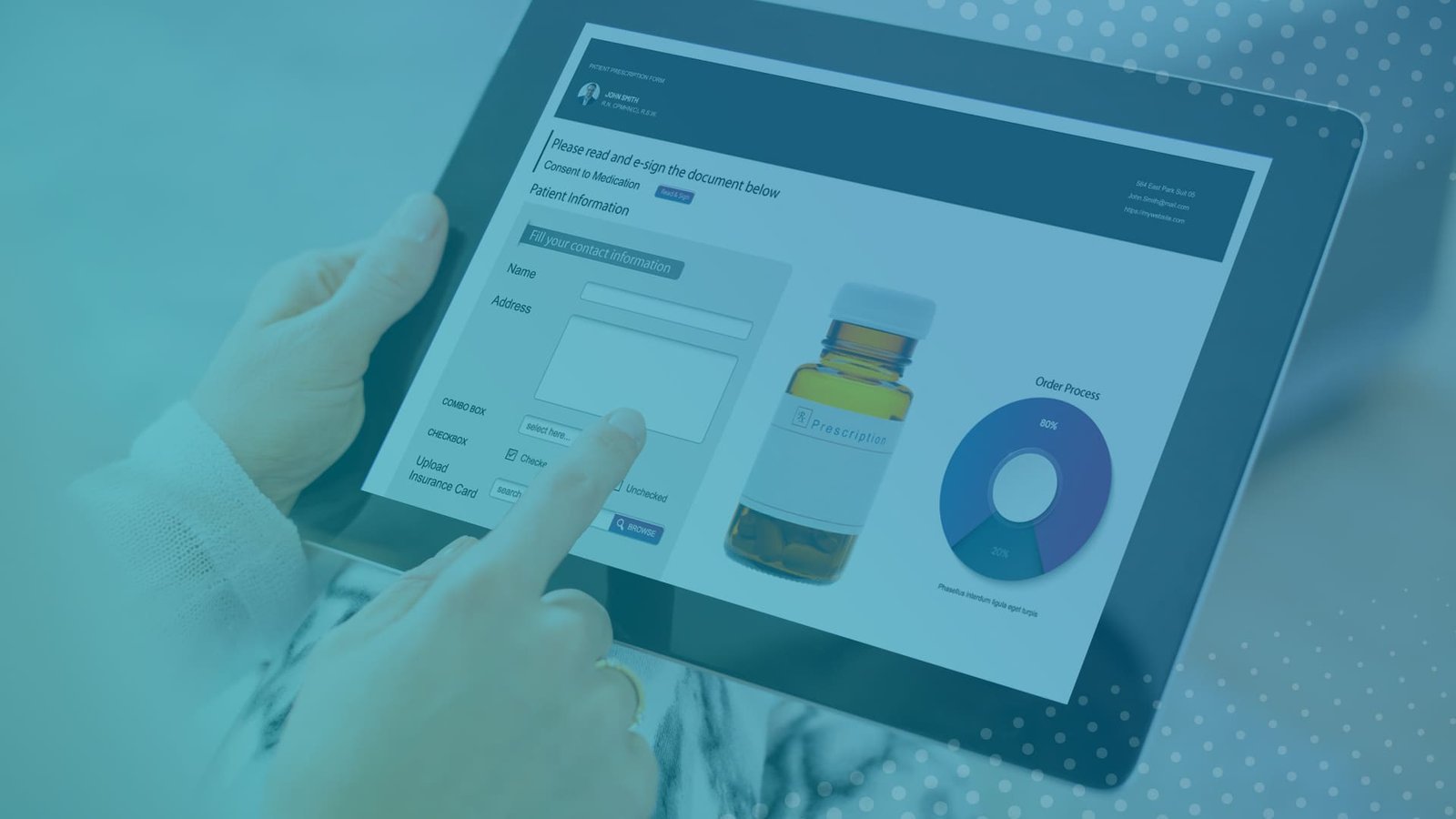
An ERX system replaces manual transfer of prescription information with a structured digital process. Instead of acting as a messenger, reception becomes a coordinator. Prescription details are entered in a standardized format, linked with patient data, and transmitted directly to the selected pharmacy.
This changes communication in three important ways.
1. Reception No Longer Relays Clinical Information
Receptionists are administrative professionals, not clinical decision-makers. When they relay medication details verbally, errors can occur unintentionally. A digital prescription ensures the pharmacy receives instructions exactly as the physician entered them.
2. Pharmacists Receive Complete Information
Pharmacists need more than the medication name. They require dosage, duration, patient identifiers, and sometimes diagnosis context. With structured records, these fields are already included, reducing the need for follow-up calls.
3. Doctors Avoid Repeated Interruptions
In a paper-based workflow, pharmacists frequently call clinics for verification. With electronic transmission, verification happens within the system itself. Doctors can focus on consultations rather than answering clarification requests.
How Reception Operations Become More Efficient
The reception desk is where patient experience is often formed. Long waits and repeated questions typically originate from documentation delays rather than treatment time.
With digital prescription handling:
- Patient records automatically attach to prescriptions
- Billing references are easier to track
- Insurance documentation becomes consistent
- Prescription copies don’t need printing or stamping
Receptionists no longer need to manage physical paperwork or coordinate repeated communication. Instead, they monitor status — whether a prescription has been sent, received, or dispensed.
This shift changes reception from a reactive role to an organized administrative hub.
Pharmacy-Side Improvements
From the pharmacy perspective, incomplete prescriptions are one of the biggest workflow interruptions. Illegible handwriting and missing details are common reasons for delays. Pharmacists must verify before dispensing medication because patient safety depends on accuracy.
When prescriptions arrive digitally:
- Medication instructions are readable and standardized
- Duplicate medication risks are easier to identify
- Patient information is clearer
- Waiting queues reduce
The pharmacy gains confidence in the prescription details. Instead of contacting the clinic, staff can prepare the medication immediately.
Healthcare facilities working with a reliable pharmacy software company in dubai often notice that communication shifts from correction to coordination — meaning fewer clarification calls and more predictable dispensing times.
Impact on Patient Experience
Patients usually judge a clinic visit by the time it takes to leave with medication. Even a good consultation feels frustrating if they must wait 30 minutes at a pharmacy because details need confirmation.
An ERX system improves patient experience in several ways:
- Patients arrive at the pharmacy and medication is already prepared
- Reduced waiting lines
- Fewer repeat visits due to prescription errors
- Clear medication instructions
For chronic disease patients who refill prescriptions regularly, this consistency becomes especially important. They don’t need to carry paper prescriptions or worry about losing documentation.
Documentation and Safety
Another important improvement is traceability. Paper prescriptions are difficult to track once issued. Clinics cannot easily confirm whether a prescription was dispensed or modified.
Digital prescription workflows create a time-stamped record:
- when it was issued
- when it was received
- when it was processed
This helps clinics maintain documentation accuracy and supports internal audits. Proper E-prescription software development focuses not only on sending prescriptions but also on recording actions across the workflow, which strengthens compliance practices.
Reducing Administrative Stress
One overlooked benefit is staff workload reduction. Reception teams often face pressure during peak hours because they must coordinate between patients, doctors, and pharmacists simultaneously. Communication delays increase stress and mistakes.
With a structured digital system:
- fewer phone interruptions occur
- staff spend less time searching records
- physicians experience fewer consultation disruptions
Instead of handling confusion, staff manage a predictable process.
Why Communication Matters More Than Speed
Many healthcare technologies promise faster operations, but speed alone does not solve workflow issues. Communication clarity does. When every participant — doctor, receptionist, and pharmacist — works from the same information source, delays naturally decrease.
An ERX system does not replace people; it connects them. It ensures that clinical intent from the doctor is understood by the pharmacy without translation. The reception desk no longer serves as a messenger, and pharmacists no longer depend on repeated verification.
Final Thoughts
Healthcare efficiency often depends on small operational improvements rather than major structural changes. Prescription communication is one of those areas where a simple process redesign can significantly affect patient satisfaction and staff productivity.
By creating a direct, structured information flow between reception and pharmacy, an ERX system minimizes interruptions, improves documentation accuracy, and shortens waiting times. Clinics benefit from smoother administration, pharmacies gain reliable prescription data, and patients receive medication with less uncertainty.
Better communication, not just faster technology, is what ultimately improves everyday healthcare operations.