Most women don’t openly discuss sexual problems — not because they don’t have them, but because it still feels uncomfortable. Even today, many women feel they’ll be judged, misunderstood, or simply not taken seriously.
Sometimes it’s not even about shame. Many women just think, “Maybe it’s normal,” or “It will fix itself,” or “I should just ignore it.”
But the truth is, sexual health is a part of your overall health. And if something is bothering you — whether it’s pain, dryness, low desire, or anxiety — you don’t have to live with it quietly.
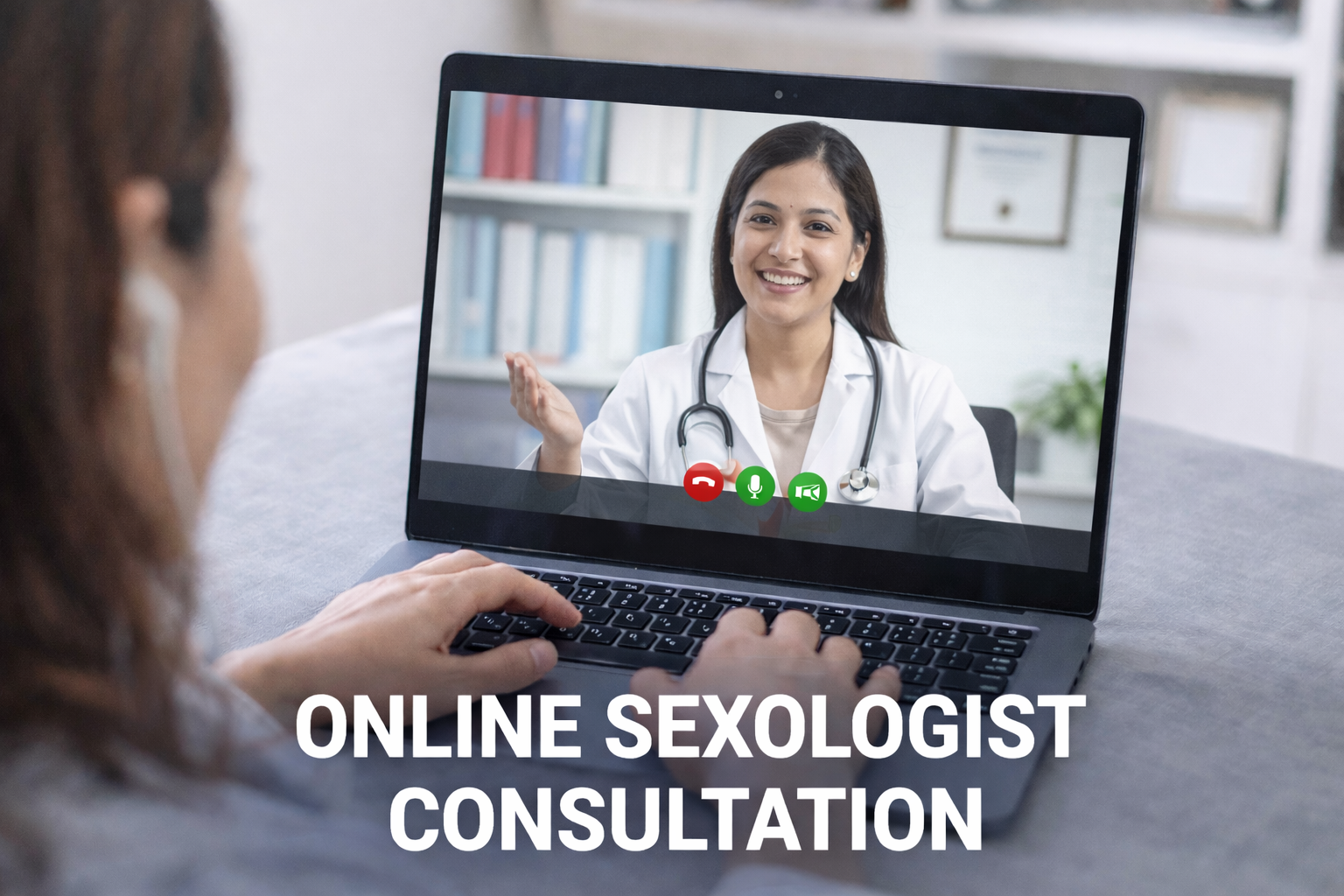
The good part is, you don’t always need to visit a clinic in person. With Online Sexologist Consultation, many women are now getting proper guidance in a much more private and comfortable way.
The First Thing You Should Know: This Is More Common Than You Think
If you are facing sexual issues, you are not alone. Not even close.
Many women go through phases where intimacy feels “off.” Sometimes it happens after marriage, sometimes after childbirth, sometimes during stressful months, and sometimes for no obvious reason.
And when it continues, it can start affecting confidence, mood, and even relationships.
The sad part is: women often blame themselves first.
Why Female Sexual Problems Happen (It’s Usually Not Just One Reason)
A lot of people assume sexual problems are only hormonal. Yes, hormones matter — but they are only one part of the picture.
In real life, these things can affect sexual health:
- Work stress and overthinking
- Anxiety, depression, or low self-esteem
- PCOS, thyroid issues, diabetes
- Hormonal imbalance
- Pregnancy, breastfeeding, postpartum changes
- Certain medicines (even antidepressants)
- Relationship issues or emotional disconnect
- Past trauma or fear
- Poor sleep, tiredness, low energy
So if your body is not responding the way you want, it doesn’t mean you are “weak” or “not normal.” It just means your body and mind need attention — the same way any other health issue does.
Common Female Sexual Problems That Women Often Ignore
Let’s go through the most common ones in a simple way.
1) Low Sexual Desire (Low Libido)
This is one of the most common issues. Some women feel they have “no interest” at all, even if they love their partner.
Low libido can happen due to stress, hormonal changes, PCOS, thyroid problems, depression, or even emotional pressure.
Sometimes it’s not about desire at all — it’s about mental exhaustion.
2) Pain During Sex
Pain is not normal. And it’s not something you should “adjust” to.
Pain can happen due to dryness, infections, inflammation, vaginismus, endometriosis, or pelvic problems.
And when pain happens again and again, the mind starts fearing intimacy, which makes the body even more tense. It becomes a cycle.
3) Vaginal Dryness
Dryness is not only for menopause. It can happen in young women too.
It may happen due to hormonal imbalance, breastfeeding, birth control pills, stress, dehydration, or lack of arousal.
Dryness can cause burning, irritation, and discomfort.
4) Difficulty Getting Aroused
Many women say, “I want to feel excited, but I don’t.”
This can happen due to stress, anxiety, fear of pain, relationship distance, body image issues, or emotional pressure.
And yes, sometimes it happens simply because the mind is not relaxed.
5) Trouble Reaching Orgasm
This is more common than most people admit.
Some women feel embarrassed and think something is wrong with them. But in many cases, it’s related to stress, lack of comfort, fear, or not knowing what works for their body.
6) Vaginismus
This is when vaginal muscles tighten automatically. Penetration feels painful or impossible.
Many women don’t know this is a medical condition. They think they are “too tight” or that something is wrong with them.
But vaginismus is treatable — and many women recover fully with the right guidance.
When Should You Consult a Sexologist Online?
You don’t have to wait until the problem becomes extreme.
You should consider professional help if:
- The issue continues for more than 3–4 weeks
- You feel stressed, anxious, or emotionally disturbed about intimacy
- You are avoiding sex due to fear or discomfort
- Pain or dryness is affecting your relationship
- You feel repeated irritation, burning, or infections
- You suspect hormonal issues like PCOS or thyroid
- You want help but feel too shy for a clinic visit
In these situations, Online Sexologist Consultation can be a very safe and practical step.
Why Many Women Prefer Online Help
Let’s be real — many women feel uncomfortable discussing sexual issues face-to-face.
Especially in smaller cities, privacy is a big concern. People worry about being seen at a clinic or being judged.
Online sessions feel easier because:
- You can talk from home
- You don’t have to sit in a waiting room
- You feel less awkward
- You can explain things slowly
- You can ask questions without fear
That’s exactly why Online Sexologist Consultation has become such a popular option for women today.
What Usually Happens in the First Consultation?
Most women worry: “What will the doctor ask?”
In most cases, it’s simple. A good sexologist will ask only what is necessary, such as:
- What symptoms you are facing
- Since when it started
- Any pain, dryness, itching, burning, or discharge
- Menstrual cycle and hormone history
- Stress levels and sleep
- Medical history like thyroid, PCOS, diabetes
- Medicines you are taking
They may also suggest tests if needed.
And if you’re someone who feels nervous even starting the conversation, online docter consultation makes it much easier because you can speak without pressure.
Warning Signs You Should Not Ignore
Please don’t delay if you have:
- Severe pain during sex
- Bleeding after sex
- Strong itching or burning
- Unusual discharge with smell
- Sudden loss of desire with mood changes
- Pelvic pain that affects daily life
These could be signs of infection, inflammation, hormonal imbalance, or other gynecological issues.
Final Thoughts (Simple and Honest)
Sexual problems are not rare. And they are not something women should suffer through silently.
If you’re dealing with low desire, pain, dryness, anxiety, or discomfort, it doesn’t mean you are “broken.” It just means you need the right support.
The biggest step is simply asking for help.
With Online Sexologist Consultation, women today can get expert guidance privately, comfortably, and respectfully — without embarrassment and without feeling judged.