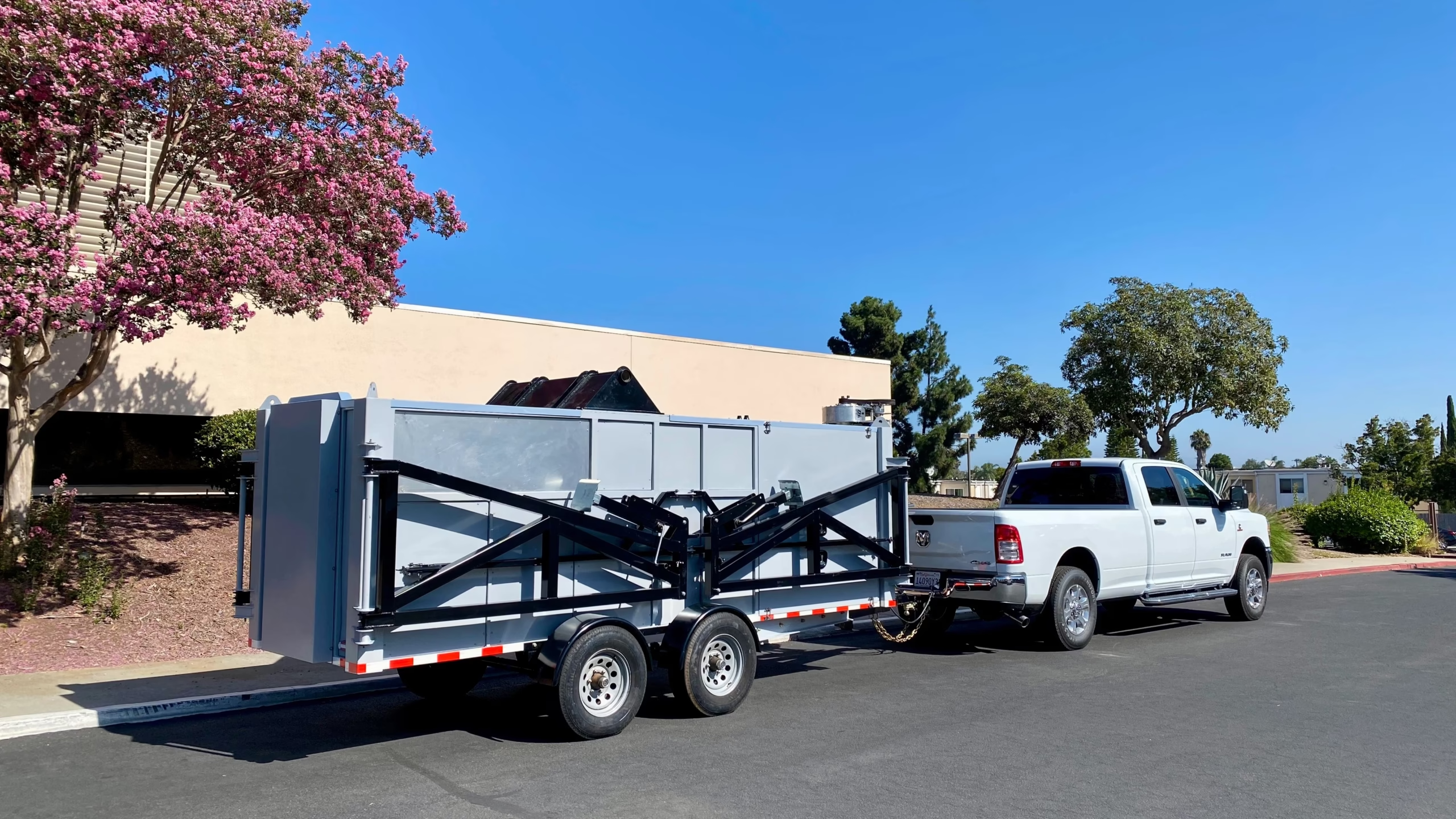
In today’s world, access to reliable and portable energy has become essential. Whether you are on a camping trip in the wilderness or preparing for emergencies at home, a mobile wind turbine offers a versatile and eco-friendly solution. These devices are designed to generate electricity anywhere the wind blows, providing a dependable energy source for a variety of situations. Understanding the creative uses of mobile wind turbines can help you make the most of their potential while reducing reliance on conventional power sources.
How Mobile Wind Turbines Work and Why They Are Useful
A mobile wind turbine converts wind energy into electrical power through a small rotor and generator system. Unlike traditional wind turbines that are fixed in one location, mobile versions are compact, lightweight, and easy to transport. This portability makes them suitable for scenarios where standard power supply is not available.
The main advantage of a mobile wind turbine lies in its versatility. Campers, hikers, and outdoor enthusiasts can use it to charge phones, lights, and small appliances while away from the grid. Similarly, households can integrate it into emergency preparedness kits to provide electricity during power outages. The ability to generate clean, renewable energy without fuel or noise makes mobile wind turbines both practical and environmentally friendly.
Portable Power for Camping Trips
Camping trips are one of the most popular scenarios for using a mobile wind turbine. Traditional camping often relies on batteries or fuel-based generators for electricity. However, these options can be cumbersome, noisy, and limited by fuel availability. A mobile wind turbine provides a sustainable alternative.
Campers can set up the turbine near their tents or RVs to power LED lights, portable refrigerators, and communication devices. This not only improves comfort but also ensures safety, as it allows for proper lighting and access to emergency communication. The turbine’s portability means it can be folded or packed away easily when moving to a new campsite.
Enhancing Outdoor Adventures
Outdoor enthusiasts can also use mobile wind turbines to power GPS devices, drones, and cameras. This ensures that technology-dependent activities are not interrupted by low battery levels. Hikers and nature photographers benefit from this convenience, as they can continue exploring and documenting their experiences without worrying about electricity access.
Emergency Power Supply at Home
Another essential use of a mobile wind turbine is for emergency preparedness. Power outages caused by storms, natural disasters, or grid failures can create dangerous situations. Mobile wind turbines provide a reliable backup source of energy for critical household needs.
Families can use the turbine to charge phones, power medical devices, or maintain lighting during an outage. Because it generates electricity from wind, it does not rely on fuel, which may be scarce in emergencies. Additionally, it is quiet compared to traditional generators, reducing stress during difficult situations.
Preparing a Wind-Powered Emergency Kit
A well-prepared emergency kit includes not only food, water, and first aid supplies but also portable power solutions. A mobile wind turbine can be combined with solar panels and battery storage to create a hybrid system that ensures continuous electricity. This setup allows for longer use during extended outages and provides a sustainable solution for energy independence.
Innovative Applications Beyond Camping and Emergencies
Mobile wind turbines are not limited to recreational or emergency uses. They can also serve unique purposes in remote work sites, temporary events, and educational projects. For instance, outdoor research stations and fieldwork teams can use mobile turbines to power computers, sensors, and communication equipment. Event organizers can provide clean energy for temporary lighting or sound systems without relying on noisy generators.
Educational and DIY Projects
Mobile wind turbines can also be used in schools and community projects to teach students about renewable energy. Building or operating a small turbine allows students to understand the principles of wind power, electricity generation, and sustainable living. This hands-on experience can inspire future engineers and environmentalists while promoting awareness about clean energy solutions.
Tips for Safe and Effective Use of Mobile Wind Turbines
To maximize the benefits of a mobile wind turbine, users should follow basic safety and efficiency guidelines. First, always place the turbine on stable ground and ensure it is securely anchored. This prevents tipping or damage in strong winds. Second, regularly inspect the turbine for wear, loose components, or debris that may interfere with operation.
Users should also consider wind conditions before setup. Mobile wind turbines perform best in areas with consistent airflow. Avoid using them in extremely turbulent conditions or near obstacles that block the wind. Proper placement ensures optimal energy generation while protecting the device from damage.
Maintenance and Storage
Regular maintenance extends the life of a mobile wind turbine. Clean the blades and generator periodically, and store the device in a dry, protected location when not in use. Many models are designed to be foldable or collapsible, making storage and transportation easy for frequent travelers or campers.
Conclusion: Embracing the Flexibility of Mobile Wind Turbines
A mobile wind turbine is a versatile tool for modern living, offering portable power for camping, emergency situations, and innovative applications. Its portability, renewable energy source, and ease of use make it an ideal choice for anyone seeking reliable electricity away from conventional power grids.