Category

Health

Category

Vaginismus is a condition that affects many women, often causing pain and discomfort during intimacy or vaginal examinations. Fortunately, there are effective solutions available, and Vaginismus Treatment in Islamabad has become increasingly accessible for women seeking professional care. Early intervention is crucial to restore confidence, improve sexual health, and enhance overall well-being. In this article, we will explore a step-by-step approach to managing vaginismus and related treatments, targeting patients in Pakistan.

Understanding Vaginismus

Vaginismus occurs when the muscles around the vagina involuntarily contract, making penetration painful or impossible. This condition can result from psychological factors such as stress, trauma, or anxiety, as well as physical causes including infections or childbirth complications. Recognizing the symptoms early and seeking professional guidance is essential for effective treatment.

Step 1: Professional Consultation

The first step in Vaginismus Treatment in Islamabad is consulting a qualified gynecologist or sexual health specialist. During this initial assessment, the doctor evaluates medical history, performs a physical examination, and discusses potential triggers for the condition. A thorough consultation helps in devising a personalized treatment plan that addresses both physical and psychological aspects of vaginismus.

Step 2: Counseling and Therapy

Psychological counseling is a crucial part of vaginismus management. Cognitive-behavioral therapy (CBT) and sex therapy help women address underlying anxiety, trauma, or fear associated with intimacy. Working with a trained therapist ensures a safe environment for discussing sensitive issues and gradually overcoming emotional barriers.

Step 3: Pelvic Floor Exercises

Pelvic floor exercises, such as Kegel exercises, strengthen the vaginal muscles and improve control over involuntary contractions. Regular practice helps reduce muscle tension, enhance blood flow, and increase comfort during penetration. A trained physiotherapist can provide a structured exercise regimen tailored to the patient’s needs.

Step 4: Vaginal Dilators

Using vaginal dilators is another effective approach to gradually desensitize the vaginal muscles. Starting with smaller sizes and progressing to larger ones under professional guidance helps patients regain confidence and reduce pain during intercourse. Dilator therapy is often combined with relaxation techniques to maximize effectiveness.

Step 5: Medical Treatments

In some cases, medical interventions may complement traditional therapy. Clinics in Islamabad offer advanced treatments such as Vaginal Fillers In Islamabad, which enhance vaginal elasticity, or Vaginal Tightening Treatment in Islamabad to improve muscle tone. These procedures are minimally invasive and can support recovery when used alongside therapy and exercises.

Step 6: Lifestyle Adjustments

Lifestyle changes can significantly support recovery from vaginismus. Stress management, yoga, and a balanced diet contribute to overall well-being and promote muscle relaxation. Open communication with partners is also important, ensuring emotional support throughout the treatment process.

Choosing the Right Clinic

Selecting a reputable clinic is essential for effective and safe vaginismus treatment. For residents in Islamabad, Aesthetic Clinic Islamabad F6 is known for offering comprehensive care, combining medical expertise with a patient-focused approach. Clinics like this provide privacy, personalized treatment plans, and a multidisciplinary team to address all aspects of sexual health.

Integrating Complementary Treatments

Many women benefit from combining vaginismus treatment with other advanced therapies. For example, Exosome Hair Treatment in Islamabad represents innovative regenerative therapy for overall wellness and confidence. While primarily focused on hair restoration, it reflects the growing availability of advanced medical treatments in the city.

Recovery and Follow-Up

Successful treatment of vaginismus requires consistent follow-up and monitoring. Patients should continue pelvic floor exercises, attend therapy sessions, and maintain regular check-ins with their gynecologist. Tracking progress ensures timely adjustments to the treatment plan, ultimately leading to long-term relief and improved quality of life.

Conclusion

Vaginismus can significantly impact a woman’s physical and emotional health, but effective solutions are available in Islamabad. Following a structured step-by-step approach — from professional consultation and therapy to medical interventions and lifestyle changes — can restore confidence and intimacy. With clinics like Aesthetic Clinic Islamabad F6 offering specialized care, women in Pakistan now have access to safe, effective, and comprehensive Vaginismus Treatment in Islamabad tailored to their needs.


Every pregnancy is unique, just like every family’s story. While books, articles, and advice from loved ones can offer guidance, nothing truly compares to the personalized care you receive from dedicated medical professionals. For us, personalized care wasn’t just a service—it was the support system that carried us through uncertainty, provided clarity in moments of doubt, and ensured our baby’s health at every stage.

In this blog, I want to share our journey and explain how personalized care made such a difference. From the first consultations to crucial prenatal tests, tailored guidance gave us the confidence we needed to embrace this life-changing experience with peace of mind.

The Importance of Personalized Care During Pregnancy

Pregnancy is both exciting and overwhelming. Amidst the joy of expecting a child, there are countless questions, new symptoms, and anxieties about the baby’s health. Personalized care bridges this gap by focusing on your specific needs, risk factors, and emotional well-being.

Instead of offering one-size-fits-all advice, personalized care means your doctor listens closely, understands your background, and crafts a care plan that is just for you. This makes a huge difference in the outcomes, both medically and emotionally.

Early Appointments and Tailored Guidance

From the beginning, our doctors ensured every consultation was centered on us. They didn’t just check vitals and send us home—they asked questions about our family history, explained test options, and reassured us when small concerns popped up.

One of the earliest examples of this was when our doctor recommended the Dual Marker Test in Chandigarh. Rather than presenting it as just another test, they took time to explain its purpose, what it screens for, and why it was particularly important for us. That personal explanation helped us feel informed instead of anxious.

Building Trust Through Communication

Trust is everything in a pregnancy journey. Personalized care gave us the confidence to ask questions openly, no matter how small they seemed. Our doctor and care team explained complex medical terms in simple language, ensuring we never felt lost or overwhelmed.

Whether it was explaining why certain dietary adjustments were needed or preparing us for upcoming scans, every step felt like a partnership. This trust made us feel calmer, knowing we weren’t just patients—we were partners in the process.

When Personalized Care Meets Technology

Pregnancy care today goes far beyond traditional checkups. With advancements in fetal medicine and diagnostic tools, doctors can offer more tailored insights than ever before. What stood out to us was how our specialist used these technologies not as generic procedures but as personalized checkpoints in our baby’s growth story.

For example, mid-pregnancy brought us to the Anomaly Scan in Chandigarh, one of the most detailed and significant ultrasounds. Personalized care meant the doctor didn’t just run the scan and hand us results. They walked us through the images, explained every aspect of our baby’s development, and reassured us about what was normal. This level of personal attention made what could have been a stressful moment into an empowering one.

Addressing Emotional Health Alongside Physical Care

Pregnancy isn’t just a physical journey—it’s an emotional one too. We experienced moments of joy, but also worry, especially while waiting for test results. Personalized care meant our team supported us emotionally, not just medically.

Instead of brushing off concerns, they validated our feelings, encouraged open conversations, and reminded us that stress management was as important as physical health. From suggesting mindfulness techniques to connecting us with prenatal support resources, their approach made us feel cared for as individuals, not just patients.

Customized Plans for High-Risk Situations

Not every pregnancy is straightforward. When complications or risks appear, personalized care becomes even more essential. While ours was mostly smooth, there were times when close monitoring was necessary.

The difference was how our care team managed those moments. Instead of using generic solutions, they tailored each step to our circumstances—whether adjusting checkup frequency, recommending extra scans, or making small lifestyle changes. This approach gave us a sense of safety and control in situations where uncertainty might otherwise have taken over.

The Role of Preventive Care

One of the best aspects of personalized care was how preventive it was. Tests and scans weren’t just reactions to problems—they were proactive measures to ensure everything was progressing well.

The emphasis wasn’t only on catching potential issues early but also on preparing us with the knowledge we needed to take care of ourselves. Nutritional guidance, exercise suggestions, and mental wellness tips were all woven into our care plan. This proactive support made our journey smoother and more reassuring.

The Power of Feeling Seen and Heard

Looking back, the most impactful part of our journey wasn’t any single test or scan—it was the way we felt seen and heard throughout. Personalized care gave us a voice in decisions about our pregnancy, helping us feel confident and involved.

This kind of care transforms the entire experience. Instead of being passive recipients of medical advice, we felt like active participants in shaping our baby’s health journey.

How Personalized Care Benefits Every Family

While our story is unique, the benefits of personalized care apply to every pregnancy:

  • Clarity: Every parent wants to understand what’s happening. Personalized care translates medical language into understandable guidance.
  • Confidence: With tailored support, you’re reassured at every stage.
  • Preparedness: Early interventions and preventive measures reduce risks and stress.
  • Emotional Wellness: Pregnancy becomes less about worry and more about enjoying the journey.

The Bigger Picture: Personalized Care in Modern Medicine

The idea of personalized care is transforming medicine worldwide, and pregnancy is no exception. Instead of relying solely on standardized protocols, healthcare is moving toward individualized solutions. This shift acknowledges that every woman, every baby, and every family has a unique story.

From advanced diagnostics to genetic counseling, the focus today is on precision and empathy. This combination ensures healthier outcomes and happier experiences.

Lessons We Learned Along the Way

As we reflect on our journey, a few lessons stand out:

  1. Ask questions early and often. Personalized care thrives when you’re engaged.
  2. Trust the process. Even when challenges arise, tailored support makes them manageable.
  3. Prioritize mental well-being. Emotional health is a crucial part of prenatal care.
  4. Celebrate milestones. Each scan, test, and checkup is a step closer to holding your baby.

Final Thoughts

Pregnancy is more than a medical journey—it’s a deeply personal chapter of life. Personalized care made all the difference in ours, turning what could have been a stressful and uncertain experience into one filled with reassurance, trust, and joy.

If there’s one takeaway from our story, it’s this: personalized care isn’t just about better outcomes—it’s about feeling supported, understood, and empowered during one of life’s most transformative journeys.

Introduction

Antibiotics and antimicrobials are powerful tools in modern veterinary medicine. They protect animal health, support welfare, and help maintain productivity in agriculture. Yet their benefits come with responsibilities: misuse can cause antimicrobial resistance (AMR), residue in food, and harm to ecosystems. This article explains what animal antibiotics and antimicrobials are, how they’re used, their benefits and critically – how to use them responsibly.

Definition

Animal antibiotics antimicrobials are substances used in veterinary medicine to prevent, control, or treat infections caused by bacteria and other microorganisms in animals. They work by killing or inhibiting the growth of harmful pathogens, helping to maintain animal health, improve welfare, and support safe food production, while their use is regulated to minimize antimicrobial resistance and protect public health.

What are antibiotics and antimicrobials?

“Antimicrobials” is a broad term for agents that kill or inhibit microorganisms (bacteria, fungi, viruses, and parasites). “Antibiotics” are a subclass that specifically target bacteria. In veterinary practice, antimicrobials include antibiotics, antifungals, antivirals, and antiparasitics. Most day-to-day discussion around stewardship and resistance focuses on antibiotics because bacterial diseases are common and bacteria can rapidly evolve resistance.

Common uses in animals

  1. Therapeutic use: Treating diagnosed bacterial infections – for example, mastitis in dairy cows, respiratory infections in pigs and poultry, urinary tract infections in pets, or wound infections in horses.
  2. Metaphylaxis: Treating a group of animals where some are sick and others are at high risk, to control an outbreak before it spreads.
  3. Prophylaxis (preventive use): Short-term use to prevent infection in a high-risk situation (e.g., surgical prophylaxis). Routine preventive use is increasingly discouraged except for specific, justified situations.
  4. Growth promotion (historical): Low-dose antibiotics used to improve feed efficiency and growth rates. Many countries have banned or heavily restricted this practice because it encourages resistance.

Benefits of appropriate use

When used correctly, antibiotics and antimicrobials bring clear advantages:

  • Animal welfare: Prompt treatment reduces suffering and speeds recovery.
  • Disease control: Stopping infections in individuals prevents outbreaks in herds/flocks.
  • Food security and safety: Healthy animals are more productive – essential for stable food supplies. Responsible use also minimizes the risk of drug residues entering the food chain.
  • Economic stability: For farmers, effective therapy reduces losses from mortality, reduced growth, or decreased yield.

Risks and why responsibility matters

The most significant global risk is antimicrobial resistance (AMR): bacteria evolve to survive drug exposure, rendering treatments less effective. Consequences include longer illness, higher treatment costs, and the potential for resistant pathogens to move between animals and humans. Other risks are:

  • Drug residues in meat, milk, eggs if withdrawal periods are ignored.
  • Environmental contamination: Excreted drugs can affect soil and water microbes.
  • Animal side effects and allergic reactions when drugs are misused.

Principles of responsible use (antimicrobial stewardship)

Responsible use – often called antimicrobial stewardship – balances animal health needs with the imperative to slow resistance. Key practices include:

  • Veterinary oversight: Only use antimicrobials under the guidance of a licensed veterinarian who has examined the animal or herd and made a diagnosis or valid clinical judgment.
  • Accurate diagnosis: Whenever possible, confirm bacterial infections with appropriate diagnostics (culture and sensitivity testing) rather than relying on guesswork.
  • Targeted therapy: Choose drugs based on likely or confirmed pathogens and sensitivity results. Avoid broad-spectrum antibiotics when a narrow-spectrum agent will work.
  • Right dose, route, and duration: Follow veterinary prescriptions precisely – underdosing can select for resistance, overdosing can harm the animal.
  • Avoid routine preventive group treatments: Use prophylaxis sparingly and only for clearly justified, short-term situations.
  • Observe withdrawal periods: For food-producing animals, adhere strictly to withdrawal times before selling milk, meat, or eggs to avoid residues.
  • Recordkeeping: Maintain clear treatment records: drug, dose, date, animal ID, withdrawal period – this improves traceability and decision-making.
  • Biosecurity and vaccination: Prevent disease through good hygiene, quarantine of new animals, and vaccination programs – less disease means less need for antimicrobials.
  • Alternatives and supportive care: Use supportive therapies (fluids, pain control, nutrition) and non-antibiotic measures (probiotics, management changes) when appropriate.

Practical examples of stewardship

  • A dairy herd with a single cow showing mild mastitis should be examined and, if a bacterial infection is confirmed, treated individually rather than mass treating the entire herd.
  • In poultry, improving ventilation, reducing stocking density, and vaccinating can lower respiratory disease incidence and cut antimicrobial use.
  • For a surgical procedure in a dog, a single perioperative dose given under veterinary protocol often prevents infection without prolonged antibiotic courses.

Regulatory and industry trends

Globally, regulation is tightening. Many countries require veterinary prescriptions for antibiotics and have banned antibiotics for growth promotion. Industry groups and retailers often impose additional standards (e.g., “antibiotic-free” labels) and encourage auditing and stewardship programs. These policies are designed to protect public health while maintaining animal welfare.

What farmers and pet owners can do

  • Develop a relationship with a trusted veterinarian and involve them in herd or flock health planning.
  • Invest in prevention: sanitation, housing, nutrition, and vaccination.
  • Keep accurate treatment records and follow instructions for withdrawal periods.
  • Learn to recognize early signs of disease and report them promptly.
  • Avoid pressuring veterinarians for antibiotics when they’re not necessary.

Growth Rate of Animal Antibiotics Antimicrobials Market

According to Data Bridge Market Research, the Animal Antibiotics Antimicrobials market was estimated to be worth USD 5.08 billion in 2024 and is projected to grow at a compound annual growth rate (CAGR) of 4.10% to reach USD 7.00 billion by 2032.

Learn More: https://www.databridgemarketresearch.com/reports/global-animal-antibiotics-antimicrobials-market

Conclusion

Antibiotics and antimicrobials are indispensable for protecting animal health and supporting food systems, but their power must be handled carefully. Prudent veterinary oversight, accurate diagnosis, targeted therapy, prevention through biosecurity and vaccination, and strict adherence to withdrawal times form the backbone of responsible use. When farmers, veterinarians, policymakers, and consumers work together, we can keep animals healthy today while preserving the effectiveness of these medicines for future generations.

In today’s fast-paced lifestyle, addiction has become a serious issue affecting individuals and families alike. Substance abuse not only harms physical health but also damages mental peace, relationships, and career growth. If you or your loved one is struggling with addiction, choosing a reliable Nasha Mukti Kendra in Noida can be the first and most important step toward recovery.

What Is a Nasha Mukti Kendra?

A Nasha Mukti Kendra (De-addiction Center) is a professional facility where people suffering from alcohol or drug addiction receive proper treatment and emotional support. These centers focus on complete recovery through medical care, counseling, and lifestyle improvement, helping patients regain control of their lives.

Why Choose a Nasha Mukti Kendra in Noida?

Noida has emerged as a preferred location for quality de-addiction services due to its peaceful environment and well-equipped rehabilitation centers. A Nasha Mukti Kendra in Noida offers:

  • Experienced doctors and trained counselors
  • Safe and hygienic accommodation
  • Personalized treatment programs
  • Confidential and respectful care

Types of Addiction Treated

Most Nasha Mukti Kendras in Noida provide treatment for:

  • Alcohol addiction
  • Drug addiction (heroin, cocaine, charas, ganja, etc.)
  • Prescription medicine abuse
  • Smoking and tobacco addiction

Treatment Process

The recovery process usually includes:

  1. Medical Detoxification – Safe removal of harmful substances from the body
  2. Counseling & Therapy – One-to-one and group counseling sessions
  3. Yoga & Meditation – For mental peace and self-control
  4. Aftercare Support – Guidance to prevent relapse

Benefits of Joining a Nasha Mukti Kendra

  • Improved physical and mental health
  • Positive lifestyle changes
  • Strong emotional support
  • Better family and social relationships
  • A fresh start toward a healthy future

Start a New Life Today

Addiction is not a weakness; it is a condition that can be treated with the right help. A trusted Nasha Mukti Kendra provides the care, guidance, and motivation needed to overcome addiction and live a dignified, drug-free life.

Booking‍‌‍‍‌‍‌‍‍‌ a Wafid (formerly GAMCA) medical appointment is a required step for any work or family visa application in the GCC. Although the procedure is done entirely online, newcomers are often puzzled and concerned with the possibility of making errors. The positive thing is that reserving a Wafid meeting in 2026 is straightforward and lasts only a few minutes if you go through the right steps.

This tutorial clarifies the whole system, helps you stay away from the most typical mistakes, and ensures that your appointment will be definitely successful at your first try.

What Is Wafid and Why Is It Required?

Wafid is the medical screening system whose the security standards were verified by GCC coutries like Saudi Arabia, Kuwait, Oman, Qatar, Bahrain, and the UAE. The entrance to the visa stamping stage is allowed only after the completion of the medical examination which is a compulsory requirement for the applicants. Various tests of health shall only be accomplished at the centers accredited by Wafid.

Things You Need Before Booking

Just before the procedure of booking is enforced, ensure that you accompany the following materials:

– An unexpired passport (with at least 6 months of validity remaining)

– Correct passport number (exactly as printed)

– Destination GCC country

– Visa type (work or family)

– An active email address

– Debit or credit card for payment

It is very good to carefully check all of your data beforehand in order to avert making mistakes during booking.

Step-by-Step Guide to Book a Wafid Appointment

Step 1: Visit the Official Wafid Website

Launch your preferred Internet browser and head to the official Wafid portal. Try to be always on the safe side by double-checking the authenticity of the website before proceeding with your booking in order anyhow to avoid potential scams or fake agents.

Step 2: Select Your Destination Country

Point out the GCC where you are applying for the visa (like Oman, Kuwait, or Saudi Arabia). The exact requirements of the medical examination may differ from one country to another, so it is a good idea to do this step first.

Step 3: Enter Your Passport Details

Precisely input:

Passport number

Nationality

Date of birth

Try to correct any error in spelling, leaving of an extra space, or wrong character in the strings you have typed.

Step 4: Choose Visa Type

Pick up the correct visa category:

Work Visa

Family/Dependent Visa

If you mistakenly choose a different visa type, then there could be instances where your visa will be rejected or you will have to issue another booking again.

Step 5: Select a Medical Center

The program will locate for you the nearest medical check-up center with Wafid accreditation and will either book you there automatically or will display it to you as a choice. After you have made sure the center is convenient for you, select a medical appointment time that is suitable for you.

Step 6: Make the Payment

Using either your debit or credit card, pay the amount required for the medical procedure. Do not prompt the browser to refresh the page or close the tab during the action of payment.

Step 7: Download and Print Appointment Slip

Save the appointment slip copy to your device immediately and also keep a backup of it either in your email or in your phone memory. Producing the slip form at the time of your visit to the medical center is a must.

On the Day of Medical Examination

Have these papers with you:

  • The original passport
  • Printed Wafid appointment slip
  • Passport-size photographs (if required)

Medical centers may be busy so it is a good idea to get there before your scheduled time.

Common Mistakes to Avoid

-Entering wrong passport number

-Selecting incorrect GCC country

-Choosing wrong visa type

-Booking multiple appointments unnecessarily

-Refreshing the payment page

Almost all of these errors lead to a need for new appointment booking and again payment.

Important Tips for a Smooth Booking

-Use a stable internet connection

-Check all details before confirming payment

-Keep the screenshots of payment confirmation

-Book only once per passport

Frequently Asked Questions (FAQs)

1. How long is a Wafid appointment slip valid?

The slip in concern is usually valid for 30 days starting from the reservation date.

2. Can I reschedule my Wafid appointment?

It is impossible to reschedule. You need to make another booking if you cannot make it to your scheduled time.

3. Is the Wafid booking fee refundable?

It is not refundable.

4. Can I book a Wafid appointment without an agent?

Absolutely, the entire procedure is online and does not require an agent.

5. What happens after the medical test?

After the medical exam is done, the results will be sent online. Later, you will be able to see and download your medical status from the Wafid portal.

Conclusion

Booking a Wafid appointment in 2026 will not consume much of your time and it is quite easy as long as you are cautious and follow the official steps. In addition, you should always verify your information twice, not use an agent third party and keep your appointment slip safe. An appropriately made appointment will be your time, money and unnecessary stress saver during the visa ‍‌‍‍‌‍‌‍‍‌process.

Daily living looks different for every individual, especially for people living with disability. For some, it’s about managing personal care routines with confidence. For others, it’s about building life skills, accessing the community, or feeling safe and supported in their own home. One factor that consistently shapes these experiences is the choice of NDIS provider.

Under the National Disability Insurance Scheme (NDIS), participants are given choice and control over their supports. While this flexibility is empowering, it also means that selecting the right provider is a crucial decision. The right NDIS provider can enhance independence, wellbeing, and quality of life, while the wrong one can lead to frustration, stress, and unmet goals.

This article explores why choosing the right NDIS provider makes a real difference in daily living and how the right support can positively impact every aspect of a participant’s life.

The Role of an NDIS Provider in Everyday Life

An NDIS provider does much more than deliver services. They become part of a participant’s daily routine, personal growth, and support network. From assisting with personal care to encouraging community participation, providers influence how smoothly daily life runs.

A quality provider focuses not only on tasks but also on outcomes. This means helping participants develop skills, confidence, and independence over time. When support workers understand a participant’s goals and respect their preferences, daily living becomes more structured, empowering, and enjoyable.

In contrast, poorly matched support can feel rushed, impersonal, or inconsistent, which can negatively affect a participant’s sense of control and wellbeing.

Personalised Support Creates Meaningful Outcomes

One of the biggest differences between providers lies in how they personalise their services. No two participants have the same needs, abilities, or goals. The right provider takes time to understand each individual and tailors support accordingly.

Personalised support may involve adapting routines, encouraging choice in daily activities, or adjusting communication styles. These small but meaningful adjustments help participants feel respected and understood.

When daily living support is aligned with personal goals, participants are more likely to engage actively, build confidence, and take ownership of their routines rather than feeling dependent on support.

Consistency and Reliability Matter

Consistency is essential for maintaining stability in daily life. Reliable support workers who show up on time and understand a participant’s routine help create a sense of security and predictability.

The right NDIS provider ensures continuity of care by minimising frequent staff changes and maintaining clear communication. This consistency allows participants to build trust with their support workers, which is especially important for individuals who may experience anxiety or difficulty adjusting to change.

Reliable support also benefits families and carers, providing reassurance that daily needs are being met consistently and professionally.

Supporting Independence, Not Dependence

A key goal of the NDIS is to promote independence. The right provider understands this and focuses on empowering participants rather than doing everything for them.

In daily living, this may involve encouraging participants to take part in household tasks, make decisions about their routines, or learn new skills at their own pace. Support workers act as guides and mentors rather than controllers of daily life.

Over time, this approach can lead to improved self-confidence and greater independence, even for participants with complex support needs.

Handling Unexpected Situations with Care

Life is unpredictable, and unexpected situations can arise at any time. Having access to reliable emergency respite care adelaide can make a significant difference during times of crisis or sudden change.

A well-prepared NDIS provider ensures that emergency and short-term supports are available when needed, without disrupting the participant’s routine more than necessary. This level of preparedness protects the wellbeing of both participants and their families.

Knowing that emergency support is available provides peace of mind and helps participants maintain stability during challenging moments.

Building Trust Through Communication

Open and respectful communication is a hallmark of a good NDIS provider. Participants should feel comfortable expressing concerns, providing feedback, and discussing changes to their support needs.

The right provider listens actively and responds promptly. They involve participants in decision-making and ensure that support plans remain flexible and up to date.

Strong communication also helps prevent misunderstandings and ensures that daily living supports remain aligned with the participant’s evolving goals.

Cultural Understanding and Respect

Daily living support is deeply personal, and cultural values, beliefs, and preferences play an important role. The right NDIS provider demonstrates cultural sensitivity and respects each participant’s background.

This may include understanding family dynamics, communication preferences, or religious practices. When participants feel culturally respected, they are more comfortable engaging with support services and expressing their needs.

In diverse communities, culturally aware support can significantly improve the quality of daily living experiences.

The Impact on Mental and Emotional Wellbeing

Daily living is not just about physical tasks. Emotional wellbeing plays a major role in overall quality of life. Support workers who are patient, empathetic, and encouraging can have a positive impact on a participant’s mental health.

The right provider fosters a supportive environment where participants feel valued and understood. This emotional safety allows individuals to try new things, overcome challenges, and build resilience.

Positive daily interactions with support workers can boost confidence and reduce feelings of isolation.

Supporting Families and Carers

Choosing the right provider benefits not only participants but also their families and carers. When daily living supports are reliable and effective, families can focus on maintaining healthy relationships rather than managing constant care responsibilities.

Good providers work collaboratively with families, keeping them informed while respecting the participant’s independence and privacy. This balance helps create a sustainable support system that benefits everyone involved.

Families often report reduced stress and greater peace of mind when they trust their chosen provider.

Why Local Experience Makes a Difference

Providers with local experience understand the community, services, and resources available to participants. A trusted NDIS Service Provider Adelaide is familiar with local networks, healthcare services, and community programs that enhance daily living.

Local knowledge allows providers to support participants in accessing nearby activities, appointments, and opportunities, making daily life more connected and fulfilling.

This local connection can significantly enhance community participation and social inclusion.

Flexibility as Needs Change

Life circumstances and support needs change over time. The right NDIS provider offers flexibility and adapts services as participants progress or face new challenges.

Whether it’s increasing independence, transitioning to new living arrangements, or adjusting daily routines, a flexible provider ensures continuity of care without unnecessary disruptions.

This adaptability is essential for long-term success and participant satisfaction.

Conclusion

Choosing the right NDIS provider makes a real and lasting difference in daily living. From personalised support and consistent care to emergency preparedness and emotional wellbeing, the quality of a provider directly impacts a participant’s independence and quality of life.

The right provider does more than deliver services—they empower individuals, build confidence, and support meaningful daily experiences. By taking the time to choose a provider that aligns with personal goals and values, NDIS participants can create a daily life that is stable, fulfilling, and truly their own.

Getting sick always feels the same at first.

You wake up groggy, your throat’s scratchy, your head feels heavy, and you’re just hoping it’s “nothing serious.” Then the guessing game starts — is it viral? Is it bacterial? Do I need antibiotics? Or should I just wait it out with hot water and rest?

I’ve been through this so many times that I finally decided to figure it out properly — what’s the real difference between bacterial and viral infections, and how do you know which one you’ve got?

If you live in Nagpur like me, you probably know the struggle of deciding when to actually go see the best general physician in Nagpur and when to just drink some kadha and hope for the best.

So, what’s actually the difference?

Let me try to explain this in normal words.

Bacteria are tiny living creatures. They’re everywhere — in the air, on your skin, inside your stomach. Most of them are harmless, even helpful. But some types cause infections when they get into the wrong place — like your throat, your lungs, or your urinary tract.

Viruses, on the other hand, aren’t really alive. They’re more like small packets of genetic stuff that can’t do anything unless they find a host. That host is you. They sneak into your cells, use your body to make copies of themselves, and that’s how you end up feeling sick.

So yeah, bacteria can live on their own. Viruses can’t.

That’s the simplest way to put it.

Why this matters more than you think

For the longest time, I didn’t care about this difference.

If I got sick, I’d just take antibiotics — because that’s what everyone does, right?

But here’s the thing: antibiotics work only on bacteria. Not on viruses.

If you take them for a viral infection (like a cold or the flu), you’re not just wasting medicine — you’re helping bacteria become resistant. And when you actually do need antibiotics one day, they might not work as well.

That’s scary.

So yeah, understanding whether it’s bacterial or viral actually helps you recover faster — and keeps you from messing up your immune system.

What viral infections usually feel like

Viral infections are the ones most of us get often. They’re annoying but usually mild.

Think colds, the flu, coughs that hang around, that sort of thing.

Some signs it might be viral:

  1. It starts slow and spreads — like one day you feel tired, next day you’ve got a runny nose.
  2. Fever comes and goes.
  3. You feel achy all over.
  4. You might have a sore throat, cough, or watery eyes.

Most viral infections go away on their own in about a week or two. You just need to rest, drink water, and take something for the fever if you have one.

It’s more about supporting your body than “curing” it.

What bacterial infections usually feel like

Bacterial infections are different. They often hit harder, and they usually affect a specific part of your body.

Like, your throat hurts badly in one spot, or you’ve got a wound that’s red and filled with pus.

Here’s what to look for:

  1. High fever that doesn’t ease up
  2. Pain in one focused area (ear, throat, chest, etc.)
  3. Yellow or green mucus
  4. Swelling, redness, or pus
  5. Feeling worse after a few days instead of better

That’s when you might actually need antibiotics.

But again, only after a doctor checks you.

How doctors figure it out

When you visit the best general physician in Nagpur, don’t be surprised if they don’t give you antibiotics right away. A good doctor won’t just hand them out — they’ll ask questions first.

Things like:

  1. How long have you been sick
  2. Whether your symptoms are changing
  3. If you’ve had this before
  4. Sometimes they’ll do a blood test or a throat swab

It might take a bit of patience, but this helps them figure out whether it’s bacterial, viral, or something else entirely.

What you can do in the meantime

Honestly, most of the healing happens at home.

The basic stuff your parents always tell you still works:

  1. Rest, even if you think you’re fine.
  2. Drink more water than you think you need.
  3. Eat light, easy food.
  4. Avoid cold drinks (especially in Nagpur weather).
  5. Keep your surroundings clean.
  6. Wash your hands often.

And seriously — stop self-medicating with antibiotics. I’ve done it, and it only delayed my recovery.

When to actually see a doctor

Sometimes, you just know it’s not a normal cold anymore.

Go see a doctor if:

  1. Your fever stays high for more than three days
  2. You’re coughing up thick or colored mucus
  3. You have pain that’s not improving
  4. You feel short of breath
  5. You keep getting the same infection again and again

That’s when visiting the best general physician in Nagpur really helps. They’ll check what’s going on and start the right treatment before it gets worse.

A small personal story

Last year, I had this weird fever that wouldn’t go away.

First few days, I brushed it off — just another viral fever, I thought.

But by day five, I could barely swallow, and the pain in my throat was sharp.

Went to a local doctor — he looked at my throat and said, “This looks bacterial.”

He gave me antibiotics for five days. Within two, I felt normal again.

If I had gone earlier, I probably wouldn’t have had to suffer that long.

Now I don’t wait around when something feels off. I just go.

How to avoid getting sick all the time

You can’t dodge every germ, but you can make your body a bit tougher.

Here’s what actually works:

  1. Wash your hands regularly.
  2. Eat food that’s fresh and balanced.
  3. Stay hydrated — especially in Nagpur’s dry months.
  4. Get enough sleep.
  5. Keep your stress in check.
  6. Don’t skip vaccines.

Little things, but they add up.

Quick FAQs

1. What’s the main difference between bacterial and viral infections?

Bacteria are living organisms that can grow on their own. Viruses can’t — they need your cells to survive. Antibiotics work only on bacteria.

2. How do I know which one I have?

You can’t always tell by symptoms. Viral infections start mild and fade; bacterial ones tend to get worse or stay longer.

3. Should I take antibiotics just in case?

No. That’s actually harmful. Only take them if a doctor prescribes them.

4. Can a viral infection turn into a bacterial one?

Yes, sometimes it can. For example, a simple cold can turn into a sinus infection.

5. Where can I find the best general physician in Nagpur?

Ask friends, check local reviews, or visit a trusted clinic nearby. Find someone who listens, explains things clearly, and doesn’t rush you.

Knowing the difference between bacterial and viral infections isn’t just about sounding smart — it’s about taking better care of yourself.

You’ll know when to rest, when to wait, and when it’s time to see a doctor.

And honestly, if you’re ever unsure, don’t guess — just visit the best general physician in Nagpur.

Because sometimes what feels like a small cold isn’t so small after all. And getting the right help at the right time? That’s what really makes the difference.

So, you’ve probably heard people talking about moringa. Some call it a superfood. Others just toss it into smoothies without thinking too much.

But why moringa is called a natural gut supporter is actually pretty interesting.

I first tried moringa a few years ago when I was dealing with random bloating. A friend swore by it. I wasn’t expecting much, but after a few weeks, my stomach felt calmer. Maybe a coincidence, maybe not. I got curious and kept digging.

What I found made a lot of sense.

Before we dive deeper, a quick thought. Your gut isn’t just about digestion. It affects mood, energy, sleep, and sometimes even your skin. Weird how everything is connected, right?

Let’s talk through what makes moringa such a helpful partner for your gut.

No fluff. Just real reasons you might want to keep it around.

What Makes Moringa Special for the Gut?

Moringa comes from the leaves of a tree that grows mostly in warm regions. It’s been used in traditional health practices for a long time. People didn’t need fancy labels to know it helped them feel better.

The cool thing is that it’s simple. You can find it in powder, capsules, or even fresh leaves if you’re lucky enough.

7 Reasons Why Moringa Is Called a Natural Gut Supporter

1. Gentle Support for Digestion

Some plants are hard on the stomach. Moringa isn’t like that.

It feels mild. You don’t need much to feel a difference.

I noticed fewer issues with heaviness after meals.

People often say they feel more “regular” once they add it to their routine. And that’s probably why moringa is called a natural gut supporter right from the start.

It doesn’t force your digestive system to work harder.

It just helps things move smoothly.

2. Natural Fiber That Helps You Stay Regular

Fiber is helpful for your gut. Not surprising.

What surprised me is how much fiber moringa packs in, even in small amounts.

A little each day:

  1. Keeps bathroom habits predictable
  2. Reduces bloating
  3. Helps you feel lighter

Pretty simple.

Ever notice how your stomach feels weird when your meals are mostly fast food or bread? Moringa adds that little missing push.

You don’t need a lot.

Just consistent use.

3. A Friend for Gut Bacteria

Your gut bacteria play a huge role in how you feel. Some types help you digest better. Others just make you feel meh.

Moringa gives helpful support to the good ones.

This balance matters more than most people think.

When your good bacteria have support, you:

  1. Feel less discomfort
  2. Break down food better
  3. Absorb nutrients more smoothly

I saw small changes in energy and fewer random stomach issues when I added moringa. It’s subtle, not dramatic.

4. Soothing Support When Your Stomach Acts Up

Everyone’s had those days when the stomach just… complains.

Moringa seems to calm things down.

I’ve had tea with moringa on days like that, and it helped me settle.

This gentle effect is a big reason why moringa is called a natural gut supporter.

It doesn’t feel harsh. More like a quiet nudge in the right direction.

If your stomach tends to react to every little thing, moringa might help keep things steady.

5. Helps With Nutrient Absorption

You can eat all the best foods. But if your gut doesn’t absorb them well, you won’t feel the benefits.

Moringa has compounds that seem to help your body make better use of nutrients.

This matters because:

  1. Supports energy
  2. Helps overall wellness
  3. Keeps digestion from feeling sluggish

Another small thing that adds up.

6. Mild Support for Blood Sugar Balance

When blood sugar jumps around, your gut often reacts. I didn’t know this until I experienced it myself. Mood swings, afternoon crashes, cravings. Fun times.

Moringa seems to help keep things steadier.

Nothing dramatic.

Just a calmer ride.

When your blood sugar feels more balanced, your digestion usually follows.

This could be another reason why moringa is called a natural gut supporter.

Everything is connected.

7. Easy to Add to Everyday Life

The best things are the ones you’ll actually use.

Moringa works in:

  1. Smoothies
  2. Tea
  3. Meals
  4. Capsules

I sprinkle it into yogurt sometimes. It blends in.

No big fuss.

Because it’s so simple to use, you’re more likely to stick with it.

Small steps add up over time.

How to Add Moringa to Your Routine

You don’t need complicated recipes.

Some easy ideas:

  1. Mix a teaspoon into warm water in the morning
  2. Add to your breakfast smoothie
  3. Stir into oatmeal
  4. Take a capsule if you’re always on the go

Start small. Listen to your body.

My Experience With Moringa

I didn’t expect much, honestly. I was already tired of trying things that promised too much.

But moringa felt different.

Not in a flashy way.

A couple of weeks in, my stomach felt calmer. I didn’t feel as heavy after meals.

Nothing magical.

Just steady support.

It’s the kind of thing you forget about until you stop and realise how much better you’re feeling.

It could be different for you.

But worth trying.

Why Moringa Is Called a Natural Gut Supporter: Quick Recap

  1. Helps digestion stay smooth
  2. Supports regular bathroom habits
  3. Helps good gut bacteria
  4. Feels calming on rough stomach days
  5. Helps with nutrient absorption
  6. Supports steadier blood sugar
  7. Easy to add daily

Simple.

Nothing dramatic.

Just quiet help.

FAQs

Does moringa help with digestion?

Many people say moringa helps digestion feel smoother. It offers gentle fiber and feels easy on the stomach.

How often should I take moringa for gut support?

A small amount daily seems enough. You can adjust based on how you feel.

Can moringa reduce bloating?

Some people notice less bloating after using it consistently. It could be from fiber and overall gut support.

How long before I notice changes?

It varies. I felt changes after a couple of weeks. You might feel something sooner or later.

Is moringa safe for everyday use?

Most people use it daily without issues. If you’re unsure, start small.

Can moringa help with nutrient absorption?

Many say it seems to help the body make better use of nutrients, which is one reason why moringa is called a natural gut supporter.

What form works best?

Powder is easy to add to food. Capsules are convenient when busy. Try both and see what feels right.

Your gut has a lot to do with how you feel every day. When it’s happy, life just feels easier.

Moringa offers steady help with simple, everyday use.

Nothing complicated.

Nothing overblown.

If you’ve been curious about why moringa is called a natural gut supporter, maybe now you get the idea.

It’s gentle. Practical. Easy to try.

Give it a shot.

See how you feel.

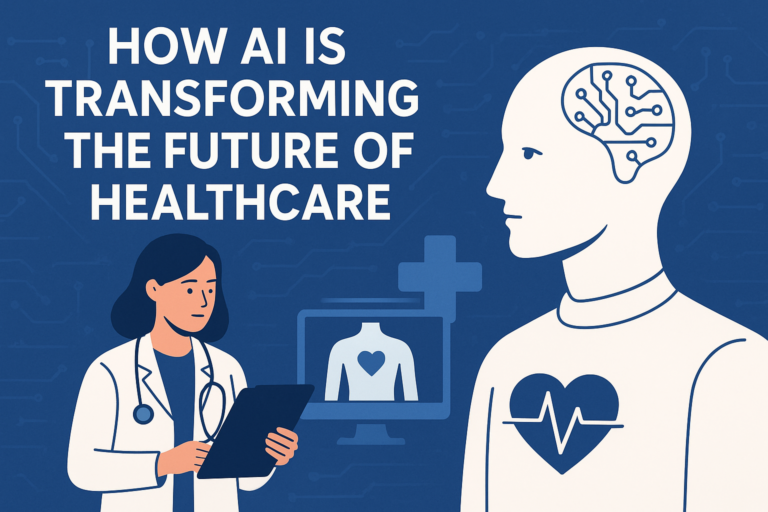
Artificial Intelligence (AI) is rapidly changing the healthcare industry by improving the way hospitals diagnose diseases, manage patient data, and deliver treatment. What once required years of manual effort can now be done in minutes through machine learning models and automation. According to industry reports, the global AI in healthcare market is projected to reach $180 billion by 2030, highlighting how essential AI technologies have become in modern medical systems. From primary care clinics to large hospitals, healthcare organizations are adopting AI tools to improve accuracy, reduce operational costs, and streamline patient journeys.

As healthcare grows more competitive, medical brands are looking for digital transformation partners. This is where a custom AI development company plays a major role by helping hospitals and startups build AI-powered platforms, diagnostic tools, and automation systems tailored to their needs.

Why AI Is Becoming Key in Medical Innovation

AI is not just another tech upgrade — it represents a major shift in global healthcare. Medical professionals now rely on AI-driven tools to make faster decisions, identify diseases earlier, and manage large amounts of patient data that were once impossible to analyze manually. For example, AI algorithms can scan thousands of MRI or CT images within seconds and highlight abnormalities with high accuracy. This helps doctors focus on decision-making instead of spending hours reviewing medical scans.

Additionally, AI improves patient experience by offering virtual assistants, smart appointment systems, and personalized treatment suggestions. The ability of AI to predict risks, automate workflows, and support clinical decisions makes it one of the most valuable technologies in healthcare today.

Key AI Features Transforming Healthcare

1. Predictive Diagnostics and Early Disease Detection

AI uses machine learning to study patient history, lab results, and lifestyle data. This helps detect diseases like cancer, diabetes, and heart conditions much earlier. Early detection significantly improves treatment success rates and lowers overall medical costs.

2. Automated Medical Imaging and Radiology

AI tools read scans with precision, reducing the chances of human error. Radiologists can now access AI-generated insights that help confirm diagnoses and ensure accuracy, especially in complex cases.

3. Personalized Treatment Planning

AI creates treatment plans based on a patient’s exact health profile. These personalized plans help reduce complications and support faster recovery.

4. Virtual Health Assistants

AI chatbots and virtual nurses answer patient questions, guide medication schedules, and help with routine monitoring. This improves patient engagement while reducing the workload on hospital staff.

5. Drug Discovery and Research Support

Instead of spending years experimenting on medicines, researchers now use AI simulations to predict outcomes and reduce research time. AI speeds up pharmaceutical research and helps scientists understand diseases better through data models.

6. Hospital Workflow Automation

AI helps automate billing, scheduling, record management, and other repetitive tasks. Hospitals save thousands of hours each year by reducing manual effort and focusing more on patient care.

How AI Is Transforming Healthcare

AI enhances healthcare in multiple ways. One of the biggest improvements is diagnostic accuracy. AI models analyze medical images and clinical reports with a level of detail that reduces errors and supports doctors in confirming their findings confidently. This results in faster diagnosis and better patient outcomes.

AI also improves operational efficiency. For instance, hospitals that use AI-based scheduling systems experience fewer delays, better bed management, and more organized patient flow. This helps hospitals manage higher patient loads without compromising service quality.

Another major transformation is in patient experience. Smart health apps powered by AI keep patients engaged with reminders, personalized health tips, and progress tracking. This strengthens communication between patients and healthcare providers and increases trust.

How to Develop an AI Healthcare Solution

Developing a healthcare AI solution requires careful planning, domain expertise, and compliance with medical standards. Below is the step-by-step process:

1. Identify the Healthcare Challenge

Start by identifying what problem you want the AI system to solve. It may be diagnostics, automation, monitoring, appointment management, or imaging assistance.

2. Partner With a Custom AI Development Company

A specialized AI tech partner guides you through system design, regulatory compliance, model development, and deployment. Their expertise ensures your solution is reliable and safe for real-world medical environments.

3. Collect and Organize Healthcare Data

AI needs large amounts of structured and unstructured data. This includes EHRs, lab reports, sensor data, and medical images.

4. Use Professional AI Model Training Services

Experts train models using techniques like deep learning, natural language processing, and computer vision. High-quality model training ensures accuracy and reduces risk.

5. Build, Test, and Validate

The AI system undergoes multiple testing stages to ensure it performs accurately in different medical scenarios.

6. Deployment and Integration

Once ready, the system is integrated into hospital software, cloud systems, or patient-facing apps.

7. Continuous Improvement

AI models improve over time with more data. Regular updates help maintain accuracy and performance.

Cost of AI Healthcare Development

The cost depends on features, data volume, model complexity, compliance needs, and integrations. Below is a general range:

  • Basic AI tools: $8,000 – $25,000
  • Predictive healthcare systems: $20,000 – $80,000
  • AI diagnostic or imaging tools: $50,000 – $200,000
  • Large-scale hospital AI platforms: $150,000 – $500,000+

Working with experts ensures accurate budgets and faster development timelines.

Future of AI in Healthcare

The future is full of possibilities. Healthcare will soon rely on AI-powered digital twins that can simulate a patient’s health and predict treatment results. Smart hospitals will use robotics, AI monitoring systems, and automated management tools to create seamless experiences for patients and staff. Wearables will become smarter and continuously monitor health in real time, alerting doctors instantly before emergencies occur. AI will also revolutionize drug discovery by predicting how compounds behave without physical testing, reducing research timelines dramatically.

Why Healthcare Brands Need Online Visibility

As AI becomes more common, healthcare companies must stand out online. Partnering with the best enterprise SEO company helps medical brands improve search rankings, attract patients, and build trust. Strong SEO ensures your healthcare solutions reach the right audience and stay competitive.

Key Takeaways

  • AI improves diagnostics, treatments, automation, and patient experience.
  • Healthcare companies benefit from partnering with a custom AI development company for scalable solutions.
  • AI model training services are essential for accuracy and performance.
  • Costs vary but offer long-term ROI.
  • The future includes smart hospitals, AI surgeons, digital twins, and advanced wearables.

FAQs

1. Why is AI important in healthcare?

AI helps detect diseases faster, reduces errors, automates workflows, and improves patient care.

2. How much does it cost to develop an AI healthcare platform?

Depending on complexity, development costs range from $8,000 to over $500,000.

3. What are the best use cases of AI in healthcare?

Medical imaging, predictive analytics, automation, patient engagement, drug discovery, and remote monitoring.

4. Why choose a custom AI development company?

They offer personalized solutions, advanced AI model training services, and healthcare-grade compliance.

5. Will AI replace doctors?

No — AI assists doctors by providing faster insights and improving decision-making, but human expertise remains essential.

When it comes to restoring damaged or missing teeth, choosing the right crown material is essential for both aesthetics and durability. Among the most popular options in modern dentistry are zirconia crowns and porcelain crowns, both offering distinct advantages. At Advance Dental Export, we specialize in providing high-quality dental products, including precision zirconia crowns, which have rapidly become a preferred choice for many patients. For more information on precision zirconia crowns, feel free to visit our detailed blog post here.

In this article, we’ll compare zirconia crowns and porcelain crowns to help you make an informed decision about which is the best fit for your smile restoration.

Durability and Strength

One of the main factors that distinguish zirconia crowns from porcelain crowns is strength. Zirconia, a type of ceramic, is known for its remarkable durability, making it a highly reliable choice for both anterior (front) and posterior (back) teeth. It’s significantly stronger than porcelain, which means that zirconia crowns can withstand the pressures of chewing and grinding over time without chipping or cracking.

On the other hand, porcelain crowns are relatively more prone to fractures under heavy pressure, especially when used for molars, where the chewing force is greatest. However, modern porcelain formulations, like feldspathic porcelain, have improved significantly in terms of strength, though they still lag behind zirconia in this regard.

Aesthetics: Which Looks More Natural?

When it comes to aesthetics, porcelain crowns often have the upper hand. Porcelain can be carefully layered to mimic the translucency and natural appearance of your teeth, offering a highly cosmetic result. This makes porcelain a preferred option for anterior teeth, where appearance is paramount.

However, zirconia crowns have made significant strides in aesthetics over recent years. While traditionally opaque, newer monolithic zirconia options are designed with enhanced translucency, and layered zirconia offers a more natural appearance by combining the durability of zirconia with the aesthetics of porcelain. Thanks to these advancements, zirconia crowns can now rival porcelain in terms of appearance, though porcelain still tends to provide a slightly more natural finish.

Fit and Comfort

The fit of a crown is crucial for comfort and longevity. Both zirconia and porcelain crowns can provide a precision fit, but zirconia crowns are often seen as more predictable when it comes to their integration with the tooth structure. Their high strength allows them to be designed more precisely and with fewer adjustments required post-placement.

Porcelain crowns, while effective, might require more careful adjustments to fit correctly, particularly when the tooth has an irregular shape or structure. This is less of a concern with zirconia crowns, which are often used for complex restorations due to their versatility and precision.

Wear on Adjacent Teeth

One of the important factors to consider is how a crown may impact the surrounding teeth. Zirconia is a very hard material, and while it doesn’t tend to wear down natural teeth as much as older dental materials, it still has a harder surface compared to porcelain. This means that zirconia crowns could cause wear on the opposing teeth over time, especially if the bite isn’t properly aligned.

Porcelain crowns, being somewhat softer than zirconia, are typically gentler on opposing teeth, making them a good option for people with more natural teeth in the mouth that are prone to wear.

Cost Comparison

Cost is always a factor to consider when selecting a crown material. Zirconia crowns tend to be more expensive due to their advanced manufacturing process and superior strength. The additional cost is usually justified by their longevity, especially when placed on back teeth where durability is essential.

Porcelain crowns, while still a premium option, tend to be more affordable than zirconia crowns. However, the choice of porcelain is often determined by the location of the crown and the importance of aesthetics. For front teeth, where cosmetic outcomes are prioritized, patients may choose porcelain even if it comes at a slightly higher cost.

Longevity and Maintenance

Both zirconia crowns and porcelain crowns have a long lifespan, but zirconia generally offers better longevity due to its superior strength. Zirconia crowns are less likely to need replacement or repairs over the years, especially when placed on molars where wear and tear is most common.

Porcelain crowns, while still durable, may require more frequent replacements or touch-ups, especially in cases where they are exposed to excessive chewing forces or accidental trauma.

Which One is Right for You?

The choice between zirconia crowns and porcelain crowns ultimately depends on your specific needs, budget, and preferences. If you’re looking for a crown that offers the best in terms of strength, durability, and minimal risk of fracture, zirconia crowns may be the better option. For those who prioritize aesthetics, especially for anterior teeth, porcelain crowns may be the preferred choice.

At Advance Dental Export, we are committed to providing high-quality dental solutions, offering both zirconia and porcelain crowns tailored to the needs of each patient. Our laboratory ensures that each restoration is crafted with precision, using the latest advancements in dental technology.

Conclusion

Both zirconia crowns and porcelain crowns offer significant benefits in restoring your smile, but the right choice for you depends on a combination of factors including the location of the crown, your aesthetic goals, and your budget. Consulting with your dentist will provide clarity on which material is best suited for your needs. Whether you opt for the strength of zirconia or the natural beauty of porcelain, both materials can deliver outstanding results that will help restore both function and appearance to your smile.

For more information on zirconia crowns and how they can benefit your dental restoration, visit our blog at Advance Dental Export, where we provide in-depth insights into dental materials and solutions designed for lasting smiles.