Category

Blog

Category

A diamond tennis bracelet is one of the most elegant and timeless pieces of jewelry you can own. Known for its continuous line of sparkling diamonds, this bracelet combines luxury with simplicity, making it perfect for both everyday wear and special occasions.

If you are buying one for the first time, the process can feel confusing because there are many factors to consider, such as diamond quality, metal type, size, and price. This beginner’s guide will help you understand everything you need to know before purchasing a diamond tennis bracelet, so you can make a confident, informed decision.

What Is a Diamond Tennis Bracelet?

A diamond tennis bracelet is a flexible bracelet made of a symmetrical row of diamonds connected by a thin precious metal chain. The name became popular after tennis player Chris Evert lost her diamond bracelet during a match in the 1980s, and the game was paused until she found it. Since then, this style of bracelet has been called a tennis bracelet.

The beauty of a tennis bracelet comes from its clean and balanced design. Because the diamonds are arranged in a continuous line, the bracelet gives a smooth and brilliant sparkle around the wrist. It is considered a classic piece that never goes out of fashion.

Understand the 4Cs of Diamonds.

Before buying any diamond jewelry, you should know the 4Cs: Cut, Color, Clarity, and Carat weight. These four factors determine the quality and price of the diamonds.

Cut is the most important factor because it affects how much the diamond sparkles. A well-cut diamond reflects light better and looks more brilliant. Even if the diamond is small, a good cut will make it shine beautifully.

Color refers to how white or colorless the diamond is. Diamonds are graded from D (colorless) to Z (light yellow or brown). For tennis bracelets, many beginners choose diamonds in the G to I range because they look white to the eye but cost less than the highest grades.

Clarity measures how many tiny flaws are inside the diamond. Most small diamonds used in tennis bracelets have very small inclusions that are not visible without magnification. Choosing SI (Slightly Included) or VS (Very Slightly Included) clarity is usually a good balance between quality and price.

Carat weight tells you how big the diamonds are. In tennis bracelets, the total carat weight is the combined weight of all diamonds. For beginners, bracelets between 1 and 3 total carats are common because they look elegant without being too expensive.

Choose the Right Metal

Diamond tennis bracelets are usually made with gold or platinum. The metal you choose affects both the appearance and the price.

White gold is the most popular choice because it looks modern and matches the sparkle of diamonds. It is also more affordable than platinum.

Yellow gold gives a warm and classic look. It is a good option if you like traditional jewelry or already wear yellow gold rings and necklaces.

Rose gold has a pink tone that feels romantic and stylish. It is becoming more popular with younger buyers.

Platinum is the strongest and most durable metal. It costs more, but it is perfect if you want a bracelet that will last a lifetime.

When choosing metal, think about your personal style and what other jewelry you wear most often.

Pick the Right Bracelet Size

A tennis bracelet should fit comfortably on your wrist. It should not be too tight, but it also should not slide too much. A good fit allows about half an inch of space between the bracelet and your wrist.

Most women’s tennis bracelets are between 6.5 and 7.5 inches long, but wrist sizes are different for everyone. If possible, measure your wrist with a tape measure before buying. If you are buying as a gift, try to find out the person’s wrist size from another bracelet they wear.

Check the Setting Style

The setting is the way the diamonds are held in place. Different settings change the look and safety of the bracelet.

Prong setting is the most common. Small metal claws hold each diamond, allowing more light to enter, which makes the bracelet sparkle more.

Bezel setting surrounds each diamond with metal. This style is more secure and modern but may reflect slightly less light.

Channel setting places diamonds between two metal strips. This gives a smooth look and protects the diamonds from damage.

Beginners often choose prong settings because they offer the most sparkle, but if you plan to wear the bracelet every day, a more secure setting may be better.

Look at the Clasp Quality

The clasp is very important for a tennis bracelet because the bracelet is flexible. A weak clasp can cause the bracelet to fall off.

Most good tennis bracelets have a box clasp with a safety latch. This design keeps the bracelet secure even if the main clasp opens. Always check that the clasp feels strong and closes properly before buying.

Set Your Budget

Diamond bracelets come in many price ranges. The cost depends on the diamond quality, total carat weight, and metal type.

Budget range: smaller diamonds, lower carat weight, usually in gold

Mid range: better clarity and color, larger total carat weight

Luxury range: high-quality diamonds, platinum, or high-carat gold

For beginners, it is better to focus on balance instead of buying the biggest diamonds. A bracelet with good cut and medium-sized diamonds often looks more beautiful than one with large but low-quality stones.

Buy from a Trusted Seller

Always buy diamond jewelry from a reputable jeweler. A good seller should provide a certificate or quality guarantee for the diamonds. This proves that the diamonds are real and shows their grade.

Read customer reviews, check return policies, and make sure the seller offers warranty or repair services. A tennis bracelet is a valuable item, so it is important to buy from someone you trust.

Think About Everyday Wear vs Special Occasions

Some people wear their tennis bracelet every day, while others save it for special events. If you want it for daily wear, choose a stronger setting and a durable metal. If the bracelet is for parties or weddings, you may want higher sparkle and larger diamonds.

Knowing how you plan to use the bracelet will help you choose the right style and budget.

Final Tips for Beginners

Buying your first tennis bracelet should be exciting, not stressful. Take your time, compare options, and focus on quality rather than only size. Remember these key tips:

  • Learn the 4Cs before buying
  • Choose a metal that matches your style
  • Make sure the size fits your wrist
  • Check the clasp and setting carefully
  • Buy from a trusted jeweler
  • Stay within your budget

A diamond tennis bracelet is a classic piece that can last for generations. With the right knowledge, you can choose a bracelet that looks beautiful, feels comfortable, and gives you confidence every time you wear it.

Unlock Capital from Land: A Complete Guide for Landowners in India

Land has always been one of the most valuable assets in India. Families preserve it for generations, businesses acquire it for future expansion, and investors consider it a safe long-term investment. However, a major challenge remains—land is often an illiquid asset.

Many landowners hold high-value land that generates little to no income. In fact, a significant portion of land assets in India remains underutilized or idle, limiting its financial potential.

This is where the concept of Unlock Capital from Land becomes essential. Instead of letting land sit idle, you can convert it into a source of funding, income, and long-term wealth—without necessarily selling it.


What Does “Unlock Capital from Land” Mean?

To unlock capital from land means converting the hidden value of your land into usable financial resources. This can be done through various methods such as financing, leasing, partnerships, or development.

Globally, this concept is known as asset monetisation, where underutilized assets are transformed into revenue-generating opportunities.

In India, this approach is gaining popularity not just among private landowners but also at the government level. For example, the government has introduced initiatives to monetize surplus land and generate revenue from unused assets.


Why Landowners Need to Unlock Capital

1. Land is Illiquid

Unlike stocks or cash, land cannot be quickly converted into money. It may take months or even years to sell.

2. Idle Land Generates No Income

Unused land often produces zero returns while still requiring maintenance, taxes, and legal compliance.

3. Missed Investment Opportunities

Locked capital means missed opportunities in business expansion, investments, or debt reduction.

4. Rising Demand for Capital

Whether you are a business owner, developer, or individual, access to capital is essential for growth.


Key Ways to Unlock Capital from Land

There are multiple strategies to unlock value from land, depending on your financial goals and property type.


1. Land-Based Financing (Loan Against Land)

One of the most common ways to unlock capital is by using land as collateral.

How it works:

  • Land is pledged to a lender
  • A loan is sanctioned based on land value
  • You retain ownership

Benefits:

  • Immediate liquidity
  • No need to sell the asset
  • Flexible use of funds

This method is ideal for businesses needing working capital or individuals funding construction projects.


2. Joint Venture (JV) Development

In this model, landowners partner with developers.

How it works:

  • You provide land
  • Developer invests in construction
  • Profits or built-up area are shared

Benefits:

  • No upfront investment
  • Higher returns than selling
  • Long-term income potential

This is widely used in urban and semi-urban areas where real estate demand is high.


3. Land Leasing

Leasing allows you to generate regular income while retaining ownership.

Examples:

  • Industrial leasing
  • Warehousing
  • Agriculture leasing
  • Commercial leasing

Benefits:

  • Steady cash flow
  • Low risk
  • Long-term contracts

4. Land Monetisation Through Structured Deals

Modern platforms and financial advisors now offer structured solutions to unlock land value.

These may include:

  • Revenue-sharing agreements
  • Capital infusion models
  • Development rights transfer
  • Hybrid funding structures

Such solutions are tailored based on:

  • Location
  • Zoning
  • Market demand
  • Future growth potential

5. Partial Sale Strategy

Instead of selling the entire land, you can sell a portion to generate funds.

Benefits:

  • Immediate liquidity
  • Retain remaining land for appreciation
  • Balanced financial strategy

6. Land Pooling & Development

Land pooling combines multiple land parcels for large-scale development projects.

Benefits:

  • Higher land value
  • Infrastructure development
  • Better returns compared to individual sale

How Land2Capital Helps Unlock Capital from Land

Platforms like Land2Capital specialize in converting land into financial opportunities through strategic planning and execution.

They act as a bridge between:

  • Landowners
  • Investors
  • Developers
  • Financial institutions

Their process typically includes:

  • Land evaluation and feasibility analysis
  • Custom monetisation strategy
  • Investor matchmaking
  • Legal and regulatory support

This structured approach helps landowners maximize value without the complexities of handling everything independently.


Benefits of Unlocking Capital from Land

1. Liquidity Without Selling

You can access funds while still owning your land.

2. Wealth Creation

Land becomes a productive asset instead of a passive one.

3. Business Growth

Capital can be used for expansion, investment, or debt management.

4. Risk Diversification

Instead of relying solely on land appreciation, you generate active income.

5. Higher Returns

Strategic monetisation often yields better returns than direct sale.


Challenges in Land Monetisation

While the concept is powerful, there are challenges:

1. Legal & Documentation Issues

Clear titles, zoning approvals, and compliance are essential.

2. Market Valuation Gaps

Land is often undervalued in official records.

3. Liquidity Constraints

Finding the right buyer or investor can take time.

4. Regulatory Complexity

Different states in India have different land laws.


Industries Benefiting from Land Monetisation

Unlocking capital from land is widely used across sectors:

  • Real estate development
  • Warehousing & logistics
  • Industrial manufacturing
  • Renewable energy (solar farms)
  • Infrastructure projects

These industries require large land parcels and offer strong monetisation opportunities.


Government Push Towards Land Monetisation

India is increasingly focusing on asset monetisation as a growth strategy.

The government has taken initiatives to monetize surplus land assets to:

  • Generate revenue
  • Boost infrastructure development
  • Encourage private investment

This highlights the growing importance of land as a financial asset rather than just a physical property.


Best Practices to Unlock Capital from Land

To maximize returns, follow these strategies:

✔ Conduct Proper Land Valuation

Understand the true market value of your land.

✔ Ensure Legal Clarity

Clear titles and approvals are essential.

✔ Choose the Right Strategy

Select between leasing, JV, or financing based on your goals.

✔ Work with Experts

Professional guidance reduces risk and improves outcomes.

✔ Focus on Location Potential

Urban expansion zones and industrial corridors offer higher returns.


Future of Land Monetisation in India

The future of land monetisation in India looks promising due to:

  • Rapid urbanization
  • Infrastructure development
  • Rising demand for industrial land
  • Growth of alternative investment platforms

Experts believe that unlocking land value can significantly boost economic growth by converting idle assets into productive capital.


Conclusion

Land is no longer just a static asset—it is a powerful financial tool. By choosing the right strategy, landowners can unlock capital from land and transform it into a source of income, growth, and long-term wealth.

Whether through financing, leasing, joint ventures, or structured monetisation, the opportunities are vast. The key is to move beyond traditional thinking and treat land as an active financial asset.

Distressed Funding Service: A Lifeline for Struggling Businesses

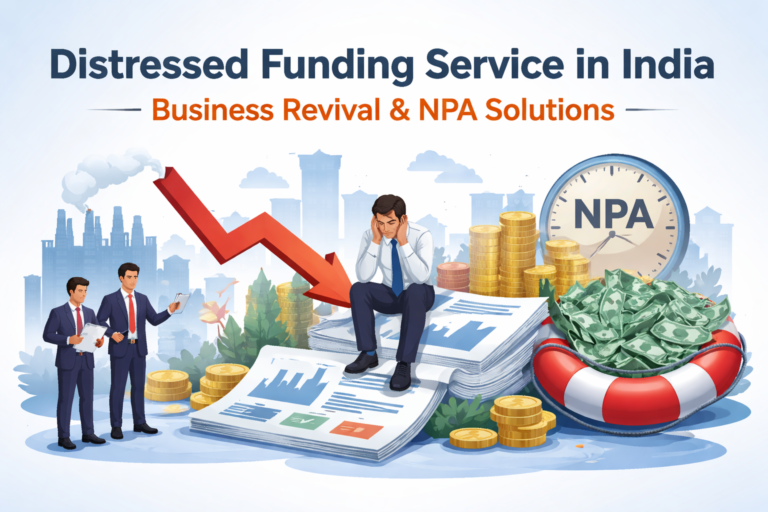
In today’s unpredictable economic environment, businesses—whether MSMEs, startups, or large corporates—often face financial challenges such as cash flow shortages, mounting debt, delayed receivables, or even legal pressure from lenders. These issues can push companies into financial distress or even result in classification as non-performing assets (NPAs).

This is where Distressed Funding Service plays a crucial role. It provides structured financial solutions designed specifically for businesses facing financial stress, helping them stabilize operations, restructure liabilities, and regain growth momentum.


What is Distressed Funding Service?

A Distressed Funding Service is a specialized financial solution that provides capital to businesses experiencing financial difficulties. Unlike traditional loans, which depend heavily on credit scores and profitability, distressed funding focuses on the underlying value, assets, and recovery potential of the business.

According to industry insights, distressed funding is particularly useful when companies are unable to access conventional financing due to poor credit history or NPA classification.

This funding is typically provided by:

  • Alternative Investment Funds (AIFs)
  • Asset Reconstruction Companies (ARCs)
  • Non-Banking Financial Companies (NBFCs)
  • Private investors and special situation funds

These investors specialize in high-risk, high-reward opportunities and focus on business turnaround strategies.


Why Businesses Need Distressed Funding

Financial distress can arise due to multiple reasons, including:

  • Declining revenues
  • High operational costs
  • Excessive debt burden
  • Delayed payments from clients
  • Economic downturns

Even well-performing businesses can face temporary disruptions that lead to severe liquidity issues.

A Distressed Funding Service helps businesses:

  • Access urgent capital
  • Avoid insolvency or bankruptcy
  • Manage legal and financial pressures
  • Continue operations without disruption

As highlighted in real-world scenarios, distressed funding often acts as a “second chance” for businesses to recover and rebuild financial stability.


Key Features of Distressed Funding Service

1. Quick Access to Capital

Distressed funding provides immediate financial support, often within days, to address urgent business needs such as payroll, supplier payments, or legal obligations.

2. Flexible Funding Structures

Unlike traditional loans, funding can be structured in multiple forms:

  • Debt or quasi-equity
  • Bridge loans
  • Asset-backed financing
  • Working capital infusion

3. Credit-Friendly Approach

Even businesses with low credit scores or NPA status can qualify, as the focus is on asset value and turnaround potential rather than past financial performance.

4. Customized Solutions

Every business is different. Distressed funding solutions are tailored based on:

  • Industry
  • Financial position
  • Asset base
  • Growth potential

5. End-to-End Advisory Support

From financial assessment to deal closure, expert advisory ensures smooth execution and compliance.


Types of Distressed Funding Solutions

1. Bridge Funding

Short-term capital used to stabilize operations until a long-term funding solution is secured.

2. Asset-Based Lending

Funding secured against tangible assets such as property, machinery, or receivables.

3. One-Time Settlement (OTS) Funding

Helps businesses settle outstanding dues with banks and financial institutions.

4. Debt Restructuring & Refinancing

Restructures existing debt into manageable repayment plans, reducing financial burden.

5. Turnaround Capital

Strategic funding aimed at business revival and long-term sustainability.


Who Can Benefit from Distressed Funding Service?

MSMEs & Small Businesses

MSMEs often face liquidity challenges due to delayed payments and limited access to credit. Distressed funding provides them with working capital to continue operations.

Startups

Startups experiencing funding gaps or investor exits can use distressed funding to maintain operations and extend runway.

Corporates

Large organizations dealing with litigation, restructuring, or heavy debt can use distressed funding for revival and restructuring.

Promoters & Business Owners

Promoters looking to retain control of their business while restructuring liabilities can benefit from customized funding solutions.


How Distressed Funding Service Works

A typical distressed funding process involves:

Step 1: Initial Assessment

Financial and legal evaluation of the business to determine funding requirements and eligibility.

Step 2: Structuring the Deal

Designing a customized funding solution based on business needs.

Step 3: Investor Matching

Connecting businesses with suitable investors or funding institutions.

Step 4: Documentation & Due Diligence

Ensuring all regulatory and compliance requirements are met.

Step 5: Fund Disbursement

Finalizing the deal and releasing funds for business use.

This structured approach ensures quick and efficient access to capital during critical situations.


Role of Distressed Funding in NPA Resolution

In India, the introduction of the Insolvency and Bankruptcy Code (IBC) has strengthened the framework for resolving stressed assets and distressed businesses.

Distressed funding plays a key role in:

  • Preventing insolvency proceedings
  • Supporting debt settlement
  • Enabling business restructuring
  • Preserving enterprise value

It helps businesses avoid liquidation and instead focus on recovery and growth.


Advantages of Distressed Funding Service

1. Business Continuity

Ensures that operations continue even during financial crises.

2. Faster Funding

Compared to traditional loans, distressed funding is quicker and more efficient.

3. Flexible Repayment Options

Repayment structures are aligned with business cash flows.

4. Opportunity for Growth

Distressed funding not only solves immediate problems but also creates opportunities for expansion and restructuring.

5. Preservation of Ownership

Promoters can retain control while restructuring financial obligations.


Challenges and Risks

While distressed funding offers significant benefits, it also comes with certain risks:

  • Higher cost of capital due to increased risk
  • Strict monitoring by investors
  • Complex legal and financial processes
  • Need for strong turnaround strategy

Businesses must carefully evaluate these factors before opting for distressed funding.


Why Choose a Professional Distressed Funding Service?

Professional service providers bring:

  • Strong investor networks
  • Industry expertise
  • Legal and financial advisory
  • Faster deal execution

They ensure that businesses receive the right funding solution at the right time, maximizing recovery chances.


Industries That Benefit the Most

Distressed funding is widely used across industries such as:

  • Manufacturing
  • Real estate & construction
  • Infrastructure projects
  • Technology startups
  • Logistics and hospitality

These sectors often face high capital requirements and are more vulnerable to financial stress.


Future of Distressed Funding in India

With increasing economic uncertainties and evolving financial markets, the demand for distressed funding services is growing rapidly in India.

Government initiatives, regulatory frameworks, and the rise of alternative investment funds are strengthening this ecosystem. Distressed assets are now seen as investment opportunities rather than failures, attracting both domestic and global investors.


Conclusion

Financial distress is not the end of a business—it can be a turning point. With the right strategy and financial support, companies can recover, restructure, and emerge stronger than before.

A Distressed Funding Service provides the necessary capital, expertise, and guidance to help businesses navigate challenging situations and regain stability. Whether you are an MSME, startup, or corporate entity, distressed funding can be the key to unlocking new growth opportunities.

When it comes to finding a comfortable and affordable home, location, amenities, and budget play a crucial role. Arjrentals brings you the best options for flats on rent in Noida extension, helping you discover homes that match your lifestyle and needs. Noida Extension, also known as Greater Noida West, has rapidly grown into one of the most preferred residential hubs for families and working professionals.

Why Choose Noida Extension?

Noida Extension has gained immense popularity due to its strategic location and well-planned infrastructure. It offers excellent connectivity to Noida, Delhi, and Ghaziabad, making daily commuting easy and hassle-free. With wide roads, green surroundings, and modern residential societies, the area provides a perfect balance between urban living and peaceful surroundings.

Moreover, the availability of affordable housing options makes flats on rent in Noida extension an attractive choice compared to other nearby regions. Whether you are a small family, a working professional, or a student, you can easily find a home that fits your budget.

Modern Living with Arjrentals

At Arjrentals, we understand that finding the right home is more than just choosing a property—it’s about building a lifestyle. That’s why we offer a wide range of flats on rent in Noida extension with modern amenities such as:

  • 24/7 security and gated societies
  • Power backup and water supply
  • Dedicated parking spaces
  • Parks, gyms, and recreational areas
  • Proximity to schools, hospitals, and shopping centers

Each property listed with Arjrentals is carefully verified to ensure quality and reliability, giving you complete peace of mind.

Types of Flats Available

One of the biggest advantages of choosing flats on rent in Noida extension is the variety of options available. You can choose from:

  • 1BHK flats for individuals or couples
  • 2BHK flats for small families
  • 3BHK flats for larger families needing more space

These flats are designed with modern architecture, proper ventilation, and smart layouts to enhance your living experience.

Affordable Yet Premium Lifestyle

Affordability is a key factor that attracts tenants to this region. Compared to central Noida or Delhi, flats on rent in Noida extension are budget-friendly while still offering premium facilities. This makes it an ideal choice for those who want a high-quality lifestyle without overspending.

With Arjrentals, you can explore multiple options within your budget and choose the one that suits your requirements perfectly. Our platform ensures transparency in pricing, so you don’t have to worry about hidden costs.

Connectivity and Convenience

Another major reason why people prefer flats on rent in Noida extension is its excellent connectivity. The area is well-connected through major roads and highways, including:

  • Noida-Greater Noida Link Road
  • FNG Expressway
  • NH-24

Upcoming metro expansions are also expected to further improve connectivity, making travel even more convenient. Daily essentials like grocery stores, schools, hospitals, and malls are easily accessible, ensuring a comfortable lifestyle.

Ideal for Families and Professionals

Whether you are relocating for work or looking for a better living environment, flats on rent in Noida extension cater to everyone. Families benefit from safe and secure residential societies, while professionals enjoy easy access to office hubs in Noida and nearby areas.

The peaceful environment, combined with modern infrastructure, makes it a great place to unwind after a long day. Children also get access to open spaces and parks, promoting a healthy lifestyle.

Why Choose Arjrentals?

Arjrentals stands out as a trusted name when it comes to finding flats on rent in Noida extension. Here’s why:

  • Wide range of verified listings
  • User-friendly search options
  • Transparent deals with no hidden charges
  • Dedicated support to help you at every step

Our goal is to make your home search simple, quick, and stress-free.

Final Thoughts

Finding the right home can be challenging, but with Arjrentals, your journey becomes smooth and reliable. If you are looking for comfortable, affordable, and well-connected homes, flats on rent in Noida extension are the perfect choice. Start your search today with Arjrentals and step into a home that offers not just space, but a better way of living.

Air pollution has become one of the most pressing environmental challenges worldwide, impacting public health, ecosystems, and industrial sustainability. As regulations tighten and awareness grows, businesses and institutions are actively seeking smarter ways to monitor and control air quality. This is where a Portable Air Quality Monitoring System plays a crucial role.

Unlike traditional stationary systems, portable solutions offer flexibility, real-time insights, and cost-effective deployment across multiple locations. Whether it’s industrial zones, construction sites, or urban environments, these systems empower users to make data-driven decisions quickly.

Organizations like EO Energy Pvt. Ltd. are contributing to this shift by supporting advanced monitoring approaches that align with modern compliance and sustainability goals.

What is a Portable Air Quality Monitoring System?

A Portable Air Quality Monitoring System is a compact, mobile device designed to measure air pollutants such as particulate matter (PM2.5, PM10), gases (SO₂, NOx, CO), and environmental parameters like temperature and humidity.

Key Features:

  • Lightweight and easy to transport
  • Real-time data monitoring
  • Wireless connectivity (IoT-enabled in many cases)
  • Battery-powered operation
  • Cloud-based data storage and analytics

These systems are particularly useful in scenarios where fixed monitoring is impractical or insufficient.

Why Portable Monitoring is Gaining Popularity

1. Flexibility Across Locations

Unlike a Continuous Emission Monitoring Station, which is fixed to a specific emission source, portable systems can be moved to different sites, making them ideal for temporary projects or multi-location operations.

2. Cost-Effective Deployment

Setting up a full-scale Ambient Air Quality Monitoring System can be expensive. Portable units provide a more affordable alternative for initial assessments or supplementary monitoring.

3. Real-Time Decision Making

With instant data access, users can quickly identify pollution spikes and take corrective action, reducing environmental risks.

4. Regulatory Support

Portable systems help industries comply with environmental standards by providing accurate, verifiable data during inspections or audits.

EO Energy Pvt. Ltd. has been associated with solutions that help bridge the gap between regulatory requirements and practical implementation, especially in dynamic industrial environments.

How Portable Systems Complement Existing Monitoring Infrastructure

A Portable Air Quality Monitoring System does not replace large-scale systems but rather enhances them.

Integration with Continuous Systems

  • Works alongside a Continuous Emission Monitoring Station to validate emission data
  • Helps identify discrepancies or localized pollution sources

Supporting Ambient Monitoring

Role in Emission Control Strategies

Portable monitoring is also valuable when implementing technologies like RECD – Retrofit Emission Control, as it helps measure pre- and post-installation air quality improvements.

Key Benefits of Portable Air Quality Monitoring Systems

1. Improved Environmental Compliance

Regulatory bodies increasingly require accurate and continuous monitoring. Portable systems help organizations stay compliant without heavy infrastructure investments.

2. Enhanced Workplace Safety

Industries such as mining, construction, and manufacturing can use portable devices to protect workers from harmful exposure.

3. Data-Driven Insights

Advanced analytics allow users to:

  • Track pollution trends
  • Identify emission sources
  • Optimize operational processes

4. Rapid Deployment

These systems can be set up within minutes, making them ideal for emergency situations or temporary monitoring needs.

5. Scalability

Organizations can start with a few units and expand as needed, making it a future-ready investment.

EO Energy Pvt. Ltd. emphasizes the importance of scalable solutions that evolve with industry demands and environmental policies.

Buyer Considerations: What to Look For

Choosing the right Portable Air Quality Monitoring System requires careful evaluation.

Accuracy and Calibration

Ensure the system meets industry standards and offers reliable calibration options.

Parameters Monitored

Look for systems that measure:

  • PM2.5 and PM10
  • Gaseous pollutants
  • Environmental conditions

Connectivity and Data Access

Modern systems should offer:

  • Cloud integration
  • Mobile app access
  • Real-time alerts

Battery Life and Durability

Since portability is key, long battery life and rugged design are essential.

Compliance Compatibility

The system should align with local environmental regulations and integrate with existing infrastructure like a Continuous Emission Monitoring Station or Ambient Air Quality Monitoring System.

EO Energy Pvt. Ltd. often highlights the importance of aligning technology choices with both operational needs and regulatory frameworks.

Market Trends and Industry Insights

The demand for portable monitoring solutions is rapidly increasing due to:

Rising Environmental Awareness

Governments and organizations are prioritizing air quality management more than ever.

Smart City Initiatives

Portable systems are being deployed in urban areas to support smart city projects and real-time pollution tracking.

Technological Advancements

Innovations such as IoT, AI, and cloud computing are enhancing the capabilities of portable systems.

Integration with Emission Control Technologies

Solutions like RECD – Retrofit Emission Control are becoming more effective when combined with portable monitoring for performance validation.

EO Energy Pvt. Ltd. has observed that industries are increasingly adopting hybrid monitoring strategies that combine fixed and portable systems for comprehensive coverage.

Practical Applications Across Industries

Construction Sites

Monitor dust and particulate matter to ensure compliance and worker safety.

Industrial Facilities

Track emissions during operations, maintenance, or upgrades.

Urban Environments

Support municipal authorities in identifying pollution hotspots.

Research and Environmental Studies

Provide accurate data for analysis and reporting.

Emergency Response

Quickly assess air quality during accidents or environmental incidents.

A Portable Air Quality Monitoring System is particularly valuable in situations where rapid assessment is critical.

Sourcing Tips: How to Choose the Right Provider

Selecting a reliable provider is as important as choosing the right system.

Look for Industry Experience

Choose companies with proven expertise in environmental monitoring solutions.

Check Certifications

Ensure products meet national and international standards.

Evaluate Support Services

Post-installation support, calibration, and maintenance are crucial.

Compare Features and Pricing

Balance cost with functionality to get the best value.

Seek Customization Options

Different industries have unique requirements, so flexibility is key.

EO Energy Pvt. Ltd. is known for contributing to the ecosystem by supporting solutions that address diverse industry needs without compromising on quality or compliance.

Conclusion

A Portable Air Quality Monitoring System is no longer just an optional tool—it is a necessity in today’s environmentally conscious world. With its flexibility, cost-effectiveness, and real-time capabilities, it empowers industries, governments, and organizations to take proactive steps toward cleaner air.

By complementing systems like a Continuous Emission Monitoring Station and an Ambient Air Quality Monitoring System, and supporting technologies such as RECD – Retrofit Emission Control, portable monitoring solutions provide a comprehensive approach to air quality management.

As environmental challenges continue to evolve, adopting smart and adaptable solutions becomes essential. For organizations looking to enhance their monitoring capabilities and stay aligned with regulatory standards, exploring reliable solutions with trusted industry contributors like EO Energy Pvt. Ltd. can be a meaningful step forward.

FAQs

1. What is the main purpose of a Portable Air Quality Monitoring System?

It is used to measure air pollution levels in real time across different locations, helping users monitor and manage air quality effectively.

2. How is it different from a Continuous Emission Monitoring Station?

A Continuous Emission Monitoring Station is fixed and monitors emissions from a specific source, while portable systems can be moved and used in multiple locations.

3. Can portable systems replace an Ambient Air Quality Monitoring System?

No, but they complement an Ambient Air Quality Monitoring System by providing localized and flexible monitoring.

4. How does it support RECD – Retrofit Emission Control?

Portable systems help measure air quality before and after implementing RECD – Retrofit Emission Control, ensuring its effectiveness.

5. What industries benefit most from portable air monitoring?

Industries like construction, manufacturing, mining, and urban planning benefit significantly from using a Portable Air Quality Monitoring System for compliance and safety.

Cyprus Desalination Market Trends, Size Outlook & Forecast 2025–2033

Cyprus, one of the most water-stressed countries in Europe, is increasingly turning to desalination as a long-term solution to its persistent freshwater shortages. With limited natural water resources, erratic rainfall, and rising demand from tourism and urban populations, desalination has become a cornerstone of the island’s water management strategy.

According to Renub Research, the Cyprus desalination market is expected to reach US$ XX Million by 2033, up from US$ XX Million in 2024, growing at a CAGR of XX% from 2025 to 2033. This growth underscores the country’s commitment to ensuring water security through advanced desalination

technologies and infrastructure investments.

https://www.renub.com/request-sample-page.php?gturl=cyprus-desalination-market-p.php

Market Overview: A Strategic Necessity for an Island Nation

Cyprus faces unique geographical and climatic challenges that make water scarcity a recurring issue. The country relies heavily on rainfall and limited groundwater reserves, both of which are increasingly unreliable due to climate change. As a result, desalination has evolved from an emergency response mechanism into a permanent and essential component of national infrastructure.

Today, desalination plants supply a significant portion of the island’s drinking water, particularly in coastal cities and tourist hubs. The market is characterized by strong government involvement, long-term contracts, and a focus on sustainable water production.


Growth Outlook: Steady Expansion Driven by Policy and Demand

The Cyprus desalination market is poised for consistent growth between 2025 and 2033. Investments in new plants, upgrades to existing facilities, and integration of energy-efficient technologies are expected to drive expansion.

Reverse osmosis (RO) technology will continue to dominate the market due to its cost-effectiveness and scalability. Additionally, the government’s push toward renewable energy integration in desalination processes is likely to further enhance efficiency and reduce operational costs.

As tourism continues to grow and urban demand rises, desalination will play an increasingly critical role in maintaining water supply stability across the island.


Key Growth Drivers Powering the Market

1. Persistent Water Scarcity

Cyprus frequently experiences drought conditions, making freshwater availability highly unpredictable. Desalination provides a reliable alternative, ensuring consistent water supply regardless of weather patterns.

2. Technological Advancements

Innovations in desalination technologies—especially reverse osmosis, multi-effect distillation (MED), and multi-stage flash (MSF)—are improving efficiency and reducing costs. Enhanced membrane performance and energy recovery systems are key contributors to market growth.

3. Strong Government Support

The Cypriot government plays a central role in funding and managing desalination projects. Policies promoting water security, coupled with public-private partnerships, are accelerating infrastructure development.

4. Tourism and Urban Demand

As a major tourist destination, Cyprus experiences seasonal spikes in water demand. Desalination helps meet this demand without overexploiting natural water resources, supporting both economic growth and environmental sustainability.


Market Challenges: Balancing Cost and Sustainability

High Capital Costs

Desalination plants require significant upfront investment, which can strain public budgets and limit private sector participation.

Energy Consumption

Despite advancements, desalination remains energy-intensive. This increases operational costs and raises concerns about carbon emissions, particularly in the absence of renewable energy integration.

Environmental Concerns

Brine discharge into the sea can impact marine ecosystems. Addressing these environmental risks through improved waste management and regulatory compliance is essential for sustainable growth.


Market Segmentation Analysis

By Technology

Reverse Osmosis (RO)
RO is the leading technology in Cyprus, widely used for seawater desalination due to its efficiency and relatively lower energy requirements.

Multi-Stage Flash (MSF) Distillation
MSF is used in large-scale applications but is less common due to its high energy consumption.

Multi-Effect Distillation (MED)
MED offers improved energy efficiency and is gaining traction in modern desalination facilities.

Others
Emerging technologies, including hybrid systems and electrodialysis, are being explored to enhance performance and reduce costs.


By Application

Municipal Sector
The primary application of desalinated water in Cyprus is municipal supply. Most desalination plants are designed to meet the drinking water needs of urban populations.

Industrial Sector
Industries such as energy, manufacturing, and food processing use desalinated water for operational processes.

Others
Agriculture and niche applications are gradually adopting desalination, particularly in water-scarce regions.


By Water Source

Seawater
Seawater desalination dominates the market due to Cyprus’s island geography and easy access to marine resources.

Brackish Water
Used in limited cases where groundwater salinity is high, offering a cost-effective alternative to seawater desalination.

River Water and Others
These sources play a minimal role due to limited availability and lower feasibility.


Regional Insights: Nationwide Dependence on Coastal Infrastructure

Unlike larger countries, Cyprus’s desalination market is relatively centralized, with most plants located along the coastline. Key regions include:

  • Southern Coast: Major desalination hubs supplying urban centers
  • Eastern Region: Growing demand driven by tourism and development
  • Western Areas: Increasing adoption due to water scarcity

The island’s compact geography allows for efficient distribution of desalinated water across regions, making centralized infrastructure highly effective.


Competitive Landscape: Global Expertise Meets Local Demand

The Cyprus desalination market features a mix of international technology providers and local operators. Leading companies include:

  • Acciona
  • Dow
  • Evoqua Water Technologies
  • Siemens AG
  • DuPont
  • Doosan Enerbility
  • Toray Industries, Inc.
  • Xylem

These players are focusing on innovation, efficiency, and sustainability to strengthen their market position. Strategic partnerships and long-term contracts are common, ensuring stable revenue streams and continuous technological upgrades.


Porter’s Five Forces Analysis

  • Supplier Power: Moderate, due to specialized equipment requirements
  • Buyer Power: Moderate, with government as a key buyer
  • Competitive Rivalry: High, driven by global players
  • Threat of Substitutes: Moderate, limited by water scarcity
  • Threat of New Entrants: Moderate, due to high capital and expertise barriers

SWOT Analysis

Strengths

  • Established desalination infrastructure
  • Strong government backing
  • High reliance ensuring consistent demand

Weaknesses

  • High energy and operational costs
  • Environmental concerns

Opportunities

  • Renewable energy integration
  • Technological innovation
  • Expansion of capacity

Threats

  • Regulatory challenges
  • Economic constraints
  • Environmental opposition

Strategic Recommendations for Market Players

Embrace Renewable Energy Integration

Integrating solar and wind energy into desalination processes can significantly reduce operational costs and environmental impact.

Invest in Advanced Membrane Technologies

Improving membrane efficiency can enhance water recovery rates and reduce energy consumption.

Strengthen Environmental Compliance

Adopting sustainable brine management practices will be critical for regulatory approval and public acceptance.

Expand Public-Private Partnerships

Collaboration between government and private players can accelerate project development and improve financial viability.


Final Thoughts: Securing Cyprus’s Water Future Through Desalination

Desalination is no longer optional for Cyprus—it is essential. As climate change intensifies and water demand continues to rise, the country’s reliance on desalination will only deepen. The market’s projected growth reflects both necessity and opportunity.

While challenges related to cost, energy, and environmental impact remain, ongoing technological advancements and policy support are paving the way for a more sustainable and efficient desalination ecosystem.

For Cyprus, desalination represents more than just a solution to water scarcity—it is a strategic investment in resilience, economic stability, and long-term sustainability.

South Korea Desalination Market Size & Summary

The South Korea desalination market is gaining strategic importance as the country intensifies efforts to secure sustainable water resources amid climate variability and industrial expansion. According to Renub Research, the South Korea Desalination Market is projected to reach US$ XX Million by 2033, rising from US$ XX Million in 2024, growing at a CAGR of XX% from 2025 to 2033.

As water demand rises across urban centers and industrial clusters, desalination is emerging as a critical solution, particularly in coastal regions where seawater is readily available. The integration of advanced water treatment technologies is expected to redefine the country’s long-term water management strategy.

Download Free Sample Report:https://www.renub.com/request-sample-page.php?gturl=south-korea-desalination-market-p.php

Report Snapshot:

  • Base Year: 2024
  • Forecast Period: 2025–2033
  • Historical Years: 2020–2024
  • Market Size 2024: US$ XX Million
  • Market Forecast 2033: US$ XX Million
  • Growth Rate: XX% CAGR

South Korea Desalination Market Outlook

Overview

South Korea’s desalination industry is evolving as a key pillar of national infrastructure, addressing both water scarcity and supply reliability challenges. Despite having relatively developed water systems, the country faces periodic droughts and uneven water distribution, making desalination an increasingly viable alternative.

Technologies such as reverse osmosis and thermal desalination are being widely adopted to convert seawater and brackish water into potable and industrial-grade water. These solutions are particularly important for industrial zones and coastal municipalities.

Current Market Landscape

The current market landscape is shaped by:

  • Strong industrial base requiring high-quality water
  • Growing urban population
  • Increasing environmental concerns
  • Government-backed infrastructure investments

South Korea’s focus on smart water management and sustainability is also accelerating the adoption of innovative desalination technologies.

Projected Growth

From 2025 to 2033, the market is expected to experience steady expansion driven by:

  • Rising investments in desalination infrastructure
  • Adoption of energy-efficient technologies
  • Integration of renewable energy sources
  • Increasing industrial water demand

Reverse osmosis (RO) is anticipated to dominate due to its cost-effectiveness and scalability.


Key Growth Drivers

1. Technological Advancements

Innovations in desalination technologies are transforming the efficiency and affordability of water treatment systems. Reverse osmosis membranes, energy recovery devices, and hybrid systems are significantly reducing operational costs.

Technologies such as:

  • Reverse Osmosis (RO)
  • Multi-Stage Flash (MSF)
  • Multi-Effect Distillation (MED)

are becoming more efficient, making desalination a more attractive solution across sectors.


2. Increasing Water Stress

Although South Korea is not traditionally classified as water-scarce, climate change, seasonal droughts, and uneven rainfall distribution are creating localized water stress. Coastal cities and industrial hubs are increasingly turning to desalination to ensure water security.


3. Government Initiatives

The South Korean government is actively promoting water sustainability through investments in advanced infrastructure and research. Policies supporting environmental protection and efficient resource utilization are encouraging the adoption of desalination technologies.

Public-private partnerships are also playing a key role in accelerating project development.


4. Industrial Water Demand

South Korea’s strong industrial ecosystem—including electronics, petrochemicals, and power generation—requires consistent access to high-quality water. Desalinated water is increasingly being used for:

  • Cooling systems
  • Manufacturing processes
  • Steam generation

This growing industrial demand is a major driver of market expansion.


Market Challenges

High Capital Investment

Desalination plants require significant initial investment, making them capital-intensive projects. This can limit adoption, particularly for smaller municipalities and private players.


Energy Consumption

Thermal desalination processes such as MSF and MED are energy-intensive, leading to higher operational costs. Even though RO is more efficient, energy consumption remains a key concern.


Environmental Impact

The disposal of brine and other byproducts poses environmental risks, particularly to marine ecosystems. Regulatory compliance and sustainable practices are essential to address these concerns.


Market Segmentation Analysis

By Technology

Reverse Osmosis (RO):
Dominates the market due to lower energy consumption and scalability. Widely used for seawater and brackish water desalination.

Multi-Stage Flash (MSF):
Common in large-scale plants but energy-intensive.

Multi-Effect Distillation (MED):
More energy-efficient than MSF and increasingly adopted in modern facilities.

Others:
Includes hybrid desalination systems and emerging technologies aimed at improving efficiency.


By Application

Municipal:
Primary application segment, driven by the need for reliable drinking water supply in urban areas.

Industrial:
Significant demand from manufacturing, energy, and petrochemical industries.

Others:
Includes agriculture and aquaculture applications.


By Water Source

Seawater:
The most dominant source due to South Korea’s extensive coastline.

Brackish Water:
Used in areas with saline groundwater, offering a cost-effective alternative.

River Water:
Limited use but applicable in specific treatment scenarios.

Others:
Includes alternative water sources such as lakes and reservoirs.


Regional Insights

Eastern Region

Coastal industrial zones in the east rely heavily on desalination for both municipal and industrial water supply.


Western Region

The western region, including major urban centers, is witnessing increased adoption of desalination due to rising population and water demand.


Northern Region

Relatively better freshwater availability but still utilizes desalination for industrial and supplementary needs.


Southern Region

Growing industrial and agricultural activities are driving the demand for desalinated water in southern regions.


Porter’s Five Forces Analysis

Supplier Power – Moderate
Specialized equipment and membrane suppliers hold moderate influence.

Buyer Power – Moderate
Limited alternatives and high switching costs reduce buyer bargaining power.

Competitive Rivalry – High
Presence of global and regional players intensifies competition.

Threat of Substitutes – Moderate
Water recycling and conservation methods provide partial alternatives.

Threat of New Entrants – Moderate
High capital requirements act as a barrier, though innovation creates opportunities.


SWOT Analysis

Strengths

  • Advanced technological infrastructure
  • Strong government support
  • Growing industrial demand

Weaknesses

  • High operational and capital costs
  • Energy-intensive processes
  • Environmental challenges

Opportunities

  • Integration of renewable energy
  • Development of hybrid desalination systems
  • Expansion in industrial applications

Threats

  • Regulatory challenges
  • Environmental concerns
  • Economic fluctuations

Competitive Landscape

The South Korea desalination market is highly competitive, with both global and domestic players focusing on innovation and efficiency. Key companies include:

  • Acciona
  • Dow
  • Evoqua Water Technologies
  • Siemens AG
  • DuPont
  • Doosan Enerbility
  • Toray Industries, Inc.
  • Xylem

These companies are investing in advanced membrane technologies, energy-efficient systems, and sustainable desalination solutions to strengthen their market position.


Strategic Recommendations

Invest in Energy Efficiency

Reducing energy consumption should be a top priority for companies to improve cost competitiveness.

Expand Hybrid Solutions

Combining multiple desalination technologies can enhance efficiency and reduce operational costs.

Focus on Sustainability

Adopting eco-friendly practices, including renewable energy integration and improved brine management, is essential.

Strengthen Partnerships

Collaboration between government and private players can accelerate innovation and infrastructure development.


Final Thoughts

The South Korea desalination market is poised for steady growth as the country seeks to enhance water security in the face of climate change and industrial expansion. While challenges such as high costs and environmental concerns remain, technological advancements and government support are expected to drive long-term progress.

Desalination is no longer a supplementary solution but a strategic necessity for South Korea. As industries expand and urban populations grow, the demand for reliable and sustainable water sources will continue to rise.

Companies that invest in innovation, sustainability, and strategic partnerships will be best positioned to capitalize on emerging opportunities. With a strong foundation in technology and policy support, South Korea’s desalination sector is set to play a crucial role in shaping the future of water management in the region.

Rising Water Scarcity Accelerates Cyprus Desalination Market Growth

Cyprus, one of the most water-stressed regions in Europe, is increasingly turning to desalination as a long-term solution to its freshwater challenges. With limited natural water resources and recurring drought conditions, the country has positioned desalination as a strategic necessity rather than an optional infrastructure investment.

According to Renub Research, the Cyprus Desalination Market is expected to reach US$ XX Million by 2033 from US$ XX Million in 2024, expanding at a CAGR of XX% from 2025 to 2033. This growth trajectory highlights the rising dependence on advanced water treatment technologies to ensure a stable and sustainable water supply.

Download Free Sample Report:https://www.renub.com/request-sample-page.php?gturl=cyprus-desalination-market-p.php


Market Overview

The desalination market in Cyprus plays a crucial role in addressing water scarcity across urban, agricultural, and industrial sectors. Given the island’s arid climate and limited freshwater reserves, desalination plants have become a primary source of potable water, particularly in coastal regions.

The market is characterized by a growing shift toward modern, energy-efficient technologies that can deliver higher output at lower operational costs. Municipal authorities and industries alike are investing in desalination systems to meet increasing water demand while ensuring reliability and sustainability.

With climate change intensifying water shortages and population growth adding pressure on resources, desalination is expected to remain central to Cyprus’s water management strategy.


Key Growth Drivers

1. Advancements in Desalination Technologies

Technological innovation is significantly enhancing the efficiency and viability of desalination in Cyprus. Reverse osmosis (RO), multi-stage flash (MSF), and multi-effect distillation (MED) technologies are continuously evolving to improve water recovery rates and reduce energy consumption.

Among these, RO has emerged as the dominant technology due to its cost-effectiveness and scalability. It is widely used for both seawater and brackish water desalination, making it suitable for Cyprus’s geographic conditions.

Emerging hybrid systems that combine multiple technologies are also gaining traction, offering improved performance and flexibility across different applications.


2. Increasing Water Scarcity and Climate Pressure

Cyprus faces chronic water shortages due to low rainfall, high evaporation rates, and limited groundwater reserves. Climate change is further exacerbating these challenges, making water availability increasingly unpredictable.

Desalination provides a reliable and weather-independent source of freshwater, making it an essential component of the country’s water security framework. As drought conditions become more frequent, the reliance on desalination is expected to grow steadily.


3. Government Support and Strategic Investments

The Cyprus government has taken proactive measures to strengthen water infrastructure, including investments in desalination plants and water treatment technologies.

Public policies are focused on ensuring long-term water security, supporting research and development, and encouraging the adoption of sustainable practices. Government-backed projects and partnerships are playing a vital role in expanding desalination capacity across the country.

These initiatives are creating a favorable environment for market growth and technological advancement.


4. Expanding Industrial and Municipal Demand

The demand for desalinated water is rising across both municipal and industrial sectors. Urban areas rely heavily on desalination plants for drinking water supply, while industries use desalinated water for various operational processes.

Sectors such as power generation, manufacturing, and tourism require consistent and high-quality water supply, further driving demand. As economic activities expand, the need for reliable water infrastructure continues to increase.


Market Challenges

1. High Capital and Operational Costs

Desalination projects require significant investment in infrastructure, technology, and maintenance. The high upfront cost can be a barrier, particularly for smaller municipalities and private sector participants.

Additionally, operational expenses, including energy consumption and system maintenance, add to the overall cost of desalinated water. These financial challenges can impact the affordability and scalability of projects.


2. Energy Consumption Concerns

Energy usage remains a critical challenge in desalination processes. Thermal methods such as MSF and MED are particularly energy-intensive, increasing both costs and environmental impact.

Although reverse osmosis offers improved efficiency, energy demand continues to be a key consideration. Integrating renewable energy sources such as solar power is becoming an important strategy to address this issue.


3. Environmental Impact

Desalination processes generate brine, a concentrated salt solution that must be carefully managed. Improper disposal can harm marine ecosystems and disrupt coastal environments.

Environmental regulations are becoming stricter, requiring companies to adopt sustainable practices and innovative solutions for waste management. Balancing water production with environmental protection remains a major challenge for the industry.


Market Segmentation

The Cyprus desalination market is segmented across multiple categories:

By Technology:

  • Reverse Osmosis (RO)
  • Multi-Stage Flash (MSF) Distillation
  • Multi-Effect Distillation (MED)
  • Others (Hybrid systems, emerging technologies)

By Application:

  • Municipal
  • Industrial
  • Others (Agriculture, aquaculture, niche applications)

By Water Source:

  • Seawater
  • Brackish Water
  • River Water
  • Others

Competitive Landscape

The Cyprus desalination market features a mix of global and regional players focused on innovation and efficiency.

Key companies include:

  • Acciona
  • Dow
  • Evoqua Water Technologies
  • Siemens AG
  • DuPont
  • Doosan Enerbility
  • Toray Industries, Inc.
  • Xylem

These companies are investing in advanced membrane technologies, energy-efficient systems, and hybrid desalination solutions to enhance their competitive positioning.

Strategic collaborations, technology upgrades, and long-term infrastructure projects are shaping the competitive dynamics of the market.


Strategic Opportunities

Integration of Renewable Energy

The use of renewable energy sources, particularly solar power, is gaining momentum in desalination projects. This approach helps reduce energy costs and environmental impact, making desalination more sustainable.


Development of Hybrid Systems

Hybrid desalination systems that combine multiple technologies are emerging as a key trend. These systems offer improved efficiency and adaptability, making them suitable for diverse applications.


Focus on Sustainability and Innovation

Companies are increasingly focusing on sustainable practices, including advanced brine management and energy recovery systems. Innovation in these areas will be crucial for long-term market growth.


Future Outlook

The future of the Cyprus desalination market looks promising, driven by a combination of technological advancements, policy support, and growing water demand.

As the country continues to face water scarcity challenges, desalination will remain a cornerstone of its water management strategy. Investments in efficient and sustainable technologies will further strengthen the market’s growth potential.


Final Thoughts

The Cyprus desalination market is evolving as a critical solution to one of the country’s most pressing challenges—water scarcity. With strong government support, increasing adoption of advanced technologies, and rising demand across sectors, the market is set for steady expansion through 2033.

While challenges such as high costs and environmental concerns persist, ongoing innovation and strategic investments are helping overcome these barriers. The future of desalination in Cyprus lies in smarter, greener, and more efficient systems that ensure long-term water security.

As Cyprus continues to adapt to changing climate conditions and resource constraints, desalination will play an increasingly vital role in shaping a sustainable and resilient water future.

In today’s fast-moving industrial and workshop environment, having the right tools is essential for achieving accurate results and maintaining productivity. One such important tool is the grinding wheel. Whether you are working in fabrication, metal finishing, construction, or repair work, selecting the correct grinding wheel can directly impact your output quality and efficiency.

With the convenience of digital platforms, many professionals now prefer to Buy Grinding Wheel Online. However, before making a purchase, it is important to understand the different types, materials, and applications of grinding wheels. This guide by Yorker Tools Centre will help you make an informed decision and ensure you choose the right product for your specific needs.

Understanding Grinding Wheels and Their Importance

A grinding wheel is a precision tool composed of abrasive grains bonded together. These wheels are used for cutting, grinding, polishing, and finishing different materials such as metal, steel, stone, and more.

The effectiveness of a grinding wheel depends on several factors, including its abrasive material, grit size, bonding type, and structure. Choosing the wrong wheel can lead to poor performance, increased wear, and even safety risks. This is why many professionals carefully research before they Buy Grinding Wheel Online.

Types of Grinding Wheels Available Online

When browsing online stores, you will come across a wide range of grinding wheels designed for different applications. Understanding these types can help you select the most suitable option.

1. Surface Grinding Wheels

These are used for smooth finishing on flat surfaces. They are commonly used in industrial workshops and manufacturing units.

2. Cylindrical Grinding Wheels

Designed for grinding cylindrical surfaces, these wheels are ideal for shafts, rods, and similar components.

3. Cut-Off Wheels

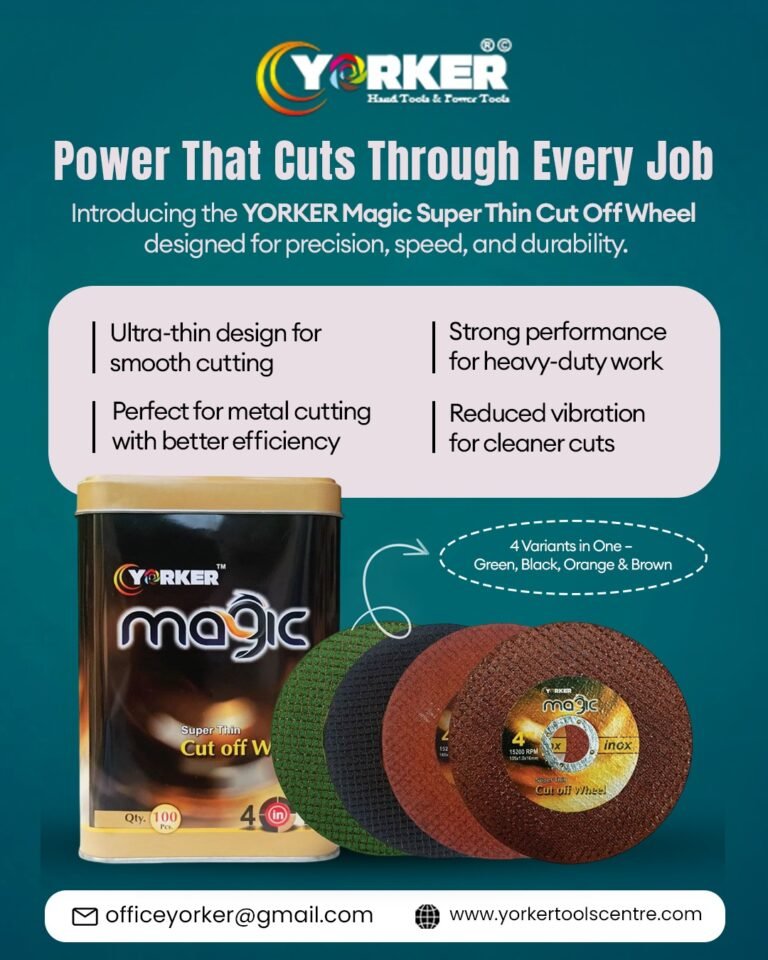
A Cut Off Wheel Manufacturer produces these wheels specifically for cutting operations. They are thin and sharp, making them perfect for cutting metal bars, pipes, and sheets with precision.

4. GC Grinding Wheels

A GC Wheel Manufacturer develops green silicon carbide wheels that are suitable for grinding hard materials such as ceramics, glass, and carbide tools.

5. Moulding Wheels

A Moulding Wheel Manufacturer creates these wheels for shaping and finishing moulds and dies. These are widely used in tool rooms and precision industries.

Each type serves a different purpose, so understanding your application is crucial before you Buy Grinding Wheel Online.

Key Factors to Consider Before Buying

When purchasing grinding wheels online, it is important to evaluate certain factors to ensure safety, durability, and performance.

Material Compatibility

Different grinding wheels are designed for specific materials. For example, aluminum oxide wheels are suitable for steel, while silicon carbide wheels are better for non-ferrous materials.

Grit Size

The grit size determines the finish quality. Coarse grits are used for heavy material removal, while fine grits are used for smooth finishing.

Wheel Grade

The grade indicates the hardness of the bonding material. Softer grades are used for hard materials, while harder grades are suitable for soft materials.

Wheel Structure

The spacing between abrasive grains affects cutting efficiency and heat generation. Open structures allow better cooling, while dense structures provide smoother finishes.

Speed Rating

Always check the maximum operating speed of the wheel and ensure it matches your machine’s speed to avoid accidents.

When you Buy Grinding Wheel Online, carefully reviewing product specifications can help you avoid costly mistakes.

Benefits of Buying Grinding Wheels Online

The shift toward online purchasing has made it easier for professionals and businesses to access a wide variety of tools. Here are some advantages when you choose to Buy Grinding Wheel Online:

  • Access to a wide range of products from different manufacturers
  • Easy comparison of specifications and prices
  • Time-saving and convenient ordering process
  • Availability of customer reviews and ratings
  • Direct sourcing from trusted suppliers like Yorker Tools Centre

Online platforms also allow you to connect with a reliable Cut Off Wheel Manufacturer, GC Wheel Manufacturer, or Moulding Wheel Manufacturer without visiting multiple physical stores.

Safety Tips for Using Grinding Wheels

While selecting the right grinding wheel is important, using it safely is equally crucial. Improper handling can lead to accidents and damage.

Always inspect the wheel before use for cracks or defects. Use proper protective equipment such as safety goggles, gloves, and face shields. Ensure the wheel is properly mounted and balanced on the machine. Never exceed the recommended speed limit, and avoid applying excessive pressure during operation.

By following these safety measures, you can extend the life of your grinding wheel and maintain a safe working environment.

Choosing a Reliable Supplier

When you decide to Buy Grinding Wheel Online, selecting a trusted supplier is essential. A reliable supplier ensures product quality, consistency, and proper guidance.

Yorker Tools Centre is known for supplying a wide range of industrial tools, including grinding wheels for various applications. Whether you are looking for a Cut Off Wheel Manufacturer, GC Wheel Manufacturer, or Moulding Wheel Manufacturer, working with a dependable supplier ensures that you receive products that meet industry standards.

A good supplier will also provide technical support, helping you choose the right wheel based on your application.

Common Mistakes to Avoid

Many buyers make mistakes when purchasing grinding wheels online, which can lead to inefficiency or safety issues. One common mistake is selecting a wheel based only on price rather than application suitability. Another is ignoring specifications such as grit size and speed rating.

Some users also fail to check compatibility with their machines, which can result in improper fitting or poor performance. Taking the time to understand your requirements before you Buy Grinding Wheel Online can help you avoid these issues.

Conclusion

Grinding wheels play a crucial role in various industrial and workshop applications. From cutting and shaping to finishing and polishing, the right grinding wheel can significantly improve productivity and results.

With the convenience of online platforms, it has become easier than ever to Buy Grinding Wheel Online, but making the right choice requires proper knowledge. By understanding the different types of wheels, key factors, and safety considerations, you can ensure a successful purchase.

Whether you need products from a Cut Off Wheel Manufacturer, GC Wheel Manufacturer, or Moulding Wheel Manufacturer, always prioritize quality and reliability. Choosing a trusted supplier like Yorker Tools Centre can make a significant difference in your overall experience.

FAQs

1. What should I check before I buy grinding wheel online?

You should check material compatibility, grit size, wheel grade, speed rating, and application suitability before making a purchase.

2. Which grinding wheel is best for metal cutting?

Cut-off wheels are commonly used for metal cutting, especially those supplied by a reliable Cut Off Wheel Manufacturer.

3. What is a GC grinding wheel used for?

GC grinding wheels are used for hard and brittle materials such as ceramics, glass, and carbide tools.

4. How do I choose the right grit size?

Coarse grit is suitable for heavy material removal, while fine grit is ideal for finishing and polishing.

5. Is it safe to buy grinding wheels online?

Yes, it is safe if you purchase from a trusted supplier and carefully review product specifications and certifications.

Contact Us

If you are planning to Buy Grinding Wheel Online and need guidance in selecting the right product, Yorker Tools Centre is here to help.

Our team can assist you in choosing the right grinding wheels based on your application, whether you need solutions from a Cut Off Wheel Manufacturer, GC Wheel Manufacturer, or Moulding Wheel Manufacturer.

Reach out to us today for expert advice and product support. Let us help you find the right tools for your work.

A bathroom renovation requires careful planning, skilled craftsmanship, and a clear understanding of client needs. Homeowners rely on professionals who can deliver results efficiently without compromising quality. Experienced bathroom remodelers Newark provide a combination of practical design and durable materials to create functional, stylish, and long-lasting spaces. Their expertise covers layout optimization, material selection, and project scheduling, all of which ensure a smooth process and a high-quality finished product. Each decision made during the renovation reflects a commitment to detail, safety, and overall satisfaction.


Understanding Client Needs and Project Scope

Experts begin by evaluating the current bathroom layout, discussing lifestyle requirements, and identifying aesthetic preferences. They prioritize both functionality and design cohesion, making recommendations that align with the homeowner’s vision. The scope includes fixture selection, plumbing upgrades, lighting improvements, storage solutions, and flooring options. Clear expectations prevent delays and allow every team member to execute their responsibilities accurately. Defining project boundaries ensures resources are used efficiently while minimizing disruptions in daily routines.


Detailed Planning and Design Strategy

  • Assess existing bathroom condition and layout
  • Define design theme and functional requirements
  • Set a realistic budget with cost breakdown
  • Select suitable materials and fixtures
  • Prepare a timeline with clear milestones
  • Identify potential challenges and solutions

A step-by-step design strategy ensures the renovation progresses logically. Experts create a comprehensive plan that addresses structural changes, plumbing adjustments, and electrical considerations. This approach allows homeowners to visualize the final result and make informed choices while providing contractors with a clear roadmap to follow.


Choosing Quality Materials for Long-Term Value

Selecting the right materials directly impacts durability and overall appearance. Professionals recommend moisture-resistant tiles, high-quality fixtures, and long-lasting cabinetry to withstand everyday use. Choosing materials that require minimal maintenance reduces future repair costs and enhances comfort. Color schemes, textures, and finishes are selected to create harmony with the overall home design, ensuring both practical and aesthetic value.


Efficient Project Management Techniques

Project management is crucial for timely completion. Experts organize every phase of the renovation, ensuring that demolition, plumbing, electrical work, and installation occur in a logical sequence. Coordinated schedules prevent work overlap, maintain momentum, and reduce unnecessary downtime. Daily oversight ensures adherence to the plan while allowing quick adjustments to address minor challenges, keeping the renovation on track and avoiding unexpected expenses.


Skilled Workforce and Professional Expertise

A bathroom renovation requires specialists including carpenters, plumbers, electricians, and tilers. Experts supervise each team member to maintain high standards of workmanship. Proper installation techniques, accurate measurements, and adherence to safety codes guarantee a polished finish. Skilled professionals also anticipate potential issues, solving them promptly to prevent delays and costly corrections. Expertise ensures the final result is not only visually appealing but also structurally sound.


Use of Modern Tools and Technology

Modern tools improve both speed and precision. Professionals employ digital design software to visualize layouts and simulate fixture placements. Advanced cutting tools, waterproofing equipment, and leveling devices accelerate construction without compromising quality. Technology assists in problem-solving, ensures accurate measurements, and allows for efficient collaboration between contractors, designers, and clients. This integration of tools streamlines the renovation process and enhances overall efficiency.


Maintaining Clear Communication Throughout the Project

Consistent communication between homeowners and contractors avoids misunderstandings and keeps expectations aligned. Experts provide regular updates on progress, budget status, and scheduling changes. Prompt feedback allows adjustments without slowing the project. Transparent dialogue builds trust, ensures client satisfaction, and fosters a collaborative environment where all parties understand priorities and responsibilities.


Ensuring Compliance with Safety and Building Standards

Safety compliance is mandatory in every renovation. Professionals ensure plumbing, electrical, and structural work meet local building codes and safety regulations. Proper ventilation, waterproofing, and electrical protection are implemented systematically. Adherence to standards reduces the risk of accidents, maintains insurance coverage, and guarantees that the renovation passes inspection without complications. Every choice, from materials to installation methods, aligns with professional safety guidelines.


Cost Control and Budget Management

  • Provide accurate initial cost estimates
  • Track expenses throughout the project
  • Avoid unnecessary design changes
  • Recommend cost-effective material alternatives
  • Prevent rework by ensuring quality execution
  • Maintain transparency in pricing and billing

Efficient budget management ensures the renovation remains financially sustainable. Professionals monitor spending, prevent cost overruns, and advise on affordable yet durable material options. Proper cost control allows homeowners to achieve their desired bathroom without financial stress while maintaining quality standards.


Quality Assurance and Final Inspection

Experts conduct thorough inspections at every stage of the project. Tile alignment, fixture functionality, water flow, and electrical systems are checked meticulously. Any minor adjustments are completed before project handover. Quality assurance guarantees that the renovation meets industry standards and homeowner expectations, resulting in a flawless, fully functional, and aesthetically pleasing bathroom.


Post-Renovation Support and Maintenance Guidance

Homeowners receive guidance on maintaining the renovated space, including proper cleaning methods, ventilation tips, and routine checks for leaks or wear. Maintenance instructions prolong the life of materials and fixtures while preventing damage. Professionals may provide follow-up services to address minor concerns, ensuring long-term satisfaction and preserving the investment made in the renovation.


Conclusion

Delivering efficient and high-quality bathroom renovations requires a blend of planning, expertise, and disciplined execution. Professionals prioritize clear communication, skilled workmanship, modern tools, and durable materials to produce results that are functional, stylish, and long-lasting. Homeowners benefit from a structured approach that keeps the project on schedule, within budget, and aligned with their vision, ultimately adding comfort and value to their home.