Left Ventricular Assist Devices (LVADs) are mechanical circulatory support systems designed to assist individuals with advanced heart failure by sustaining cardiac output. LVAD therapy enables patients to engage in daily life activities with greater stability than previously possible. However, successful daily management requires systematic strategies that ensure safety, device integrity, and physical well‑being. This article provides a comprehensive, expert‑level overview of structured approaches to managing routines with an LVAD, with particular emphasis on supportive tools such as vests for LVAD patients and blessing bell systems to improve quality of life and care continuity.
Understanding LVADs
What an LVAD Is
An LVAD is a surgically implanted, battery‑powered pump that supports the function of the left ventricle, the heart’s primary pumping chamber. It draws blood from the left ventricle and propels it into the aorta, thereby increasing systemic blood flow. LVAD systems typically include:
- Implanted pump
- Driveline (percutaneous cable that connects the pump to external controllers and batteries)
- Controller and batteries (worn externally to manage device function)
These components must be managed consistently to prevent complications such as infection, thromboembolism, or device malfunction.
Relevance of Daily Management
Structured daily routines are essential because LVAD patients face unique demands, including device maintenance, activity adaptations, and infection surveillance. Proper routines promote medical safety, functional autonomy, and psychological well‑being.
Core Concepts in Safe Daily LVAD Management
Controller and Battery Management
Consistent oversight of battery charge levels and controller alerts is critical. Batteries should be charged daily and rotated systematically to avoid device shutdown. Controllers must be checked regularly for alarms and consulted against manufacturer specifications when alerts occur.
Driveline and Site Care
The driveline exit site requires meticulous dressing changes to prevent infection. Evidence shows that standardized dressing protocols significantly reduce driveline infection rates. Dressing changes typically occur daily or every other day, depending on clinical instructions.
Safe Physical Activity Practices
LVAD patients are encouraged to maintain mobility within clinician‑approved boundaries. Exercise prescriptions often include:
- Low‑impact cardiovascular activities
- Supervised physical therapy sessions
- Avoidance of high‑impact contact sports
Activity guidelines vary by individual clinical profiles but prioritize safe engagement in everyday tasks.
Supportive Tools in Routine Management
Protective and Functional Gear
Vests for LVAD Patients
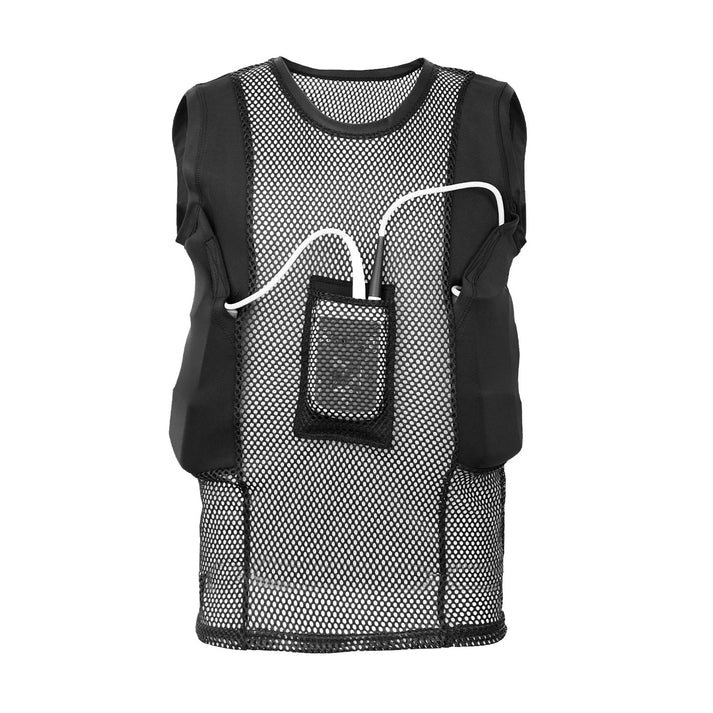
Specialized vests for LVAD patients are designed to securely house external components — including controllers and batteries — while minimizing tension on the driveline. These garments distribute weight ergonomically and reduce incidental pulls on the driveline during movement or transfers.
Applications in practice:
- During ambulation: Vests secure external components, reducing snagging risk.
- During exercise: Compression and positioning support improve comfort and confidence.
- During rest and sleep: Tailored placement can prevent driveline displacement.
Clinical teams often recommend specific vest styles based on body habitus and activity level, emphasizing customized fitting.
Blessing Bells
A blessing bell is a symbolic and practical tool used in some LVAD care settings to mark significant milestones (e.g., successful hospital discharge, completion of a therapy cycle). Beyond its symbolic role, a blessing bell can serve as a psychological anchor that reinforces patient agency and community support networks. Ritual markers like this can contribute to adherence and morale — important aspects of long‑term chronic disease management.
Expert Insights & Best Practices
Structured Routines
Experienced LVAD coordinators endorse the use of checklists and timed schedules to reduce cognitive load. Common implemented practices include:
- Morning device check protocol: Assess battery charge, controller alarms, and driveline dressing integrity.
- Evening maintenance review: Systematic inspection of site condition and function logs.
- Weekly equipment inspection: Verification of spare battery availability and controller backups.
These routines align with broader safety frameworks such as the Swiss Cheese Model of error reduction, which emphasizes multiple checks to prevent adverse events.
Infection Prevention
Strict aseptic technique is recommended for all dressing changes. This includes:
- Sterile gloves and supplies
- Chlorhexidine or recommended antimicrobial agents
- Documentation of site appearance (photographic logs in some programs)
Empirical evidence supports multimodal infection prevention bundles as effective in reducing LVAD associated infections.
Emergency Preparedness
Every LVAD patient should have an emergency plan that includes:
- Accessible caregiver contact lists
- Written device parameters (normal hematocrit, pump speed, flow targets)
- Portable power contingencies
Centers with high LVAD volumes recommend simulated emergency drills for patients and families to ensure competence under stress.
Common Mistakes and Misconceptions
Misconception: All Wearable Accessories Are Interchangeable
Not all garments or carrying solutions are appropriate for LVAD systems. Generic belts or bags may apply undue pressure or stress on the driveline. Purpose‑built vests specifically designed for LVAD patients reduce risk by providing secure, balanced positioning.
Mistake: Delaying Care for Minor Symptoms
Symptoms such as low‑grade fever or subtle driveline site redness can presage serious complications. Clinical protocols generally advise prompt evaluation rather than watchful waiting.
Misconception: Physical Activity Must Be Avoided
While high‑impact activities are contraindicated, structured, low‑impact exercise under professional guidance improves functional capacity and mental health without increasing device risk.
Conclusion
Managing daily routines with an LVAD is a multifaceted process that integrates device vigilance, infection control practices, physical activity planning, and psychosocial support. Structured tools such as purpose‑built vests for LVAD patients and community‑oriented elements like the blessing bell enhance daily life while preserving safety and dignity. Implementing systematic routines, adhering to evidence‑based protocols, and maintaining close collaboration with multidisciplinary care teams are foundational to long‑term success. These strategies collectively support autonomy and improve outcomes for individuals living with an LVAD.
FAQs
1. What is the purpose of specialized vests for LVAD patients?
Specialized vests stabilize external components and help distribute weight evenly, minimizing driveline tension and reducing the risk of accidental pulls. They enhance comfort during activities and support infection prevention by protecting the driveline site.
2. How should LVAD batteries be maintained daily?
Batteries should be charged fully each day and rotated to ensure consistent power availability. A routine tracking system (e.g., logbook) helps prevent unplanned power loss.
3. What are common early signs of driveline infection?
Early signs include localized redness, warmth, pain, or discharge at the exit site. Any suspicion warrants clinical assessment, as early intervention improves outcomes.
4. Can LVAD patients participate in exercise?
Yes, within prescribed limits. Low‑impact aerobic exercise and physical therapy are beneficial, while contact sports and heavy lifting are typically contraindicated.
5. What role does a blessing bell play in LVAD care?
While largely symbolic, a blessing bell can support psychological resilience and community rituals that mark progress and foster positive engagement with care routines.
6. How often should driveline dressings be changed?
Dressing changes occur according to clinical direction, often daily or every other day, using sterile technique to minimize infection risk.
7. What emergency plan elements are essential for LVAD patients?
An emergency plan includes up‑to‑date clinical information, caregiver contacts, power contingencies, and practiced responses to common device alarms.