
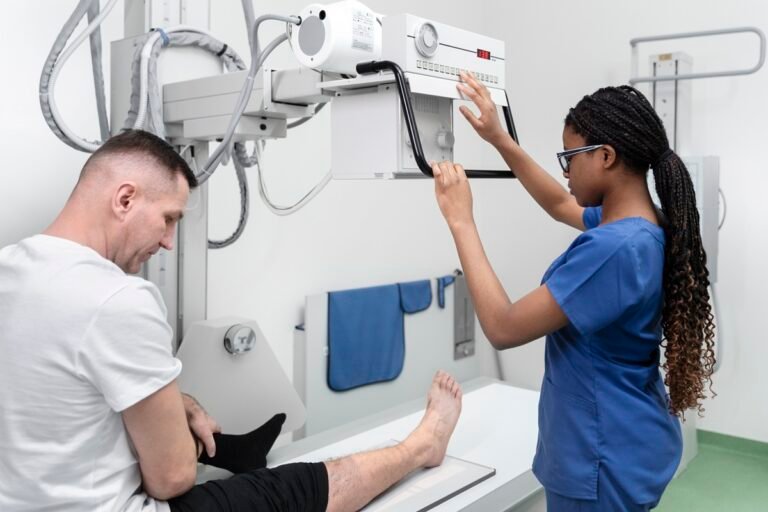
Have you ever wondered what’s really going on inside your body? What if doctors could spot a health problem before you even notice any symptoms? And wouldn’t it be reassuring to know that modern medicine has tools capable of seeing through skin, muscle, and bone to catch diseases at their earliest stages?
That’s exactly what radiology offers. This incredible branch of medicine uses various imaging techniques to peek inside your body without making a single incision. From detecting tiny tumours to identifying heart problems, radiology has transformed how we approach healthcare. It’s become an essential tool that helps doctors make faster, more accurate diagnoses—often catching conditions when they’re most treatable.
In this article, we’ll explore how radiology works and why it’s such a game-changer for early diagnosis. You’ll learn about different imaging types, discover which conditions they can detect, and understand how these scans help doctors plan effective treatments. We’ll also cover safety considerations, what to expect at your appointment, and how Medicare rebates work in Australia. Plus, we’ll take a glimpse into the exciting future of AI-powered imaging. Let’s get started.
What Is Radiology and How Does It Work?
Radiology is a medical specialty that uses imaging technology to diagnose and treat diseases. Think of it as giving doctors X-ray vision—the ability to see what’s happening inside your body without surgery. Radiologists are specially trained doctors who interpret these images and work alongside your GP or specialist to determine the best course of action.
The Different Types of Medical Imaging Explained
There’s no one-size-fits-all approach to medical imaging. Different technologies serve different purposes, and your doctor will recommend the most appropriate one based on your symptoms and medical history.
How Has Radiology Technology Advanced Over the Years?
The journey from the first X-ray in 1895 to today’s sophisticated imaging is remarkable. Early X-rays were grainy and limited, but modern digital imaging produces crystal-clear pictures in seconds. CT scanners now complete full-body scans in under a minute, whilst MRI machines offer unprecedented detail of soft tissues.
Recent advances include 3D imaging, which allows doctors to rotate and examine structures from every angle. What’s more, portable ultrasound devices now fit in a doctor’s pocket, bringing imaging capabilities directly to patients in remote areas across Australia.
The Role of Radiology in Early Disease Detection
Early detection saves lives—it’s that simple. When diseases are caught early, treatment options are broader, less invasive, and more likely to succeed.
Detecting Cancer Before Symptoms Appear
Screening programmes using radiology have revolutionised cancer detection. Mammograms can identify breast cancers years before a lump becomes noticeable. Low-dose CT scans screen high-risk individuals for lung cancer, catching tumours when they’re still small and treatable.
Bowel cancer screening often begins with other tests, but CT colonography provides detailed images of the colon without traditional colonoscopy. Similarly, prostate MRI scans help determine whether suspicious areas require biopsy. These screenings have dramatically improved survival rates across multiple cancer types.
Identifying Heart Conditions Early
Heart disease remains one of Australia’s leading causes of death, but radiology helps identify problems before heart attacks occur. CT angiography examines coronary arteries for blockages, whilst cardiac MRI assesses heart muscle damage and function.
These imaging techniques allow cardiologists to spot narrowed arteries, weakened heart walls, and other abnormalities. Armed with this information, doctors can recommend lifestyle changes, medications, or procedures before a serious cardiac event happens.
Spotting Neurological Issues Through Brain Imaging
Brain imaging has transformed how we diagnose neurological conditions. MRI scans detect early signs of multiple sclerosis, identify stroke damage, and locate brain tumours with remarkable precision. They’re also invaluable for diagnosing conditions like epilepsy and dementia.
For stroke patients, time is critical. CT scans quickly determine whether a stroke is caused by a clot or bleeding, guiding immediate treatment decisions that can mean the difference between recovery and permanent disability.
What Conditions Can Be Diagnosed with Radiology?
Common Conditions Detected Through X-Rays
X-rays remain incredibly useful for many conditions. They excel at detecting:
– Bone fractures and dislocations
– Pneumonia and other lung infections
– Arthritis and joint problems
– Dental issues
– Swallowed objects (particularly important in children)
They’re typically the first imaging test ordered because they’re quick, affordable, and widely available throughout Australia.
When Is an MRI Scan Recommended?
MRI scans are recommended when detailed soft tissue images are needed. They’re particularly valuable for:
– Spinal cord injuries and disc problems
– Brain tumours and neurological conditions
– Ligament and tendon injuries
– Joint problems, especially in the knee and shoulder
– Pelvic and abdominal organ examination
Because MRI doesn’t use radiation, it’s often preferred for children and for conditions requiring repeated imaging over time.
What Does a CT Scan Show That Other Tests Cannot?
CT scans bridge the gap between X-rays and MRI. They provide excellent detail of internal organs and are particularly good at detecting:
– Internal bleeding and trauma injuries
– Cancer staging and monitoring
– Blood clots in the lungs
– Appendicitis and other abdominal emergencies
– Complex bone fractures
CT scans are faster than MRI, making them the go-to choice in emergency situations where quick diagnosis is essential.
How Does Radiology Help Doctors Plan Treatment?
Guiding Surgical Procedures with Precision
Modern surgery increasingly relies on imaging for guidance. Surgeons use real-time imaging to navigate complex procedures, ensuring they target exactly the right area whilst avoiding healthy tissue.
Image-guided biopsies allow doctors to sample suspicious areas accurately, reducing the need for larger surgical procedures. In cancer treatment, imaging helps radiation oncologists precisely target tumours, maximising effectiveness whilst minimising damage to surrounding organs.
Monitoring Treatment Progress and Effectiveness
Radiology isn’t just about diagnosis—it’s crucial for tracking how well treatments work. Regular scans show whether tumours are shrinking, infections are clearing, or conditions are stable.
This monitoring allows doctors to adjust treatment plans quickly. If a cancer isn’t responding to chemotherapy, imaging reveals this early, enabling a switch to alternative treatments without losing valuable time.
Is Radiology Safe? Understanding Radiation Exposure
How Much Radiation Is in a CT Scan?
It’s natural to have concerns about radiation. A single chest X-ray exposes you to about the same amount of radiation you’d receive from natural background sources over 10 days. CT scans use more—roughly equivalent to a few years of natural background radiation.
However, the diagnostic benefits typically far outweigh the small risks. Radiologists follow the “ALARA” principle—keeping radiation As Low As Reasonably Achievable whilst still obtaining diagnostic-quality images.
Radiation-Free Imaging Options Available
If radiation concerns you, several imaging options use none at all. Ultrasound and MRI are completely radiation-free, making them suitable for pregnant women, children, and patients requiring frequent monitoring.
Your doctor will always consider the most appropriate imaging method, balancing diagnostic needs against any potential risks.
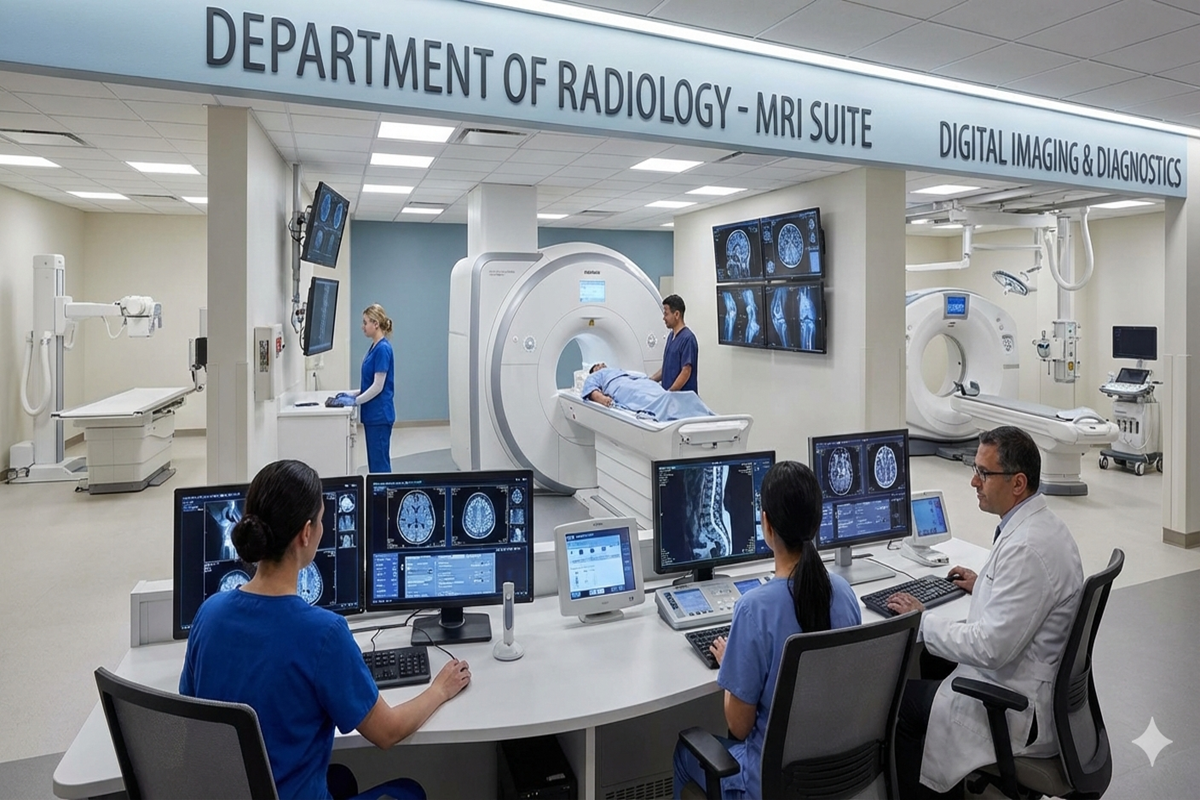
What Is the Difference Between Radiology and Radiography?
People often confuse these terms. Radiography refers to the process of taking medical images—radiographers are the trained professionals who operate the equipment and position patients. Radiology is the broader medical specialty, with radiologists being the doctors who interpret images and provide diagnostic reports.
Both work together as a team, ensuring you receive accurate imaging and expert interpretation.
Accessing Radiology Services in Australia
What to Expect During Your First Radiology Appointment
Arriving for your first scan can feel daunting, but the process is straightforward. You’ll need your referral letter and Medicare card. Depending on your scan type, you might need to fast beforehand or drink contrast fluid.
The staff will explain everything, answer your questions, and ensure you’re comfortable. Most scans take between 15 minutes to an hour, and results are typically sent to your referring doctor within a few days.
Medicare Rebates and Bulk Billing Options
Many radiology services attract Medicare rebates, reducing your out-of-pocket costs. Some clinics offer bulk billing for certain scans, meaning no upfront payment for eligible patients.
It’s worth checking with your chosen provider beforehand to understand costs and payment options. Private health insurance may also provide additional coverage for imaging services.
The Future of Radiology: AI and Advanced Imaging
Artificial intelligence is revolutionising radiology. AI algorithms can now analyse images alongside radiologists, helping detect subtle abnormalities that might be missed. This technology is particularly promising for screening programmes, where large volumes of images need review.
Advanced imaging techniques continue to evolve, with faster scanners, lower radiation doses, and increasingly detailed images. The future promises even earlier detection and more precise diagnoses.
Taking Charge of Your Health Through Early Detection
Throughout this article, we’ve explored how radiology has become an indispensable tool in modern medicine. From X-rays to MRI scans, these imaging technologies allow doctors to see inside your body, catch diseases early, and plan effective treatments. The ability to detect cancers, heart conditions, and neurological problems before symptoms appear has saved countless lives.
What’s particularly exciting is how accessible these services have become. Whether you’re in Sydney or a regional town, radiology services are available to help diagnose and monitor your health conditions. With Medicare rebates and bulk billing options, these potentially life-saving scans are within reach for most Australians.
So here’s the takeaway: don’t put off recommended screenings or ignore concerning symptoms. Early detection truly does change everything. If your doctor suggests imaging, embrace it as an opportunity to catch any problems early. Your future self will thank you for taking charge of your health today.