
Author

myjepy12

Browsing

Locs are a beautiful and versatile hairstyle that reflects individuality, culture, and creativity. However, one of the challenges many people face is the time it takes to achieve the perfect set of locs. Whether you are starting from scratch or looking to refine your technique, the locing process can be time-consuming and sometimes frustrating. Fortunately, professional techniques and insider knowledge can significantly reduce the time it takes to achieve well-formed, healthy locs without compromising quality.

In this article, we’ll explore practical tips, expert techniques, and professional insights to help you speed up the locing process while maintaining the integrity and health of your hair.


Understanding the Basics of Locing

Before attempting to accelerate the locing process, it’s essential to understand the fundamentals. Locs form when sections of hair are intentionally twisted, braided, or crocheted and then allowed to mat over time. The speed at which hair locs depends on several factors:

  1. Hair texture: Tightly coiled or kinky hair tends to loc faster than straighter hair.
  2. Hair length: Longer hair may take longer to fully mature, although initial loc formation can be quick.
  3. Maintenance methods: How you wash, twist, and care for your locs impacts their development speed.

By understanding your hair type and texture, you can choose techniques tailored to your needs. This knowledge alone can prevent trial-and-error methods that waste time and potentially damage your hair.


Sectioning Your Hair Properly

One of the most overlooked steps in the locing process is proper sectioning. Properly sectioned hair not only creates uniform locs but also makes the process faster and more manageable.

  • Use a comb with precise parting capabilities: Ensure each section is the same size. Uneven sections can result in locs that are thick in some areas and thin in others, which can slow down the maturation process.
  • Pin or clip sections while working: Keeping hair organized reduces tangling and repetitive adjustments, making your workflow smoother.
  • Plan your loc size: Smaller locs may mature faster, while larger locs take more time but require less frequent maintenance. Choosing the right size from the beginning can save months of unnecessary effort.

Professionals like Kris Mcdred emphasize that starting with well-defined sections creates a strong foundation, which is crucial for faster and healthier loc formation.


Choosing the Right Method

There are several techniques for starting locs, each with its pros and cons in terms of time and effort. The most popular methods include:

  1. Twist and Rip Method: This method is fast and works well for naturally textured hair. However, it can cause temporary frizziness that requires maintenance.
  2. Comb Coils: Ideal for those with tight curls, comb coils produce neat locs but take longer to install.
  3. Crochet Method: Using a crochet hook can instantly form locs by pulling loose hairs into the base of the loc. This method is significantly faster than traditional twisting and gives a clean look from the start.
  4. Interlocking: This technique loops the hair into itself for a secure loc. It’s a great option for long-term maintenance and can speed up the initial formation process, though it requires skill and precision.

Choosing the right method for your hair type is crucial. For instance, the crochet method is popular among professional stylists because it can create mature-looking locs in a fraction of the time compared to natural freeform methods.


Moisture and Product Management

Hair health directly impacts how quickly locs form. Overly dry or damaged hair can take longer to lock, while well-moisturized hair moves through the process more efficiently.

  • Use natural oils: Coconut oil, jojoba oil, and castor oil can hydrate your hair without leaving residue that slows the locking process.
  • Avoid heavy creams and waxes: While they may hold locs temporarily, too much product can slow matting and cause buildup.
  • Maintain a consistent washing routine: Clean hair locks faster than dirty hair. Washing every 1–2 weeks while ensuring locs remain intact encourages uniform formation.

Keeping hair moisturized and healthy not only speeds up the process but also ensures that your locs look vibrant and well-maintained from the start.


Regular Maintenance Without Overdoing It

Maintenance is key, but too much manipulation can undo progress. Striking the right balance between attention and patience is essential.

  • Twisting and palm rolling: For those using the twist method, gentle twisting at the roots every few weeks helps hair mat faster.
  • Crochet touch-ups: Using a small crochet hook to tighten loose hairs can speed up maturation.
  • Avoid over-styling: Excessive pulling, braiding, or tight hairstyles can slow loc development and cause breakage.

The secret is consistency rather than intensity. Many beginners believe that aggressive styling accelerates loc formation, but it usually leads to damage and setbacks.


Incorporating Professional Guidance

Learning from professionals can drastically reduce the trial-and-error phase. Attending workshops, online tutorials, or one-on-one sessions with experienced locticians can provide insider techniques that are not widely available online.

For instance, Kris Mcdred offers hands-on training that emphasizes speed without sacrificing quality. Learning directly from experienced practitioners can introduce methods such as pre-made extensions, ergonomic techniques, and time-saving twisting strategies that are difficult to master alone.


Time-Saving Tools and Accessories

Using the right tools can also accelerate the locing process:

  • Crochet hooks: Essential for instant loc formation or tightening loose hairs.
  • Sectioning clips and combs: Ensure precision and reduce redundant adjustments.
  • Spray bottles with water and light moisturizer: Help maintain hair moisture while allowing easy manipulation.
  • Silk or satin scarves: Protect locs during sleep, reducing frizz and unnecessary maintenance.

These tools might seem simple, but in the hands of someone familiar with locing techniques, they can cut hours off the process each week.


Patience and the Natural Timeline

While speeding up loc formation is possible, patience remains vital. Hair will mature at its own pace, and some textures naturally take longer than others. Understanding that the locing journey is both aesthetic and personal can reduce frustration and prevent harmful shortcuts.

  • Track progress: Documenting weekly growth helps identify which techniques work best for your hair.
  • Adjust methods as needed: Flexibility ensures you don’t waste time on approaches that aren’t effective.
  • Celebrate small milestones: Even partially matured locs are a sign of progress.

Remember, accelerating the process is about efficiency and care, not forcing your hair to mature unnaturally.


Conclusion

Speeding up the locing process is a combination of proper preparation, smart techniques, and maintaining hair health. By understanding your hair type, sectioning carefully, selecting the right method, and incorporating professional guidance, you can dramatically reduce the time it takes to achieve beautiful, mature locs.

Tools like crochet hooks, sectioning clips, and moisturizing sprays, along with consistent but gentle maintenance, allow you to maintain progress without damaging your hair. Most importantly, learning from experienced locticians such as Kris Mcdred can provide insider strategies that save time and prevent common mistakes.

With the right approach, patience, and professional insight, achieving stunning locs quickly becomes a realistic and enjoyable journey rather than a frustrating waiting game.
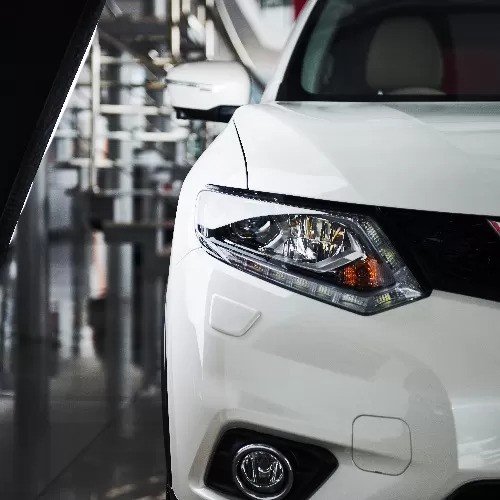
Traveling between Emirates is a daily reality for many residents of the UAE. Work commitments, family responsibilities, education, and lifestyle choices often require people to move regularly between cities like Abu Dhabi, Dubai, Sharjah, and beyond. While driving yourself might seem like the default option, it is not always the smartest or most efficient choice. Traffic congestion, rising fuel costs, vehicle maintenance, and the mental fatigue of long drives can quickly turn a routine commute into a stressful experience.

Fortunately, there are several smart alternatives that make inter-emirate travel easier, more affordable, and far less tiring. Choosing the right option depends on your schedule, budget, and comfort preferences, but understanding what is available can help you make better decisions and improve your overall quality of life.

The Hidden Costs of Driving Yourself

At first glance, driving your own car feels convenient. You control your timing, route, and stops. However, when you look closer, the real costs go far beyond fuel. Regular long-distance driving increases wear and tear on your vehicle, leading to higher maintenance and repair expenses. Tires, brakes, oil changes, and unexpected breakdowns all add up over time.

There is also the cost of your time and energy. Spending hours behind the wheel, especially during peak traffic, can leave you exhausted before the workday even begins. Stress from aggressive driving, road delays, and parking challenges can impact your mood and productivity. For many commuters, this daily strain becomes unsustainable in the long run.

Public Transport for Predictable Schedules

Public transport is often the first alternative people consider. Buses connecting major Emirates have improved significantly in recent years, offering air-conditioned comfort and reasonable fares. For travelers with fixed schedules who do not mind shared spaces, this can be a reliable option.

The main advantage of buses is cost efficiency. Compared to driving, public transport can save a significant amount of money each month. It also removes the stress of navigating traffic, allowing passengers to relax, read, or use their phones during the journey.

That said, public transport may not suit everyone. Fixed departure times, limited flexibility, and crowded peak-hour conditions can be challenging, especially for professionals with unpredictable work hours.

Shared Ride Services and Car Lifts

One of the most popular and practical alternatives today is shared transportation. Car lift services and ride-sharing arrangements have grown rapidly due to their balance of comfort, affordability, and convenience. Instead of driving alone, passengers share a vehicle with others traveling along the same route.

For daily commuters, this option offers several benefits. Costs are shared, making it more economical than driving solo. Passengers avoid the responsibility of driving and can use travel time more productively. Many people find that this setup reduces stress and makes long commutes more manageable.

A well-organized carlift service dubai, for example, can provide a consistent routine with fixed pickup points and times, which is ideal for office workers and students who travel regularly between these two cities.

Professional Chauffeur Services

For those who prioritize comfort and professionalism, chauffeur-driven services are another smart alternative. These services are particularly popular among executives, business owners, and individuals who value time efficiency.

With a professional driver, you can focus on calls, emails, or simply relax while someone else handles the road. Vehicles are usually well-maintained, clean, and comfortable, offering a premium experience. While this option is more expensive than shared rides or public transport, it can be justified for people whose time is especially valuable.

Flexible Ride-Hailing Options

Ride-hailing apps have changed how people move within cities, and they also offer inter-emirate travel options. This alternative works well for occasional trips rather than daily commuting. It provides flexibility, privacy, and ease of booking, all through a mobile app.

However, costs can rise quickly for long-distance travel, especially during peak hours or high-demand periods. For frequent travelers, this option is best used selectively rather than as a primary commuting solution.

The Productivity Advantage of Not Driving

One of the biggest advantages of choosing alternatives to driving yourself is reclaimed time. When you are not behind the wheel, you can use travel hours more effectively. Many commuters read, listen to podcasts, respond to emails, or even rest during their journeys.

This shift can have a noticeable impact on work performance and mental well-being. Starting the day calm and focused rather than stressed by traffic sets a positive tone for everything that follows. Over time, this improved daily experience can lead to better job satisfaction and a healthier work-life balance.

Environmental and Social Benefits

Shared and alternative transport options are not only beneficial for individuals but also for the wider community. Fewer cars on the road mean reduced traffic congestion and lower carbon emissions. Choosing shared rides or public transport contributes to a more sustainable urban environment.

There is also a social aspect to consider. Regularly traveling with others can create a sense of community, especially among expats and professionals with similar routines. Many people form connections and friendships through shared commutes, turning travel time into a more positive experience.

Choosing the Right Option for Your Lifestyle

The best alternative to driving yourself depends on your priorities. If saving money is your main goal, public transport or shared rides are strong choices. If comfort and flexibility matter most, chauffeur services or ride-hailing may be more suitable. For daily commuters seeking balance, organized shared transportation often offers the best mix of affordability, reliability, and comfort.

It is also worth reassessing your choice from time to time. Changes in work location, schedule, or personal circumstances may make a different option more practical. Being open to adjustment ensures that your commute continues to support, rather than drain, your lifestyle.

Final Thoughts

Driving yourself between Emirates is no longer the only option, and for many people, it is not the smartest one. With rising traffic levels and increasing demands on time and energy, exploring alternatives can lead to meaningful improvements in daily life.

Whether you choose public transport, shared rides, professional drivers, or flexible booking services, the key is finding a solution that aligns with your routine and reduces unnecessary stress. By stepping away from the steering wheel and embracing smarter travel choices, you can transform inter-emirate journeys from a daily burden into a smoother, more manageable part of your routine.

The United Arab Emirates is known worldwide for its modern cities, luxury shopping malls, and jaw-dropping landmarks. From the towering Burj Khalifa to the tranquil Sheikh Zayed Grand Mosque, the country offers experiences that can easily fill any traveler’s bucket list. But there’s a common misconception: many people assume that exploring the UAE always comes with a hefty price tag. The truth is, with the right approach, you can enjoy the country’s highlights without draining your wallet. Whether you’re a resident looking for weekend adventures or a visitor aiming to make the most of your stay, there are plenty of strategies to stretch your budget.

In this guide, we’ll cover practical travel hacks for seeing the UAE on a budget, including transportation tips, affordable accommodations, low-cost dining, and money-saving sightseeing strategies.


1. Plan Your Travel During Off-Peak Seasons

Like many tourist destinations, the UAE experiences peak seasons when flight and hotel prices soar. The cooler months between November and March tend to attract the largest crowds. While the weather is perfect for outdoor activities, costs can be significantly higher.

If your priority is saving money, consider visiting during shoulder months like April or October. Prices for flights and hotels are often lower, and while temperatures are warmer, you can still enjoy most attractions with some planning around midday heat.

Booking flights in advance and using price-tracking tools can also help you secure the best deals.


2. Use Public and Shared Transportation

Transportation is one of the areas where travelers can overspend without realizing it. While taxis are convenient, they can add up quickly if you’re moving between cities. Instead, take advantage of affordable alternatives:

  • Metro in Dubai: The Dubai Metro is clean, reliable, and budget-friendly. It connects key locations such as the airport, malls, and downtown areas.
  • Public buses: Intercity buses are cheap and comfortable, with regular services connecting Dubai, Abu Dhabi, Sharjah, and other emirates.
  • Shared rides: If you’re a frequent traveler between major cities, options like an car lift dubai provide a cost-effective solution, especially compared to booking private taxis every time.

Shared travel doesn’t just save money—it also gives you a chance to meet people making the same journey.


3. Choose Affordable Accommodations

It’s easy to assume that staying in the UAE means five-star hotels with sky-high rates. While those are abundant, there are also plenty of affordable lodging options:

  • Budget hotels and hostels: Cities like Dubai and Abu Dhabi have hostels and budget hotel chains catering to cost-conscious travelers.
  • Short-term rentals: Platforms offering private apartments or shared accommodations can be significantly cheaper than hotels, particularly if you’re traveling as a group.
  • Stay outside the city center: Locations just outside major tourist hubs often have better rates, and with public transport, you’ll still have easy access to attractions.

4. Eat Where the Locals Eat

Dining is another area where visitors can overspend if they stick to high-end restaurants. While it’s tempting to experience luxury dining in Dubai Marina or Downtown, you’ll find authentic and affordable meals in smaller eateries and local neighborhoods.

  • Street food and cafeterias: Indian, Pakistani, and Middle Eastern cafeterias are popular across the UAE, offering hearty meals for a fraction of the price of tourist spots.
  • Food courts in malls: They may not be glamorous, but food courts offer variety and affordability.
  • Set menus and lunch deals: Many restaurants provide set lunch deals that are far cheaper than their dinner menus.

By balancing the occasional splurge with budget-friendly meals, you’ll stretch your dining budget without missing out on the culinary experience.


5. Prioritize Free and Low-Cost Attractions

The UAE is full of free or inexpensive experiences that often get overlooked in favor of luxury tours. Some ideas include:

  • Beaches: Many public beaches in Dubai and Abu Dhabi are free to access. Pack some snacks and enjoy a day by the sea.
  • Cultural landmarks: Visiting the Sheikh Zayed Grand Mosque in Abu Dhabi costs nothing but provides an unforgettable experience.
  • Traditional souks: Wander through spice souks, gold markets, and textile bazaars for free. Even if you don’t buy, it’s a cultural adventure.
  • Museums and heritage sites: Several museums have affordable entry fees, offering insight into the region’s history.

Not every outing requires a big ticket price—mixing free attractions into your itinerary keeps costs manageable.


6. Use Discount Cards and Passes

For those planning to see multiple attractions, purchasing city passes or discount cards can be a game-changer. Options like the Dubai Pass or Go City Card bundle access to several attractions at a reduced rate.

Additionally, online platforms often have discounts on tickets for popular spots like the Burj Khalifa or theme parks. Booking in advance not only saves money but also helps avoid long queues.


7. Travel Light to Avoid Extra Costs

Budget airlines operate widely in the region, connecting UAE cities with neighboring countries. While tickets can be inexpensive, the catch often lies in baggage fees. To avoid unnecessary charges:

  • Pack light and stick to carry-on luggage.
  • Wear versatile clothing suitable for different settings.
  • Use travel-size toiletries and essentials.

By traveling light, you’ll also enjoy greater flexibility in moving around.


8. Combine Attractions for Maximum Value

If you’re traveling between cities, plan your days to maximize each journey. For example, if you’re heading to Abu Dhabi for the Grand Mosque, include nearby attractions like the Corniche or Qasr Al Watan in the same trip.

In Dubai, pair a morning at the beach with an evening visit to the Dubai Mall and fountain show, which is free. By grouping attractions, you’ll spend less on transport and see more in a single day.


9. Shop Smart and Avoid Tourist Traps

Shopping in the UAE can be tempting, with malls full of luxury brands. But for budget-conscious travelers, it’s best to focus on:

  • Local markets: Great for souvenirs, spices, and traditional clothing at affordable prices.
  • Outlet stores: These offer discounts on branded items compared to main malls.
  • Set a spending limit: Decide in advance what you want to buy and stick to your budget.

Tourist-heavy spots often mark up prices, so exploring less obvious shopping areas can help you find bargains.


10. Embrace Group Travel

Traveling with friends or family isn’t just fun—it’s cost-effective. Group travel allows you to share costs for accommodation, meals, and transport. Many activities, from desert safaris to city tours, offer group discounts.

If you’re traveling solo, look for group excursions or meetups where costs are divided among participants. Not only will this save money, but it also enriches the experience by adding a social element.


Final Thoughts

Traveling in the UAE doesn’t have to break the bank. With smart planning and a willingness to look beyond the obvious luxury experiences, you can explore the country on a budget while still enjoying comfort and quality. From using shared rides for intercity travel to savoring authentic meals at local spots, small changes in how you plan your trip can add up to significant savings.

The UAE offers a unique blend of modern marvels and cultural treasures. By following these travel hacks, you’ll not only save money but also experience the country more authentically. Budget travel here isn’t about missing out—it’s about seeing more for less, and discovering that the UAE is just as rewarding for the savvy traveler as it is for those chasing luxury.

Traveling between major cities is no longer just about reaching your destination. For modern travelers, the experience of the journey itself has become just as important. Whether you’re commuting for work, exploring a new city, or visiting friends and family, how you travel shapes your mood, energy, and productivity. This guide is designed to help you navigate intercity trips with ease, offering tips, strategies, and insights that turn long rides into comfortable and even enjoyable experiences.


Why Comfort Matters in Intercity Travel

A journey of several hours can feel draining if not planned well. Long commutes often mean extended sitting, exposure to traffic, and sometimes unpredictable delays. For many, these challenges become routine—especially in regions where city-to-city travel is part of daily or weekly life. Comfort is not a luxury here; it’s a necessity. When you arrive relaxed rather than exhausted, you’re more likely to enjoy your destination and perform better in your daily tasks.


Planning Ahead Saves You Time and Energy

The foundation of comfortable intercity travel lies in preparation. Before setting off, consider the following:

  1. Check travel times: Look up peak traffic hours and plan around them. Shifting your departure by just 30 minutes can save you a significant amount of time.
  2. Pack light but smart: Bring essentials like water, snacks, headphones, and a power bank, but avoid overpacking. A clutter-free seat space makes a big difference.
  3. Dress appropriately: Wear comfortable clothing that allows you to sit for long periods. Layered outfits are ideal, as temperatures can vary between vehicles and destinations.
  4. Secure your bookings: If you’re using a car service, rideshare, or shuttle, confirm your booking ahead of time to avoid last-minute stress.

Preparation minimizes small frustrations that can add up during longer trips.


Choosing the Right Mode of Transport

The vehicle you choose for intercity travel has a major influence on your comfort. Here are some of the most common options:

  • Personal car: Offers flexibility and privacy but can be tiring if you’re the driver.
  • Bus or coach: Budget-friendly, but comfort depends on the service provider. Some offer reclining seats, Wi-Fi, and entertainment, while others are more basic.
  • Train: If available, trains provide space to move around and work on the go, though schedules may be limited.
  • Car lift services: A popular choice for balancing comfort and cost. You get the convenience of a car ride without the full responsibility of driving yourself. For example, those commuting between cities often consider an dubai to abu dhabi car lift as an efficient option for regular trips.

When selecting your mode of transport, weigh factors like travel time, cost, comfort level, and flexibility.


Optimizing Your Seating and Space

A good seat can make hours feel like minutes. If you have the option:

  • Window seats allow you to rest your head, enjoy the scenery, and control the lighting.
  • Aisle seats provide easier access to bathrooms and the chance to stretch during stops.
  • Front seats tend to be less bumpy and offer more legroom in certain vehicles.

Where possible, avoid cramped seating. Stretching your legs, adjusting your posture, and having enough space for personal items are all part of a more relaxed journey.


Staying Connected Without Draining Your Energy

Most intercity travelers bring along devices, whether for work or entertainment. To ensure your devices support your trip rather than hinder it:

  • Charge in advance: A fully charged phone or laptop helps you avoid stress.
  • Bring a power bank: Essential for long rides without guaranteed charging ports.
  • Download content offline: Whether it’s movies, podcasts, or work documents, offline access prevents boredom or wasted time when connections drop.
  • Set boundaries: Balance screen time with rest. Too much scrolling can lead to fatigue and motion sickness.

By staying mindful of your digital habits, you preserve your energy and arrive fresher.


Making Comfort a Habit

Small habits can add up to big improvements in intercity journeys. Consider adopting these practices:

  • Hydrate regularly: Dehydration leads to fatigue. Bring a reusable water bottle.
  • Move when possible: Stretch during breaks or even while seated to improve circulation.
  • Snack wisely: Light, nutritious snacks like nuts or fruit keep you energized without weighing you down.
  • Use travel accessories: Neck pillows, eye masks, or noise-canceling headphones can transform your experience.

These habits may seem minor, but over repeated journeys, they significantly increase your comfort level.


Turning Travel Time Into Productive Time

For many, intercity trips are unavoidable. Instead of seeing the journey as “lost time,” reframe it as an opportunity:

  • Catch up on reading or audiobooks: Turn hours on the road into learning sessions.
  • Listen to podcasts: Stay entertained or inspired while keeping your eyes rested.
  • Plan your day: Use quiet travel moments to review goals or tasks.
  • Meditate or relax: Deep breathing and mindfulness can reduce stress.

Shifting your mindset helps transform the road into a space for growth, rest, or creativity.


Safety Should Never Be Compromised

Comfort and convenience mean little without safety. Smart travelers always prioritize well-being:

  • Choose reputable providers: If using car lifts or shared rides, research reviews and safety records.
  • Wear seat belts: A simple yet often overlooked step.
  • Avoid distractions: Whether driving yourself or as a passenger, minimize risks with responsible behavior.
  • Stay alert: Keep an eye on your belongings and remain aware of your surroundings.

A safe journey is the foundation of every comfortable one.


The Future of Intercity Travel

With growing populations and increasing connectivity between cities, intercity transport is evolving. We’re seeing more emphasis on:

  • Eco-friendly solutions: Electric vehicles and sustainable travel practices.
  • Smart technology: Apps that simplify booking, tracking, and payments.
  • Shared mobility: Car lifts and pooled services reducing costs and traffic congestion.
  • Traveler experience: Enhanced seating, on-board entertainment, and personalized options.

These developments promise a future where intercity travel becomes not just efficient, but enjoyable.


Final Thoughts

Comfortable intercity journeys are within reach for every traveler willing to prepare and make thoughtful choices. From selecting the right transport to adopting healthy habits, the difference lies in the details. Travel doesn’t have to be a tiring chore; with the right mindset and planning, it can be a smooth, restorative, and even productive part of your day.

Whether you’re commuting regularly or just making an occasional trip, apply these smart traveler tips to arrive feeling your best. After all, the journey is just as important as the destination.

Transporting a vehicle over a long distance can be a stressful process, especially when you consider the potential risks involved. Whether you are relocating for work, purchasing a car from another city, or simply moving to a new home, ensuring your vehicle arrives safely is a top priority. One of the most crucial steps in this process is understanding the insurance options available for long-distance car transport. Adequate coverage can protect you from financial loss and provide peace of mind during the journey.

Why Insurance Matters in Vehicle Transport

When a car is being transported, it is exposed to several risks that don’t exist when it’s parked in your garage. These risks include minor scratches, dents, weather-related damage, and accidents that can occur while the vehicle is on a truck or in transit. Without proper insurance, you could be responsible for covering repair costs out of your own pocket.

Many vehicle owners underestimate the importance of transport insurance, assuming that their standard car insurance automatically covers the vehicle during transit. However, most personal auto policies only provide limited coverage, and in many cases, they exclude damages that occur during professional transportation. This is why selecting the right insurance option is critical.

Types of Insurance for Car Transport

Insurance options for long-distance car transport generally fall into three main categories: carrier-provided insurance, third-party insurance, and coverage through your existing auto policy. Understanding the differences between these options can help you make an informed decision.

  1. Carrier-Provided Insurance

Most professional car transport companies offer insurance as part of their service. This coverage is often included in the overall price or can be purchased as an add-on. Carrier-provided insurance typically covers damages that occur while the car is in the custody of the transport company, including accidents, theft, and natural events such as storms or floods.

Before agreeing to transport, it is essential to carefully review the insurance terms. Pay attention to coverage limits, deductibles, and any exclusions. For example, some policies may not cover pre-existing damages or cosmetic issues. Requesting a written copy of the insurance agreement can help clarify what is and isn’t covered.

  1. Third-Party Insurance

If you want additional protection, third-party insurance is an option. These policies are purchased separately from the transport company and can sometimes offer broader coverage. Third-party providers may cover scenarios not included in carrier insurance, such as acts of negligence, mechanical failures during transport, or damage caused by loading and unloading.

The cost of third-party insurance varies depending on the value of your vehicle, the distance it will be transported, and the coverage limits you select. It is worth comparing quotes from multiple providers to ensure you are getting comprehensive protection at a reasonable price.

  1. Coverage Through Your Existing Auto Policy

Some personal auto insurance policies extend coverage to vehicles during transport, but the specifics vary widely. Certain policies may only cover the car if it is being moved within the same city or state, while others may provide full coverage for long-distance transport. Contact your insurance provider to confirm the details before relying on your existing policy.

If your current policy does provide coverage, ask about limits, deductibles, and any exclusions related to professional transport. In some cases, combining your existing coverage with carrier insurance can offer the most comprehensive protection.

Factors That Affect Insurance Needs

Several factors can influence the type and level of insurance you require for long-distance car transport:

  • Vehicle Value: High-value vehicles may require additional coverage to ensure the full cost is recoverable in case of damage. Classic cars, luxury vehicles, and new models often fall into this category.
  • Distance and Route: Longer distances generally increase risk exposure, which may affect the type of coverage needed. Routes that pass through extreme weather conditions or high-traffic areas may also require additional protection.
  • Transport Method: Open transport carriers expose vehicles to environmental elements like dust, rain, and sun, while enclosed carriers offer added protection but at a higher cost. Insurance policies may differ depending on the transport method chosen.
  • Delivery Timeframe: Expedited transport services may involve faster travel, which could slightly increase the risk of accidents. Insurance coverage should account for these variables.

Tips for Choosing the Right Insurance

Selecting the best insurance for long-distance car transport requires careful consideration. Here are some tips to help you make the right choice:

  1. Document Pre-Existing Damage: Before the vehicle is picked up, take clear photographs of any existing scratches, dents, or imperfections. This documentation can help prevent disputes if claims are needed later.
  2. Read the Fine Print: Insurance policies often contain clauses that may exclude certain types of damage. Make sure you understand all terms, limits, and exclusions before agreeing to coverage.
  3. Ask About Deductibles: Some insurance plans require a deductible payment before coverage kicks in. Confirm how much this will be and whether it fits within your budget.
  4. Verify Carrier Credentials: Ensure that the transport company is licensed and insured. Reputable companies should be transparent about their insurance offerings and willing to provide documentation upon request.
  5. Consider Additional Coverage: If your car has aftermarket modifications or high-value accessories, standard coverage may not be sufficient. Ask about add-ons or endorsements that can protect these items.

Making a Claim

Despite the best precautions, accidents can still happen. Understanding the claims process is vital for a smooth experience. Most insurance policies require prompt reporting of any damage. Keep all relevant documentation, including the bill of lading, photographs of the vehicle before and after transport, and any correspondence with the transport company.

Claims processing times vary, but having all paperwork ready and clear communication with the insurance provider can expedite the resolution. Always review the claim payout terms to ensure they align with your expectations.

Real-Life Scenario

For instance, consider someone using a Car pooling Dubai to Abu Dhabi service to relocate their vehicle. While the company provides standard coverage, the owner opted for additional third-party insurance due to the car’s high value. By documenting pre-existing conditions and understanding both policies’ terms, the owner ensured full protection. When minor scratches occurred during loading, the combined insurance allowed for quick repair reimbursement, demonstrating the importance of careful planning.

Conclusion

Insurance is an essential component of long-distance car transport. Without adequate coverage, even minor damages can result in significant out-of-pocket expenses. By understanding the types of insurance available, evaluating your vehicle’s specific needs, and selecting the appropriate coverage, you can ensure a safe and worry-free transport experience.

Whether you rely on carrier-provided insurance, third-party policies, or your existing auto coverage, taking the time to research and document everything will protect your investment. Remember, the goal is not just to comply with regulations but to have peace of mind knowing that your vehicle is fully protected on its journey. Proper insurance planning allows you to focus on the excitement of your move or new purchase rather than the stress of potential risks during transport.