
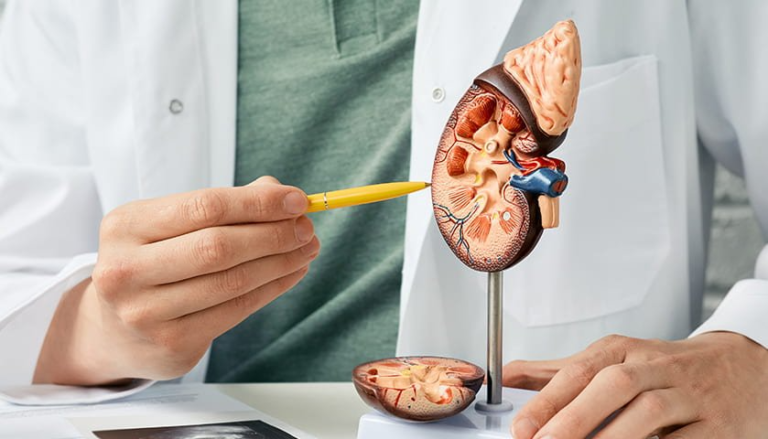
Kidney stones are one of the most common urological conditions affecting adults today. While they might seem small and insignificant at first, these crystalline formations can cause significant discomfort and, in severe cases, lead to serious health complications. Understanding what kidney stones are, their causes, symptoms, and when it’s essential to consult a specialist can help you manage your kidney health effectively.
What Are Kidney Stones?
Kidney stones are hard deposits of minerals and salts that form inside the kidneys. They develop when urine becomes concentrated, allowing minerals like calcium, oxalate, and uric acid to crystallize and stick together. Stones can vary in size, ranging from tiny grains, often unnoticed, to larger stones that can cause excruciating pain when passing through the urinary tract.
There are several types of kidney stones, each with distinct causes:
- Calcium Stones: The most common type, usually formed from calcium oxalate. High oxalate intake, low hydration, and certain metabolic conditions can increase the risk.
- Struvite Stones: Often linked to urinary tract infections. These stones can grow rapidly and become large, sometimes requiring surgical intervention.
- Uric Acid Stones: Occur when urine is consistently acidic. High-protein diets and certain genetic factors may increase susceptibility.
- Cystine Stones: Rare and caused by a hereditary disorder that leads to excess cystine in the urine.
Understanding the type of stone is essential because treatment and prevention strategies may differ.
Causes of Kidney Stones
Several factors can contribute to the formation of kidney stones. While some causes are lifestyle-related, others may stem from medical conditions or genetics. The most common causes include:
- Dehydration: Insufficient water intake concentrates urine, making it easier for minerals to crystallize.
- Dietary Factors: High consumption of salt, sugar, and animal protein can increase stone risk. Diets rich in oxalate-containing foods, like spinach and nuts, may also contribute.
- Obesity and Metabolic Conditions: Conditions like obesity, diabetes, and metabolic syndrome can increase stone formation.
- Medical Conditions: Certain diseases, including hyperparathyroidism, gout, and urinary tract infections, may raise the likelihood of developing stones.
- Genetics: A family history of kidney stones increases your risk, as some individuals inherit traits that make stone formation more likely.
Recognizing these risk factors allows you to take preventive measures before a stone becomes a severe problem.
Symptoms of Kidney Stones
Kidney stones often go unnoticed when they are small. However, as they grow or move through the urinary tract, they can cause intense discomfort. Key symptoms include:
- Severe Pain: Often described as sharp and stabbing, the pain typically occurs in the back or side, below the ribs. It can radiate to the lower abdomen and groin.
- Urinary Symptoms: Frequent urination, cloudy or foul-smelling urine, and a burning sensation while urinating.
- Hematuria: Blood in the urine is a common sign of kidney stones, even if the pain is minimal.
- Nausea and Vomiting: Pain and urinary tract blockage can trigger nausea and vomiting.
- Fever and Chills: These may indicate an infection, which is a medical emergency when combined with kidney stones.
It’s important to note that not all kidney stones produce symptoms. Some may only be discovered during imaging tests for unrelated conditions.
When to See a Specialist
Early intervention can prevent complications such as urinary obstruction, infection, or kidney damage. You should seek the care of a urologist if you experience:
- Sudden, severe flank or abdominal pain
- Blood in the urine
- Fever or chills alongside urinary pain
- Persistent nausea or vomiting
- Difficulty passing urine or complete urinary blockage
A urologist can perform imaging tests, such as ultrasound, CT scans, or X-rays, to identify the size, location, and type of kidney stone. Based on these findings, they may recommend treatments ranging from medication to minimally invasive procedures.
For comprehensive care, it’s advisable to consult a specialist promptly rather than attempting home remedies that may delay proper treatment. You can learn more about effective treatment options here: https://drimtiaz.com/urologist/kidney-stone/
Treatment Options
Treatment for kidney stones depends on their size, type, and severity. Some of the most common approaches include:
- Hydration and Pain Management: Small stones often pass on their own with increased fluid intake and over-the-counter pain relief.
- Medications: Certain medications can help dissolve stones or facilitate their passage. Alpha-blockers, for instance, relax urinary tract muscles, making it easier for stones to move.
- Extracorporeal Shock Wave Lithotripsy (ESWL): Non-invasive procedure that uses sound waves to break stones into smaller pieces for easier passage.
- Ureteroscopy: Involves inserting a thin scope into the urinary tract to remove or break up stones directly.
- Percutaneous Nephrolithotomy: A minimally invasive surgical option for large or complicated stones.
Preventing future stones is equally important. Strategies include maintaining adequate hydration, following a balanced diet low in sodium and animal proteins, and monitoring risk factors such as metabolic disorders.
Preventive Measures
Preventing kidney stones involves both lifestyle changes and medical guidance:
- Stay Hydrated: Drink at least 8–10 glasses of water daily.
- Balanced Diet: Limit salt, sugar, and excess animal protein; include fruits and vegetables that promote urinary health.
- Regular Checkups: If you have a history of kidney stones, routine screenings can catch new stones early.
- Manage Underlying Conditions: Controlling diabetes, obesity, and other metabolic disorders can reduce your risk.
Consulting a urologist periodically is crucial if you are prone to recurrent stones. Personalized advice can help you prevent complications and maintain kidney health.
Conclusion
Kidney stones, though common, can have serious consequences if ignored. Understanding their causes, recognizing early symptoms, and seeking prompt specialist care are vital steps in preventing complications. Whether through lifestyle changes, medical treatment, or minimally invasive procedures, managing kidney stones effectively requires knowledge and timely action.
For anyone experiencing symptoms or seeking guidance on treatment options, it’s always best to consult an experienced urologist for a tailored approach. You can explore trusted kidney stone treatment options here: https://drimtiaz.com/urologist/kidney-stone/