
Author

healthy

Browsing

Gone are the days when skin treatments meant long recovery times and harsh chemicals. Lumecca IPL changes that game. This advanced intense pulsed light therapy delivers quick results for skin rejuvenation, targeting issues like spots and redness without much hassle.

You might have tried creams or peels that fall short. Lumecca stands out as a top choice for comprehensive skin rejuvenation. It uses high-powered light to fix multiple problems at once, leaving your face fresh and even. Think of it as a wake-up call for tired skin, especially if sun damage or age has dulled your glow.

IPL, or intense pulsed light, sends bursts of light into the skin. Lumecca takes this further with stronger energy and precise wavelengths. That means better targeting of pigment and blood vessels, right down to the source. No wonder it’s a favorite for those seeking a Lumecca laser facial—it’s fast and effective for everyday skin woes.

Understanding Lumecca IPL: The Science Behind the Glow

Lumecca IPL works by turning light into heat deep in your skin. This heat zaps the bad stuff, like extra pigment or tiny blood vessels, without harming the surface. You get that healthy shine because the skin heals itself after the treatment.

The tech draws from years of research on light therapy. It focuses on parts of your skin that absorb light best, such as melanin in spots or hemoglobin in red areas. Simple yet smart, this method sparks natural repair processes. Over time, your skin looks smoother and brighter.

Experts praise Lumecca for its reliability. Studies show IPL treatments like this can cut pigmentation by up to 80% after a few sessions. It’s not magic, but the science makes it feel close. If you’re curious about skin rejuvenation options, this one builds trust through real results.

How Intense Pulsed Light (IPL) Works for Skin Rejuvenation

Imagine light as a spotlight hitting only the trouble spots. IPL pulses broad-spectrum light that your skin’s chromophores soak up. Those are the pigments and proteins that cause discoloration or veins to show.

The light turns to heat, breaking down those targets. Your body then clears out the debris, like a cleanup crew after a storm. This process boosts collagen too, which firms up your skin from within.

For skin rejuvenation, this means fewer dark patches and less redness. Sessions feel quick, and the effects build over weeks. It’s a gentle way to refresh without invasive tools.

What Makes Lumecca Superior to Traditional IPL Devices?

Lumecca packs more punch with its high peak energy. Older IPL machines often need more passes to get the job done. This one finishes faster, often in half the time, thanks to optimized pulses.

It also has smart cooling to keep your skin comfy. No burning risks here—the device chills the area right away. Plus, its wavelengths zero in on issues like brown spots or rosacea better than basic models.

In a Lumecca laser facial, you notice the difference in precision. Clinics report higher satisfaction rates, around 90%, because results pop quicker. It’s like upgrading from a bike to a sports car for your skincare routine.

The Ideal Candidate Profile for a Lumecca Treatment

Most folks with fair to medium skin tones do best, like types I to IV on the Fitzpatrick scale. If you have sun spots, freckles, or mild redness, this treatment shines. Even some with darker tones can benefit if a pro assesses first.

Common concerns include age spots from years outdoors or broken capillaries from stress. It’s great for early signs of aging too. But skip it if you have active infections, recent tans, or take light-sensitive meds.

Always chat with your provider. They check for risks like keloid scarring. This way, skin rejuvenation stays safe and tailored just for you.

Comprehensive Skin Concerns Addressed by Lumecca Treatments

Lumecca tackles a range of issues that steal your skin’s vitality. From uneven tone to rough texture, it smooths them out. You end up with that even, youthful look many chase.

Pigmentation fades as the light breaks up clusters of melanin. Redness calms because vessels shrink under the heat. Overall, your face gains a uniform glow that makeup can’t fake.

Patients often see changes after one go, but full perks come with a series. This broad approach makes Lumecca IPL a go-to for total skin rejuvenation.

Targeting Pigmentation Irregularities: Sun Spots and Age Spots

Sun spots, those flat brown marks from UV rays, respond fast to Lumecca. The light heats them up, causing them to darken first—then flake off in days. Freckles and age spots follow suit, lightening over two to four weeks.

Think of it as erasing pencil marks without smudging the page. Hyperpigmentation from acne scars or hormones also improves. Many see 50-70% reduction after sessions spaced right.

For a Lumecca laser facial, this means clearer skin without peels or lasers. Protect with sunscreen post-treatment to lock in the wins.

Reducing Vascular Lesions and Redness

Visible veins or broken capillaries make skin look flushed. Lumecca’s light grabs the hemoglobin in them, coagulating the vessels so they fade. Rosacea sufferers find less flare-ups and calmer cheeks.

It’s like sealing leaky pipes before they burst. Diffuse redness from irritation shrinks too. Results show in one to two treatments, with lasting calm for months.

This vascular fix ties into broader skin rejuvenation. Your face feels less hot and bothered, boosting confidence daily.

Improving Overall Skin Texture and Tone

Collagen ramps up after the heat nudges your skin cells. Pores tighten, fine lines soften, and bumps even out. That rough texture from years of wear? It smooths into silk.

Even tone comes as old damage lifts away. No more patchy look—just balanced radiance. It’s the heart of why people love Lumecca for rejuvenation.

Mix this with good habits, and your skin stays firm longer. Notice the difference in photos before and after.

The Lumecca Laser Facial Experience: Step-by-Step Procedure

A Lumecca laser facial feels straightforward once you know the steps. No big needles or cuts—just light and a bit of chill. It fits into a lunch break for busy lives.

Prep right, and you’ll breeze through. During, it’s quick zaps with cooling relief. After, simple care keeps things smooth.

This process demystifies IPL, making skin rejuvenation approachable for all.

Pre-Treatment Preparation and Consultation

Start with a skin check from your tech. They map your concerns and pick settings just for you. Skip sun for two weeks before—no tans or sprays.

Cut back on retinols or acids five days prior. They make skin sensitive. Hydrate well and come makeup-free.

This consult sets you up for success in your Lumecca IPL session. Questions? Ask now.

During the Session: Comfort, Application, and Duration

You lie back as they cleanse your face. Goggles on, then the handpiece glides over areas. Each pulse feels like a warm snap, mild like a rubber band.

Cooling kicks in right away, so no real pain. A full face takes 20-30 minutes. Eyes and lips get skipped for safety.

It’s relaxing, almost. Many nap through parts of their Lumecca laser facial.

Post-Treatment Care and Expected Downtime

Right after, skin might pink up like a light sunburn. Spots darken—that’s normal, they shed soon. Ice if needed, but no heat.

Use gentle cleaners and moisturizers. Slather SPF 50 daily; it’s non-negotiable. Avoid workouts or saunas for 48 hours.

Downtime? Just a day or two for most. Back to work fast with glowing skin.

Optimizing Results: Treatment Protocols and Longevity

One session sparks change, but a plan maximizes it. Space them to let skin heal and respond. Pair with habits for years of benefits.

Think series plus upkeep. This keeps rejuvenation going strong.

Your commitment pays off in sustained youthfulness.

Recommended Number of Lumecca Sessions for Optimal Rejuvenation

Mild issues? One to two sessions, four weeks apart. Deeper damage needs three, maybe more. Pros gauge based on your start point.

Each builds on the last, layering improvements. By the end, skin tone evens out fully.

For skin rejuvenation, this protocol fits most budgets and schedules.

Integrating Lumecca with Other Skincare Modalities

Add microneedling after for extra collagen punch. Or use peels between sessions to boost glow. Medical facials maintain the base.

Skincare lines with peptides help too. Avoid conflicts—your derm guides combos.

Synergy amps up Lumecca IPL results, like teamwork for your face.

Maintaining Your Luminous Results: Preventative Measures

SPF every morning blocks new spots. Antioxidants like vitamin C fight free radicals. Eat clean, stay hydrated—basics count.

Gentle exfoliation weekly keeps texture smooth. Skip smoking; it ages skin fast.

These steps protect your Lumecca investment, keeping radiance alive.

Conclusion: Reclaiming Your Skin’s Radiance with Advanced IPL Technology

Lumecca IPL offers top-notch skin rejuvenation with quick sessions and little downtime. It hits pigmentation, redness, and texture head-on, outshining old methods. As a leader, it delivers that youthful bounce safely.

You’ve got the tools now to understand and pursue a Lumecca laser facial. Results vary, but most love the natural lift. Ready for radiant skin? Book a consult with a certified pro today—your glow awaits.
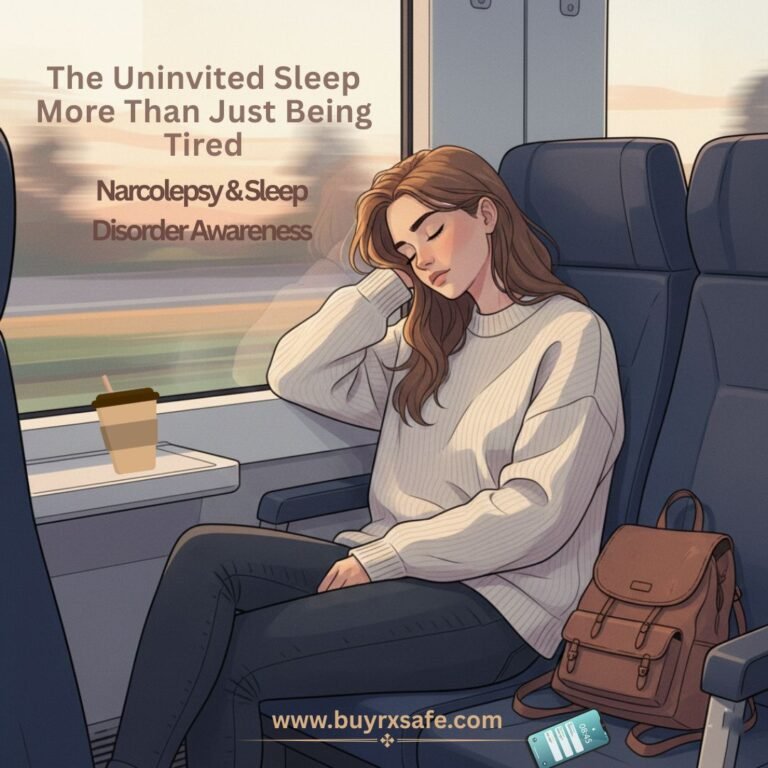

Narcolepsy is more than just feeling tired during the day. It is a long-term neurological sleep disorder that affects how the brain controls sleep and wake cycles. People living with narcolepsy often face sudden sleep attacks, poor nighttime sleep, and difficulty staying alert during work, travel, or daily activities. In 2025, treatment options have improved, but many people still ask one question: what really works?

This guide explains proven narcolepsy treatments, modern medications, daily habits, and realistic expectations. Everything is explained in simple words to help patients and caregivers make informed choices.

Understanding Narcolepsy Before Choosing Treatment

Narcolepsy happens when the brain cannot properly regulate sleep. Some people experience excessive daytime sleepiness, while others may have cataplexy, sleep paralysis, or vivid dreams. Because symptoms vary, treatment must be personalized.

There is no permanent cure yet. However, modern treatment focuses on improving alertness, reducing sleep attacks, and supporting daily life. With the right plan, many people can live active and productive lives.

Proven Medication Support in 2025

Medication remains one of the most effective tools for managing narcolepsy symptoms. Doctors often prescribe wakefulness-promoting medicines to help people stay alert during the day.

In the second step of treatment plans, modaheal 200 mg is commonly considered for improving daytime wakefulness. It helps support alertness without acting like a traditional stimulant. Many patients find that it allows them to focus better at work, drive more safely, and maintain a stable daily routine when used under medical guidance.

Another widely discussed option is the modalert 200mg tablet, which is known for helping reduce excessive daytime sleepiness. It works by supporting brain chemicals involved in wakefulness. Patients often prefer it because it allows steady alertness rather than sudden energy spikes.

Some users also explore options to buy waklert when prescribed, as it may provide longer-lasting wakefulness for certain individuals. The choice of medicine always depends on personal response, medical history, and professional advice.

Lifestyle Changes That Truly Make a Difference

Medication works best when combined with smart daily habits. In 2025, sleep specialists strongly emphasise lifestyle care as part of treatment.

Short, planned naps during the day can reduce sudden sleep attacks. Keeping naps brief and scheduled helps avoid grogginess. A consistent sleep schedule also improves nighttime rest, even on weekends.

Regular exercise supports better sleep quality and daytime energy. Light activities like walking or stretching often work well. Avoiding heavy meals, alcohol, and caffeine close to bedtime also improves nighttime sleep stability.

Managing Work and Social Life With Narcolepsy

Narcolepsy can affect careers and relationships, but modern strategies help people stay productive. Open communication with employers allows flexible schedules or short nap breaks when needed. Many companies in Canada, the USA, and Australia now recognise sleep disorders and support reasonable workplace adjustments.

Using reminders, alarms, and structured routines helps manage focus throughout the day. People who plan tasks during their most alert hours often perform better and feel less frustrated.

Safety Considerations and Daily Awareness

Safety remains a key part of treatment. People with narcolepsy should be cautious when driving or operating machinery, especially if symptoms are not fully controlled. Treatment in 2025 focuses on reducing these risks through better symptom control and awareness.

Doctors may adjust doses or timing of medication to improve alertness during critical hours. Patients should always report side effects or changes in symptoms promptly.

Accessing Trusted Treatment Options Online

With the rise of online pharmacies, patients often look for reliable sources. Platforms like Buyrxsafe focus on providing access to sleep disorder medications with clear information and responsible practices. Choosing trusted providers helps reduce the risk of unsafe products and misinformation.

Many patients from the USA, Canada, and Australia prefer verified online options for convenience and privacy. However, treatment decisions should always involve a healthcare professional.

New Research and Hope for the Future

Research in 2025 continues to explore better therapies for narcolepsy. Scientists are studying brain signalling, genetics, and immune responses to improve future treatments. While a complete cure is still under development, current options are more effective and manageable than ever before.

Digital sleep tracking, personalised dosing, and improved awareness are already helping patients achieve better control. These advances make daily life easier and safer for many people.

What Really Works: A Balanced Approach

The most successful narcolepsy treatment plans combine medication, lifestyle changes, and professional guidance. There is no one-size-fits-all solution. What truly works is consistency, monitoring symptoms, and adapting treatment as life changes.

With the right approach, people with narcolepsy can stay alert, active, and confident in 2025. Modern treatment does not just manage symptoms—it helps restore independence and quality of life.

A packed schedule often makes new learning feel impossible. But self-paced EFT tapping training online makes it surprisingly doable.

Learners can study anytime, take breaks without stress, and keep moving forward even when life gets hectic. It works well for parents, full-time workers, or anyone juggling multiple responsibilities.

Learn Anytime Without Pressure

Self-paced lessons give students the freedom to begin and pause whenever they want. Morning people can squeeze in a module before work.

Night owls can learn after everyone goes to bed. Busy parents can study during nap time. This freedom lets students train without stressing over strict class hours.

Blend Learning With Real Life

Most students follow a flexible rhythm that matches their everyday routine. They watch a lesson one day and practice tapping the next when possible. They don’t need to rush or push through stressful moments.

If work gets crazy or the kids need attention, the lessons stay right where they left off peacefully. This setup helps learners stay consistent even when life keeps shifting in surprising ways.

Use Short Study Sessions

Many people think training needs long, quiet hours. EFT tapping certification online breaks that idea.

Students can learn in small chunks:10 minutes during lunch, 15 minutes before a meeting, or even a quick practice session in the car (while parked!). Small sessions help busy learners make steady progress.

Lifetime Access Keeps the Pressure Low

Good programs give lifetime access to videos, practice guides, and tapping demos. So learners don’t worry about forgetting what they learned or rushing through lessons.

They can revisit older modules whenever they want. This long-term access helps students grow slowly and confidently.

Build Skills Through Real Practice

Self-paced EFT tapping training online usually mixes videos with real practice sessions. Students try tapping on themselves, peers, or volunteer clients.

They build real-world confidence without waiting for an in-person class. Plus, live coaching calls (when offered) help them ask questions and fix mistakes right away.

Some platforms, such as the Center for EFT Studies, offer this combo of self-paced training and optional live support.

Fit Learning Around Work and Parenting

People with hectic jobs or young children often worry about starting anything new or demanding. But self-paced EFT programs help them learn without disrupting daily life or stressing out.

Students set their own pace, choose study hours, skip days when needed, and come back without guilt. This flexibility makes the training feel realistic instead of overwhelming or chaotic for beginners. It gives busy learners a chance to grow skills at a steady, comfortable pace.

5 Signs of a Good EFT Tapping Certification Online

Starting an EFT journey becomes easier when learners know what to look for in a training program. Here are five clear signs of a solid, trustworthy EFT certification path:

Structured Levels and Skill Growth

A good program offers clear levels, beginner to advanced, so students grow step by step. For example, some platforms break training into Professional Practitioner levels and Master levels. This structure helps learners track improvement and avoid confusion.

Real Practice Opportunities

Students should practice tapping on themselves and others. Practice builds confidence and prepares learners to work with real clients.

Strong programs offer peer practice groups, volunteer clients, and live mentoring sessions. Without these, learners may understand the theory but struggle with real-life sessions.

Easy-to-Understand Lessons

Solid EFT tapping certification online programs use simple language and friendly teaching. They offer short videos, clear examples, and guides that make tapping feel fun and doable. Complicated lessons don’t help beginners, especially those with no healing background.

Lifetime Access and Ongoing Support

A reliable training provider doesn’t cut off access. Students should keep materials forever. Good programs also provide community forums, Q&A calls, or mentorship options. These support tools help learners keep improving long after they finish the main lessons.

Transparent Credentials And Completion Requirements

Strong programs explain what students must complete to get certified: hours, practice sessions, mentoring, assessments, and more.

They also share the trainer’s background and credentials. Some reputable platforms, like the Center for EFT Studies, outline their full process clearly so students know exactly what they’re signing up for.

The End Note

Self-paced EFT tapping training online fits perfectly into busy lives. It gives learners control, flexibility, and a stress-free way to grow new skills.

With the right program, students can learn at their own speed, keep improving over time, and build confidence step by step, no matter how full their schedules look.

Existence can be tough. Once in a while, pressure, anxiety, despair, or personal problems can experience overwhelming. For the duration of those times, talking to a being concerned therapist can make a huge distinction. Therapy facilitates you understand yourself higher, control your emotions, and construct talents to face lifestyles’s demanding situations. If you are geared up to enhance your intellectual fitness, finding a therapist near me​ is the first step to begin recovery these days.

Why remedy Is crucial

Remedy is more than simply speakme about problems. It’s far a manner to take care of your mind and emotions. An excellent therapist listens without judgment and enables you discover your mind and emotions. Therapy permits you to:

  • Lessen strain and anxiety
  • Improve your temper and intellectual health
  • Build stronger relationships
  • Increase wholesome coping skills
  • Recognize yourself higher

Many people suppose remedy is simplest for extreme intellectual health troubles, however it’s far helpful for all and sundry. Even if you experience “pleasant” but want to develop in my view, a therapist can guide you. In search of therapy is a courageous and fantastic step towards taking manage of your existence.

A way to locate the proper Therapist

Finding the right therapist is crucial because a good in shape can make remedy more effective. Right here are easy steps that will help you discover a caring therapist near you:

  • Understand What You want: think about why you want remedy. Are you managing tension, depression, stress, or dating problems? Understanding your desires enables you choose the right expert.
  • Test Credentials: make certain the therapist is licensed and skilled. Credentials display that they’re certified to offer proper care.
  • Do not forget region and Accessibility: choose a therapist near you or person who offers online periods. Smooth get right of entry to makes it simpler to wait periods regularly.
  • Study evaluations and Testimonials: analyzing other humans’s studies allow you to sense assured about your desire.
  • Accept as true with Your emotions: Your comfort subjects. In case you feel secure and understood with a therapist, the remedy is more likely to assist. Don’t hesitate to try a few therapists earlier than figuring out.

Blessings of Seeing a Therapist nearby

Seeing a therapist close to you has many advantages:

  • Comfort: travelling much less means you are much more likely to attend classes continuously.
  • Network know-how: local therapists recognize cultural and social issues on your vicinity, that could help in remedy.
  • Personal Connection: Face-to-face periods create a stronger connection, making it simpler to talk.

What occurs for your First session

Your first session may additionally sense a touch worried, and that is regular. A therapist will normally ask questions about your lifestyles, emotions, and what you wish to acquire in therapy. This helps them apprehend your wishes and create a plan.

Don’t forget, the primary consultation is simply the start. Therapy is a process, and progress takes time. Being open and honest in classes will assist you get the maximum gain.

How to Make therapy work for you

Remedy works pleasant while you take part actively. Right here are some pointers:

  • Be consistent: Attend sessions regularly. Skipping often can gradual your progress.
  • Be Open: proportion your mind and emotions in reality. Your therapist is there to listen, now not judge.
  • Practice capabilities: Therapists regularly give physical activities or tips to practice outdoor periods. Doing them helps you improve quicker.
  • Set dreams: work together with your therapist to set realistic goals. Tracking development continues you motivated.

Overcoming common obstacles

Some people hesitate to see a therapist because of fee, time, or stigma. Here are approaches to overcome these barriers:

  • Cost: Many therapists offer sliding scale charges or on-line classes at decrease charges. A few insurance plans cover remedy.
  • Time: on line or nearby therapists make scheduling easier. Even one consultation per week can help.
  • Stigma: in search of remedy is a power, no longer weak point. Looking after your mental fitness is as critical as your bodily fitness.

Take the first step today

You do not should wait until life feels unbearable. Reaching out to a worrying therapist now is an act of self-care. Finding a therapist near you begins your journey in the direction of restoration, boom, and a happier existence.

Start by means of looking for local therapists, checking their credentials, and scheduling an preliminary session. Each step you take is a step closer to feeling better, understanding yourself, and building a extra balanced lifestyles.

Colder temperatures, time spent indoors, and shorter days, all of these factors combined, can easily cause your body to go into hibernation and feel too cozy. If you experience this in Seattle during winter, you’ll likely find it quite comfortable.

But what you might not know is that slowly (but surely) your pelvic health might be deteriorating. This can lead to muscle stiffness and body tension, requiring your pelvic muscles to reset. Today, we discuss the impact of cold weather on pelvic health and why pelvic floor therapy in Seattle is necessary.

Why Winter Hibernation Impacts Pelvic Floor Health

Here are some reasons why your body can hibernate during the winter.

Reduced Movement and Tightened Pelvic Muscles

During cold, rainy days in Seattle, residents prefer staying indoors rather than working out or running errands. This lack of activity can lead to tightness in the hips, hamstrings, and lower back, which can directly affect pelvic floor health.

Seasonal Stress and Pelvic Tension

Longer work hours (which usually mean extended periods of sitting) and reduced sunlight can cause muscles to clench. This can prompt the pelvic floor to respond, leading to urinary symptoms. 

Postural Changes from Staying Indoors

Slouching on the couch, working at makeshift desks, or exercising less can weaken the core. When the core isn’t stable, the pelvic floor compensates, often becoming overworked or fatigued.

How Pelvic Floor Therapy Helps You “Reawaken” After Winter

Now, here’s how pelvic floor therapy can prevent unwanted physical conditions during winter.

Restoring Mobility to Tight Pelvic Muscles

Targeted stretching and guided movement, usually by a professional therapist, release the tightness in the hips, glutes, and deep pelvic muscles. 

Rebuilding Core and Pelvic Floor Coordination

Inactivity during winter months can disrupt the body’s usual muscle coordination, so therapy retrains the pelvic floor by improving stability and reducing strain.

Breathwork to Reduce Pelvic Tension

The diaphragm and pelvic floor work as a unit. During winter stress, shallow breathing becomes more common. Pelvic floor therapy teaches restorative breathing patterns that reduce muscle guarding and tension.

Improving Posture After a Sedentary Season

A professional therapist can help correct your posture from all the time spent indoors, without much physical activity. This includes realigning the spine, hips, and core to reduce pressure on the pelvic floor.

At-Home Exercises to Ease Out of Winter Hibernation

Here are some basic exercises you can try at home during winter.

Gentle Hip Mobility Routine

Slowly circling the hips and figure-four stretches can help loosen the hip muscles.

Pelvic Tilts and Core Activation

Reconnect the pelvis to the rib cage and reactivate the core.

Breathing Exercises

Diaphragmatic breathing helps relax tight pelvic floor muscles and reduce winter-induced tension.

If you are feeling the exercises are not providing the desired results, consult a reliable pelvic therapist.

Final Thoughts

Transitioning out of winter hibernation is the perfect time to focus on pelvic health. Now that you know the areas to focus on to regain full health, you can find a reliable name for pelvic floor therapy in Seattle that helps restore mobility, reduce tension. For professional, certified service, contact Life in Balance Physical Therapy & Pilates

Understanding the distinction between NDIS Housing and SIL Accommodation is essential for individuals and families navigating support options under NDIS Disability Support. Although both terms are often mentioned together, they serve different purposes and offer different types of assistance. Knowing how they complement each other can help participants choose the right combination of living arrangement and daily support.

Understanding NDIS Housing

NDIS Housing refers to the actual place where a participant lives. It focuses on the physical environment and ensures that people with disabilities have access to safe, suitable, and functional living spaces. This type of housing includes different models such as Specialist Disability Accommodation (SDA), purpose-built homes, modified properties, shared living spaces, or independent units designed for accessibility.

NDIS Housing supports a participant’s long-term living arrangements by providing a home that meets their mobility, sensory, or cognitive needs. The housing is structured to promote independence, safety, and comfort. It is important to understand that NDIS Housing itself does not cover the daily support services a person requires; instead, it provides the appropriate environment where these supports can be delivered effectively.

Understanding SIL Accommodation

Supported Independent Living, more commonly known as SIL Accommodation, is focused entirely on the support services a person receives while living in their home. SIL is designed for individuals who need help with daily tasks such as cooking, personal care, attending appointments, cleaning, and building essential life skills.

While NDIS Housing relates to the property, SIL relates to the assistance provided within that property. Participants may live in shared homes or individual residences, but the support level remains tailored to their needs. SIL Accommodation is particularly beneficial for individuals who require regular or continuous assistance to maintain their independence, manage routines, and engage confidently in their community.

How NDIS Housing and SIL Work Together

Although NDIS Housing and SIL Accommodation are separate categories within NDIS Disability Support, they often work together to create a complete living solution. A participant may live in an NDIS-funded home that suits their accessibility requirements while also receiving daily support through SIL. This combination allows them to enjoy a comfortable environment with tailored assistance that promotes independence and quality of life.

The separation between housing and support allows participants to choose their home provider and support provider independently. This flexibility ensures that individuals can make decisions based on their comfort, long-term goals, and personal preferences without being tied to a single provider for all services.

The Role of STA Respite in Short-Term Support

Alongside NDIS Housing and SIL, participants may also access STA Respite for temporary accommodation and support. STA Respite gives individuals and their families short-term relief, allowing them to experience a supportive environment away from home. This can be helpful during emergencies, transitions, or when primary caregivers need a break.

Although STA Respite is not the same as long-term NDIS Housing or SIL Accommodation, it plays an important role in maintaining overall well-being and stability for participants and their support networks.

Choosing the Right Living and Support Combination

The choice between NDIS Housing, SIL Accommodation, or combining both depends on each participant’s goals, needs, and daily challenges. Some people may only require accessible housing, while others may need intensive support regardless of the type of property they live in. For many, blending both options offers a balanced and supported lifestyle.Understanding these differences allows participants and families to plan effectively and engage with NDIS Disability Support  in a way that enhances independence, safety, and overall quality of life.

Vaginismus is a condition that affects many women, often causing pain and discomfort during intimacy or vaginal examinations. Fortunately, there are effective solutions available, and Vaginismus Treatment in Islamabad has become increasingly accessible for women seeking professional care. Early intervention is crucial to restore confidence, improve sexual health, and enhance overall well-being. In this article, we will explore a step-by-step approach to managing vaginismus and related treatments, targeting patients in Pakistan.

Understanding Vaginismus

Vaginismus occurs when the muscles around the vagina involuntarily contract, making penetration painful or impossible. This condition can result from psychological factors such as stress, trauma, or anxiety, as well as physical causes including infections or childbirth complications. Recognizing the symptoms early and seeking professional guidance is essential for effective treatment.

Step 1: Professional Consultation

The first step in Vaginismus Treatment in Islamabad is consulting a qualified gynecologist or sexual health specialist. During this initial assessment, the doctor evaluates medical history, performs a physical examination, and discusses potential triggers for the condition. A thorough consultation helps in devising a personalized treatment plan that addresses both physical and psychological aspects of vaginismus.

Step 2: Counseling and Therapy

Psychological counseling is a crucial part of vaginismus management. Cognitive-behavioral therapy (CBT) and sex therapy help women address underlying anxiety, trauma, or fear associated with intimacy. Working with a trained therapist ensures a safe environment for discussing sensitive issues and gradually overcoming emotional barriers.

Step 3: Pelvic Floor Exercises

Pelvic floor exercises, such as Kegel exercises, strengthen the vaginal muscles and improve control over involuntary contractions. Regular practice helps reduce muscle tension, enhance blood flow, and increase comfort during penetration. A trained physiotherapist can provide a structured exercise regimen tailored to the patient’s needs.

Step 4: Vaginal Dilators

Using vaginal dilators is another effective approach to gradually desensitize the vaginal muscles. Starting with smaller sizes and progressing to larger ones under professional guidance helps patients regain confidence and reduce pain during intercourse. Dilator therapy is often combined with relaxation techniques to maximize effectiveness.

Step 5: Medical Treatments

In some cases, medical interventions may complement traditional therapy. Clinics in Islamabad offer advanced treatments such as Vaginal Fillers In Islamabad, which enhance vaginal elasticity, or Vaginal Tightening Treatment in Islamabad to improve muscle tone. These procedures are minimally invasive and can support recovery when used alongside therapy and exercises.

Step 6: Lifestyle Adjustments

Lifestyle changes can significantly support recovery from vaginismus. Stress management, yoga, and a balanced diet contribute to overall well-being and promote muscle relaxation. Open communication with partners is also important, ensuring emotional support throughout the treatment process.

Choosing the Right Clinic

Selecting a reputable clinic is essential for effective and safe vaginismus treatment. For residents in Islamabad, Aesthetic Clinic Islamabad F6 is known for offering comprehensive care, combining medical expertise with a patient-focused approach. Clinics like this provide privacy, personalized treatment plans, and a multidisciplinary team to address all aspects of sexual health.

Integrating Complementary Treatments

Many women benefit from combining vaginismus treatment with other advanced therapies. For example, Exosome Hair Treatment in Islamabad represents innovative regenerative therapy for overall wellness and confidence. While primarily focused on hair restoration, it reflects the growing availability of advanced medical treatments in the city.

Recovery and Follow-Up

Successful treatment of vaginismus requires consistent follow-up and monitoring. Patients should continue pelvic floor exercises, attend therapy sessions, and maintain regular check-ins with their gynecologist. Tracking progress ensures timely adjustments to the treatment plan, ultimately leading to long-term relief and improved quality of life.

Conclusion

Vaginismus can significantly impact a woman’s physical and emotional health, but effective solutions are available in Islamabad. Following a structured step-by-step approach — from professional consultation and therapy to medical interventions and lifestyle changes — can restore confidence and intimacy. With clinics like Aesthetic Clinic Islamabad F6 offering specialized care, women in Pakistan now have access to safe, effective, and comprehensive Vaginismus Treatment in Islamabad tailored to their needs.

Every pregnancy is unique, just like every family’s story. While books, articles, and advice from loved ones can offer guidance, nothing truly compares to the personalized care you receive from dedicated medical professionals. For us, personalized care wasn’t just a service—it was the support system that carried us through uncertainty, provided clarity in moments of doubt, and ensured our baby’s health at every stage.

In this blog, I want to share our journey and explain how personalized care made such a difference. From the first consultations to crucial prenatal tests, tailored guidance gave us the confidence we needed to embrace this life-changing experience with peace of mind.

The Importance of Personalized Care During Pregnancy

Pregnancy is both exciting and overwhelming. Amidst the joy of expecting a child, there are countless questions, new symptoms, and anxieties about the baby’s health. Personalized care bridges this gap by focusing on your specific needs, risk factors, and emotional well-being.

Instead of offering one-size-fits-all advice, personalized care means your doctor listens closely, understands your background, and crafts a care plan that is just for you. This makes a huge difference in the outcomes, both medically and emotionally.

Early Appointments and Tailored Guidance

From the beginning, our doctors ensured every consultation was centered on us. They didn’t just check vitals and send us home—they asked questions about our family history, explained test options, and reassured us when small concerns popped up.

One of the earliest examples of this was when our doctor recommended the Dual Marker Test in Chandigarh. Rather than presenting it as just another test, they took time to explain its purpose, what it screens for, and why it was particularly important for us. That personal explanation helped us feel informed instead of anxious.

Building Trust Through Communication

Trust is everything in a pregnancy journey. Personalized care gave us the confidence to ask questions openly, no matter how small they seemed. Our doctor and care team explained complex medical terms in simple language, ensuring we never felt lost or overwhelmed.

Whether it was explaining why certain dietary adjustments were needed or preparing us for upcoming scans, every step felt like a partnership. This trust made us feel calmer, knowing we weren’t just patients—we were partners in the process.

When Personalized Care Meets Technology

Pregnancy care today goes far beyond traditional checkups. With advancements in fetal medicine and diagnostic tools, doctors can offer more tailored insights than ever before. What stood out to us was how our specialist used these technologies not as generic procedures but as personalized checkpoints in our baby’s growth story.

For example, mid-pregnancy brought us to the Anomaly Scan in Chandigarh, one of the most detailed and significant ultrasounds. Personalized care meant the doctor didn’t just run the scan and hand us results. They walked us through the images, explained every aspect of our baby’s development, and reassured us about what was normal. This level of personal attention made what could have been a stressful moment into an empowering one.

Addressing Emotional Health Alongside Physical Care

Pregnancy isn’t just a physical journey—it’s an emotional one too. We experienced moments of joy, but also worry, especially while waiting for test results. Personalized care meant our team supported us emotionally, not just medically.

Instead of brushing off concerns, they validated our feelings, encouraged open conversations, and reminded us that stress management was as important as physical health. From suggesting mindfulness techniques to connecting us with prenatal support resources, their approach made us feel cared for as individuals, not just patients.

Customized Plans for High-Risk Situations

Not every pregnancy is straightforward. When complications or risks appear, personalized care becomes even more essential. While ours was mostly smooth, there were times when close monitoring was necessary.

The difference was how our care team managed those moments. Instead of using generic solutions, they tailored each step to our circumstances—whether adjusting checkup frequency, recommending extra scans, or making small lifestyle changes. This approach gave us a sense of safety and control in situations where uncertainty might otherwise have taken over.

The Role of Preventive Care

One of the best aspects of personalized care was how preventive it was. Tests and scans weren’t just reactions to problems—they were proactive measures to ensure everything was progressing well.

The emphasis wasn’t only on catching potential issues early but also on preparing us with the knowledge we needed to take care of ourselves. Nutritional guidance, exercise suggestions, and mental wellness tips were all woven into our care plan. This proactive support made our journey smoother and more reassuring.

The Power of Feeling Seen and Heard

Looking back, the most impactful part of our journey wasn’t any single test or scan—it was the way we felt seen and heard throughout. Personalized care gave us a voice in decisions about our pregnancy, helping us feel confident and involved.

This kind of care transforms the entire experience. Instead of being passive recipients of medical advice, we felt like active participants in shaping our baby’s health journey.

How Personalized Care Benefits Every Family

While our story is unique, the benefits of personalized care apply to every pregnancy:

  • Clarity: Every parent wants to understand what’s happening. Personalized care translates medical language into understandable guidance.
  • Confidence: With tailored support, you’re reassured at every stage.
  • Preparedness: Early interventions and preventive measures reduce risks and stress.
  • Emotional Wellness: Pregnancy becomes less about worry and more about enjoying the journey.

The Bigger Picture: Personalized Care in Modern Medicine

The idea of personalized care is transforming medicine worldwide, and pregnancy is no exception. Instead of relying solely on standardized protocols, healthcare is moving toward individualized solutions. This shift acknowledges that every woman, every baby, and every family has a unique story.

From advanced diagnostics to genetic counseling, the focus today is on precision and empathy. This combination ensures healthier outcomes and happier experiences.

Lessons We Learned Along the Way

As we reflect on our journey, a few lessons stand out:

  1. Ask questions early and often. Personalized care thrives when you’re engaged.
  2. Trust the process. Even when challenges arise, tailored support makes them manageable.
  3. Prioritize mental well-being. Emotional health is a crucial part of prenatal care.
  4. Celebrate milestones. Each scan, test, and checkup is a step closer to holding your baby.

Final Thoughts

Pregnancy is more than a medical journey—it’s a deeply personal chapter of life. Personalized care made all the difference in ours, turning what could have been a stressful and uncertain experience into one filled with reassurance, trust, and joy.

If there’s one takeaway from our story, it’s this: personalized care isn’t just about better outcomes—it’s about feeling supported, understood, and empowered during one of life’s most transformative journeys.

Introduction

Antibiotics and antimicrobials are powerful tools in modern veterinary medicine. They protect animal health, support welfare, and help maintain productivity in agriculture. Yet their benefits come with responsibilities: misuse can cause antimicrobial resistance (AMR), residue in food, and harm to ecosystems. This article explains what animal antibiotics and antimicrobials are, how they’re used, their benefits and critically – how to use them responsibly.

Definition

Animal antibiotics antimicrobials are substances used in veterinary medicine to prevent, control, or treat infections caused by bacteria and other microorganisms in animals. They work by killing or inhibiting the growth of harmful pathogens, helping to maintain animal health, improve welfare, and support safe food production, while their use is regulated to minimize antimicrobial resistance and protect public health.

What are antibiotics and antimicrobials?

“Antimicrobials” is a broad term for agents that kill or inhibit microorganisms (bacteria, fungi, viruses, and parasites). “Antibiotics” are a subclass that specifically target bacteria. In veterinary practice, antimicrobials include antibiotics, antifungals, antivirals, and antiparasitics. Most day-to-day discussion around stewardship and resistance focuses on antibiotics because bacterial diseases are common and bacteria can rapidly evolve resistance.

Common uses in animals

  1. Therapeutic use: Treating diagnosed bacterial infections – for example, mastitis in dairy cows, respiratory infections in pigs and poultry, urinary tract infections in pets, or wound infections in horses.
  2. Metaphylaxis: Treating a group of animals where some are sick and others are at high risk, to control an outbreak before it spreads.
  3. Prophylaxis (preventive use): Short-term use to prevent infection in a high-risk situation (e.g., surgical prophylaxis). Routine preventive use is increasingly discouraged except for specific, justified situations.
  4. Growth promotion (historical): Low-dose antibiotics used to improve feed efficiency and growth rates. Many countries have banned or heavily restricted this practice because it encourages resistance.

Benefits of appropriate use

When used correctly, antibiotics and antimicrobials bring clear advantages:

  • Animal welfare: Prompt treatment reduces suffering and speeds recovery.
  • Disease control: Stopping infections in individuals prevents outbreaks in herds/flocks.
  • Food security and safety: Healthy animals are more productive – essential for stable food supplies. Responsible use also minimizes the risk of drug residues entering the food chain.
  • Economic stability: For farmers, effective therapy reduces losses from mortality, reduced growth, or decreased yield.

Risks and why responsibility matters

The most significant global risk is antimicrobial resistance (AMR): bacteria evolve to survive drug exposure, rendering treatments less effective. Consequences include longer illness, higher treatment costs, and the potential for resistant pathogens to move between animals and humans. Other risks are:

  • Drug residues in meat, milk, eggs if withdrawal periods are ignored.
  • Environmental contamination: Excreted drugs can affect soil and water microbes.
  • Animal side effects and allergic reactions when drugs are misused.

Principles of responsible use (antimicrobial stewardship)

Responsible use – often called antimicrobial stewardship – balances animal health needs with the imperative to slow resistance. Key practices include:

  • Veterinary oversight: Only use antimicrobials under the guidance of a licensed veterinarian who has examined the animal or herd and made a diagnosis or valid clinical judgment.
  • Accurate diagnosis: Whenever possible, confirm bacterial infections with appropriate diagnostics (culture and sensitivity testing) rather than relying on guesswork.
  • Targeted therapy: Choose drugs based on likely or confirmed pathogens and sensitivity results. Avoid broad-spectrum antibiotics when a narrow-spectrum agent will work.
  • Right dose, route, and duration: Follow veterinary prescriptions precisely – underdosing can select for resistance, overdosing can harm the animal.
  • Avoid routine preventive group treatments: Use prophylaxis sparingly and only for clearly justified, short-term situations.
  • Observe withdrawal periods: For food-producing animals, adhere strictly to withdrawal times before selling milk, meat, or eggs to avoid residues.
  • Recordkeeping: Maintain clear treatment records: drug, dose, date, animal ID, withdrawal period – this improves traceability and decision-making.
  • Biosecurity and vaccination: Prevent disease through good hygiene, quarantine of new animals, and vaccination programs – less disease means less need for antimicrobials.
  • Alternatives and supportive care: Use supportive therapies (fluids, pain control, nutrition) and non-antibiotic measures (probiotics, management changes) when appropriate.

Practical examples of stewardship

  • A dairy herd with a single cow showing mild mastitis should be examined and, if a bacterial infection is confirmed, treated individually rather than mass treating the entire herd.
  • In poultry, improving ventilation, reducing stocking density, and vaccinating can lower respiratory disease incidence and cut antimicrobial use.
  • For a surgical procedure in a dog, a single perioperative dose given under veterinary protocol often prevents infection without prolonged antibiotic courses.

Regulatory and industry trends

Globally, regulation is tightening. Many countries require veterinary prescriptions for antibiotics and have banned antibiotics for growth promotion. Industry groups and retailers often impose additional standards (e.g., “antibiotic-free” labels) and encourage auditing and stewardship programs. These policies are designed to protect public health while maintaining animal welfare.

What farmers and pet owners can do

  • Develop a relationship with a trusted veterinarian and involve them in herd or flock health planning.
  • Invest in prevention: sanitation, housing, nutrition, and vaccination.
  • Keep accurate treatment records and follow instructions for withdrawal periods.
  • Learn to recognize early signs of disease and report them promptly.
  • Avoid pressuring veterinarians for antibiotics when they’re not necessary.

Growth Rate of Animal Antibiotics Antimicrobials Market

According to Data Bridge Market Research, the Animal Antibiotics Antimicrobials market was estimated to be worth USD 5.08 billion in 2024 and is projected to grow at a compound annual growth rate (CAGR) of 4.10% to reach USD 7.00 billion by 2032.

Learn More: https://www.databridgemarketresearch.com/reports/global-animal-antibiotics-antimicrobials-market

Conclusion

Antibiotics and antimicrobials are indispensable for protecting animal health and supporting food systems, but their power must be handled carefully. Prudent veterinary oversight, accurate diagnosis, targeted therapy, prevention through biosecurity and vaccination, and strict adherence to withdrawal times form the backbone of responsible use. When farmers, veterinarians, policymakers, and consumers work together, we can keep animals healthy today while preserving the effectiveness of these medicines for future generations.

In today’s fast-paced lifestyle, addiction has become a serious issue affecting individuals and families alike. Substance abuse not only harms physical health but also damages mental peace, relationships, and career growth. If you or your loved one is struggling with addiction, choosing a reliable Nasha Mukti Kendra in Noida can be the first and most important step toward recovery.

What Is a Nasha Mukti Kendra?

A Nasha Mukti Kendra (De-addiction Center) is a professional facility where people suffering from alcohol or drug addiction receive proper treatment and emotional support. These centers focus on complete recovery through medical care, counseling, and lifestyle improvement, helping patients regain control of their lives.

Why Choose a Nasha Mukti Kendra in Noida?

Noida has emerged as a preferred location for quality de-addiction services due to its peaceful environment and well-equipped rehabilitation centers. A Nasha Mukti Kendra in Noida offers:

  • Experienced doctors and trained counselors
  • Safe and hygienic accommodation
  • Personalized treatment programs
  • Confidential and respectful care

Types of Addiction Treated

Most Nasha Mukti Kendras in Noida provide treatment for:

  • Alcohol addiction
  • Drug addiction (heroin, cocaine, charas, ganja, etc.)
  • Prescription medicine abuse
  • Smoking and tobacco addiction

Treatment Process

The recovery process usually includes:

  1. Medical Detoxification – Safe removal of harmful substances from the body
  2. Counseling & Therapy – One-to-one and group counseling sessions
  3. Yoga & Meditation – For mental peace and self-control
  4. Aftercare Support – Guidance to prevent relapse

Benefits of Joining a Nasha Mukti Kendra

  • Improved physical and mental health
  • Positive lifestyle changes
  • Strong emotional support
  • Better family and social relationships
  • A fresh start toward a healthy future

Start a New Life Today

Addiction is not a weakness; it is a condition that can be treated with the right help. A trusted Nasha Mukti Kendra provides the care, guidance, and motivation needed to overcome addiction and live a dignified, drug-free life.