Loaded fries have quickly become one of the most popular comfort foods across the globe. What started as a simple side dish has now become an indulgent meal on its own, featuring crispy fries piled high with a variety of mouthwatering toppings. Whether you’re in the mood for melted cheese, crispy bacon, or spicy jalapeños, loaded fries offer a flavour-packed experience that’s hard to resist. Especially in multicultural areas like Luton and Leicester, people have developed an obsession with these loaded creations. So, why are loaded fries so popular, and what makes them so irresistible? Let’s take a closer look.
1. A Flavour Explosion in Every Bite
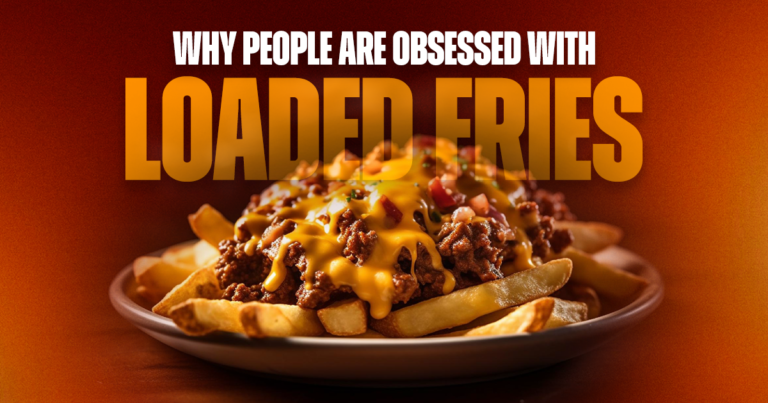
savoryThe main reason people are obsessed with loaded fries is the sheer flavour explosion they offer. The crispy, golden fries provide the perfect base, and when you add toppings like melted cheese, crispy bacon, tangy sauces, and spicy elements, the result is a taste sensation. Each bite offers a combination of textures and flavours that keeps you coming back for more.
2. Endless Customisation Options
Another reason for the popularity of loaded fries is their customisability. You can make them your own by choosing from an endless variety of toppings. Whether you prefer spicy options like jalapeños or a more classic approach with cheese and gravy, loaded fries can be tailored to suit any preference. This flexibility means that no two orders of loaded fries need to be the same, making them a versatile choice for all tastes.
3. Perfect for Sharing
Loaded fries are the ideal shareable food, perfect for group gatherings. Whether you’re enjoying a meal with friends or hosting a casual get-together, loaded fries are easy to share and can serve as a centerpiece to your meal. The large portions make them ideal for passing around, so everyone can enjoy a bite of the tasty toppings and crispy fries.
4. The Appeal of Indulgence
Let’s be honest—loaded fries are indulgent. The combination of rich sauces, gooey cheese, and crispy fries is designed to satisfy cravings and deliver a comforting, indulgent experience. In today’s fast-paced world, people often crave the simple pleasure of enjoying something deliciously over-the-top, and loaded fries are the perfect indulgence to provide just that.
5. Sweet and Savory Perfection
One of the unique features of loaded fries is their ability to blend sweet and savoury elements. Many recipes incorporate ingredients like caramelised onions, sweet chilli sauce, or even BBQ sauce, which combine perfectly with the saltiness of the fries. This balance of flavours adds to the overall appeal and is a key reason people can’t get enough of them.
6. A Match Made in Heaven with Burgers
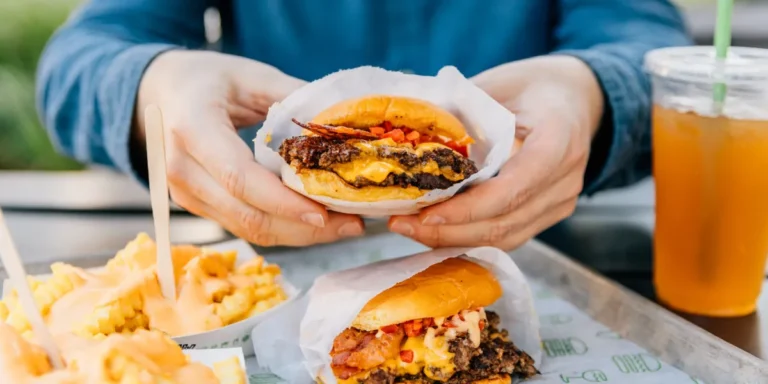
Loaded fries are the perfect accompaniment to burgers, which may explain why they’re so popular in places that serve both. The rich, hearty nature of loaded fries complements the savoury, juicy goodness of a burger, making them the ultimate duo. In areas like Luton and Leicester, loaded fries are often served alongside burgers, creating a satisfying meal that hits all the right notes.
7. Social Media Influence
The growing obsession with loaded fries can also be attributed to the influence of social media. Thanks to platforms like Instagram, food trends spread quickly, and loaded fries—especially those with extravagant toppings—have become a food item that’s fun to photograph and share. The visual appeal of loaded fries, with their colourful toppings and layered textures, makes them highly shareable, further fueling their popularity.
8. Versatile for Any Occasion
From casual snacks to hearty meals, loaded fries are perfect for any occasion. Whether you’re looking for a quick snack, a side dish for your main meal, or something to share with friends at a party, loaded fries can be adapted for any setting. Their versatility in flavour combinations ensures there’s something for everyone to enjoy.
FAQs:
1. What makes loaded fries so addictive?
Loaded fries are addictive because they combine the crunchiness of fries with a variety of delicious toppings, such as melted cheese, crispy bacon, sauces, and more. The combination of textures and bold flavours makes them irresistible.
2. Are loaded fries suitable for vegetarians or vegans?
Yes, loaded fries can be made to suit vegetarians or vegans. Many places offer veggie-friendly toppings such as grilled vegetables, vegan cheese, or guacamole. Simply check if the restaurant offers vegan options for the toppings.
3. What are the best toppings for loaded fries?
Popular toppings for loaded fries include cheese, bacon, jalapeños, guacamole, sour cream, and BBQ sauce. Some people also love to add pulled pork, chili, or onions for added flavour.
4. Are loaded fries only served in fast food restaurants?
Not at all! While loaded fries are often served at fast food restaurants, they’ve also become a popular item in gastropubs, food trucks, and even fine dining establishments. Many chefs have put their own creative spin on the dish, making it a versatile menu item.
5. Where can I find the best loaded fries in Luton or Leicester?
There are several places in Luton and Leicester offering fantastic loaded fries. For those craving something extra indulgent, check out local burger joints and fast food restaurants that specialise in serving loaded fries with a variety of toppings.
6. Can I make loaded fries at home?
Absolutely! Making loaded fries at home is easy. All you need are some crispy fries (you can even make your own from scratch), your favourite toppings, and sauces. Some common toppings include melted cheese, crispy bacon, jalapeños, and sour cream. Get creative and experiment with flavours!
Conclusion:
The obsession with loaded fries is no surprise. From their flavour-packed toppings to their ability to be customised, shareable, and indulgent, loaded fries tick all the boxes. Whether enjoyed as a snack, side dish, or meal, they offer a satisfying and versatile option for burger lovers, snack enthusiasts, and anyone looking to indulge in a comforting food experience. So, the next time you’re craving something delicious, consider digging into a portion of loaded fries — you’ll see exactly why everyone is so obsessed with them!