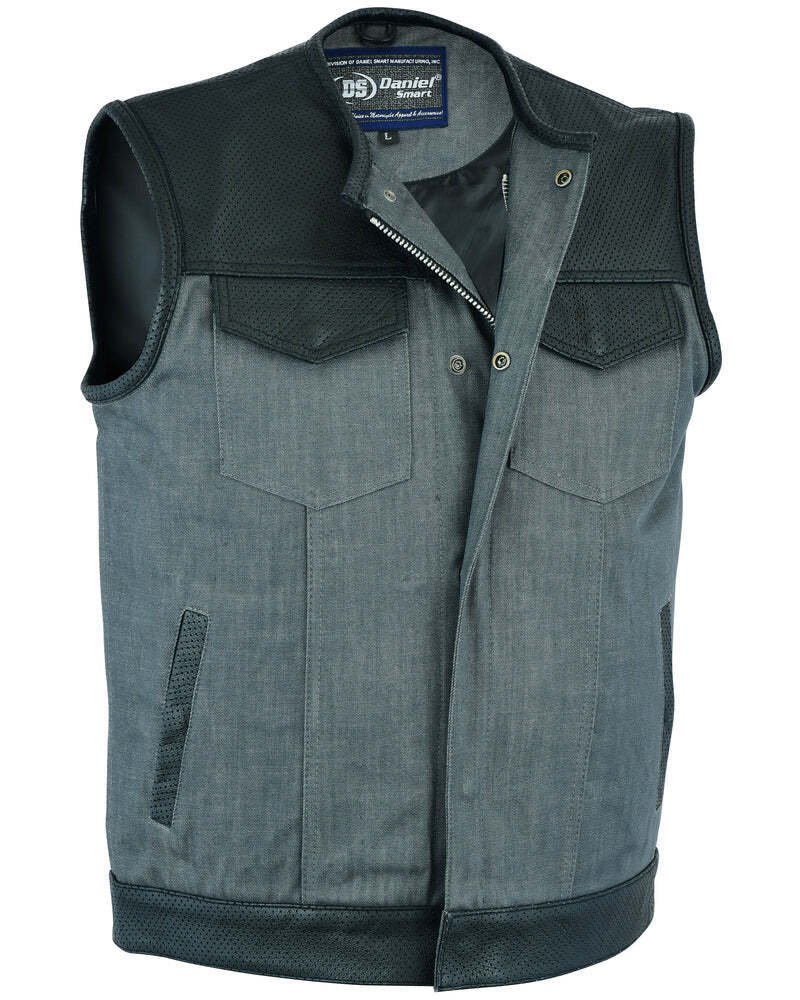
Abrasion resistance is a foundational safety principle in motorcycle clothing design. It refers to a material’s ability to withstand friction and surface wear when sliding across asphalt or concrete during a crash. Unlike impact protection, which focuses on absorbing sudden force, abrasion resistance minimizes skin exposure, reduces friction burns, and helps prevent severe soft-tissue injuries.
Modern motorcycle apparel integrates abrasion-resistant materials, construction techniques, and certified testing standards to ensure reliable protection across real-world riding conditions. This topic is especially relevant for textile motorcycle vests, which balance comfort, airflow, and durability for daily commuting, urban riding, and extended highway travel. Understanding how abrasion resistance works allows riders to make informed gear choices aligned with safety expectations and riding environments.
Understanding Abrasion Resistance in Motorcycle Apparel
Abrasion resistance measures how long and how effectively a fabric can endure contact with rough surfaces before wearing through. In motorcycle crashes, riders often slide rather than tumble, making sustained friction the dominant injury mechanism. Protective clothing acts as a sacrificial layer, absorbing wear so the rider’s skin does not.
According to standardized textile testing methods referenced in industrial safety literature and material science research (such as those summarized on Wikipedia’s entries on abrasion resistance and protective clothing), abrasion-resistant fabrics are evaluated based on time-to-failure, surface degradation, and structural integrity under load.
Materials Used for Abrasion Resistance
Modern motorcycle textile apparel relies on engineered fibers rather than traditional cotton or casual fabrics. Common abrasion-resistant fibers include:
- Cordura® Nylon: A high-tenacity nylon engineered for military and industrial use, offering superior tear and abrasion resistance.
- Ballistic Nylon: Originally developed for protective gear, designed to withstand extreme friction and puncture forces.
- Polyester Blends: When tightly woven and reinforced, polyester offers consistent abrasion performance with lower weight.
- Aramid Fibers (e.g., Kevlar®): Used in reinforcement zones for exceptional heat and abrasion resistance.
These materials are selected based on measured durability, thermal stability, and long-term wear performance under repetitive stress.
Fabric Construction and Weave Density
Abrasion resistance is influenced not only by fiber type but also by fabric construction. Tightly woven textiles distribute friction across a broader surface area, slowing material failure. Multi-layer construction further increases slide time before penetration occurs.
In professional garment engineering, abrasion panels are often placed in high-risk zones—such as the chest, sides, and back—based on crash data and biomechanical studies. This strategic placement ensures protection where riders are most likely to contact the road.
Certification Standards and Testing Methods
EN 17092 and Abrasion Testing
International safety standards define minimum abrasion performance requirements. The European EN 17092 standard classifies motorcycle garments into protection levels (AAA, AA, A, etc.) based on abrasion, tear, and seam strength testing.
Abrasion tests simulate sliding on coarse surfaces using calibrated machines to measure how long materials resist wear. Apparel meeting these benchmarks provides verifiable, laboratory-tested protection rather than marketing-only claims.
Application in Textile Motorcycle Vests
Long-Distance Riding Requirements
Extended rides introduce prolonged exposure to wind, vibration, and environmental stress. A men motorcycle textile vest for long rides must combine abrasion-resistant textiles with ergonomic design, breathability, and reinforced stitching to maintain protective integrity over hours of use.
A practical example of this category can be found in the men motorcycle textile vest for long rides segment, where abrasion-resistant construction is optimized for highway conditions, variable weather, and sustained comfort.
Urban Riding Considerations
Urban environments present different risks, including lower speeds but higher traffic density and frequent stops. A women urban riding textile vest prioritizes abrasion resistance alongside flexibility, lightweight construction, and mobility. Such designs address real-world commuting needs without compromising safety, as demonstrated in specialized women urban riding textile vest options built for city riding dynamics.
Heat Management and Abrasion Performance
Managing Friction Heat During Slides
Abrasion generates heat, which can cause secondary burn injuries even if the fabric does not fail structurally. Advanced textile vests use heat-resistant fibers and coatings to limit thermal transfer. This approach reduces the risk of friction burns, a documented concern in crash injury research.
Expert Insights and Industry Best Practices
Professional Design Principles
Industry experts follow several established best practices when designing abrasion-resistant motorcycle apparel:
- Reinforce high-impact and slide-prone zones
- Use multi-layer textiles in critical areas
- Employ double or triple stitching with high-strength thread
- Validate materials through standardized abrasion testing
- Balance durability with rider comfort to ensure consistent use
These practices reflect real-world crash analysis and long-term rider safety data.
Common Misconceptions About Abrasion Resistance
Thicker Means Safer
Thickness alone does not guarantee abrasion resistance. Poorly woven thick fabrics may fail faster than thinner, high-tenacity textiles.
All Textile Gear Offers the Same Protection
Abrasion resistance varies widely depending on fiber quality, weave density, and certification. Apparel without testing data should not be assumed to offer adequate protection.
Abrasion Resistance Is Only for High Speeds
Urban crashes at moderate speeds can still result in severe abrasion injuries. Protective textiles are equally relevant for city riders.
Conclusion
Abrasion resistance is a critical, evidence-based component of motorcycle clothing safety. Through advanced textiles, engineered fabric construction, and certified testing standards, modern motorcycle vests provide meaningful protection against one of the most common crash injury mechanisms. Whether designed for extended highway travel or urban commuting, abrasion-resistant textile vests play a vital role in reducing injury severity and improving rider safety outcomes. Understanding how these systems work empowers riders to choose apparel grounded in proven protective performance rather than assumptions or aesthetics alone.
FAQs
1. How is abrasion resistance measured in motorcycle clothing?
Abrasion resistance is measured using standardized laboratory tests that simulate sliding on rough surfaces, recording time or distance until fabric failure.
2. Are textile vests as abrasion-resistant as leather?
High-quality textile vests can approach or match leather performance when engineered with advanced fibers and reinforced construction.
3. Why are some areas reinforced more than others?
Crash data shows certain body zones experience more contact during slides, requiring higher abrasion protection.
4. Does abrasion resistance degrade over time?
Yes. UV exposure, repeated washing, and wear can reduce material performance, which is why regular inspection is recommended.
5. Is abrasion resistance important for short rides?
Yes. Most motorcycle accidents occur close to home and at moderate speeds, where abrasion injuries are still common.
6. How do seams affect abrasion resistance?
Seam failure can expose skin even if the fabric remains intact. High-strength stitching is essential for overall protection.
7. Can abrasion-resistant textiles also be breathable?
Modern textile engineering allows airflow through mesh panels while reinforcing high-risk zones with abrasion-resistant layers.