
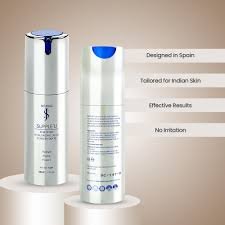
Healthy, radiant skin is a reflection of proper care, consistency, and the right skincare choices. In today’s environment, your skin is constantly exposed to pollution, harmful UV rays, and stress, all of which contribute to dullness, uneven tone, and dark spots.
Many people struggle with pigmentation, sun damage, and rough skin texture, often trying multiple products without seeing results. The truth is, achieving clear and glowing skin doesn’t require a complicated routine—it requires the right steps done consistently.
In this guide, we’ll break down a simple yet effective skincare routine that focuses on three essential aspects: exfoliation, treatment, and protection.
Understanding Common Skin Concerns
Before building a skincare routine, it’s important to understand the most common issues people face:
1. Dark Spots & Pigmentation
Caused by sun exposure, acne scars, or hormonal changes, dark spots can make your skin look uneven and aged.
2. Dull & Rough Skin Texture
Dead skin buildup can prevent your skin from looking fresh and smooth.
3. Sun Damage
Exposure to UV rays can lead to premature aging, tanning, and pigmentation.
Addressing these concerns requires a targeted skincare approach.
Step 1: Exfoliation – The Key to Fresh & Smooth Skin
One of the most important yet often overlooked steps in skincare is exfoliation. Over time, dead skin cells accumulate on the surface, leading to dullness and clogged pores.
Using a gentle dead skin remover helps eliminate this buildup and reveals fresh, glowing skin underneath.
Benefits of Exfoliation:
- Removes dead skin cells
- Improves skin texture
- Enhances natural glow
- Prevents clogged pores
- Boosts effectiveness of skincare products
Regular exfoliation also allows your skin to absorb serums and moisturizers more effectively.
How Often Should You Exfoliate?
- Oily skin: 2–3 times a week
- Dry skin: 1–2 times a week
- Sensitive skin: Once a week
Avoid over-exfoliating, as it can damage the skin barrier.
Step 2: Treating Pigmentation & Dark Spots
Once your skin is exfoliated, it becomes more receptive to treatment products. This is the best time to target specific concerns like dark spots and uneven tone.
A dark spot reducing serum is designed to penetrate deep into the skin and reduce pigmentation over time.
How It Works:
- Targets melanin production
- Lightens existing dark spots
- Prevents new pigmentation
- Evens out skin tone
Benefits of Using a Serum:
- Lightweight and fast-absorbing
- Delivers concentrated ingredients
- Works at a deeper level
- Provides visible results over time
Consistency is key when using a serum. Regular application can significantly improve your skin’s clarity and brightness.
Step 3: Sun Protection – Your Skin’s Best Defense
No skincare routine is complete without sun protection. Even the best treatments won’t work effectively if your skin continues to be exposed to harmful UV rays.
Using a broad spectrum sunscreen protects your skin from both UVA and UVB rays, which are responsible for aging and pigmentation.
Why Sunscreen is Essential:
- Prevents dark spots and pigmentation
- Protects against premature aging
- Reduces risk of sunburn
- Maintains even skin tone
How to Use Sunscreen Properly:
- Apply every morning
- Use at least SPF 30 or higher
- Reapply every 2–3 hours when outdoors
- Apply even on cloudy days
Skipping sunscreen can undo all the progress made by your skincare routine.
Building a Simple Yet Effective Routine
Here’s how you can structure your daily routine using these essential steps:
Morning Routine:
- Cleanser
- Dark spot reducing serum
- Moisturizer
- Broad spectrum sunscreen
Night Routine:
- Cleanser
- Dead skin remover (2–3 times a week)
- Dark spot reducing serum
- Moisturizer
Following this routine consistently helps improve your skin’s texture, tone, and overall health.
Common Skincare Mistakes to Avoid
Even with the right products, certain mistakes can prevent you from achieving desired results.
Avoid these:
- Over-exfoliating your skin
- Skipping sunscreen
- Using too many products at once
- Not giving products enough time to work
- Ignoring your skin type
A simple and consistent routine is more effective than a complicated one.
The Role of Hydration & Diet
Your skincare routine works best when supported by healthy lifestyle habits.
Tips for Better Skin:
- Drink plenty of water
- Eat fruits and vegetables rich in antioxidants
- Avoid excessive sugar and processed foods
- Get enough sleep
- Manage stress levels
Healthy habits enhance your skin’s natural glow.
Choosing the Right Products
Not all skincare products are created equal. It’s important to choose products that are:
- Suitable for your skin type
- Dermatologically tested
- Free from harsh chemicals
- Formulated with effective ingredients
Investing in quality products ensures better results and long-term skin health.
Long-Term Benefits of a Consistent Routine
With regular care and consistency, you can achieve:
- Even skin tone
- Reduced pigmentation
- Smooth texture
- Healthy glow
- Youthful appearance
Good skincare is not about quick fixes—it’s about long-term commitment.
Final Thoughts
Achieving clear, bright, and healthy skin doesn’t have to be complicated. By focusing on the essentials—exfoliation, treatment, and protection—you can build a routine that delivers real results.
Incorporating the right products and following a consistent routine can help you overcome common skin concerns like dark spots, dullness, and sun damage.
Remember, great skin is not just about what you apply—it’s also about how consistently you care for it.