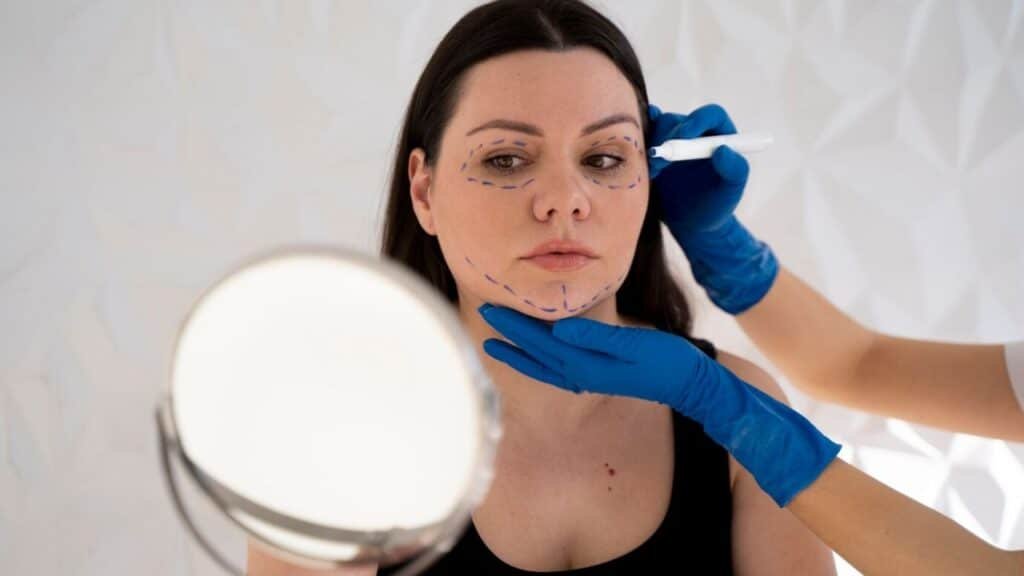
Aesthetic medicine and dermatology, polynucleotide treatment has emerged as an innovative modality for skin regeneration, anti‑aging, and long‑term tissue repair. Rooted in advanced molecular science, polynucleotides represent a new frontier in cosmetic and treatments — harnessing the body’s own biological processes to restore, regenerate, and revitalize aging or damaged skin.
What Are Polynucleotides?
At its core, a polynucleotide is a long chain of nucleotides — the basic building blocks of DNA and RNA. In medical applications, polynucleotide solutions are typically derived from natural sources (such as trout or salmon). These high‑molecular‑weight polymers are biocompatible and biodegradable, meaning they are well tolerated by human tissues and broken down safely over time.
Unlike fillers that simply add volume or Botox that temporarily blocks muscle movement, polynucleotide treatments act at a deeper biological level. They interact with cellular processes to foster tissue healing, stimulate cell renewal, and improve extracellular matrix integrity.
Mechanisms of Action: A Biological Approach to Regeneration
Polynucleotide therapy works through multiple synergistic mechanisms:
1. Cellular Stimulation and Repair
Once injected into the dermis, polynucleotides provide a scaffold that supports the migration and proliferation of fibroblasts — the cells responsible for producing collagen and elastin. These structural proteins are fundamental to skin firmness, elasticity, and resilience.
The presence of polynucleotides helps to:
- Encourage fibroblast activity
- Promote collagen synthesis
- Support natural elastin formation
The result? A gradual improvement in skin quality that appears more natural and long‑lasting than many traditional treatments.
2. Enhanced Hydration and Tissue Support
Polynucleotide chains have a notable ability to bind water molecules. When introduced into the skin, they increase localized hydration, which plumps the skin and enhances its texture. Improved hydration also strengthens the dermal framework, making skin more resistant to environmental stress and aging.
3. Anti‑Inflammatory and Healing Effects
Inflammation accelerates aging and damage within skin tissues. Polynucleotides exhibit anti‑inflammatory properties that calm the microenvironment of the skin, making them particularly useful in:
- Post‑procedure recovery (e.g., after laser treatments)
- Chronic irritation like rosacea
- Skin that is thin or reactive
By reducing inflammation, polynucleotides create an optimal environment for healing.
Applications in Dermatology and Aesthetics
Polynucleotide therapy has a range of current and emerging applications:
Skin Rejuvenation
One of the most common uses is facial revitalization. Rather than adding volume, polynucleotides improve skin quality, helping to:
- Minimize fine lines and wrinkles
- Improve texture and luminosity
- Reduce roughness or dullness
- Tighten sagging skin
Unlike implants or fillers, results are subtle and build over time, making the treatment ideal for individuals seeking a natural outcome.
Scar Improvement
Whether from acne, trauma, or surgery, scars disrupt normal collagen and tissue architecture. Polynucleotide injections encourage fibroblasts to remodel scarred tissue, resulting in softer, less visible scars. This is especially promising for patients who struggle with deep acne scars or keloid‑prone skin.
Hair Regrowth Support
Emerging research suggests polynucleotides can stimulate dermal papilla cells — key regulators of hair follicle growth. Injected into the scalp, they may support hair density and reduce thinning. While not a replacement for established hair loss treatments, they can complement existing therapies.
Post‑Procedure Recovery
When used after microneedling, laser resurfacing, or chemical peels, polynucleotides accelerate healing and reduce downtime by:
- Calming inflammation
- Reducing redness and irritation
- Boosting tissue repair
This makes them popular in multi‑modal aesthetic regimens.
Comparisons With Other Treatments
Vs. Traditional Dermal Fillers
Fillers add volume; polynucleotides enhance biological function.
Fillers show immediate, predictable changes; polynucleotides work gradually.
Fillers may need regular volume replacement; polynucleotide effects can persist as tissue improves at the cellular level.
Vs. Botox and Neuromodulators
Botox reduces muscle movement to prevent wrinkles.
Polynucleotides don’t affect muscle function — instead, they improve skin substrate, complementing neuromodulators for a comprehensive anti‑aging strategy.
Vs. Mesotherapy
Mesotherapy delivers vitamins and peptides into the skin. Polynucleotides, being larger molecules, act deeper within the dermal matrix. They can be integrated into mesotherapy protocols for enhanced outcomes.
Treatment Protocols and What to Expect
A typical polynucleotide treatment involves:
Consultation and Assessment
A dermatologist or aesthetic clinician evaluates skin type, concerns, and goals.
Preparation
The treatment area is cleansed, and topical anesthesia may be applied for comfort.
Injection Sessions
Small volumes of polynucleotide solution are injected into the mid‑to‑deep dermis using fine needles.
Follow‑Up Sessions
Multiple sessions spaced 1–2 weeks apart are common for best results. Maintenance treatments may be recommended every few months.
Downtime: Minimal. Mild redness, swelling, or bruising can occur but usually resolves within 24–48 hours.
Safety and Side Effects
Polynucleotide treatments are generally well tolerated due to their natural composition. Common mild side effects include:
- Temporary redness or swelling
- Minor bruising at injection sites
- Slight tenderness
Serious reactions are rare. Because the compounds are biologically derived, there is no risk of long‑term foreign body reaction commonly seen with synthetic implants. However, people with active skin infections, autoimmune disorders, or pregnancy may need to defer treatment.
Why Polynucleotide Therapy Is Gaining Traction
Several factors fuel its growing popularity:
1. Demand for Natural‑Looking Results
Many individuals seek “enhanced skin health” rather than dramatic cosmetic change. Polynucleotide therapy aligns with this preference by improving physiology rather than masking issues.
2. Focus on Regenerative Medicine
Regenerative treatments represent the next evolution of skin care — moving from temporary fixes to biological rejuvenation. Polynucleotides fit this trend by activating internal repair mechanisms.
3. Versatility Across Applications
From facial rejuvenation to scar remodeling and hair support, polynucleotide therapy is not limited to one indication, making it a versatile tool for clinicians.
4. Complementary Nature
Polynucleotides can be combined with lasers, neurotoxins, fillers, and skin care regimens, enhancing overall outcomes without overlapping mechanisms.
Challenges and Considerations
Despite its promise, polynucleotide treatment is not without challenges:
Cost: Multiple sessions and premium products can be expensive.
Variable Outcomes: Results depend on clinician skill, product quality, and patient biology.
Education Gap: Not all practitioners are trained in polynucleotide techniques, which can affect the consistency of results.
As the field advances, standardized protocols and long‑term studies will help optimize outcomes and better define clinical indications.
The Future of Skin Regeneration
Polynucleotide therapy represents a pivotal shift in aesthetic medicine — toward biologically active, regenerative treatments. By engaging the body’s inherent repair systems, this approach transcends surface‑level enhancements and moves into true tissue restoration.
As research deepens and techniques improve, polynucleotides may become a cornerstone not only in cosmetic dermatology but also in therapeutic applications, including wound healing, scar therapy, and age‑related tissue degeneration.