Menopause marks a significant transition in a woman’s life. Beyond the commonly discussed hot flashes, mood swings, and hormonal changes, one aspect that often gets overlooked is the impact of menopause on the skin.
Medical menopause skin care, a term referring to menopause induced by surgery, chemotherapy, or certain medications, can accelerate the skin changes associated with natural menopause, making it crucial to adopt strategies for maintaining a healthy, glowing complexion.
Understanding Medical Menopause Skin Care Health
Medical menopause occurs when the ovaries stop producing estrogen abruptly due to medical interventions rather than the gradual decline seen in natural menopause. Estrogen plays a pivotal role in skin health by maintaining collagen, elasticity, hydration, and wound healing.
When estrogen levels drop suddenly, skin can become thinner, drier, and more prone to wrinkles, hyperpigmentation, and delayed healing. Women may also notice increased sensitivity, redness, and a lack of natural radiance.
These skin changes can feel sudden and alarming. However, by understanding the physiological shifts and adopting targeted strategies, women experiencing Medical menopause skin care can support their skin’s structure, hydration, and overall glow.
Key Strategies for Glowing Skin During Medical Menopause
1. Hydration: The Foundation of Radiance
One of the earliest and most noticeable effects of menopause is skin dryness. Without estrogen, the skin produces less natural oil, leading to flakiness, tightness, and a dull appearance. Staying hydrated from the inside out is essential.
Internal Hydration: Drinking sufficient water is fundamental, but women should also consume water-rich foods like cucumbers, watermelon, oranges, and leafy greens. These foods provide vitamins and minerals that support skin repair and hydration.
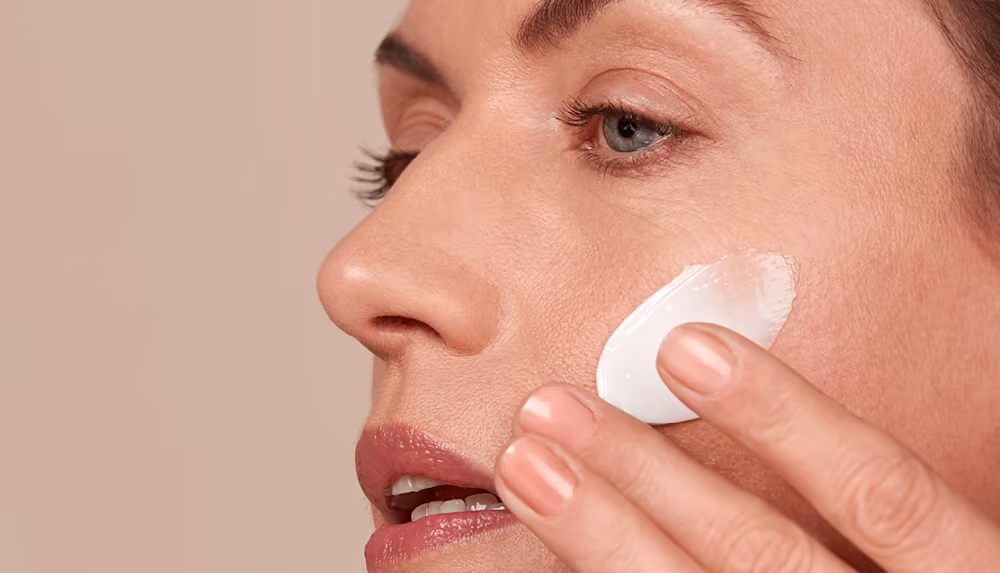
External Hydration: Moisturizers containing humectants such as hyaluronic acid and glycerin help draw water into the skin. Emollients like shea butter and ceramides create a protective barrier, preventing moisture loss. Applying moisturizer immediately after cleansing ensures better absorption.
2. Gentle Cleansing: Avoid Stripping Natural Oils
During Medical menopause skin care, the skin barrier can become fragile. Harsh cleansers, abrasive scrubs, or overly hot water can worsen dryness and sensitivity. Opt for gentle, pH-balanced cleansers that remove impurities without stripping natural oils. Cleansing twice daily—morning and night—without over-exfoliating is typically sufficient.
3. Incorporating Antioxidants
Oxidative stress increases with age and hormonal changes, contributing to wrinkles, hyperpigmentation, and a dull complexion. Antioxidants can neutralize free radicals, protecting skin from environmental damage.
Topical Antioxidants: Serums with vitamins C and E, niacinamide, and polyphenols help brighten skin, even tone, and promote collagen synthesis.
Dietary Antioxidants: Consuming berries, nuts, green tea, and colorful vegetables supports the skin from within, combating oxidative damage systemically.
4. Supporting Collagen and Elastin
Collagen and elastin are structural proteins that maintain skin firmness and elasticity. Estrogen decline during Medical menopause skin care accelerates the breakdown of these proteins, leading to sagging and fine lines.
Retinoids: Topical retinoids are highly effective in promoting collagen production and accelerating cell turnover. Start with a low concentration to minimize irritation and gradually increase.
Peptides and Growth Factors: Skincare formulations with peptides stimulate fibroblasts, enhancing collagen and elastin production.
Collagen Supplements: Hydrolyzed collagen peptides in powder or capsule form may support skin elasticity and hydration, though results can vary between individuals.
5. Sun Protection: Non-Negotiable
Estrogen deficiency increases the risk of photoaging, pigmentation, and skin thinning. Daily sun protection is a cornerstone of maintaining glowing skin.
Use broad-spectrum SPF 30 or higher, even on cloudy days.
Reapply every two hours during prolonged sun exposure.
Wear wide-brimmed hats and protective clothing when outdoors.
Consider antioxidant-rich sunscreens, which provide an additional layer of defense against free radicals.
6. Hormone Replacement Therapy (HRT) Considerations
For some women experiencing severe skin changes due to Medical menopause skin care, hormone replacement therapy (HRT) may be an option. HRT can restore estrogen levels, improving skin thickness, hydration, and elasticity. However, HRT is not suitable for everyone and must be carefully discussed with a healthcare provider, considering personal health history and risks.
7. Lifestyle Habits for Skin Radiance
Glowing skin isn’t only about topical treatments; lifestyle plays a crucial role.
Nutrition: Adequate protein intake supports skin repair, while healthy fats from sources like salmon, avocado, and nuts help maintain the lipid barrier. Omega-3 fatty acids, in particular, reduce inflammation and improve moisture retention.
Sleep: Quality sleep is essential for skin regeneration. Hormonal imbalances can disrupt sleep patterns, so prioritizing a regular sleep schedule, limiting screen time before bed, and creating a relaxing bedtime routine can make a visible difference.
Exercise: Regular exercise enhances circulation, delivering nutrients and oxygen to skin cells. Sweating also helps flush out toxins, giving skin a natural glow.
Stress Management: Chronic stress increases cortisol, which can exacerbate skin aging and inflammation. Mindfulness practices, yoga, and meditation can mitigate these effects.
8. Targeted Skincare Ingredients for Menopausal Skin
Some ingredients are particularly beneficial for the skin changes associated with medical menopause:
Hyaluronic Acid: Hydrates and plumps skin.
Ceramides: Restore the skin barrier and prevent moisture loss.
Niacinamide: Reduces redness, strengthens the barrier, and improves elasticity.
Retinoids: Stimulate collagen and improve texture.
Peptides: Support structural proteins in the skin.
Vitamin C: Brightens skin and protects against oxidative damage.
Combining these ingredients strategically—rather than overloading the skin—ensures optimal results without irritation.
9. Professional Skincare Treatments
Medical treatments can complement daily skincare routines:
Microneedling: Stimulates collagen production and improves texture.
Chemical Peels: Promote exfoliation and renewal, though lower-strength formulations are recommended for sensitive menopausal skin.
Laser Treatments: Address pigmentation, fine lines, and skin laxity.
Consulting a dermatologist ensures treatments are tailored to individual needs and sensitivity.
Embracing Glowing Skin During Medical Menopause
While Medical menopause skin care can accelerate skin aging, it also presents an opportunity to adopt a mindful and proactive skincare routine. The key is understanding the changes caused by estrogen deficiency and tailoring approaches that support hydration, collagen, protection, and overall skin health.
Consistency, patience, and a combination of internal and external strategies are essential. Hydrating from within, using gentle but effective topical treatments, protecting against sun damage, and supporting overall wellness are all pillars of radiant skin during this life stage.