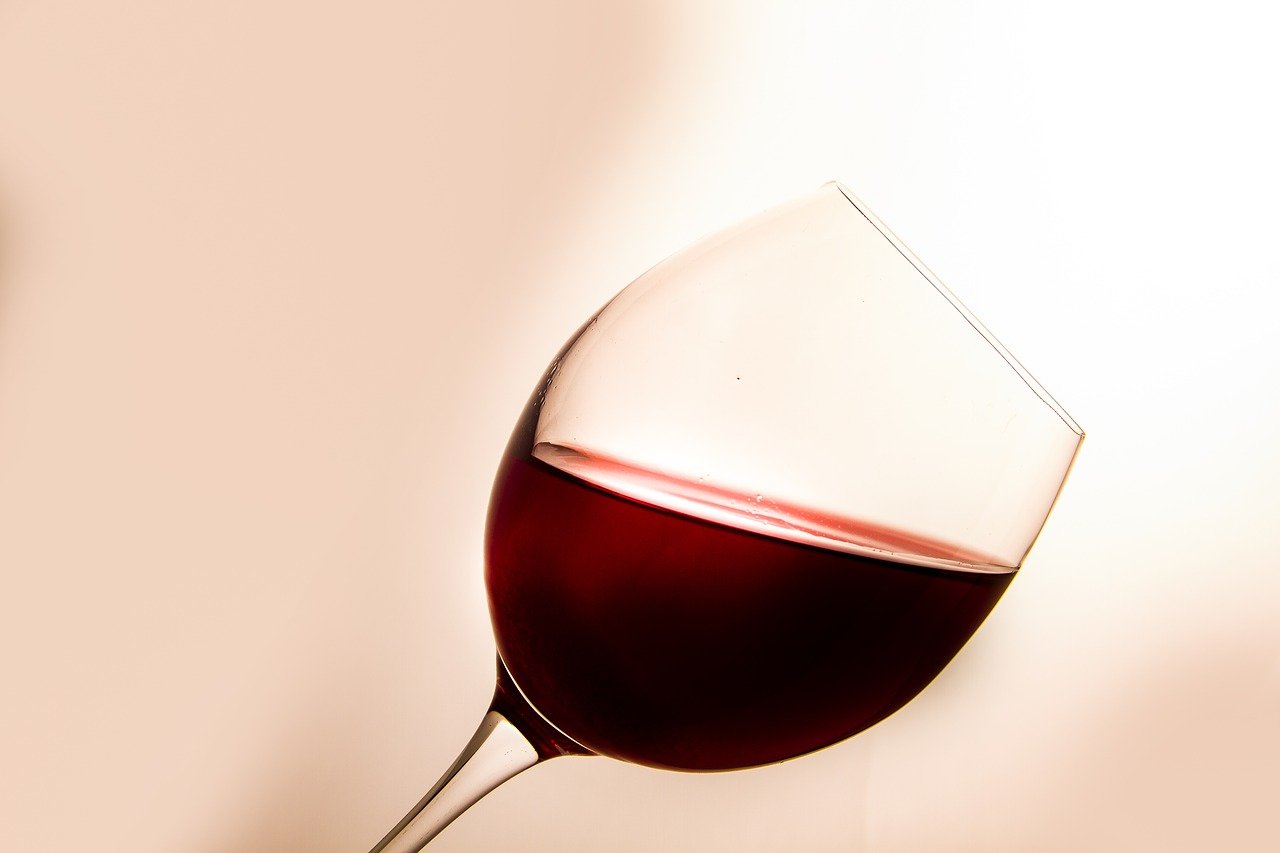
Free-alcoholic red wine, often referred to as alcohol-free or dealcoholized red wine, has steadily grown in popularity over the past decade. Driven by a global shift toward healthier lifestyles, reduced alcohol consumption, and mindful drinking.
These wines offer the rich flavors of traditional red wines without the intoxicating effects of alcohol. Understanding the flavor profiles and varieties available can help both connoisseurs and casual wine drinkers enjoy a sophisticated wine experience without the alcohol.
What Is Non Alcoholic Red Wine?
Non alcoholic red wine starts as a regular red wine, produced from classic wine grapes such as Cabernet Sauvignon, Merlot, or Pinot Noir. The wine then undergoes a process that removes most or all of the alcohol, usually leaving less than 0.5% alcohol by volume (ABV).
Two common methods of dealcoholization are:
Vacuum distillation – Alcohol is gently evaporated under reduced pressure, preserving delicate aromas and flavors.
Reverse osmosis – The wine is filtered through a membrane to remove ethanol, then recombined with the original liquid to retain body and complexity.
These techniques ensure that free-alcoholic red wine retains the essence of traditional wine while remaining accessible to those who avoid alcohol for health, religious, or personal reasons.
Flavor Profiles of Free-Alcoholic Red Wine
Although the alcohol content is minimal, free-alcohol red wines maintain a surprisingly complex flavor profile. However, the absence of alcohol subtly shifts the taste experience because alcohol contributes to mouthfeel, sweetness perception, and the perception of aroma. Here’s a closer look at common flavor attributes:
1. Fruity Notes
Fruity flavors often dominate non alcoholic red wine, with notes that mirror their alcoholic counterparts. Typical flavors include:
Red fruits: strawberry, raspberry, and cherry often give a bright, tangy sweetness.
Dark fruits: blackcurrant, blackberry, and plum offer deeper, richer flavors with slight earthiness.
Citrus hints: subtle undertones of orange or red currant zest can enhance brightness in lighter varieties.
The fruit-forward nature of alcohol-free red wines often makes them feel lighter and more refreshing than traditional red wines.
2. Earthy and Herbal Undertones
Many dealcoholized red wines carry earthy, herbal, or vegetal notes reminiscent of forest floor, wet leaves, or fresh herbs. These flavors provide depth and complexity, balancing the natural sweetness of the fruit. Wines made from Cabernet Sauvignon or Syrah grapes often exhibit these characteristics, giving them a fuller, more structured mouthfeel.
3. Tannins and Body
Tannins, which are responsible for the dry, puckering sensation in traditional red wines, are naturally reduced in dealcoholized wines. While some tannic structure remains, the mouthfeel is typically softer, smoother, and less astringent. Modern production techniques can enhance perceived body and structure by carefully blending grape skins, seeds, and oak influences.
4. Acidity
Acidity plays a key role in keeping alcohol-free red wines bright and lively. Moderate acidity adds crispness, counteracts sweetness, and helps highlight fruit flavors. Wines with higher acidity, such as Pinot Noir, are often described as light, elegant, and refreshing, even without alcohol.
5. Oak and Spice
Non alcoholic red wine may also display subtle oak and spice notes, depending on the aging process. Some producers use oak barrels or oak chips to impart flavors of vanilla, cinnamon, or clove. These aromatic layers add complexity and mimic the sophisticated qualities of conventional red wines.
Varieties of Free-Alcoholic Red Wine
Just as with traditional wines, alcohol-free red wines come in a variety of grape types, blends, and styles. Here are some popular varieties and their characteristics:
1. Cabernet Sauvignon
Cabernet Sauvignon is known for its bold structure, dark fruit flavors, and hints of spice. Alcohol-free versions retain the blackcurrant and blackberry flavors but with softer tannins and a lighter body. They often have subtle herbal notes and pair well with grilled vegetables, hearty pastas, or non-alcoholic meat dishes.
2. Merlot
Merlot-based free-alcoholic wines are usually smooth, approachable, and slightly fruity. Typical flavors include plum, cherry, and soft chocolate undertones, making them ideal for new wine drinkers or as an everyday sipping wine. Their mild tannins make them versatile for food pairings, including roasted vegetables, mushroom dishes, and non-spicy tomato sauces.
3. Pinot Noir
Pinot Noir is celebrated for its elegance, light body, and bright red fruit flavors. Dealcoholized Pinot Noir captures the essence of strawberry, raspberry, and cranberry, combined with earthy notes of forest floor or mushrooms. Its subtle acidity and delicate aroma make it an excellent companion for light salads, grilled fish, or vegetarian cuisine.
4. Syrah/Shiraz
Free-alcoholic Syrah or Shiraz wines bring a spicier and bolder profile. Expect flavors of dark fruits, black pepper, and smoked herbs, with a slightly fuller body than Pinot Noir. These wines pair nicely with savory dishes, roasted root vegetables, and rich sauces, providing a wine experience reminiscent of their alcoholic equivalents.
5. Blends
Many producers offer alcohol-free red blends, combining grape varieties for balance and complexity. Common blends might mix Cabernet Sauvignon and Merlot, or Syrah and Grenache, delivering a spectrum of fruit, spice, and earthy flavors. These wines are often versatile, suitable for pairing with a variety of foods, and can appeal to a broad range of palates.
Food Pairing with Non Alcoholic Red Wine
Even without alcohol, these wines can complement meals beautifully. General pairing tips include:
Light red wines (Pinot Noir, Merlot) – Pair with vegetarian dishes, mild cheeses, and roasted chicken.
Medium-bodied reds (Cabernet Sauvignon blends) – Match with grilled vegetables, pasta dishes, and earthy mushrooms.
Full-bodied reds (Syrah, Shiraz) – Best with hearty, rich dishes, including roasted root vegetables and spiced sauces.
Pairing free-alcoholic wines encourages mindful drinking, allowing diners to enjoy the ritual of wine with meals while avoiding alcohol.
Health and Lifestyle Benefits
Free-alcoholic red wine offers several benefits beyond flavor. It contains antioxidants and polyphenols, which are naturally present in grapes, though typically in slightly lower amounts than alcoholic versions.
Drinking alcohol-free wine can reduce the risks associated with alcohol, such as liver stress, dehydration, and impaired judgment, while still allowing people to enjoy the sensory experience of wine. This makes it a great option for designated drivers, pregnant individuals, or anyone pursuing a healthier lifestyle.
Conclusion
Non alcoholic red wine is no longer a niche product; it has become a dynamic segment of the modern wine market. Its diverse flavor profiles, from fruity and bright to earthy and structured, offer a satisfying alternative to traditional red wines.
Whether you enjoy the light elegance of a dealcoholized Pinot Noir, the smooth approachability of a Merlot, or the spiced intensity of a Syrah, alcohol-free red wines provide variety, sophistication, and versatility for every occasion.