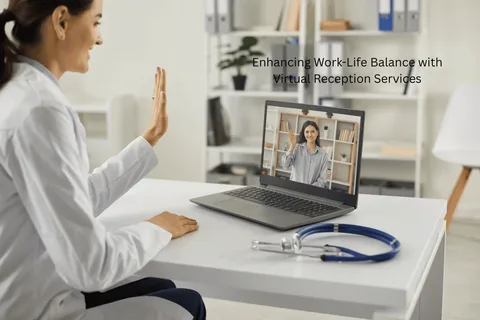
Online therapy in Pakistan is becoming an important part of how people seek mental health care today. With long working hours, traffic issues, social stigma, and a shortage of mental health professionals, many individuals struggle to access timely help. Digital solutions are filling this gap by allowing people to connect with therapists from their homes. This shift is not about replacing traditional therapy, but about making mental health care more reachable for students, professionals, parents, and people living in remote areas.
According to the World Health Organization, Pakistan has fewer than one psychiatrist per 100,000 people, while mental health needs continue to rise due to economic pressure, urban stress, and post-pandemic effects. Online mental health services in Pakistan offer a practical way to reduce this gap and provide consistent support without long waiting times.
The Growing Need for Mental Health Support Online
Mental health concerns such as anxiety, depression, stress, and relationship issues are no longer rare. A study published in 2022 estimated that nearly one in four Pakistanis experiences some form of mental health challenge during their lifetime. Despite this, many people avoid seeking help due to fear of judgment or lack of nearby professionals.
Mental health support Online therapy in Pakistan to bypass many of these barriers. Sessions can be scheduled discreetly, travel is not required, and therapy can happen in a familiar environment. This comfort often helps clients open up more easily, which can improve therapy outcomes over time.
What Are Virtual Therapy Sessions and How Do They Work
Virtual therapy sessions usually take place through video calls, audio calls, or secure chat platforms. After signing up on a digital mental health platform, users complete a short assessment that helps match them with a suitable therapist. Sessions are typically 30 to 60 minutes long and follow structured therapeutic approaches such as cognitive behavioral therapy, talk therapy, or family counseling.
Many platforms also offer flexible scheduling, including evenings and weekends, which is helpful for people with busy routines. Research from multiple international studies shows that virtual therapy sessions can be just as effective as in-person therapy for common mental health conditions when conducted by trained professionals.
Licensed Therapists in Pakistan and Quality of Care
One of the biggest concerns people have is whether online counseling services are reliable. Reputable platforms work only with licensed therapists in Pakistan who hold recognized degrees in psychology, counseling, or psychiatry. These professionals are trained to follow ethical guidelines and use evidence-based methods.
Quality control is maintained through regular supervision, client feedback, and professional development. This ensures that users receive consistent care rather than generic advice. For many clients, having access to licensed therapists without geographical limitations is a major advantage.
Confidential Online Counseling and Privacy
Privacy plays a major role in whether people seek therapy. Confidential online counseling addresses this concern by using encrypted platforms and secure data storage. Sessions are not recorded, and personal information is protected according to data privacy policies.
For individuals who worry about being seen at a clinic or judged by family members, online therapy provides a safer alternative. This sense of privacy often leads to better engagement and long-term commitment to therapy, which is crucial for real progress.
Digital Mental Health Platforms in Pakistan
Digital mental health platforms are more than just video call services. Many now include mood tracking tools, self-help resources, guided exercises, and educational content. These features help users stay engaged between sessions and better understand their emotional patterns.
In Pakistan, several platforms are expanding their reach through mobile apps. Many provide easy access through a play store link making it simple for users to download the app, book sessions, and receive reminders. This mobile-first approach fits well with Pakistan’s high smartphone usage, especially among younger adults.
Online Therapy in Pakistan as a Practical Solution
In the middle of this growing conversation around access and quality, online therapy in Pakistan stands out as a realistic solution rather than a trend. It addresses real-world problems such as limited professionals, transportation issues, and social hesitation. For people living in smaller cities or overseas Pakistanis looking for culturally relevant care, online services create a bridge that did not exist before.
Clinical observations and user reports consistently show improved attendance rates and reduced dropout compared to traditional settings. When therapy fits more easily into daily life, people are more likely to continue and benefit from it.
Who Can Benefit from Online Counseling Services
Online counseling services are suitable for a wide range of individuals. Students dealing with academic pressure, professionals managing burnout, couples facing communication issues, and parents handling family stress can all benefit. It is also helpful for people managing mild to moderate anxiety and depression.
However, severe psychiatric conditions may still require in-person treatment or medical intervention. Most ethical platforms clearly guide users toward appropriate care when online therapy alone is not enough.
Cost and Accessibility of Online Mental Health Services in Pakistan
Affordability is another reason online mental health services in Pakistan are gaining attention. Online sessions often cost less than in-clinic visits because overhead expenses are lower. Many platforms also offer packages, subscription models, or discounted rates for students.
This cost flexibility makes mental health care more accessible to a larger population. Over time, increased access can help reduce the long-term social and economic impact of untreated mental health conditions.
The Future of Mental Health Care in Pakistan
The future of mental health care in Pakistan is likely to include a strong digital component. As awareness grows and internet access improves, more people will turn to online options as a first step toward care. Educational campaigns and integration with primary healthcare can further strengthen this model.
Online therapy is not a quick fix, but it is a scalable and practical tool. When combined with qualified professionals, ethical standards, and user-centered design, it can play a meaningful role in improving mental well-being across the country.